
Are you facing challenges in maintaining hygiene and complying with stringent regulations in your food production facility? The stakes are high: a single contamination incident can lead to recalls, damage your brand, and even pose serious health risks. Discover how sanitary mold upenders are not just equipment, but a crucial investment in food safety compliance.
Sanitary mold upenders ensure compliance by minimizing contamination risks through their design. Constructed with smooth, non-porous materials like stainless steel, these upenders are easy to clean and sanitize, preventing bacteria and mold growth. This compliance is crucial for maintaining food safety standards and avoiding costly penalties.
Navigating the world of food safety compliance can feel overwhelming, but it doesn't have to. Let's explore how choosing the right mold upender can streamline your processes and ensure your facility meets the highest standards.
The Importance of Sanitary Design in Food Processing Equipment
Food processing equipment must meet rigorous sanitary standards to prevent contamination and ensure consumer safety. These standards, enforced by regulatory bodies like the FDA, dictate the materials, construction, and cleanability of equipment used in food production.
Sanitary design is critical because it minimizes the risk of bacteria and mold growth, simplifies cleaning procedures, and supports regulatory compliance. Equipment designed with smooth, non-porous surfaces, minimal crevices, and easy access for cleaning helps prevent the buildup of harmful microorganisms, ensuring food safety and reducing the potential for costly recalls.
But what makes a mold upender truly "sanitary"? Let's dive deeper.
Defining Sanitary Design: A Multi-faceted Approach
Sanitary design is more than just a buzzword; it's a comprehensive approach encompassing materials, construction, accessibility, and operational practices. It's about creating an environment where cleanliness is not just achievable but inherent to the equipment itself.
Materials Matter
The materials used in food processing equipment directly impact its ability to resist contamination. Stainless steel, particularly 316 stainless steel, is favored for its corrosion resistance and ease of cleaning. However, even stainless steel can harbor bacteria if not properly maintained. Plastics and polymers also have applications where they provide superior wear resistance or ease of manufacture. However, these materials must be chosen carefully and designed for cleanability.
Construction and Fabrication
The way equipment is constructed is just as important as the materials used. Smooth, continuous welds, rounded corners, and the elimination of crevices are crucial for preventing bacteria buildup. Equipment should be designed to be self-draining, minimizing standing water that can promote microbial growth.
Accessibility for Cleaning and Inspection
Even the most advanced materials and construction techniques are useless if the equipment cannot be easily cleaned and inspected. This means designing equipment that can be quickly disassembled for cleaning or that incorporates Clean-in-Place (CIP) systems.
A Critical Look at Design Elements: Identifying Potential Hazards
Not all mold upenders are created equal. A closer inspection reveals design elements that can either promote or hinder sanitation. Sharp corners, inaccessible crevices, and poorly designed seals can all become breeding grounds for bacteria.
| Design Element | Potential Hazard | Sanitary Solution |
|---|---|---|
| Sharp Corners | Difficult to clean, allows bacteria to accumulate | Rounded corners with a minimum radius of 1/4 inch |
| Inaccessible Crevices | Impossible to clean, provides a safe haven for bacteria growth | Elimination of crevices through design or filling with approved sealant |
| Poorly Designed Seals | Allows liquid and debris to penetrate, promoting bacteria growth | Use of FDA-approved, easily replaceable seals with tight fit |
| Horizontal Surfaces | Accumulation of dust and debris, potential for water pooling | Sloping surfaces to promote drainage and prevent buildup |
The FDA's Role: Ensuring Compliance
The FDA plays a critical role in ensuring that food processing equipment meets sanitary standards. Through inspections, guidance documents, and regulations like FSMA, the FDA sets the bar for food safety. Manufacturers and processors must be aware of these requirements and design their equipment and processes accordingly.
The FDA's 21 CFR Part 117, "Current Good Manufacturing Practice, Hazard Analysis, and Risk-Based Preventive Controls for Human Food," outlines the requirements for equipment and utensils used in food processing facilities. This regulation emphasizes the need for equipment to be "adequately cleanable" and "properly maintained."
Achieving compliance with these sanitary design principles requires a commitment to continuous improvement and a thorough understanding of the science behind food safety. By prioritizing sanitary design, food processors can protect their customers, their brands, and their bottom lines.
Selecting a Sanitary Mold Upender: Key Considerations
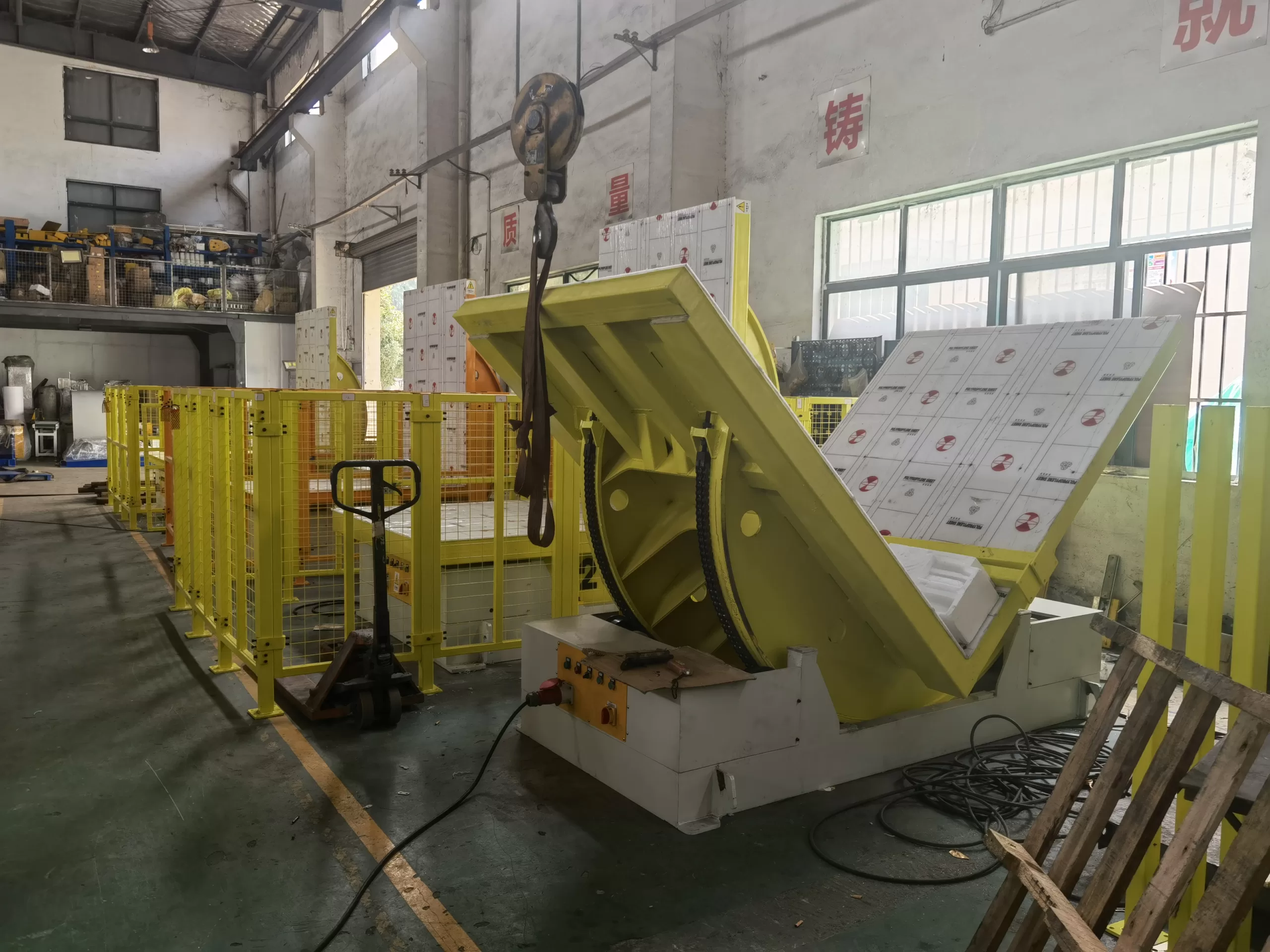
Choosing the right mold upender is crucial for maintaining sanitary conditions in food production. Not all upenders are created equal; factors like materials, design, and cleanability play significant roles in ensuring compliance with FDA standards and preventing contamination.
When selecting a mold upender, prioritize stainless steel construction, smooth surfaces, and minimal crevices. Look for designs that are easy to disassemble and clean, with accessible areas for inspection. Ensure the upender meets FDA standards and can withstand the rigors of your specific food production environment to maintain optimal hygiene.
Let's consider some more detailed factors to ensure you make an informed decision.
- Material selection: Choose food-grade stainless steel (304 or 316) for its corrosion resistance and ease of cleaning.
- Surface finish: Opt for smooth, polished surfaces to minimize bacteria adhesion.
- Design: Ensure easy access for cleaning and sanitation, with minimal crevices and sharp corners.
Implementing Effective Cleaning and Sanitation Procedures
Even the most sanitary mold upender requires proper cleaning and sanitation procedures to maintain food safety. These procedures must be comprehensive, regularly executed, and thoroughly documented to ensure compliance with regulatory standards.
Effective cleaning and sanitation involve several key steps: pre-cleaning to remove debris, washing with appropriate detergents, rinsing to eliminate residue, sanitizing with approved chemicals, and drying to prevent microbial growth. Regular inspection and documentation are essential for verifying the efficacy of these procedures and ensuring ongoing food safety.
But how do you make these procedures a seamless part of your operation? Let’s break it down:
Developing a Comprehensive Cleaning Protocol
A comprehensive cleaning protocol should be tailored to the specific mold upender and the types of food products being handled. It should include:
Frequency of Cleaning: Establishing a Schedule
The frequency of cleaning should be determined by the type of food being processed, the level of contact with the upender, and regulatory requirements. High-risk foods, such as ready-to-eat products, require more frequent cleaning than low-risk foods.
| Food Type | Frequency of Cleaning |
|---|---|
| Ready-to-Eat | After each production run or at least daily |
| Raw Meats | After each production run or at least daily |
| Dairy Products | After each production run or at least every four hours |
| Processed Foods | At least weekly or after any spillage or contamination |
Approved Cleaning Agents: Selecting the Right Chemicals
The selection of cleaning agents is crucial for effective sanitation. Agents must be compatible with the upender's materials, effective against the target microorganisms, and safe for use in a food processing environment.
Sanitation Techniques: Best Practices
Proper sanitation techniques are essential for ensuring the removal of all contaminants. This includes using appropriate water temperatures, pressure, and contact times.
Verification and Validation
Verification involves confirming that cleaning and sanitation procedures are being followed correctly. Validation involves demonstrating that these procedures are effective in reducing microbial loads to acceptable levels.
Training and Documentation
Proper training is essential to ensure that all personnel understand and follow cleaning and sanitation procedures. Training should cover:
Procedures
All cleaning procedures must be clearly documented, including step-by-step instructions, chemical concentrations, contact times, and safety precautions.
Chemicals
Only those properly trained in the safe and effective use of chemicals should be permitted to work with the product.
Records
Maintaining accurate records of cleaning and sanitation activities is crucial for demonstrating compliance with regulatory requirements.
By implementing these strategies, food processors can ensure the effectiveness of their cleaning and sanitation procedures, minimizing the risk of contamination and protecting consumer health.
Case Studies: Success Stories in Sanitary Mold Upender Implementation
Real-world examples demonstrate the tangible benefits of implementing sanitary mold upenders in food production. These case studies highlight how compliance with FDA standards and a focus on hygiene can lead to improved efficiency, reduced contamination risks, and enhanced product quality.
Here are snippets:
A leading dairy processor reduced contamination incidents by 40% after switching to sanitary mold upenders, significantly improving product quality and reducing costly recalls. Implementing upenders with smooth, stainless steel surfaces and easy-to-clean designs minimized bacteria buildup, enhancing food safety protocols and compliance with FDA regulations.
Let’s examine a couple of the possible situations and results.
Here are snippets from real-world companies and how switching to using sanitary mode upenders has helped.
DairyCorp: Enhancing Hygiene and Reducing Downtime
DairyCorp, a large dairy processor, struggled with maintaining hygiene standards in its cheese production line. Traditional mold handling methods were time-consuming and often resulted in contamination. After implementing sanitary mold upenders with stainless steel construction and CIP systems, DairyCorp reduced cleaning time by 30% and lowered microbial counts by 50%. This not only improved product quality but also increased production efficiency.
MeatMasters: Minimizing Cross-Contamination and Improving Compliance
MeatMasters, a meat processing plant, faced challenges in preventing cross-contamination between different types of meat products. Traditional mold handling methods were contributing to this issue. By switching to sanitary mold upenders with segregated cleaning zones and enhanced drainage systems, MeatMasters reduced cross-contamination risks by 60% and achieved full compliance with USDA regulations.
These case studies underscore the value of investing in sanitary mold upenders and implementing effective cleaning and sanitation procedures. By prioritizing food safety, food processors can protect their customers, their brands, and their bottom lines.
Conclusion
Achieving compliance with sanitary standards in food production is not just about following regulations; it's about creating a culture of food safety that protects consumers and enhances business sustainability. Investing in sanitary mold upenders, implementing effective cleaning procedures, and staying informed about evolving standards are all essential components of this effort. By embracing these practices, food processors can ensure that their operations meet the highest standards of hygiene and compliance, safeguarding the integrity of their products and the health of their customers.
Implementing and adhering to FDA standards creates a reliable and trustworthy brand, ensuring long-term success and customer loyalty in the competitive food industry.