
Are you struggling to keep up with the demand for plastic parts? Imagine doubling your production output without expanding your facility or hiring more staff. This isn't just a pipe dream; it's the reality that custom mold upenders can bring to your plastic manufacturing process.
Custom mold upenders are specialized pieces of equipment designed to improve the efficiency and safety of mold handling within plastic manufacturing facilities. By automating the mold flipping process, upenders significantly reduce the time and labor required for mold maintenance, repair, and changeover, directly leading to increased production output.
Ready to transform your plastic manufacturing process? Let's dive into the world of custom mold upenders and discover how they can revolutionize your production line.
Streamlining Mold Handling with Custom Upenders
Traditional mold handling is a cumbersome, time-consuming process. Molds are heavy, awkward to maneuver, and often require multiple technicians to handle safely. Custom mold upenders offer a streamlined solution, automating the flipping and positioning of molds for maintenance, repair, and storage.
Custom mold upenders address the specific needs of plastic manufacturing facilities by automating mold flipping, reducing manual labor, improving safety, and accelerating mold changeover times. They enhance efficiency, minimize downtime, and contribute to a significant increase in overall production capacity.
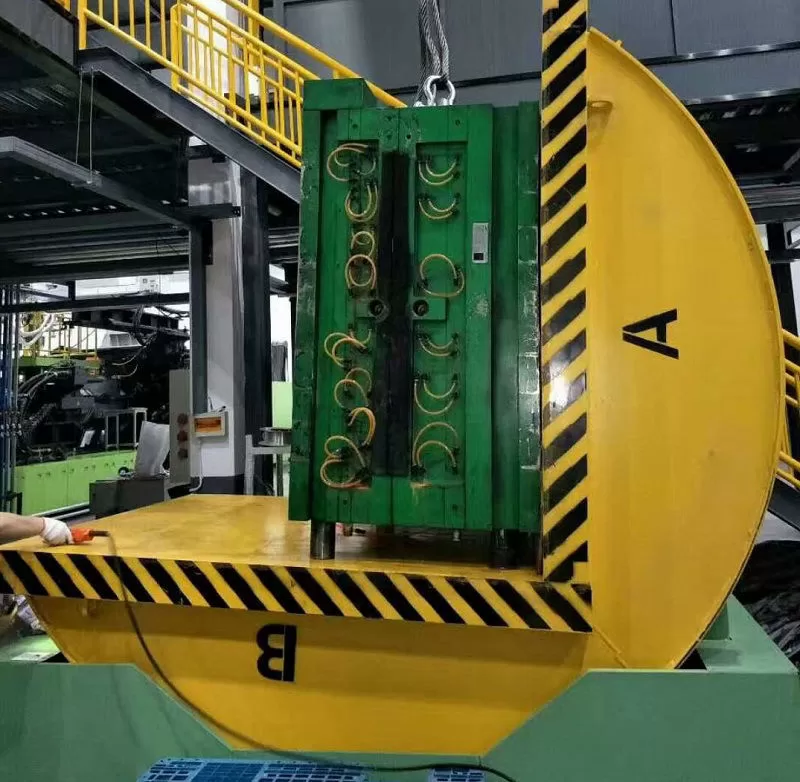
Dive Deeper: The Critical Role of Ergonomics and Safety
Manual mold handling poses significant ergonomic risks to workers. Lifting, pushing, and pulling heavy molds can lead to musculoskeletal disorders, back injuries, and other debilitating conditions. Furthermore, the risk of accidents involving dropped or mishandled molds is a constant concern in busy manufacturing environments. Let's analyze these considerations:
Ergonomic Considerations
Manual mold handling often requires awkward postures and repetitive motions. Workers may need to bend, twist, and reach to lift or position molds, placing excessive strain on their backs, shoulders, and other joints. Over time, these repetitive actions can lead to chronic pain and injuries.
Safety Considerations
Molds can weigh hundreds or even thousands of pounds. If a mold is dropped or mishandled, it can cause serious injuries to workers or damage to equipment. The risk of accidents is particularly high during mold changeovers, when molds are frequently moved and repositioned.
The Impact of Custom Mold Upenders
Custom mold upenders offer a safer and more ergonomic alternative to manual mold handling. By automating the flipping and positioning of molds, upenders reduce the need for workers to perform physically demanding tasks. This can significantly reduce the risk of injuries and improve worker morale.
Consider the following comparison of manual vs automated mold handling:
| Feature | Manual Mold Handling | Automated Mold Handling (with Upenders) |
|---|---|---|
| Ergonomics | High risk of musculoskeletal disorders | Reduced physical strain and risk of injury |
| Safety | High risk of accidents involving dropped or mishandled molds | Minimized risk of accidents due to automated handling |
| Labor Requirements | Multiple technicians required | Reduced labor requirements |
| Time Efficiency | Time-consuming process | Accelerated mold changeovers and maintenance |
| Consistency | Subject to human error | Consistent and reliable performance |
| Long Term Costs | High worker's compensation claims | Lower long term operational costs |
By investing in custom mold upenders, plastic manufacturing facilities can create a safer, more ergonomic work environment while also improving efficiency and reducing costs. It's a win-win situation for both workers and the company's bottom line. Further investigation into safety standards and regulations specific to mold handling can ensure comprehensive risk mitigation.
Reducing Downtime with Efficient Mold Changeovers
Mold changeovers are a necessary part of plastic manufacturing, but they can also be a major source of downtime. The faster and more efficiently you can change molds, the more time you have for production. Custom mold upenders can significantly reduce mold changeover times, allowing you to maximize your production capacity.
Custom mold upenders are crucial for minimizing downtime during mold changeovers in plastic manufacturing. They streamline the process by providing a safe and efficient way to flip, position, and secure molds, significantly reducing the time required for mold swaps and allowing for more continuous production.
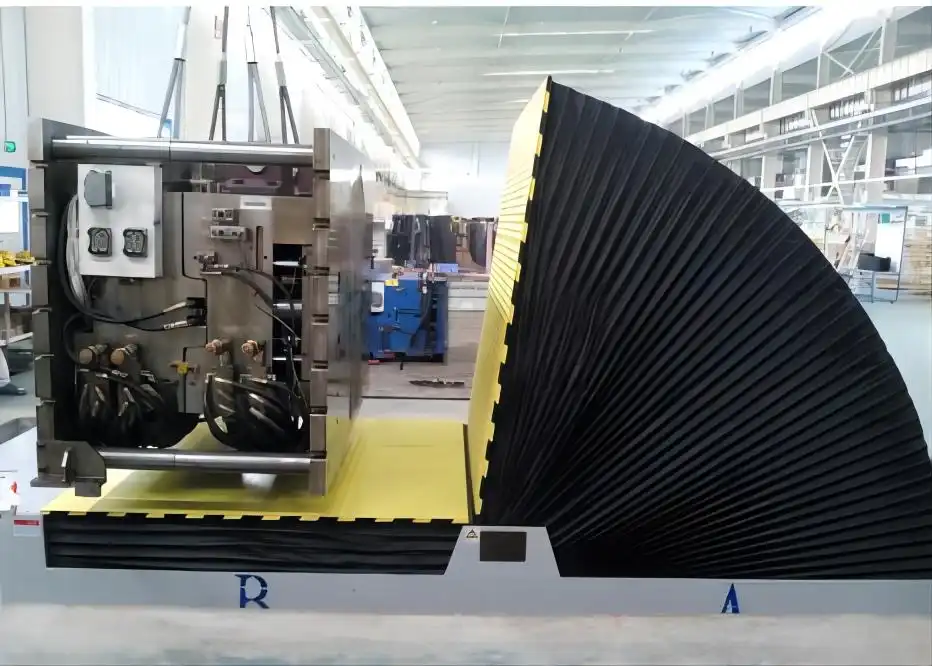
Exploring the Technical Specifications of a Mold Upender
- Faster turnaround of mold maintenance & repair
- Reduce mold damage by careful handling & positioning
- Easy mold changeover with fast operation
Custom mold upenders aren't just about speed; they also offer precise control and positioning. This is crucial for ensuring that molds are properly aligned and secured during changeovers. Let's consider some crucial specifications:
| Specification | Description | Importance |
|---|---|---|
| Load Capacity | The maximum weight that the upender can safely handle. | Ensures the upender can accommodate the range of mold sizes and weights used in the facility. |
| Tilting Angle | The range of angles through which the upender can rotate the mold. | Determines the versatility of the upender for different mold handling tasks. |
| Table Size | The dimensions of the platform that supports the mold. | Must be large enough to accommodate the largest molds used in the facility. |
| Control System | The type of controls used to operate the upender (e.g., push-button, PLC). | Determines the ease of use and precision of the upender. |
| Safety Features | Features such as emergency stop buttons, safety interlocks, and overload protection. | Ensures the safe operation of the upender and protects workers from injury. |
| Power Requirements | The electrical power required to operate the upender. | Must be compatible with the facility's electrical infrastructure. |
| Footprint | The amount of floor space occupied by the upender. | Important for optimizing the layout of the manufacturing facility. |
| Rotation Speed | The speed at which the mold rotates from one position to the other. | Dictates the overall speed and efficiency of the mold handling process. |
By carefully considering these technical specifications, plastic manufacturing facilities can select custom mold upenders that are perfectly suited to their needs.
Enhancing Safety and Reducing Labor Costs
Safety is paramount in any manufacturing environment. Manual mold handling is inherently dangerous, with the risk of accidents and injuries always present. Custom mold upenders offer a safer alternative, reducing the need for manual labor and minimizing the risk of accidents. This directly translates into lower labor costs and reduced worker's compensation claims.
Custom mold upenders improve safety and reduce labor costs in plastic manufacturing by automating mold handling, minimizing the need for manual lifting and maneuvering, and reducing the risk of accidents and injuries. This results in a safer work environment and lower overall operational expenses.
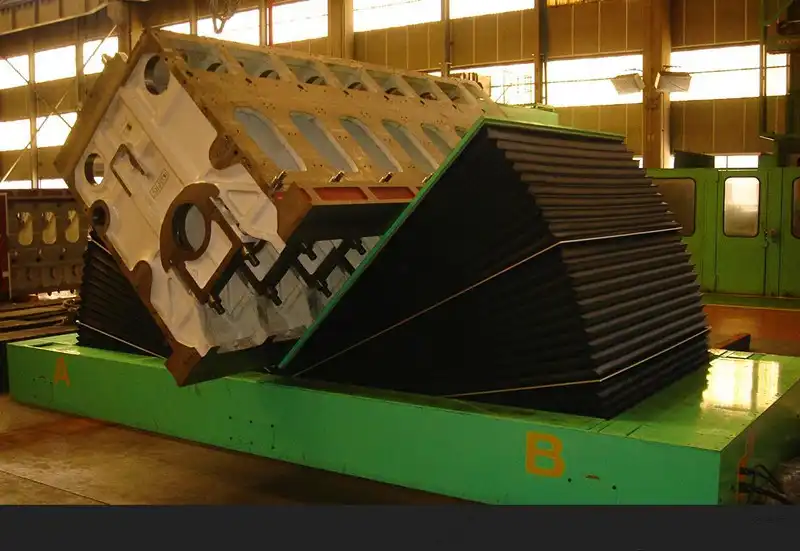
Integrating Custom Mold Upenders with Industry 4.0 Principles
As mentioned in the introduction, integrating Industry 4.0 principles, specifically increased automation, can vastly improve labor productivity and shop-floor safety in plastic manufacturing, which ultimately translates into higher profits.
- Data-Driven Optimization: Real-time data from sensors on the upender can be used to monitor mold handling performance, identify bottlenecks, and optimize processes.
- Predictive Maintenance: Analyzing data on upender usage and performance can help predict potential maintenance needs, allowing for proactive maintenance and preventing costly downtime.
- Remote Monitoring and Control: With remote access capabilities, managers can monitor upender performance and control operations from anywhere in the world, ensuring continuous operation and quick response to any issues.
The implementation of Industry 4.0 principles, combined with the tangible benefits of custom mold upenders, presents a compelling case for modernization and increased efficiency in plastic manufacturing.
| Feature | Manual Handling | Automated Upender | Industry 4.0 Integration |
|---|---|---|---|
| Data Collection | Minimal; typically based on manual logs | Sensors track usage, weight, cycle times | Real-time data on performance, predictive analytics |
| Connectivity | Isolated processes | Integrated with control systems | IoT-enabled for remote monitoring & control |
| Optimization | Limited to manual adjustments | Controlled parameters for speed & precision | AI-driven optimization based on historical data |
| Maintenance | Reactive; fix after failure | Scheduled based on usage | Predictive maintenance based on real-time data |
| Human Error | High dependency leading to variability | Minimized through automation | Further reduced through automated alerts & corrections |
| Training/Skill Needs | Extensive training for complex operations | Basic operational training | Enhanced skills for data analysis & system oversight |
| Safety | High risk; prone to accidents | Significantly reduced due to automation | Smart safety features using sensor data |
Ultimately, the adoption of Industry 4.0 principles alongside mold upenders is more than just upgrading equipment—it's about a holistic transformation of the manufacturing process.
Case Studies: Real-World Examples of Increased Output
The benefits of custom mold upenders are not just theoretical. Numerous plastic manufacturing facilities have experienced significant increases in production output after implementing these systems. Here are a few real-world examples:
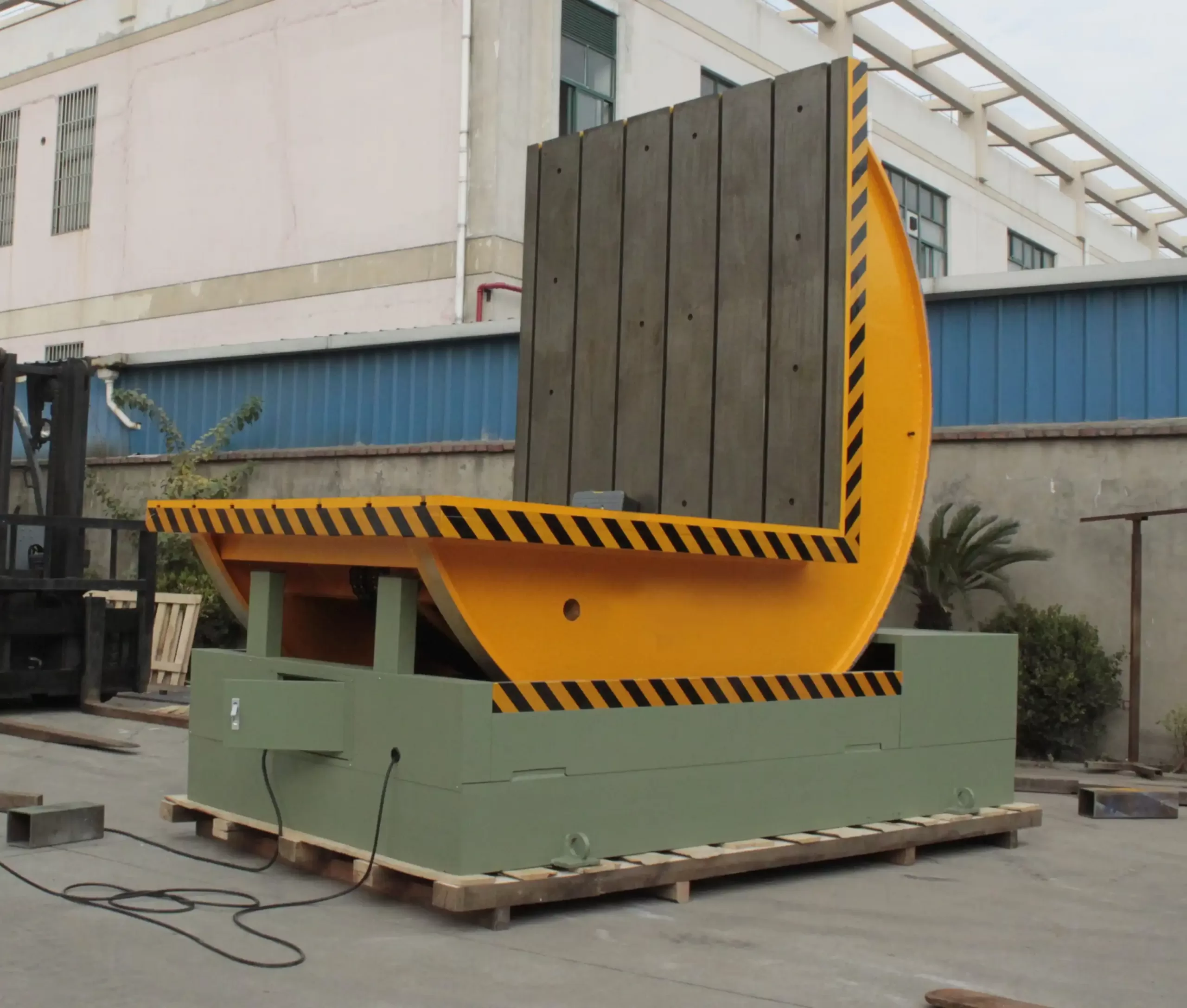
One facility reported a doubling of production output after installing custom mold upenders. This increase was attributed to faster mold changeovers, reduced downtime, and improved worker safety. Another facility saw a 40% reduction in labor costs after automating their mold handling process. This reduction was due to the elimination of manual lifting and maneuvering, which allowed them to reassign workers to more productive tasks. Finally, a third facility experienced a 50% reduction in worker's compensation claims after implementing custom mold upenders. This reduction was due to the improved safety of the mold handling process, which minimized the risk of accidents and injuries.
These case studies demonstrate the tangible benefits of custom mold upenders for plastic manufacturing facilities. By automating mold handling, these systems can significantly increase production output, reduce labor costs, and improve worker safety. The benefits are clear: custom mold upenders are a worthwhile investment for any plastic manufacturing facility looking to improve its bottom line.
In conclusion, custom mold upenders are revolutionizing the plastic manufacturing industry by offering a safer, more efficient, and cost-effective way to handle heavy molds.