
Why Should You Invest in a High-Quality Coil Wrapping Machine?
Are you tired of inconsistent coil packaging that leads to product damage and customer dissatisfaction? Imagine a streamlined operation where every coil is perfectly wrapped, secure, and ready for transport. Investing in a high-quality coil wrapping machine isn't just an expense; it's a strategic move to solve packaging headaches, boost efficiency, and protect your bottom line.
Investing in a high-quality coil wrapping machine is a smart move because it delivers consistent, efficient, and cost-effective packaging solutions. These machines minimize material waste, reduce labor costs, enhance product protection, and ultimately provide a strong return on investment through increased productivity and customer satisfaction. This initial investment quickly pays for itself by streamlining operations and significantly improving your packaging process.
Ready to revolutionize your coil packaging and see tangible improvements in your production line? Let's delve into the compelling reasons why a high-quality coil wrapping machine is an investment you can't afford to ignore.
What are the Initial and Ongoing Costs of a Coil Wrapping Machine?
Considering a coil wrapping machine often starts with a crucial question: What's the real cost? It's more than just the purchase price; understanding both initial and ongoing expenses is key to making a sound investment decision.
The initial costs of a coil wrapping machine include the purchase price, installation, and operator training. Ongoing costs encompass maintenance, replacement parts, and energy consumption. While the upfront investment can seem significant, a detailed breakdown reveals that these costs are offset by long-term gains in efficiency and reduced operational expenses. Planning for both initial and ongoing costs ensures a clear understanding of the total financial impact and facilitates accurate ROI calculation.
%[keywords]
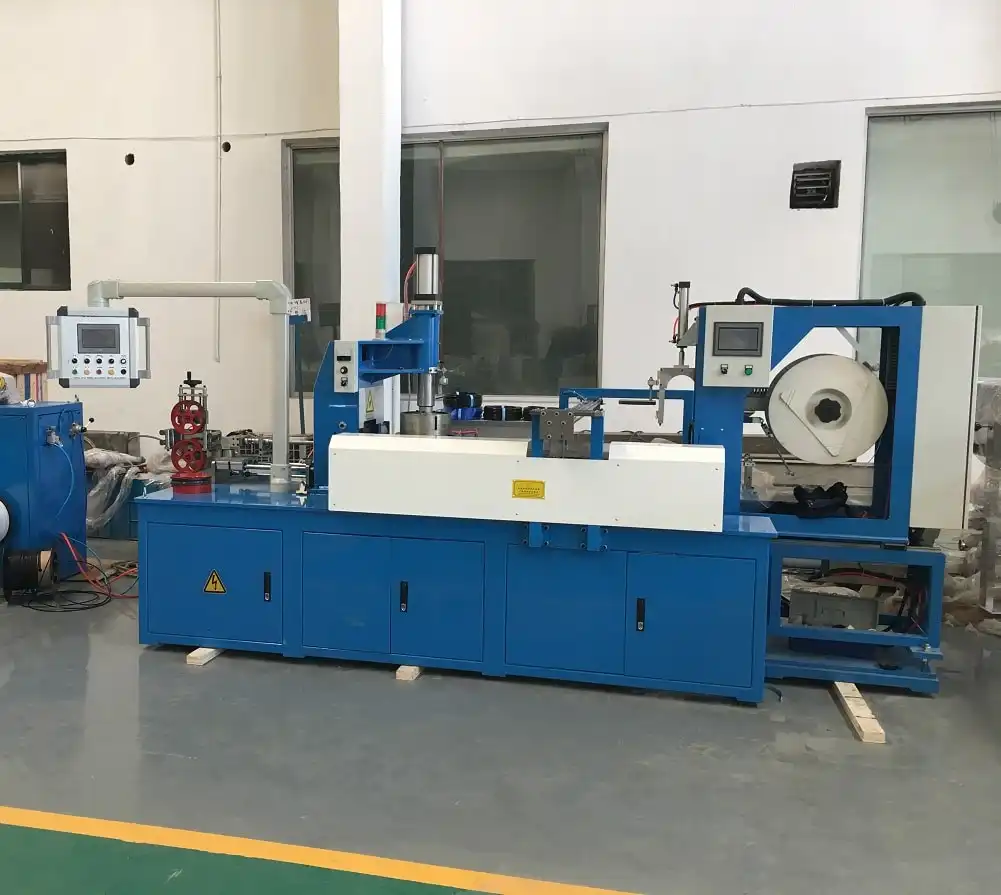
Delving Deeper into Cost Components: A Detailed Breakdown
To truly assess the financial implications, let's dissect the costs associated with coil wrapping machines. It's not simply about the sticker price; a comprehensive view includes various direct and indirect expenses that contribute to the total cost of ownership. By understanding each component, businesses can make informed decisions and budget effectively for this technology.
Initial Investment: More Than Just the Price Tag
The initial investment is typically the most visible cost. However, it's crucial to recognize that it comprises several elements beyond the machine's base price.
- Purchase Price: This is influenced by factors such as the machine's level of automation, capacity, and technological sophistication. Higher automation and advanced features generally correlate with a higher purchase price.
- Installation Costs: Proper installation is critical for optimal performance and longevity. This involves not just physically placing the machine but also integrating it into your existing production line, which may require expert technicians and potentially modifications to your facility layout.
- Training Expenses: Investing in thorough operator training is essential. Proficient operators ensure efficient machine utilization, minimize errors, and contribute to overall productivity gains. Training costs can include on-site training, specialized courses, and the time investment of your staff.
Ongoing Operational Expenses: Planning for the Long Term
Beyond the initial outlay, ongoing operational costs are crucial for the long-term financial analysis of a coil wrapping machine. These recurring expenses impact the machine's profitability and should be carefully considered.
- Maintenance Costs: Regular maintenance is vital for preventing breakdowns, ensuring smooth operation, and extending the machine's lifespan. Maintenance can be preventative (scheduled servicing) or reactive (repairs due to unexpected issues). A well-maintained machine minimizes downtime and maximizes productivity.
- Replacement Parts: Wear and tear are inevitable in industrial machinery. Budgeting for replacement parts, such as belts, rollers, or sensors, is necessary to maintain continuous operation. The frequency of replacements depends on usage intensity and the quality of components.
- Energy Consumption: Coil wrapping machines consume electricity to operate. Energy costs depend on the machine's power requirements, usage frequency, and local energy rates. Energy-efficient models can contribute to lower operational costs over time.
Hidden and Indirect Costs: Considering the Unseen
Beyond the direct costs, several indirect or "hidden" costs can impact the overall financial picture. Failing to account for these can lead to inaccurate ROI calculations and unexpected expenses.
- Downtime Costs: Machine downtime, whether due to breakdowns or maintenance, translates directly to lost production time. The cost of downtime includes lost output, potential delays in order fulfillment, and labor costs for idle workers. High-quality machines with robust construction and reliable components minimize downtime, thereby reducing these indirect costs.
- Material Waste Costs: Inefficient wrapping processes can lead to excessive material usage and waste. High-quality coil wrapping machines are designed for optimized material consumption, minimizing waste and reducing material costs. This efficiency contributes to both cost savings and environmental sustainability.
- Labor Costs (Indirect): While automation reduces direct labor costs, there are still indirect labor costs to consider. These include the time spent by maintenance personnel, supervisors overseeing the operation, and management involved in planning and optimization. However, compared to manual wrapping, the overall labor cost is significantly lower with automated systems.
By meticulously analyzing both the initial and ongoing costs, including the often-overlooked indirect expenses, businesses can develop a comprehensive understanding of the financial commitment associated with a coil wrapping machine. This detailed analysis is crucial for accurate ROI calculations and for making informed investment decisions that align with long-term financial goals.
| Cost Factor | Description | Potential Impact |
|---|---|---|
| Purchase Price | Varies based on machine complexity, capacity, and manufacturer. | Major initial financial outlay. |
| Installation Costs | Setting up the machine, requiring specialized expertise. | Upfront investment, can vary based on complexity of integration. |
| Training Expenses | Ensuring operators are proficient in machine handling. | Contributes to efficient operation and minimizes errors. |
| Maintenance Costs | Periodic servicing and potential repairs for optimal performance. | Ensures longevity and consistent performance, impacts long-term operational budget. |
| Replacement Parts | Necessary due to wear and tear, crucial for uninterrupted operation. | Depends on usage frequency and machine quality, affects ongoing maintenance costs. |
| Downtime Costs | Losses due to machine malfunction and production halts. | Significant indirect cost, minimized by reliable, high-quality machines. |
| Material Waste | Inefficient wrapping leads to excess material usage. | Impacts material costs, high-quality machines optimize material usage. |
| Energy Consumption | Electricity required for machine operation. | Ongoing operational expense, energy-efficient models reduce this cost. |
What Benefits Does a Coil Wrapping Machine Offer in Production?
Are production bottlenecks and inconsistent packaging slowing you down? Imagine boosting your output while simultaneously enhancing package quality and reducing material waste. A coil wrapping machine isn't just about automation; it's about unlocking a cascade of production benefits that directly impact your bottom line.
A coil wrapping machine significantly boosts production efficiency by automating the wrapping process, leading to faster throughput and reduced labor costs. It ensures consistent and high-quality packaging, minimizing product damage during transit and improving customer satisfaction. Furthermore, optimized material usage translates to substantial cost savings and a reduced environmental footprint. These benefits collectively contribute to a stronger ROI and a more competitive operation.
%[keywords]
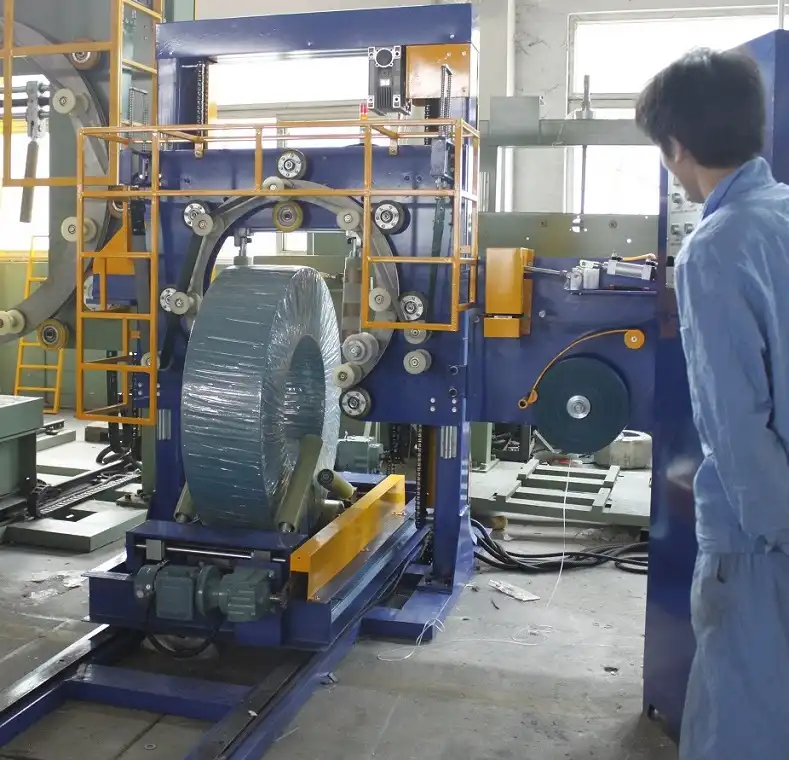
Unpacking the Advantages: Efficiency, Savings, and Quality
The benefits of a coil wrapping machine extend far beyond simple automation. These machines offer a multifaceted approach to improving production, impacting everything from operational speed to product integrity and cost management. Let's dissect the core advantages in detail.
Enhanced Operational Efficiency: Speed and Throughput
One of the most immediate and noticeable benefits is the dramatic improvement in operational efficiency. Automated coil wrapping machines operate at speeds far exceeding manual wrapping methods, significantly increasing throughput and reducing production time.
- Increased Wrapping Speed: Machines can wrap coils much faster than manual labor, often doubling or tripling the wrapping speed. This directly translates to higher production output and the ability to meet tighter deadlines.
- Reduced Labor Dependency: Automation reduces reliance on manual labor for wrapping tasks. This frees up personnel for other critical tasks, alleviates labor shortages, and reduces labor costs associated with repetitive manual work.
- Consistent and Reliable Operation: Machines operate consistently without fatigue or variations in performance. This ensures a predictable and reliable wrapping process, minimizing delays and disruptions caused by human error or inconsistent manual wrapping.
- 24/7 Operation Capability: Automated machines can operate continuously, including during off-shift hours, maximizing production capacity and responsiveness to fluctuating demand. This round-the-clock capability is particularly valuable for high-volume operations.
Significant Cost Savings: Material and Labor Optimization
Beyond efficiency gains, coil wrapping machines deliver substantial cost savings across multiple areas of operation. These savings contribute directly to a faster ROI and improved profitability.
- Reduced Material Waste: Precise tension control and optimized wrapping programs minimize material usage compared to manual wrapping. This reduction in material waste translates to significant cost savings on wrapping film or paper over time.
- Lower Labor Costs: Automating the wrapping process reduces the need for manual labor, leading to direct savings in wages and associated labor expenses. The labor cost savings are particularly pronounced in high-volume operations that previously relied on large manual wrapping teams.
- Minimized Product Damage: Consistent and secure wrapping provided by machines significantly reduces the risk of product damage during handling and transportation. Minimizing damage reduces scrap rates, rework costs, and potential customer returns or claims, all contributing to cost savings.
- Lower Maintenance Costs (Long-Term): While initial maintenance is required, high-quality machines are designed for durability and require less frequent repairs and maintenance compared to lower-quality alternatives or manual wrapping methods that can lead to inconsistent equipment wear and tear over time.
Improved Product Quality and Protection: Ensuring Customer Satisfaction
Coil wrapping machines not only boost efficiency and save costs but also enhance the quality of packaging, leading to better product protection and increased customer satisfaction.
- Consistent Wrapping Quality: Machines deliver uniform and consistent wrapping quality across every coil. This eliminates variations inherent in manual wrapping, ensuring each coil is securely and professionally packaged.
- Enhanced Product Protection: Consistent wrapping provides superior protection against dust, moisture, and physical damage during storage and transit. This ensures products arrive at their destination in pristine condition, enhancing customer satisfaction and reducing the risk of damage-related returns.
- Professional Presentation: Machine-wrapped coils have a clean, professional appearance that enhances brand image and customer perception of product quality. This professional presentation can be a competitive differentiator in the market.
- Improved Customer Satisfaction: Delivering products in perfect condition, thanks to reliable packaging, leads to higher customer satisfaction and loyalty. Satisfied customers are more likely to become repeat customers and recommend your products or services.
By delivering these multifaceted benefits – enhanced efficiency, significant cost savings, and improved product quality – coil wrapping machines prove to be a valuable investment for businesses seeking to optimize their production processes and gain a competitive edge. The quantifiable improvements in these areas contribute to a strong ROI and long-term business success.
| Benefit | Detail | Data/Statistics (Illustrative) |
|---|---|---|
| Improved Efficiency | Automation accelerates the wrapping process. | Reduces wrapping time by up to 50%. |
| Cost Savings | Less material waste and reduced labor costs. | Decreases packaging costs by approximately 20-30%. |
| Enhanced Product Safety | Consistent coil protection minimizes damage during transportation. | 30% fewer damages reported in shipping. |
| ROI and Maintenance | High ROI due to reduced downtime and efficiency gains. | Initial investment recouped within 1-2 years. |
| Consistent Quality | Uniform wrapping across all coils. | Eliminates inconsistencies of manual wrapping. |
| Professional Image | Clean and professional packaging presentation. | Enhances brand perception and customer confidence. |
How to Determine if a Coil Wrapping Machine Suits Your Business Needs?
Faced with numerous packaging options, are you unsure if a coil wrapping machine is the right fit for your operation? Making the right equipment choice is about aligning technology with your specific business goals. Let's cut through the complexity and pinpoint the key factors to consider to determine if a coil wrapping machine is the strategic upgrade your business needs.
To determine if a coil wrapping machine is suitable, assess your production volume, budget constraints, and specific coil packaging needs. Evaluate the potential impact on operational efficiency, cost savings, and return on investment. Consider maintenance requirements and ensure the machine aligns with your long-term business objectives and financial capabilities. A thorough needs assessment will clarify if a coil wrapping machine is the right solution for your business.
%[keywords]
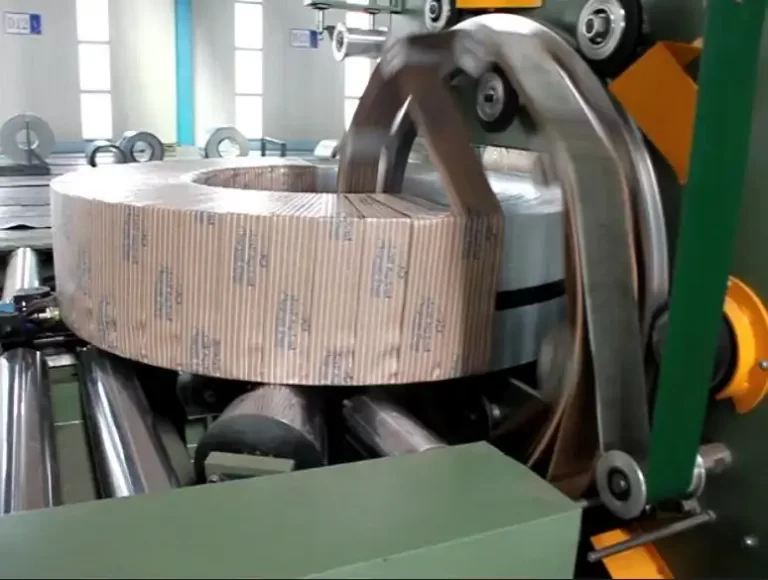
In-depth Assessment: Tailoring the Solution to Your Specific Requirements
Choosing the right coil wrapping machine isn't a one-size-fits-all decision. It requires a careful evaluation of your unique business parameters and packaging demands. A structured assessment, considering key operational and financial factors, will ensure you select a machine that truly meets your needs and delivers optimal performance.
Production Volume and Throughput Demands
Your production volume is a primary determinant of the type and capacity of coil wrapping machine you require. Understanding your current and projected output is crucial for selecting a machine that can handle your workload efficiently.
- Daily/Weekly/Monthly Output: Quantify your current coil wrapping volume. Higher volumes necessitate faster, more automated machines capable of continuous operation. Low-volume operations might find semi-automatic or smaller machines sufficient.
- Future Scalability: Consider your business growth projections. Will your production volume increase in the coming years? If so, choose a machine with sufficient capacity and scalability to accommodate future needs, avoiding premature obsolescence.
- Batch Sizes and Frequency: Analyze your production batch sizes and the frequency of wrapping operations. Large batches may benefit from high-speed continuous wrapping machines. Smaller, more frequent batches might be better suited for flexible, quick-changeover machines.
- Production Line Integration: Evaluate how the coil wrapping machine will integrate with your existing production line. Consider factors like material handling, infeed and outfeed systems, and overall workflow to ensure seamless integration and optimal throughput.
Coil Specifications and Packaging Requirements
The characteristics of your coils and your specific packaging requirements significantly influence machine selection. Different coil types and packaging needs demand different machine capabilities.
- Coil Dimensions (Diameter, Width, Height): Determine the range of coil sizes you need to wrap. Machines have limitations on coil dimensions they can handle. Ensure the selected machine can accommodate your largest and smallest coils.
- Coil Weight: Coil weight is a critical factor, especially for heavy coils. Machines have weight capacity limits. Select a machine designed to handle the maximum weight of your coils safely and effectively.
- Coil Material (Steel, Aluminum, Copper, etc.): Different coil materials may require different wrapping tensions and materials. Ensure the machine is compatible with the materials you are wrapping and offers adjustable tension control if needed.
- Wrapping Material (Stretch Film, Paper, etc.): Specify the type of wrapping material you intend to use. Machines are designed to work with specific materials. Confirm compatibility and optimize material usage based on your needs and sustainability goals.
- Desired Wrap Style and Protection Level: Determine the required wrap style (e.g., full wrap, spiral wrap) and the level of protection needed (e.g., dustproof, waterproof). Different machines offer varying wrapping styles and protection capabilities.
Budget and Return on Investment (ROI) Expectations
Financial considerations are paramount. Establishing a realistic budget and analyzing the potential ROI are essential for justifying the investment in a coil wrapping machine.
- Initial Investment Budget: Define your budget for the initial purchase, installation, and training. Balance your budget constraints with the required machine capabilities and long-term value.
- Operating Cost Budget: Estimate ongoing operating costs, including maintenance, replacement parts, energy consumption, and labor. Factor these costs into your ROI calculations.
- Expected ROI Period: Determine your desired timeframe for recouping the investment. Calculate potential savings from reduced labor, material waste, downtime, and increased efficiency to estimate the ROI period.
- Financing Options: Explore financing options such as leasing or payment plans to manage the initial investment and align payments with expected returns.
Operational and Maintenance Considerations
Long-term operational and maintenance aspects are crucial for ensuring the sustained performance and profitability of your coil wrapping machine.
- Ease of Operation and Training: Choose a machine that is user-friendly and requires minimal training for operators. Simple operation reduces training costs and minimizes the learning curve for new personnel.
- Maintenance Requirements and Schedule: Understand the machine's maintenance requirements and schedule. Select a machine with readily available spare parts and a manufacturer offering reliable technical support and maintenance services.
- Space Requirements and Facility Layout: Assess the machine's footprint and space requirements. Ensure your facility has adequate space and layout to accommodate the machine and integrate it efficiently into your production line.
- Safety Features and Compliance: Prioritize machines with robust safety features and compliance with relevant industry safety standards. Safety is paramount for protecting your workforce and ensuring a safe working environment.
By systematically evaluating these factors – production volume, coil specifications, budget, and operational considerations – businesses can make a well-informed decision on whether a coil wrapping machine is the right investment. This thorough assessment ensures that the chosen machine aligns perfectly with their specific needs, delivering optimal performance, a strong ROI, and long-term operational benefits.
| Factor | Consideration | Impact |
|---|---|---|
| Production Volume | Daily output, demand for wrapped coils. | Determines machine capacity and speed requirements. |
| Budget Constraints | Initial investment, maintenance costs. | Balances cost with potential savings and ROI. |
| Specific Needs | Product dimensions, material types, wrapping requirements. | Dictates machine specifications, customization needs. |
| Operational Efficiency | Long-term impact on workflow, throughput, downtime reduction. | Justifies investment through measurable improvements in productivity and cost savings. |
| Maintenance | Regular servicing, parts replacement, technical support. | Impacts long-term operational costs and machine lifespan. |
| Space & Facility | Machine footprint, integration into existing layout. | Ensures seamless integration and efficient workflow within the facility. |
The Importance of ISO Certification for Coil Wrapping Machine Manufacturers
In today's competitive industrial landscape, quality and reliability are non-negotiable. When investing in machinery as critical as a coil wrapping machine, ensuring you partner with a manufacturer committed to the highest standards is paramount. This is where ISO certification becomes a vital indicator of quality, consistency, and long-term value.
Choosing an ISO-certified coil wrapping machine manufacturer is crucial because it guarantees adherence to internationally recognized quality management systems (QMS). ISO certification, particularly ISO 9001, signifies a manufacturer's commitment to consistent quality, efficient processes, and continuous improvement. This translates to more reliable machines, reduced downtime, enhanced performance, and ultimately, a more secure and beneficial investment for your business.
%[keywords]
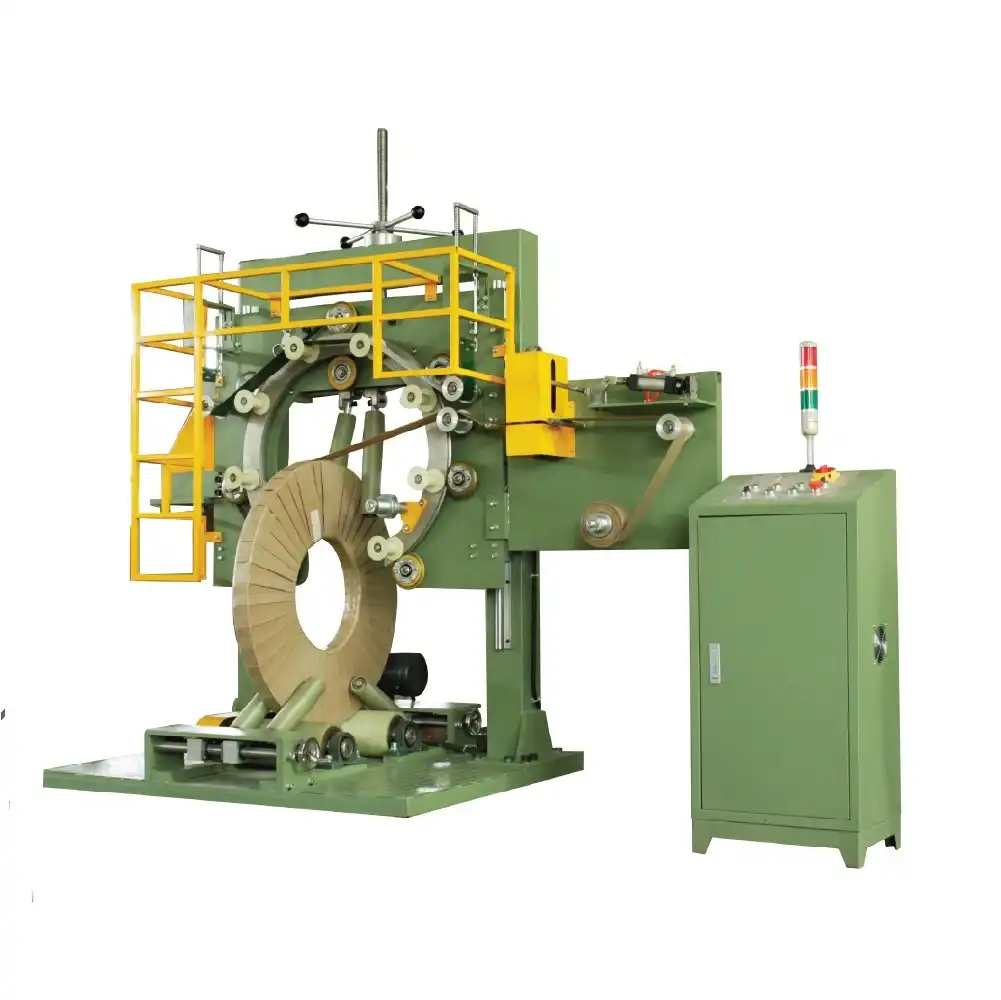
Investing in a coil wrapping machine from an ISO-certified manufacturer offers a multitude of benefits that directly impact your operational efficiency, product quality, and long-term profitability. ISO 9001 certification is not merely a certificate on the wall; it represents a deeply ingrained commitment to quality management throughout the manufacturer's organization.
Unwavering Quality Assurance: The Hallmark of ISO 9001
ISO 9001 certification is the gold standard for quality management systems globally. It's a rigorous framework that dictates how a manufacturer should operate to consistently meet customer and regulatory requirements. For coil wrapping machine manufacturers, ISO 9001 signifies a commitment to quality that permeates every aspect of their operations, from design and production to installation and service.
Consistent Product Quality: Built to Standard, Every Time
ISO 9001 mandates standardized processes across all stages of manufacturing. This standardization minimizes variability and ensures that each coil wrapping machine is built to consistent quality standards. You can expect predictable performance and reliability from every machine, batch after batch.
Reduced Defects and Errors: Proactive Quality Control
ISO 9001 emphasizes proactive quality control measures throughout the production process, not just final inspection. This focus on preventing defects at every stage minimizes errors and reduces the likelihood of machine malfunctions. Fewer defects translate to less rework, reduced downtime, and higher overall equipment effectiveness.
Enhanced Machine Performance: Continuous Improvement Driven
ISO-certified manufacturers are committed to continuous improvement, a core principle of ISO 9001. This commitment drives them to constantly evaluate and optimize their processes, leading to better machine designs, improved functionality, and enhanced overall performance of their coil wrapping equipment. You benefit from machines that are not only well-built but also continuously refined for optimal performance.
Enhanced Reliability and Durability: Long-Lasting Investment
Quality materials, meticulous manufacturing processes, and thorough testing are hallmarks of ISO 9001 certified manufacturers. These practices contribute to machines that are inherently more reliable and durable. You can expect a longer operational lifespan, reduced risk of breakdowns, and a more robust return on your investment.
Streamlined Operations: Efficiency by Design
Consistent machine performance and reduced downtime, resulting from ISO 9001 quality assurance, contribute to smoother, more streamlined packaging operations. Your production line experiences fewer disruptions, leading to improved overall efficiency and throughput. This operational smoothness translates to higher productivity and faster order fulfillment.
Minimized Risk of Non-Compliance: Meeting Industry Standards
While ISO 9001 is a quality management standard, its systematic approach often aligns with and supports compliance with other relevant industry regulations and standards. ISO certification demonstrates a manufacturer's commitment to structured processes and documentation, which are often prerequisites for meeting industry-specific safety and regulatory requirements. While not a direct compliance certification, ISO 9001 provides a strong foundation for broader regulatory adherence.
By choosing an ISO-certified coil wrapping machine manufacturer, you are investing in more than just a machine; you are investing in a commitment to quality, reliability, and continuous improvement. The tangible benefits of ISO 9001 certification translate directly into superior machine performance, reduced operational risks, and a more secure and profitable investment for your business.
Conclusion
Investing in a high-quality coil wrapping machine is a strategic decision that yields substantial returns. From streamlining operations and reducing costs to enhancing product protection and ensuring consistent quality, the benefits are clear and compelling. By carefully considering your needs, evaluating machine features, and prioritizing quality—especially through ISO-certified manufacturers—you can make an investment that significantly strengthens your packaging process and contributes to long-term business success. Embrace [Investment] in quality, and wrap your coils with confidence for a more efficient and profitable future.