
Why Is Automation Key for Coil Packing Systems?
Are you tired of bottlenecks in your coil packing process slowing down your production line? Do you struggle with inconsistent packaging quality and rising labor costs? The solution isn't wishful thinking; it's automation. Imagine a coil packing system that operates at peak efficiency, reduces material waste, and ensures every coil is perfectly packed, every time.
Automation is key for coil packing systems because it dramatically increases productivity, reduces labor costs, enhances packaging consistency and quality, optimizes material usage, and improves overall operational efficiency. By integrating automated solutions, manufacturers can achieve a significant competitive advantage in today's fast-paced market.
In the following sections, we'll unpack the critical reasons why automation is not just beneficial, but essential for modern coil packing systems, ensuring your operations are streamlined, cost-effective, and future-proof. Keep reading to discover how automation can revolutionize your coil packing process.
Boosting Productivity and Reducing Labor Costs
In today's demanding manufacturing landscape, maximizing productivity while minimizing costs is paramount. Automated coil packing systems are revolutionizing operations by directly addressing these critical needs. They offer a pathway to significantly higher throughput and a substantial reduction in reliance on manual labor, transforming how coil manufacturers approach packaging.
Automated coil packing lines are crucial for boosting productivity and reducing labor costs due to their high-speed operation, continuous workflow capabilities, and labor optimization. These systems can pack coils at rates far exceeding manual methods, operate consistently without breaks, and free up human resources for more value-added tasks, leading to significant efficiency gains and cost savings.
%[keywords]
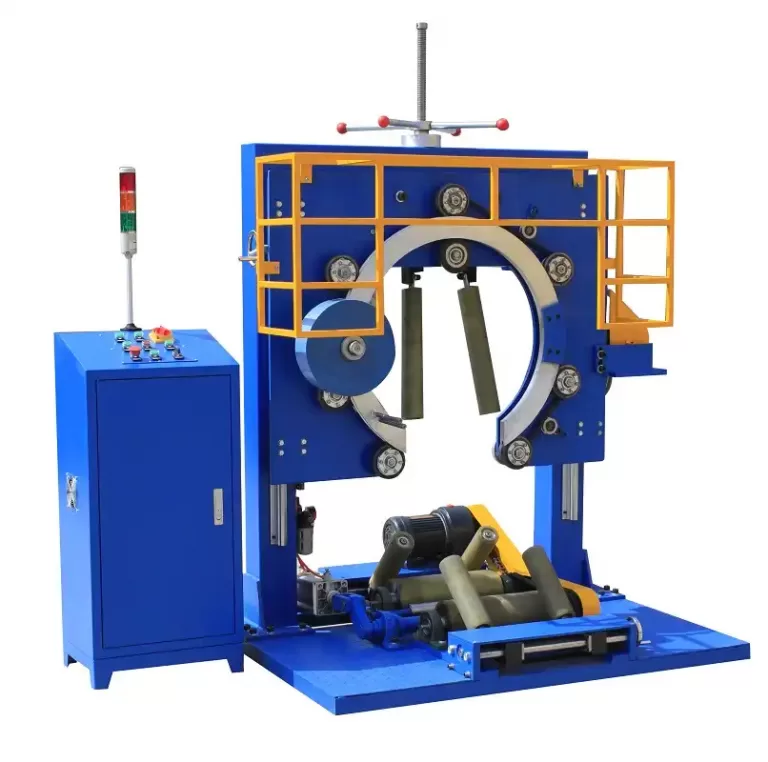
Dive Deeper into Productivity Gains
The advantages of automation in coil packing extend far beyond simple speed increases. To truly understand the impact, it's crucial to dissect the specific ways automation enhances productivity and reduces labor dependency.
High-Speed Precision vs. Manual Labor
Manual coil packing is inherently limited by human speed and endurance. Operators can only maintain a certain pace before fatigue sets in, leading to slower packing times and potential errors. Automated systems, on the other hand, are designed for continuous, high-speed operation.
Consider this comparison:
| Feature | Manual Coil Packing | Automated Coil Packing |
|---|---|---|
| Packing Speed | 1-2 coils per hour per operator | 15-30+ coils per hour per line |
| Labor Requirement | Multiple operators per shift | 1-2 supervisors per line |
| Error Rate | Higher, due to fatigue and inconsistency | Lower, due to precision and consistency |
| Workflow Continuity | Subject to breaks and shift changes | Continuous operation possible |
| Material Waste | Potentially higher due to manual cutting | Optimized material usage, less waste |
As the table illustrates, automated systems offer a quantum leap in packing speed. A single automated line can often outperform an entire team of manual packers, significantly increasing throughput.
The Value of Continuous Workflow
Manual packing processes are inevitably interrupted. Breaks, shift changes, and variations in operator performance all contribute to downtime. Automated systems, however, can maintain a near-continuous workflow. With minimal need for breaks and consistent operation, downtime is drastically reduced, leading to higher overall output and better utilization of production line capacity. This continuous operation is especially critical during peak demand periods when maximizing output is essential.
Strategic Labor Optimization
The reduction in labor costs is a direct and obvious benefit of automation. However, the strategic optimization of labor resources is equally important. By automating repetitive packing tasks, companies can redeploy their workforce to more strategic roles. Instead of packers, employees can be retrained and reassigned to quality control, machine maintenance, process optimization, or other areas that contribute more directly to business growth and innovation. This not only reduces immediate labor costs but also enhances the overall skill level and value of the workforce.
Enhancing Quality Control and Consistency
Beyond speed and cost savings, automated coil packing systems excel in delivering superior quality and consistency. In industries where product integrity and presentation are paramount, automation ensures that every coil meets the highest standards, enhancing brand reputation and customer satisfaction.
Automated coil packing lines enhance quality control and consistency through precision and accuracy in packing, the elimination of human error, and the ability to standardize packaging processes. Advanced sensors and control systems ensure consistent coil positioning, material application, and sealing, resulting in higher quality output, reduced defects, and improved customer satisfaction compared to manual packing methods.
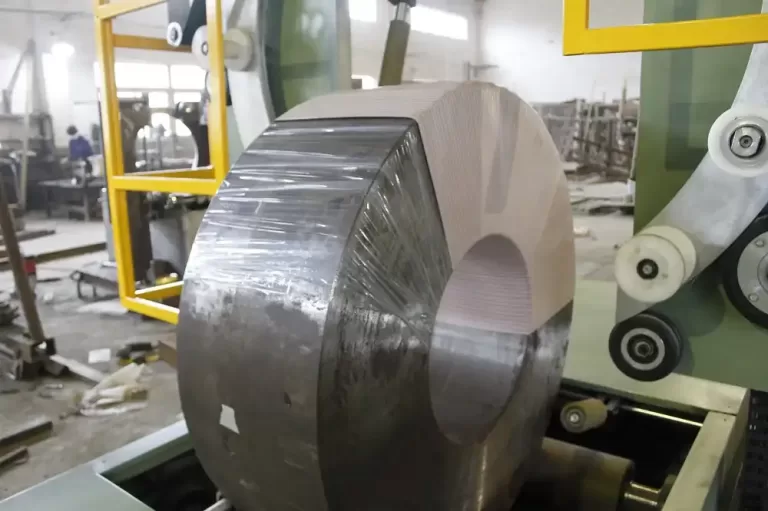
Precision and Accuracy in Every Pack
Manual packing, even with skilled operators, is subject to variations. Inconsistent wrapping tension, uneven material application, and imprecise sealing can lead to inadequately protected coils and a higher risk of damage during transit. Automated systems, equipped with advanced sensors and programmable logic controllers (PLCs), ensure precision and accuracy at every stage of the packing process.
Minimizing Human Error: A Key to Quality
Human error is an inherent factor in manual processes. Fatigue, distractions, and simple mistakes can lead to improperly packed coils. Automated systems, operating on pre-programmed instructions, eliminate the variability of human performance. They consistently execute each packing step with the same degree of precision, minimizing errors and ensuring uniform quality across all packed coils. This consistency translates directly to fewer damaged goods, reduced waste from repackaging, and fewer customer complaints.
Standardized Packaging for Brand Integrity
Brand consistency is crucial for establishing a professional image and building customer trust. Manual packing often results in variations in packaging appearance, which can detract from a company's brand. Automated systems ensure standardized packaging. Every coil is packed using the same settings, materials, and techniques, resulting in a uniform and professional appearance. This standardization reinforces brand identity and ensures that customers receive products that consistently meet expectations in terms of both quality and presentation.
Optimizing Space Utilization and Inventory Management
Efficiency in manufacturing isn't solely about speed and quality; it also encompasses the intelligent use of space and effective inventory control. Automated coil packing systems contribute significantly to these aspects, streamlining operations and freeing up valuable resources.
Automated coil packing lines optimize space utilization and inventory management due to their compact footprint, vertical integration capabilities, and advanced inventory tracking systems. Compared to manual packing stations, automated lines require less floor space, integrate seamlessly with other equipment, and provide real-time inventory data, leading to better space efficiency, streamlined workflows, and improved inventory accuracy.
%[keywords]
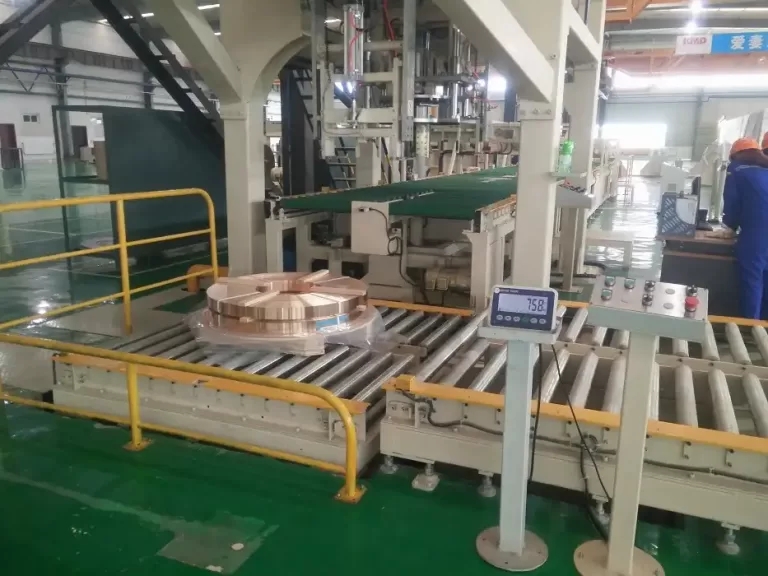
Space Efficiency and Streamlined Workflows
Factory floor space is a valuable asset. Manual packing stations often require significant space to accommodate operators, materials, and in-process inventory. Automated coil packing lines are designed with a compact footprint, maximizing space utilization within the manufacturing facility.
Compact Design for Maximum Space Savings
Automated systems are engineered to perform complex tasks within a minimal area. Compared to sprawling manual packing setups, automated lines are vertically oriented and precisely configured, reducing the overall floor space required for packing operations. This space saving is particularly advantageous for facilities with limited room for expansion or those seeking to optimize existing space for increased production capacity.
Vertical Integration for Seamless Flow
Many modern automated coil packing lines are designed for vertical integration. This means they can be seamlessly connected with upstream and downstream equipment, such as coil slitters, winders, and conveyor systems. This integration creates a continuous, streamlined flow of materials, minimizing bottlenecks and reducing the need for manual material handling between different stages of production. Vertically integrated systems optimize the entire production process, not just the packing stage, leading to significant efficiency gains and reduced operational costs.
Real-Time Inventory Visibility
Effective inventory management is crucial for minimizing holding costs and ensuring timely order fulfillment. Automated coil packing lines can be integrated with advanced inventory tracking and management systems. These systems automatically record and update inventory levels as coils are packed and shipped. This real-time visibility into stock levels provides accurate data for production planning, order management, and supply chain optimization. By improving inventory accuracy and traceability, businesses can reduce inventory discrepancies, optimize stock levels, and enhance overall supply chain efficiency.
| Feature | Manual Packing with Separate Inventory | Automated Packing with Integrated Inventory |
|---|---|---|
| Space Utilization | Higher footprint for packing stations | Compact footprint, optimized space use |
| Workflow Integration | Disjointed, manual material transfer | Seamlessly integrated production flow |
| Inventory Tracking | Manual, prone to errors and delays | Real-time, automated, highly accurate |
| Inventory Accuracy | Lower, due to manual tracking | Higher, automated data capture |
| Operational Efficiency | Lower, due to space and workflow issues | Higher, streamlined and optimized |
Seamless Integration with Existing Systems and Processes
Implementing new technology can be daunting if it disrupts existing operations. However, modern automated coil packing lines are designed for seamless integration, minimizing disruption and maximizing compatibility with current manufacturing ecosystems.
%[keywords]
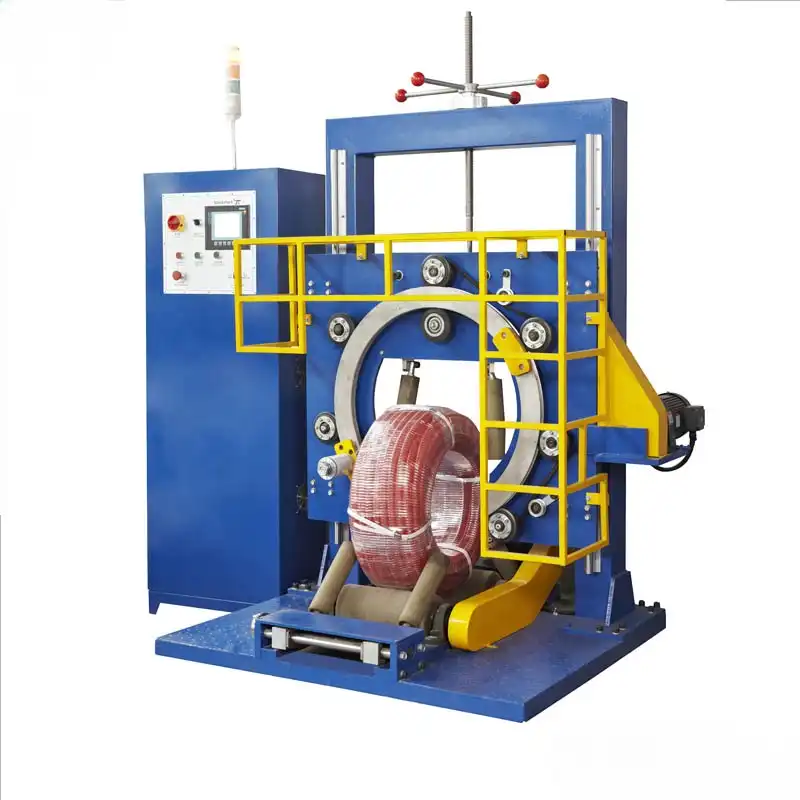
Automated coil packing lines are engineered for seamless integration with existing systems and processes through compatibility with current equipment, flexibility and customization options, and scalability for future needs. A well-designed automation solution should easily connect with coil winding machines, material handling systems, and existing software, minimizing downtime and ensuring a smooth transition to automated packing. This adaptability is key to a successful and efficient implementation.
A crucial aspect of successful automation implementation is ensuring compatibility with existing machinery. Modern automated coil packing lines are designed to interface with a wide range of upstream equipment, such as coil winders, slitters, and conveyor systems. This compatibility minimizes the need for extensive modifications to existing production lines, reducing installation time and costs. Furthermore, many automation providers offer customization options, allowing businesses to tailor the packing line to their specific coil sizes, packing materials, and production layouts. This flexibility ensures that the automated system fits seamlessly into the unique requirements of each manufacturing facility. Finally, scalability is a key consideration for long-term investment. Automated coil packing lines should be modular and expandable, allowing businesses to increase capacity or add new features as their production needs evolve. This future-proofing ensures that the initial investment continues to deliver value and adapt to changing market demands.
Conclusion
In conclusion, automation is no longer an option but a necessity for coil packing systems seeking to thrive in today's competitive environment. From boosting productivity and enhancing quality to optimizing space and ensuring seamless integration, the benefits of automated coil packing are undeniable. By embracing coil packing automation, manufacturers can unlock new levels of efficiency, reduce costs, improve product quality, and gain a significant competitive edge, paving the way for sustained growth and success in the evolving manufacturing landscape.