
Why Is a Coil Wrapping Machine Essential for Efficiency?
Imagine your manufacturing floor, coils of steel, wire, or tubing piling up, waiting for manual wrapping – a slow, labor-intensive bottleneck. Productivity grinds to a halt, costs escalate, and the risk of damage looms large. This operational inefficiency is a common pain point in industries dealing with coil products. But what if there was a solution to drastically cut down on time, labor, and material waste while enhancing product protection?
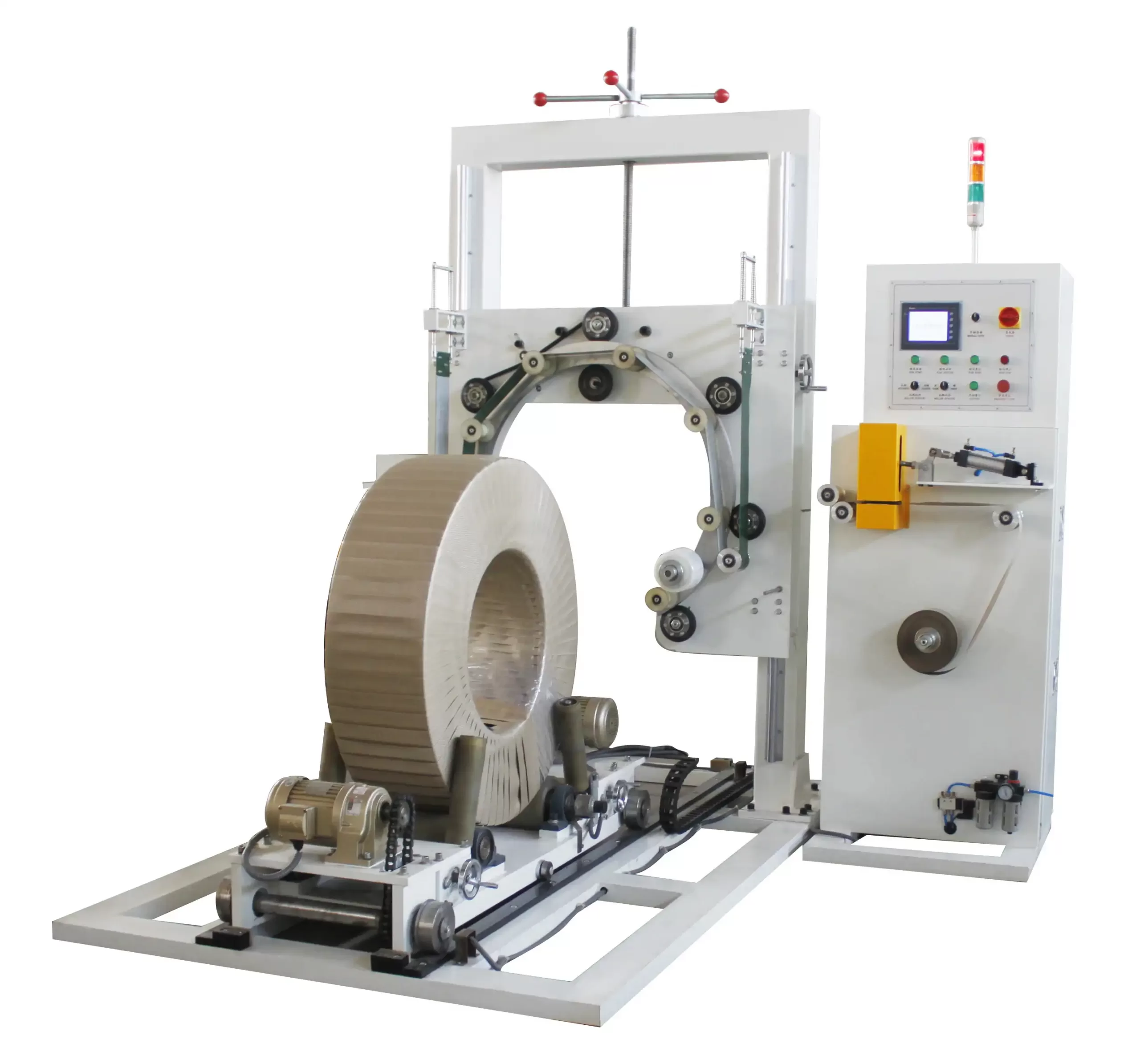
A coil wrapping machine is essential for efficiency because it automates and streamlines the packaging process, significantly reducing manual labor, minimizing material waste, and enhancing product protection. By automating coil loading, wrapping, and sealing, these machines drastically increase throughput, ensure consistent packaging quality, and contribute to substantial cost savings.
This article delves into the indispensable role of coil wrapping machines in modern manufacturing. We'll explore how these automated systems revolutionize coil packaging, driving efficiency gains across operations and solidifying their status as a cornerstone of productivity. Let's unwrap the layers of benefits that make coil wrapping machines a must-have for any industry dealing with coil products.
Streamlining Operations: The Efficiency Imperative
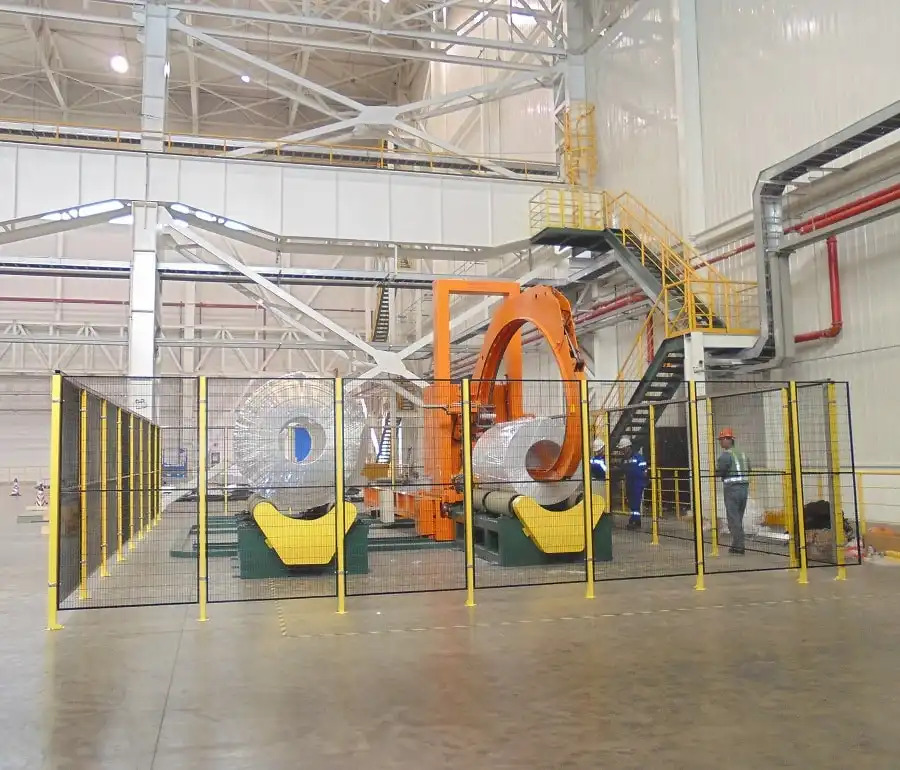
In today's fast-paced manufacturing landscape, operational bottlenecks can cripple productivity and erode profitability. Manually wrapping coils – often heavy and unwieldy – is precisely such a bottleneck. It's slow, demanding on labor, and prone to inconsistencies. The need for speed and precision in packaging has never been greater, pushing industries to seek automated solutions.
Coil wrapping machines are pivotal for streamlining operations by automating the traditionally manual and time-consuming process of coil packaging. These machines integrate seamlessly into production lines, rapidly and consistently wrapping coils of various materials like steel, wire, and plastic. Automation drastically reduces cycle times, minimizes the need for manual intervention, and ensures a uniform packaging standard that is simply unattainable with manual methods, directly translating to significant gains in overall operational efficiency.
Unpacking the Efficiency Gains: A Deeper Dive into Automation
The efficiency gains offered by coil wrapping machines are multifaceted, extending beyond simple speed improvements. To truly appreciate their impact, we need to dissect the key areas where these machines revolutionize coil packaging operations.
Automation: The Core of Efficiency
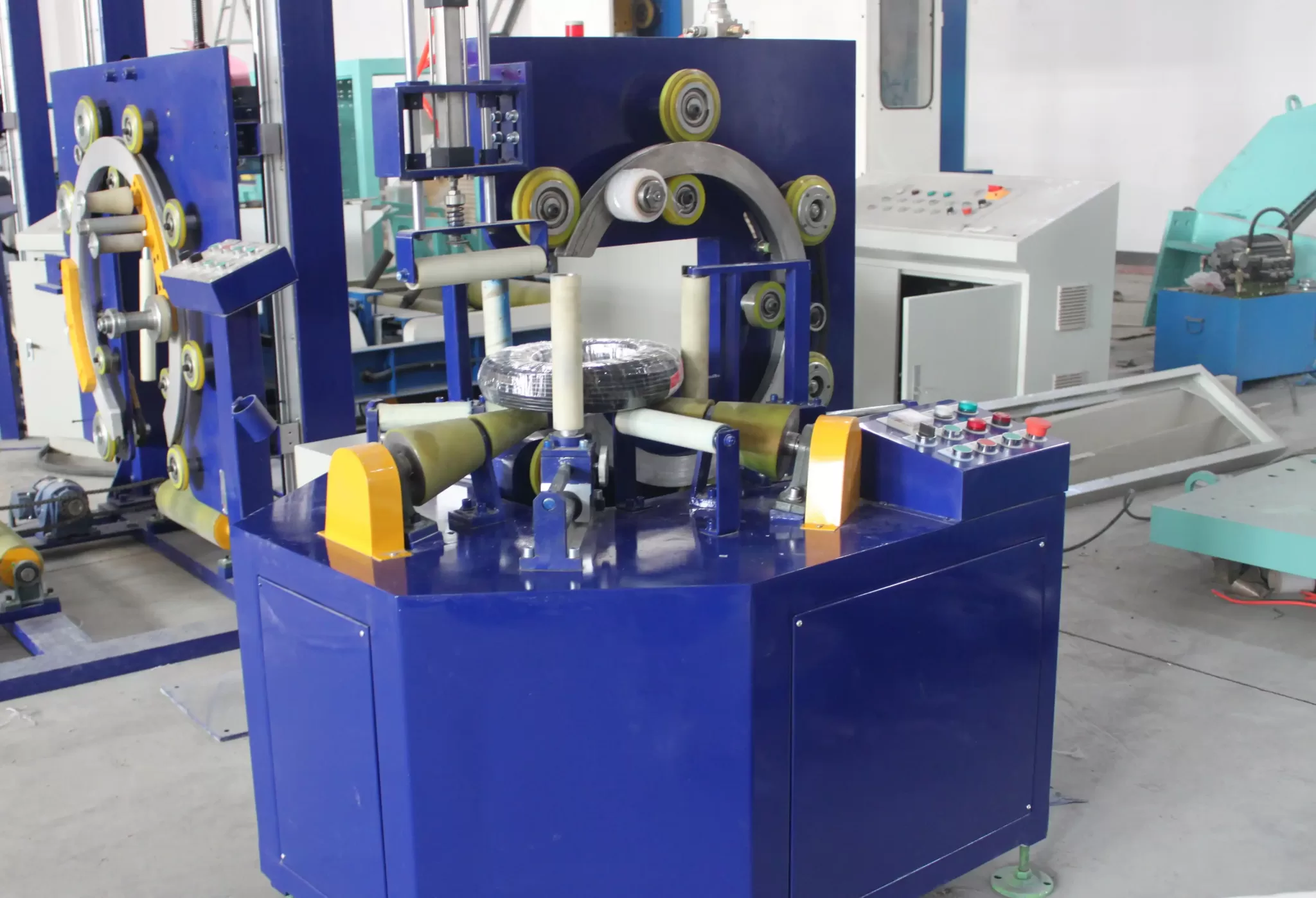
At the heart of a coil wrapping machine's efficiency lies automation. Manual coil wrapping is inherently slow and inconsistent, heavily reliant on operator skill and prone to fatigue-induced errors. Automated systems, however, execute wrapping cycles with speed and precision, shift after shift. This automation manifests in several critical areas:
- Automated Loading and Unloading: Advanced coil wrapping lines often incorporate automated loading and unloading mechanisms. These systems, ranging from conveyors to robotic arms, eliminate manual handling, reducing labor requirements and speeding up throughput.
- Consistent Wrapping Programs: Once programmed, a coil wrapping machine applies wrapping material with unwavering consistency. Parameters like overlap, tension, and number of layers are precisely controlled, ensuring each coil receives identical protection and packaging.
- Integrated Systems: Modern coil wrapping machines are designed for seamless integration into existing production lines. They can be synchronized with upstream and downstream equipment, creating a continuous, automated packaging flow.
Speed and Throughput: Quantifiable Improvements
The speed of coil wrapping machines directly translates to increased throughput and reduced lead times. Compared to manual wrapping, which can take several minutes per coil, automated machines can complete a wrapping cycle in seconds. Consider the quantifiable improvements: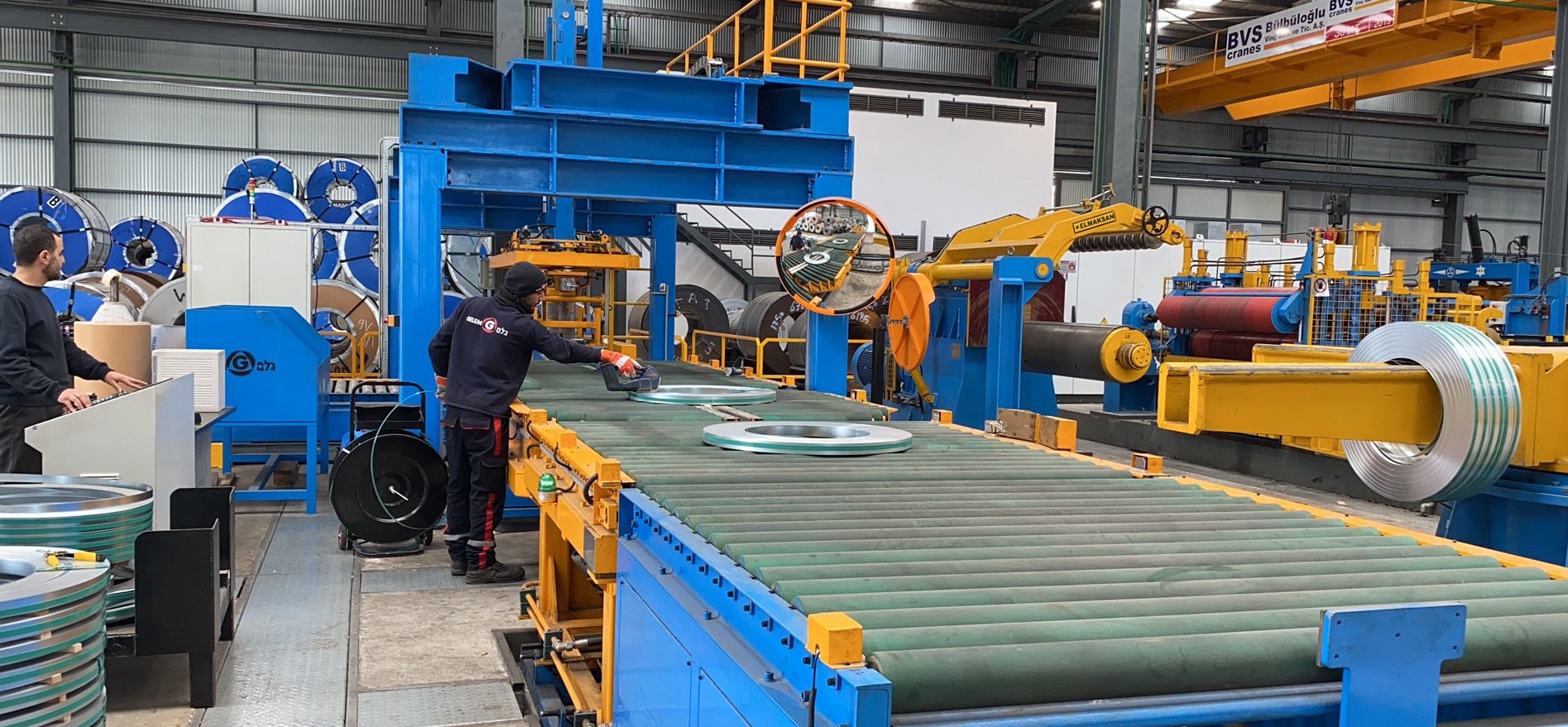 |
Feature | Manual Wrapping | Coil Wrapping Machine | Improvement |
|---|---|---|---|---|
| Wrapping Time per Coil | 5-15 minutes | 15-60 seconds | 5x to 15x faster | |
| Labor per Shift | 2-4 workers | 1 worker (supervision) | 50-75% reduction | |
| Output per Shift | 50-100 coils (estimated) | 300-500+ coils | 3x to 5x increase |
These figures highlight the dramatic increase in speed and throughput achievable with automated coil wrapping. This enhanced productivity is crucial for meeting demanding production schedules and fulfilling customer orders promptly.
Material Optimization: Reducing Waste and Costs
Efficiency isn't just about speed; it also encompasses resource utilization. Coil wrapping machines are engineered to optimize material usage, minimizing waste and driving down packaging costs.
- Precise Tension Control: Advanced tension control systems ensure the wrapping material is applied with the correct force – tight enough for secure packaging but not so tight as to cause tearing or unnecessary material consumption.
- Layered Wrapping Programs: Machines can be programmed to apply the precise number of wrapping layers required for different coil types or shipping conditions, avoiding over-packaging and material waste.
- Automated Cut-off Systems: Automated cutting mechanisms ensure clean and precise material cut-offs at the end of each wrapping cycle, eliminating material wastage associated with manual cutting and tearing.
By optimizing material usage, coil wrapping machines contribute significantly to cost savings and promote more sustainable packaging practices.
Product Protection: Safeguarding Coil Integrity
Beyond efficiency gains, the primary function of coil wrapping is to protect valuable coil products from damage during handling, storage, and transportation. Coils, often made of materials susceptible to corrosion, scratching, or deformation, require robust packaging to maintain their quality and value. Manual wrapping, often inconsistent and lacking in precision, can fall short in providing adequate protection.
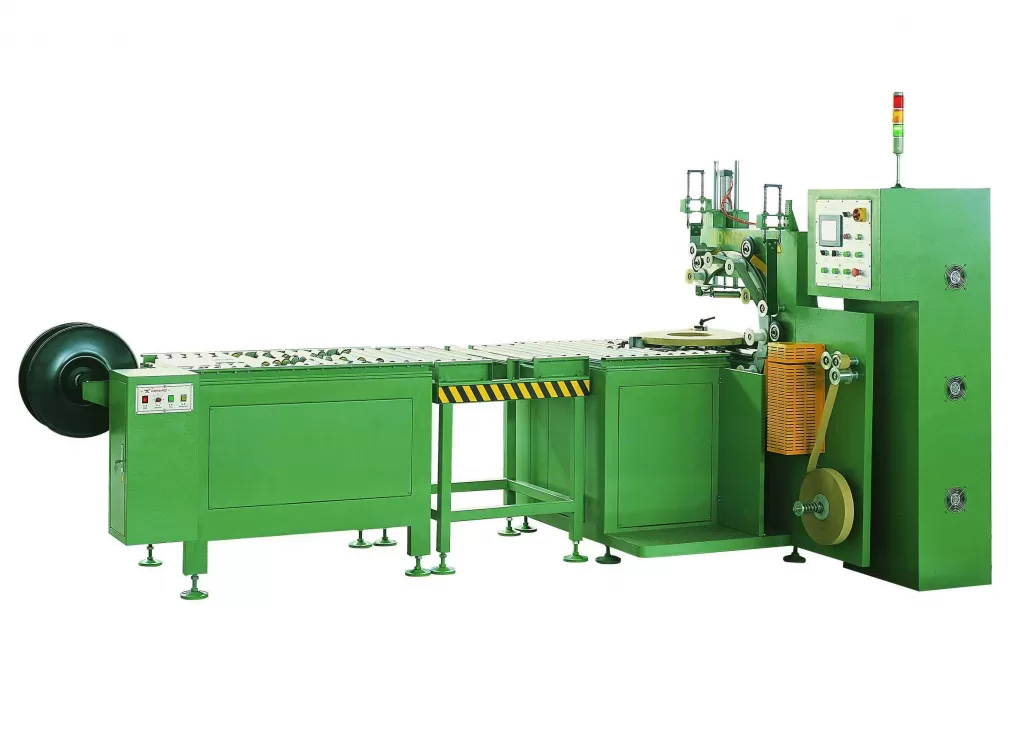
Coil wrapping machines ensure superior product protection by applying consistent and secure wrapping, shielding coils from environmental elements, physical damage, and corrosion. These machines utilize specialized wrapping materials and techniques to create a protective barrier against moisture, dust, scratches, and impacts. By consistently applying the correct tension and layers of wrapping, they minimize the risk of damage during transit and storage, ensuring coils arrive at their destination in pristine condition and safeguarding product integrity.
Layers of Defense: Protection Mechanisms in Coil Wrapping
The protective capabilities of coil wrapping machines are engineered into their design and functionality, providing multiple layers of defense for packaged coils.
Environmental Shielding: Combating Corrosion and Moisture
Coils, particularly those made of steel and aluminum, are vulnerable to corrosion from moisture and humidity. Coil wrapping machines address this threat by:
- Waterproof Wrapping Materials: Machines can utilize waterproof stretch films or specialized barrier films that create a moisture-tight seal around the coil, preventing water ingress and corrosion.
- VCI Films: For long-term storage or shipment in humid environments, machines can apply Volatile Corrosion Inhibitor (VCI) films. These films release corrosion-inhibiting compounds that protect the coil surface from rust and degradation.
- Dust and Debris Barriers: Wrapping provides a physical barrier against dust, dirt, and other contaminants that can damage coil surfaces or compromise their quality.
Physical Damage Prevention: Minimizing Scratches and Impacts
Coils are susceptible to physical damage during handling and transit, including scratches, abrasions, and dents. Coil wrapping machines mitigate these risks through:
- Cushioning Layers: Machines can apply layers of cushioning materials, such as bubble wrap or foam, beneath the outer wrapping to absorb shocks and impacts during transportation.
- Secure Containment: Tight and consistent wrapping firmly secures the coil, preventing it from shifting or unwinding during transit, which can lead to damage.
- Edge Protection: Some machines can incorporate edge protectors or corner boards under the wrapping to safeguard the vulnerable edges of coils from damage.
Consistent and Reliable Protection
The key advantage of machine wrapping over manual methods is consistency. A machine applies wrapping uniformly across every coil, eliminating variations in protection levels. This consistent, reliable protection minimizes the risk of damage-related losses, ensuring product quality and customer satisfaction.
Cost Reduction: The Economic Advantages
While the initial investment in a coil wrapping machine represents a capital expenditure, the long-term economic benefits and cost reductions are substantial. By streamlining operations and enhancing product protection, these machines deliver a compelling return on investment (ROI) and contribute to significant cost savings across multiple areas.
Coil wrapping machines drive significant cost reduction by minimizing labor expenses, optimizing material consumption, and reducing product damage and associated losses. Automation reduces the need for manual labor in packaging, while precise material application minimizes waste. Furthermore, the enhanced protection offered by machine wrapping reduces the incidence of damage during transit and storage, lowering costs related to rework, returns, and replacements. These combined savings contribute to a rapid ROI and long-term profitability improvements.
Unpacking the Cost Savings: A Detailed Economic Analysis
The economic advantages of coil wrapping machines are realized through various cost-saving mechanisms. Let's examine these in detail:
Labor Cost Reduction: Automation's Impact on Personnel Expenses
Manual coil wrapping is labor-intensive, requiring multiple workers per shift. Automating this process with a coil wrapping machine significantly reduces labor requirements. Consider the following comparison:
| Cost Category | Manual Wrapping | Coil Wrapping Machine | Savings Potential |
|---|---|---|---|
| Labor per Machine | 2-4 workers | 1 worker (supervision) | 50-75% reduction |
| Labor Cost per Worker | \$30,000 - \$50,000/year | \$30,000 - \$50,000/year | - |
| Number of Machines | Multiple | Fewer (higher throughput) | - |
The reduction in labor directly translates to lower payroll expenses, freeing up personnel for other tasks and improving overall operational efficiency.
Material Cost Optimization: Minimizing Waste and Consumption
As discussed earlier, coil wrapping machines optimize material usage, reducing waste and consumption. This translates directly to lower material costs:
| Cost Category | Manual Wrapping | Coil Wrapping Machine | Savings Potential |
|---|---|---|---|
| Material Waste | 10-15% (estimated) | 3-5% | 7-10% reduction |
| Material Consumption | Higher | Lower | - |
| Material Cost per Unit | Higher | Lower | - |
A reduction in material waste of even a few percentage points can result in substantial cost savings, especially for high-volume coil packaging operations.
Reduced Product Damage: Minimizing Losses and Rework
The enhanced protection provided by coil wrapping machines minimizes product damage during transit and storage. This reduction in damage translates to significant cost savings by:
- Reducing Rework and Repair: Fewer damaged coils mean less need for costly rework or repair processes.
- Minimizing Returns and Replacements: Reduced damage rates lead to fewer customer returns and the need for product replacements.
- Lowering Scrap and Waste: Minimizing damage reduces the amount of scrap and waste generated from unusable coils.
By preventing damage, coil wrapping machines protect product value and minimize losses associated with damaged goods. The cumulative effect of these cost savings contributes to a rapid ROI and long-term economic advantages.
Ensuring Workplace Safety and Compliance
Beyond efficiency, protection, and cost, coil wrapping machines play a crucial role in enhancing workplace safety and ensuring compliance with industry regulations and safety standards. Manual coil wrapping, especially of heavy and awkwardly shaped coils, can pose significant safety risks to workers.
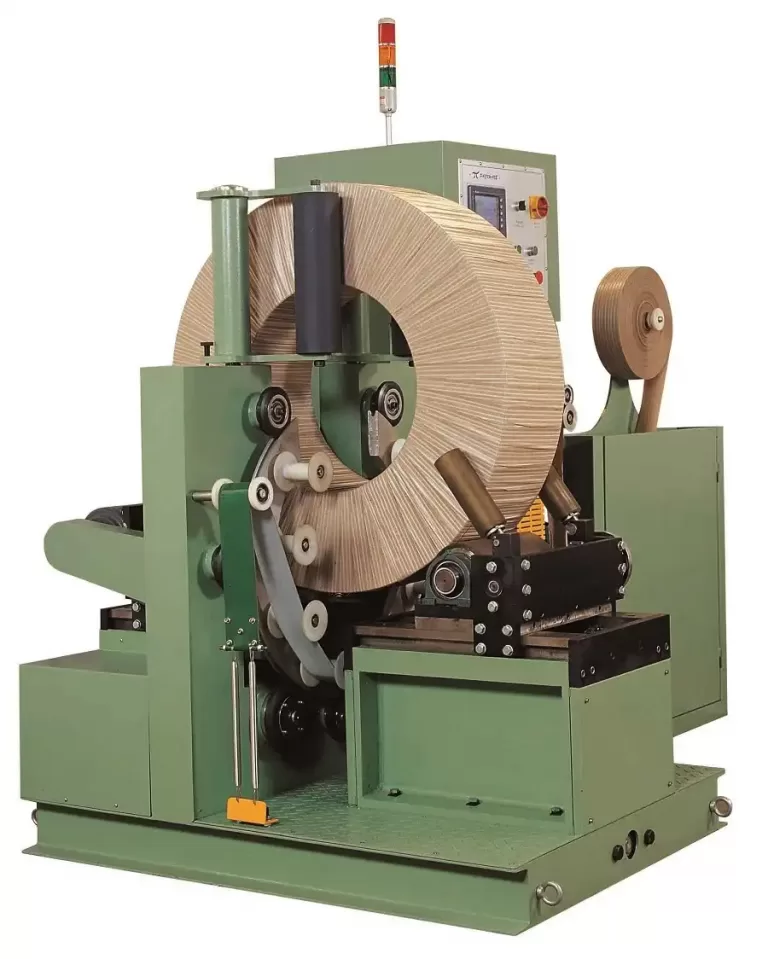
Coil wrapping machines significantly enhance workplace safety by automating the hazardous manual tasks associated with coil packaging. These machines minimize the need for manual lifting, handling, and wrapping of heavy coils, reducing the risk of worker injuries such as strains, sprains, and cuts. Furthermore, modern coil wrapping machines are designed with safety features like light curtains, emergency stops, and safety guards, ensuring operator safety and facilitating compliance with stringent workplace safety regulations and industry best practices.
Implementing a coil wrapping machine demonstrates a commitment to employee well-being and fosters a safer, more compliant work environment. The benefits extend beyond ethical considerations to include reduced insurance premiums and improved employee morale.
Conclusion
In conclusion, the coil wrapping machine is undeniably essential for efficiency in industries dealing with coil products. From streamlining operations and enhancing product protection to driving down costs and improving workplace safety, the benefits are multifaceted and compelling. By automating the coil packaging process, these machines empower manufacturers to achieve higher throughput, consistent quality, and significant economic advantages. Investing in coil wrapping automation is not just about upgrading equipment; it's about strategically enhancing operational excellence and securing a competitive edge in today's demanding manufacturing landscape.