
What Safety Measures Should Be Taken When Operating a Pallet Inverter?
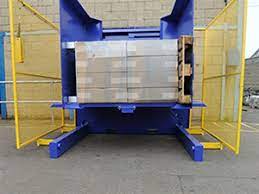
Operating a pallet inverter safely is paramount to prevent workplace accidents and ensure efficient material handling. Key safety measures include comprehensive operator training, mandatory PPE like helmets, enforced clearance areas, regular maintenance, and fostering a strong safety culture through employee education. By prioritizing these precautions, businesses can significantly mitigate risks and maximize the benefits of pallet inverter use.
Pallet Inverter Safety: A Comprehensive Guide to Protecting Your Workforce and Optimizing Operations
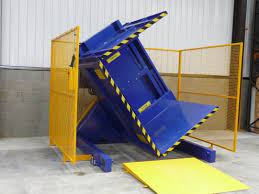
In today's fast-paced logistics and warehousing environments, efficiency and safety are two sides of the same coin. Pallet inverters have emerged as indispensable tools, streamlining material handling across diverse industries, from automotive to food and beverage. These machines offer a fast, simple, and efficient way to replace damaged pallets, invert loads for product transfer, or switch pallet types, significantly reducing manual labor and boosting productivity. However, the power and capabilities of pallet inverters, designed to handle heavy loads up to 1,500 kg and 2 meters high, also introduce potential safety risks if not operated correctly.
Prioritizing safety when operating a pallet inverter is not just about compliance; it's about protecting your most valuable asset – your employees, and ensuring the seamless continuation of your operations. Accidents involving heavy machinery can lead to severe injuries, costly downtime, and reputational damage. Therefore, implementing robust safety measures is crucial for any organization utilizing pallet inverters.
This comprehensive guide, drawing upon industry best practices and expert insights, outlines the essential safety measures that should be taken when operating a pallet inverter. By adhering to these guidelines, businesses can create a safer working environment, minimize risks, and fully leverage the efficiency gains offered by pallet inverter technology.
Invest in Comprehensive Operator Training: Knowledge is the First Line of Defense
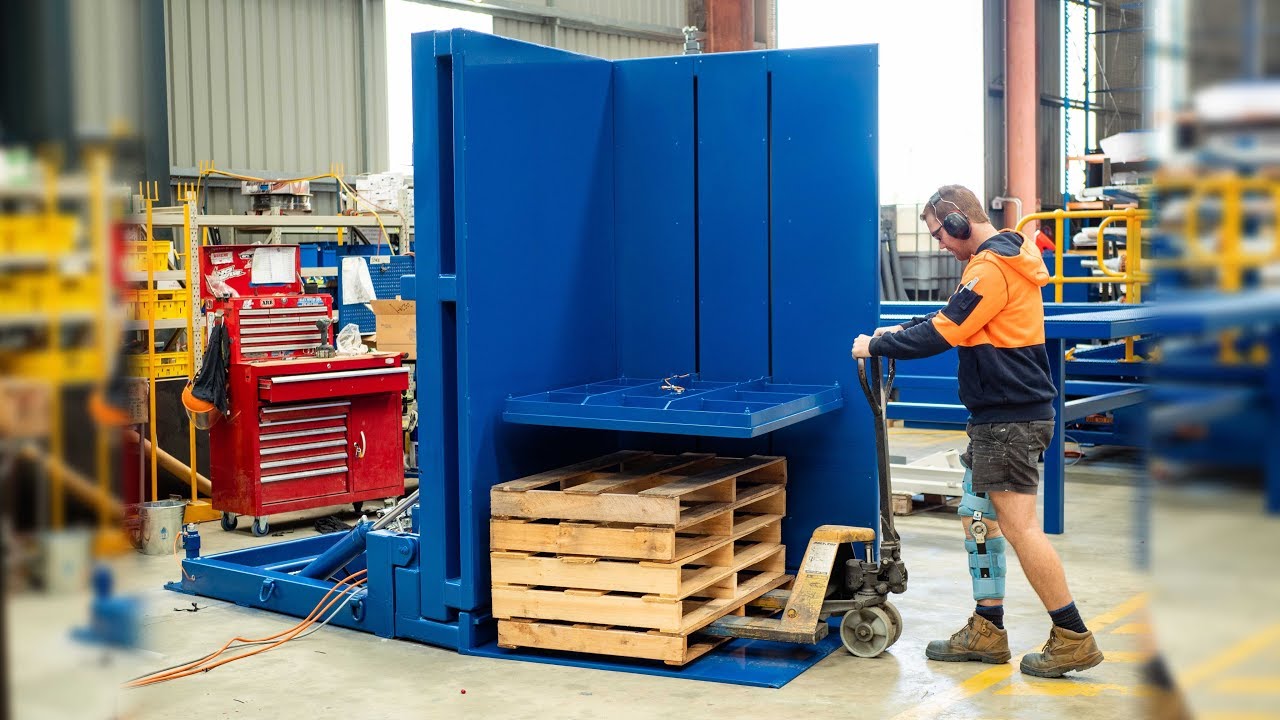
Operating a pallet inverter, while seemingly straightforward, requires a thorough understanding of its functions, controls, and potential hazards. Insufficient training is a leading cause of workplace accidents, highlighting the critical need for comprehensive operator training programs.
Why is Training Essential?
- Reduces Human Error: Proper training equips operators with the knowledge and skills to operate the machine safely and effectively, minimizing errors that could lead to accidents.
- Ensures Safe Operating Procedures are Followed: Training emphasizes adherence to established safety protocols and operational guidelines, creating a culture of safety consciousness.
- Early Hazard Identification: Trained operators are better equipped to identify potential malfunctions or unsafe conditions before they escalate into serious incidents.
- Boosts Confidence and Competence: Well-trained employees feel more confident and competent in their roles, contributing to a safer and more productive work environment.
Key Components of Effective Pallet Inverter Training:
- Machine-Specific Training: Training should be tailored to the specific model of pallet inverter being used, covering its unique features, controls, and safety mechanisms.
- Operational Procedures: Operators must be trained on the correct procedures for loading, unloading, inverting, and pallet changing, ensuring they understand the machine's full range of capabilities and limitations.
- Safety Protocols and Emergency Procedures: A significant portion of the training should focus on safety regulations, hazard identification, emergency stop procedures, and lockout/tagout procedures for maintenance.
- Hands-on Practice: Theoretical knowledge should be complemented by practical, hands-on training under the supervision of experienced trainers.
- Certification and Regular Refresher Courses: Upon completion of training, operators should receive certification, and regular refresher courses should be conducted to reinforce safety practices and update operators on any new procedures or equipment updates.
By prioritizing comprehensive training, businesses empower their employees to operate pallet inverters safely and confidently, significantly reducing the risk of accidents and fostering a proactive safety culture.
Mandatory PPE: Helmets are Non-Negotiable for Pallet Inverter Operations
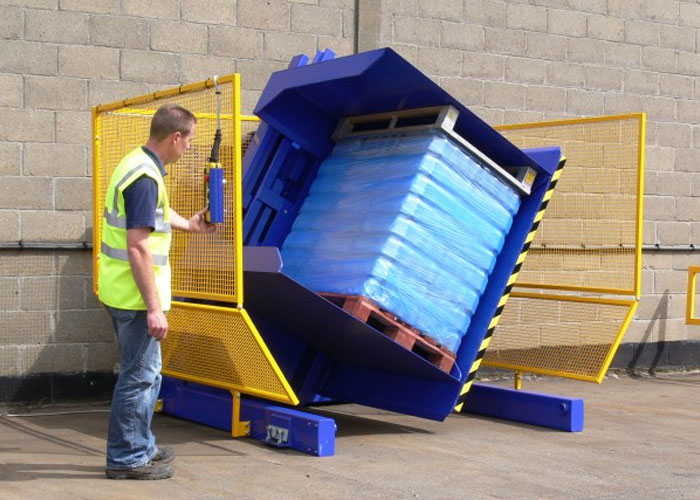
Personal Protective Equipment (PPE) serves as the last line of defense in mitigating workplace hazards. For pallet inverter operations, where heavy loads are manipulated, the risk of falling objects is a significant concern. Therefore, mandating the use of appropriate PPE, especially hard helmets, is non-negotiable.
Why Helmets are Crucial:
- Protection from Falling Objects: Pallet inverters handle heavy and often unstable loads. Despite safety mechanisms, there's always a risk of boxes, containers, or even parts of the load falling during operation. Helmets provide essential head protection against such impacts.
- Reduces Severity of Head Injuries: Head injuries can be particularly severe and debilitating. Helmets significantly reduce the force of impact, minimizing the risk of serious head trauma, concussions, or even fatalities.
- Demonstrates Commitment to Employee Safety: Enforcing PPE requirements sends a clear message to employees that their safety is a top priority for the company.
Beyond Helmets: Other Relevant PPE Considerations:
- Safety Footwear: Steel-toed boots protect feet from crushing injuries in case of dropped loads or accidental impacts.
- High-Visibility Clothing: Ensuring operators wear high-visibility vests or jackets enhances their visibility, especially in busy warehouse environments where forklifts and other equipment may be operating.
- Gloves: Appropriate gloves can protect hands from abrasions, cuts, and potential pinch points during pallet handling and inverter operation.
Enforcing PPE Compliance:
- Clear Policy and Communication: Establish a clear PPE policy that explicitly mandates helmet use for pallet inverter operators and communicate this policy effectively to all employees.
- Provision of PPE: The company should provide employees with appropriate, high-quality PPE, ensuring it fits properly and is well-maintained.
- Regular Monitoring and Enforcement: Supervisors should regularly monitor PPE compliance and enforce the policy consistently, addressing any violations promptly.
By making helmets and other relevant PPE mandatory and ensuring consistent enforcement, businesses create a safer working environment and demonstrate a strong commitment to protecting their employees from potential hazards associated with pallet inverter operations.
Establish and Enforce Clearance Zones: Defining Safe Operating Space
Pallet inverters have a defined range of motion, and operating within these parameters is essential for safety. Establishing and rigorously enforcing clearance zones around the equipment is a critical safety measure to prevent accidental collisions and injuries.
Why Clearance Zones are Necessary:
- Prevents Personnel from Entering Hazardous Areas: Clearance zones delineate a safe perimeter around the pallet inverter, preventing unauthorized personnel from entering the operating area while the machine is in motion.
- Reduces Risk of Collisions: Clearly marked clearance zones minimize the risk of collisions between the moving parts of the pallet inverter and pedestrians or other equipment.
- Ensures Safe Operator Movement: Operators need sufficient space to operate the machine safely and respond to any unexpected situations. Clearance zones provide this necessary maneuvering room.
Implementing Effective Clearance Zones:
- Define the Range of Motion: Accurately determine the maximum range of motion of the pallet inverter during operation.
- Add a Safety Buffer: Extend the defined range of motion by a safety buffer to create a comprehensive clearance zone.
- Physical Demarcation: Clearly mark the clearance zone perimeter using high-visibility floor paint, safety tape, or physical barriers like cones or railings.
- Warning Signage: Post prominent warning signs around the clearance zone, clearly indicating the presence of operating machinery and the importance of staying outside the marked area.
- Employee Training and Awareness: Train all employees to recognize and respect clearance zones, emphasizing the potential hazards of entering these areas during pallet inverter operation.
- Regular Monitoring and Enforcement: Supervisors should regularly monitor the clearance zones to ensure they are maintained and respected, and address any breaches promptly.
By establishing and diligently enforcing clearance zones, businesses create a safer operating environment for pallet inverters, minimizing the risk of accidents and ensuring the well-being of their workforce.
Regular Maintenance: The Key to Preventing Accidents and Ensuring Reliable Operation
Like any piece of machinery, pallet inverters require regular maintenance to ensure safe and reliable operation. Neglecting maintenance can lead to equipment malfunctions, increasing the risk of accidents and costly downtime.
Why Regular Maintenance is Crucial for Safety:
- Prevents Equipment Malfunctions: Regular inspections and maintenance can identify and address potential issues before they escalate into equipment failures that could cause accidents.
- Ensures Proper Functionality of Safety Features: Maintenance checks should include verification of the proper functioning of safety features such as emergency stops, safety guards, and sensors.
- Extends Equipment Lifespan: Proactive maintenance not only enhances safety but also extends the lifespan of the pallet inverter, maximizing the return on investment.
- Reduces Downtime and Operational Disruptions: Preventive maintenance minimizes unexpected breakdowns, reducing downtime and ensuring smooth operational flow.
Key Elements of a Pallet Inverter Maintenance Program:
- Daily Visual Inspections: Operators should be trained to perform daily visual inspections before each shift, checking for any signs of damage, loose parts, leaks, or unusual noises.
- Scheduled Maintenance: Establish a schedule for regular maintenance tasks, including lubrication, tightening bolts, inspecting hydraulic systems, and checking electrical components, as recommended by the manufacturer.
- Professional Servicing: Periodic servicing by qualified technicians is essential for more in-depth inspections, repairs, and component replacements.
- Record Keeping: Maintain detailed records of all maintenance activities, inspections, and repairs, providing a history of equipment maintenance and identifying any recurring issues.
- Prompt Repair of Identified Issues: Any issues identified during inspections or maintenance should be addressed promptly and effectively by qualified personnel.
By implementing a comprehensive and proactive maintenance program, businesses can ensure their pallet inverters operate safely and reliably, minimizing the risk of accidents and maximizing operational efficiency.
Educate Your Employees on the Importance of Safety: Cultivating a Safety-First Culture
Safety is not just about rules and procedures; it's about fostering a culture where every employee understands the importance of safety and actively participates in creating a safe working environment. Educating employees on the importance of safety at work is a fundamental step in preventing accidents and promoting a proactive safety culture.
Why Employee Education is Paramount:
- Promotes Safety Awareness: Education raises awareness of potential hazards associated with pallet inverter operations and the importance of adhering to safety protocols.
- Empowers Employees to Take Ownership of Safety: When employees understand the rationale behind safety measures, they are more likely to take ownership of safety and actively participate in maintaining a safe workplace.
- Encourages Proactive Hazard Reporting: A safety-conscious culture encourages employees to report potential hazards or unsafe conditions without fear of reprisal, enabling timely corrective actions.
- Boosts Team Morale and Trust: When employees see that the company prioritizes their safety, it fosters trust, improves morale, and strengthens teamwork.
Effective Strategies for Employee Safety Education:
- Safety Training Programs: Integrate safety education into operator training programs and conduct regular safety awareness sessions for all employees working in or around pallet inverter operating areas.
- Safety Meetings and Toolbox Talks: Regular safety meetings and toolbox talks provide opportunities to discuss safety topics, review procedures, and address any safety concerns raised by employees.
- Visual Communication: Utilize posters, safety signage, and visual aids to reinforce safety messages and remind employees of safe operating procedures.
- Open Communication Channels: Establish open communication channels where employees can freely voice safety concerns, report hazards, and provide feedback on safety procedures.
- Lead by Example: Management and supervisors must lead by example, consistently demonstrating their commitment to safety and adhering to safety protocols.
By investing in comprehensive employee safety education and fostering open communication, businesses can cultivate a safety-first culture where every employee is a safety advocate, contributing to a significantly safer and more productive work environment.
Emergency Procedures and Preparedness: Planning for the Unexpected
Despite the best safety measures, unforeseen events can occur. Having well-defined emergency procedures and ensuring employee preparedness are crucial for mitigating the impact of accidents and ensuring a swift and effective response.
Essential Components of Pallet Inverter Emergency Procedures:
- Emergency Stop Procedures: Ensure all operators are thoroughly trained on the location and operation of emergency stop buttons and procedures for safely halting the machine in emergency situations.
- Evacuation Plans: Develop clear evacuation plans for the pallet inverter operating area, including designated evacuation routes and assembly points. Conduct regular evacuation drills to familiarize employees with these procedures.
- First Aid and Medical Assistance: Ensure readily accessible first aid kits are available and that employees are trained in basic first aid. Establish procedures for contacting emergency medical services in case of serious injuries.
- Lockout/Tagout Procedures: Implement and enforce lockout/tagout procedures for maintenance and repair work, ensuring the machine is completely de-energized before any intervention.
- Incident Reporting and Investigation: Establish clear procedures for reporting accidents and near misses. Conduct thorough investigations of all incidents to identify root causes and implement corrective actions to prevent recurrence.
Enhancing Emergency Preparedness:
- Regular Drills and Simulations: Conduct regular emergency drills and simulations to test the effectiveness of emergency procedures and ensure employee preparedness.
- Emergency Contact Information: Clearly display emergency contact information, including internal emergency responders and external emergency services.
- Emergency Response Team: Consider establishing a designated emergency response team trained in advanced first aid, emergency evacuation, and incident management.
- Review and Update Procedures: Regularly review and update emergency procedures based on lessons learned from drills, incidents, and changes in equipment or operations.
By proactively planning for emergencies and ensuring employee preparedness, businesses can minimize the impact of unforeseen events, protect their workforce, and ensure a swift return to normal operations.
Conclusion: Prioritizing Safety for a Productive and Secure Workplace
Operating a pallet inverter safely requires a multifaceted approach that encompasses operator training, PPE provision, clearance zone enforcement, regular maintenance, employee education, and emergency preparedness. These measures are not merely a checklist of compliance requirements; they are integral components of a robust safety system designed to protect employees, prevent accidents, and optimize operational efficiency.
By prioritizing safety in pallet inverter operations, businesses not only fulfill their ethical and legal obligations but also reap significant benefits, including:
- Reduced Workplace Accidents and Injuries: A proactive safety approach significantly minimizes the risk of accidents, injuries, and associated costs.
- Improved Employee Morale and Productivity: A safe working environment fosters trust, boosts morale, and enhances employee productivity.
- Minimized Downtime and Operational Disruptions: Preventive safety measures, such as regular maintenance, reduce equipment malfunctions and downtime, ensuring smoother operations.
- Enhanced Reputation and Brand Image: A strong safety record enhances the company's reputation and brand image, demonstrating a commitment to employee well-being and responsible operations.
In conclusion, investing in pallet inverter safety is an investment in your workforce, your operations, and your long-term success. By implementing the safety measures outlined in this guide, businesses can create a safer, more productive, and more secure workplace for everyone. Remember, a safe workplace is not just a legal requirement; it's a moral imperative and a cornerstone of a thriving and sustainable business.