
What Are the Common Issues with Pallet Inverter Hydraulic Systems?
Pallet inverter hydraulic systems, while robust, can face issues like hydraulic failure, pressure loss, cylinder binding, valve malfunction, low fluid, and leaks. Regular maintenance, including lubrication and inspection, is vital for prevention. Troubleshooting involves checking pressure and fluid levels. Addressing these issues promptly ensures smooth operation and minimizes downtime.
Understanding the Heart of Your Pallet Inverter: The Hydraulic System
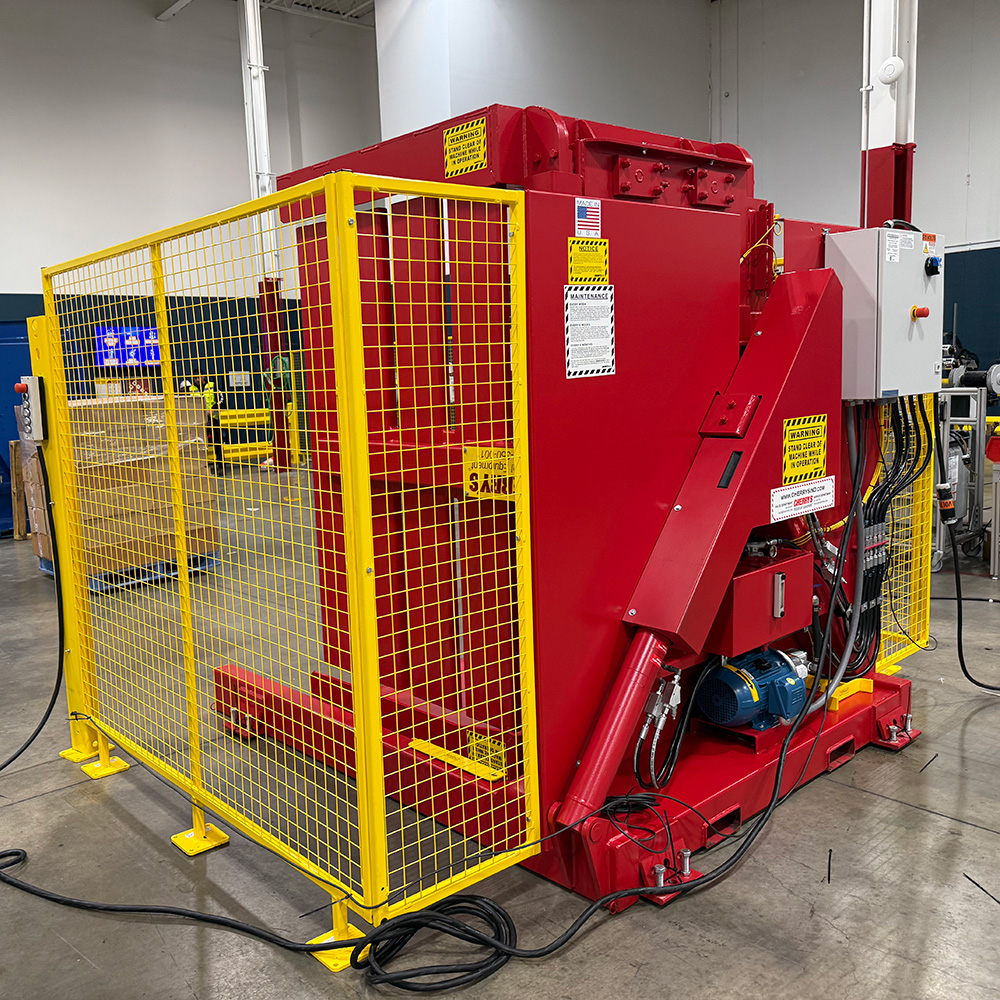
Pallet inverters are indispensable pieces of equipment in modern material handling, streamlining operations across diverse industries from automotive to food service. These machines enhance both efficiency and safety by automating the often strenuous and risky task of pallet transfer and product reorientation. At the core of many pallet inverters lies a powerful hydraulic system, the engine that drives their lifting, tilting, and clamping actions. This system, while offering significant power and control, is also susceptible to a range of common issues if not properly maintained. Understanding these potential problems is the first step in ensuring the longevity and reliability of your pallet inverter.
[
Common Hydraulic System Failures in Pallet Inverters
Like any complex system, the hydraulic components of a pallet inverter can experience failures that disrupt operations and lead to downtime. Identifying these common issues is crucial for prompt troubleshooting and repair, minimizing disruption and maintaining productivity.
[
Hydraulic System Failure: A General Overview
A broad term, "hydraulic system failure" can encompass a variety of specific problems within the system. It often manifests as a complete or partial loss of functionality, where the inverter fails to lift, clamp, or rotate as expected. This can stem from issues as simple as low fluid levels to more complex problems within the pump, valves, or cylinders. Ignoring routine maintenance is a primary contributor to such failures, highlighting the importance of preventative measures.
Pressure Loss: The Silent Performance Killer
Hydraulic systems rely on pressure to transmit power. Pressure loss is a frequent culprit behind diminished performance in pallet inverters. This can manifest as sluggish movements, reduced lifting capacity, or an inability to maintain a clamped load securely. Several factors can contribute to pressure loss:
- Leaks: External leaks, often visible as fluid puddles or dampness around fittings and hoses, are a common cause. Internal leaks, harder to detect, occur within cylinders or valves, allowing fluid to bypass seals and reducing system pressure.
- Valve Malfunction: Valves control the direction and flow of hydraulic fluid. A malfunctioning valve, due to contamination, wear, or electrical issues with solenoids, can impede proper fluid flow and lead to pressure drops. Hose mix-ups during maintenance or installation can also damage valves and cause pressure control problems.
- Pump Issues: The hydraulic pump is the heart of the system, generating the necessary pressure. Wear and tear, cavitation (air bubbles in the fluid), or internal damage can reduce the pump's efficiency, leading to insufficient pressure.
Cylinder Binding or Damage: Impaired Motion
Hydraulic cylinders are responsible for the linear motion in pallet inverters, powering the lifting, tilting, and clamping actions. Issues with cylinders can significantly hamper operation:
- Cylinder Binding: This occurs when a cylinder's internal components, like pistons or seals, experience excessive friction, hindering smooth movement. This can be due to contamination, lack of lubrication, or mechanical damage. In some cases, binding may be intermittent, making diagnosis challenging.
- Seal Failure: Seals within the cylinders are critical for maintaining pressure and preventing leaks. Wear, degradation over time, or damage from contaminants can cause seals to fail, leading to internal and external leaks and reduced cylinder performance.
- Physical Damage: Although robust, cylinders can be damaged by impacts or external forces, leading to bending, dents, or damage to the piston rod, all of which can impair their function.
Low Hydraulic Fluid: The Lifeblood Depleted
Hydraulic fluid is the lifeblood of the system, transmitting power and lubricating components. Low fluid levels can lead to a cascade of problems:
- Pump Cavitation: Insufficient fluid can cause the pump to draw in air, leading to cavitation, which damages the pump and reduces its efficiency.
- Overheating: Low fluid reduces the system's ability to dissipate heat, potentially causing overheating and damage to seals and other components.
- Reduced Performance: Low fluid directly translates to reduced system pressure and performance, impacting lifting capacity and speed.
Electrical Issues Affecting Hydraulics
While fundamentally hydraulic, these systems are often controlled electrically. Electrical problems can indirectly cause hydraulic issues:
- Solenoid Malfunctions: Valves are often actuated by solenoids. Electrical faults, wiring issues, or solenoid coil failures can prevent valves from operating correctly, disrupting hydraulic flow and pressure.
- Sensor Problems: Proximity switches and pressure sensors provide feedback to the control system. Faulty sensors can lead to incorrect operation or system shutdowns, even if the hydraulic components are sound. Intermittent prox switch triggering can cause erratic behavior and timeouts.
Essential Maintenance Tips to Prevent Hydraulic Issues
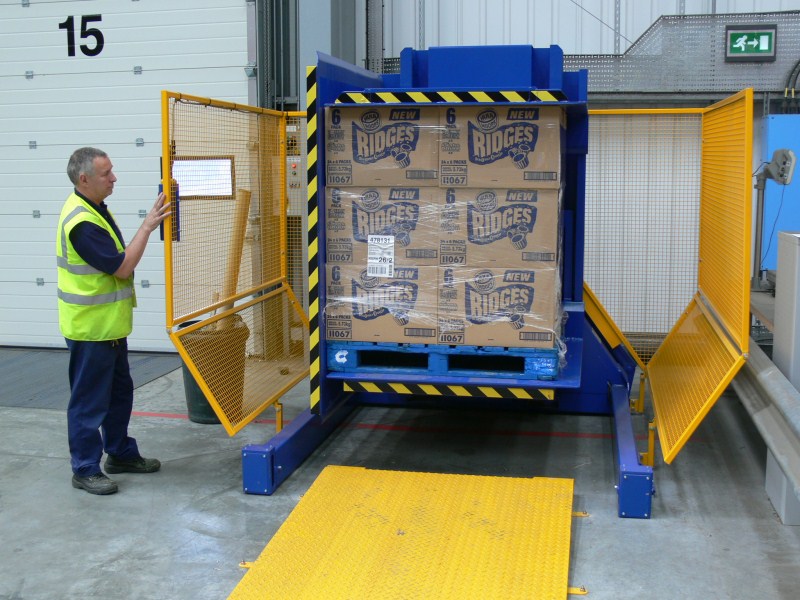
Preventative maintenance is the cornerstone of a reliable pallet inverter hydraulic system. Regular upkeep not only minimizes the risk of breakdowns but also extends the lifespan of your equipment and ensures safe operation.
[
- Regular Lubrication: Moving parts, especially cylinder rods and pivot points, require regular lubrication to minimize friction and wear. Applying appropriate grease or dry PTFE lubricant to designated points, as indicated in the manufacturer's manual, is crucial.
- Scheduled Cleaning: Keeping the pallet inverter clean is more than just aesthetics. Dirt, debris, and contaminants can damage seals, clog valves, and accelerate wear. Regular cleaning, especially around hydraulic components, helps prevent these issues.
- Routine Inspections: Regular visual inspections are invaluable. Check for:
- Hydraulic Leaks: Look for fluid puddles, dampness around fittings, hoses, cylinders, and the power unit.
- Hose and Fitting Condition: Inspect hoses for cracks, abrasions, and bulges. Check fittings for looseness or damage.
- Cylinder Condition: Examine cylinders for signs of damage, leaks, or corrosion.
- Fluid Level and Condition: Regularly check the hydraulic fluid level in the reservoir. The fluid should be clean and at the correct level. Dark, cloudy, or contaminated fluid should be replaced.
- Electrical Wiring and Controls: Inspect wiring for damage, loose connections, and wear. Check the control panel and buttons for proper function.
- Hydraulic Fluid Management:
- Maintain Proper Level: Regularly check and maintain the hydraulic fluid level according to the manufacturer's recommendations.
- Fluid Changes: Schedule regular hydraulic fluid and filter changes as per the maintenance schedule. This removes contaminants and ensures the fluid retains its lubricating and hydraulic properties. Use the recommended fluid type.
- Calibration: Ensure the pallet inverter is calibrated correctly, particularly the clamping pressure. Proper calibration ensures safe and accurate load handling.
- Operator Training: Well-trained operators are less likely to misuse or abuse the equipment. Proper training includes pre-start inspections, safe operating procedures, and recognizing signs of potential problems.
Troubleshooting Common Hydraulic Problems
When hydraulic issues arise, a systematic troubleshooting approach is essential to quickly identify and resolve the problem.
[
- Listen for Unusual Noises: Pay attention to sounds like pump whining (cavitation), hissing (leaks), or banging (cylinder issues). These auditory clues can often pinpoint the problem area.
- Check Pressure Gauges: If your system has pressure gauges, monitor them during operation. Unusual pressure readings can indicate pump problems, valve malfunctions, or leaks. Installing pressure gauges on cylinder ports can help diagnose cylinder-specific issues.
- Inspect for Leaks: Visually inspect the entire hydraulic system for external leaks. Trace leaks back to their source – fittings, hoses, cylinders, valves, or the pump.
- Verify Fluid Level and Condition: Check the hydraulic fluid reservoir. Is the level correct? Is the fluid clean and clear, or is it dirty or milky?
- Check Electrical Connections: If the machine is unresponsive or behaving erratically, check electrical connections to solenoids, sensors, and the control panel. Look for loose wires or damaged components.
- Observe Cylinder Movement: Watch the cylinders during operation. Are they moving smoothly and at the expected speed? Jerky or slow movement can indicate binding or pressure issues.
- Consult the Manual and Schematics: Refer to the pallet inverter's owner's manual and hydraulic schematics for specific troubleshooting steps and component locations.
- Seek Professional Help: For complex issues or if you are not comfortable working with hydraulic systems, consult a qualified technician experienced in pallet inverter repair. Manufacturers like Toppy and Cherry's Industrial Equipment offer service and support, including onsite repairs and remote assistance.
The ROI of Proactive Hydraulic System Maintenance
Investing in regular maintenance for your pallet inverter's hydraulic system is not just an expense; it's a strategic investment that yields significant returns. Preventative maintenance minimizes downtime, reduces costly repairs, extends equipment life, and enhances workplace safety. By proactively addressing potential hydraulic issues, businesses can ensure the continued efficiency and profitability that pallet inverters are designed to deliver.
Conclusion: Keeping Your Pallet Inverter's Hydraulics in Prime Condition
The hydraulic system is the vital force behind your pallet inverter's capabilities. Understanding common issues, implementing diligent maintenance practices, and adopting a proactive troubleshooting approach are key to maximizing the uptime, efficiency, and safety of your equipment. By prioritizing the health of your hydraulic system, you safeguard your investment and ensure smooth, productive material handling operations for years to come. Regular checks, timely maintenance, and informed operation are the cornerstones of a reliable and efficient pallet inverter hydraulic system.