
What Are the Common Issues with Pallet Inverter Hydraulic Cylinder Leaks?
Hydraulic cylinder leaks in pallet inverters are a common headache for warehouse operations, leading to messy workspaces, potential safety hazards, and costly downtime. Understanding the causes, recognizing the signs, and implementing preventative measures are crucial for maintaining efficient material handling. This article delves into the common issues surrounding hydraulic cylinder leaks in pallet inverters, offering insights into troubleshooting and preventative maintenance to ensure smooth and productive operations.
The Silent Threat: Understanding Hydraulic Cylinder Leaks in Pallet Inverters
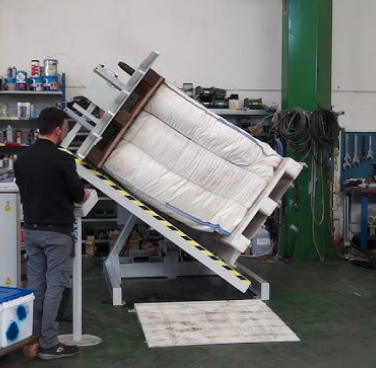
Pallet inverters are indispensable pieces of equipment in modern warehouses, streamlining operations by efficiently transferring goods between pallets. At the heart of these machines often lies a robust hydraulic system, powering the lifting, tilting, and clamping actions. Hydraulic cylinders are the workhorses of this system, converting hydraulic pressure into the linear force necessary for pallet inversion. However, these critical components are not immune to wear and tear, and one of the most frequent problems encountered is hydraulic cylinder leakage.
Leaks are not just a cosmetic issue; they signal underlying problems that can escalate quickly if left unaddressed. A seemingly minor drip can evolve into a significant fluid loss, leading to reduced hydraulic pressure, sluggish operation, and eventually, complete system failure. Beyond operational disruptions, hydraulic leaks pose safety risks, creating slippery floors and potentially contaminating products. Furthermore, the cost of hydraulic fluid, coupled with repair expenses and downtime losses, can significantly impact a company's bottom line. Therefore, proactively managing hydraulic cylinder leaks is paramount for maintaining efficient, safe, and cost-effective pallet inverter operations.
Pinpointing the Leak: Common Sources and Causes
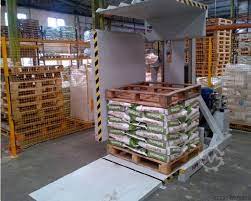
Hydraulic cylinder leaks in pallet inverters rarely occur spontaneously. They are typically the result of gradual wear, damage, or improper maintenance. Identifying the source of the leak is the first crucial step in effective troubleshooting. Here are some common culprits:
1. Seal Deterioration: The Primary Suspect
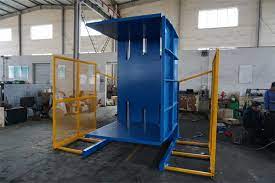
Seals are the unsung heroes of hydraulic cylinders, responsible for containing pressurized fluid within the cylinder chamber. They are strategically placed at critical junctures, such as around the piston rod and piston head, to prevent leakage. However, seals are made of flexible materials like rubber or polyurethane, which are susceptible to degradation over time.
- Wear and Tear: Constant friction from the reciprocating motion of the piston rod, coupled with the pressure and temperature fluctuations within the hydraulic system, gradually wears down seals. Over extended periods of operation, seals can lose their elasticity, become brittle, crack, or even tear, creating pathways for hydraulic fluid to escape.
- Contamination: Hydraulic fluid contamination is a major contributor to seal failure. Dirt, dust, metal particles, and other contaminants circulating within the hydraulic system can act as abrasives, scratching and damaging seal surfaces. These contaminants can also embed themselves in the seal material, causing it to swell, harden, or lose its sealing properties.
- Chemical Degradation: Exposure to incompatible hydraulic fluids or harsh chemicals can cause seals to degrade chemically. Incorrect fluid types can react with the seal material, leading to swelling, shrinking, or hardening, all compromising their ability to effectively seal.
- High Temperature Operation: Excessive heat within the hydraulic system accelerates seal degradation. High temperatures can cause seals to harden and lose their elasticity, making them prone to cracking and leakage. Overheating can be caused by factors like insufficient cooling, prolonged heavy operation, or system inefficiencies.
2. Rod Damage: Scratches, Scoring, and Corrosion
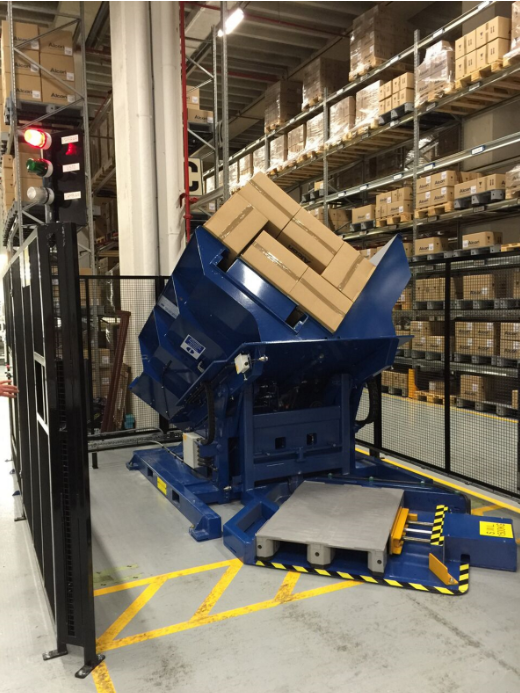
The piston rod is the moving component that extends and retracts from the hydraulic cylinder, transmitting force. Damage to the rod surface can directly compromise the integrity of the rod seals, leading to leaks.
- Scoring and Scratches: Debris and contaminants, if not properly filtered from the hydraulic fluid, can become trapped between the rod and the seals. As the rod reciprocates, these particles can score or scratch the rod surface, creating abrasive damage that tears at the seals and allows fluid to leak.
- Corrosion: Exposure to moisture, humidity, or corrosive substances can lead to rust and corrosion on the piston rod. Corrosion creates a rough, uneven surface that damages seals as they slide over it, leading to premature seal failure and leaks. Washdown procedures, if not followed by proper lubrication, can also contribute to rod corrosion.
- Bent or Misaligned Rods: Overloading the pallet inverter or improper operation can result in bent or misaligned piston rods. A bent rod places uneven stress on the seals, causing accelerated wear and leakage. Misalignment can also stem from improper cylinder mounting or damage to mounting points.
3. Loose Fittings and Connections: Often Overlooked
While seal and rod issues are common culprits, leaks can also originate from simpler, often overlooked sources: loose fittings and connections within the hydraulic system.
- Vibration and Fatigue: Pallet inverters, especially during heavy use, experience vibrations. Over time, these vibrations can loosen hydraulic fittings and connections, creating pathways for fluid to seep out.
- Improper Installation: Fittings that were not initially tightened to the correct torque specifications during installation are prone to loosening and leaking.
- Damaged Hoses and Lines: Hydraulic hoses and lines can become damaged due to wear, abrasion, or kinking. Cracks or breaks in hoses provide direct leak paths.
4. Cylinder Body Damage: A Less Frequent but Serious Issue
While less frequent than seal or fitting leaks, damage to the hydraulic cylinder body itself can also result in leaks and signifies a more serious problem.
- Weld Joint Failure: Welds on the cylinder body, particularly around ports or mounting points, can crack or fail due to fatigue, manufacturing defects, or excessive stress. Weld leaks often require specialized repair.
- Cracks in Cylinder Walls: In extreme cases of overloading or impact damage, the cylinder walls themselves can crack, leading to significant and immediate leaks. This type of damage often necessitates cylinder replacement.
Troubleshooting Leaks: A Step-by-Step Approach
When a hydraulic cylinder leak is suspected, a systematic troubleshooting approach is essential to pinpoint the source and implement the appropriate repair.
-
Visual Inspection: The First Line of Defense:
- Identify Leak Location: Carefully examine the pallet inverter and hydraulic cylinders for visible signs of hydraulic fluid leaks. Look for drips, puddles, or wet spots around cylinder seals, fittings, hoses, and weld joints.
- Fluid Color and Condition: Note the color and condition of the leaking fluid. Milky or discolored fluid can indicate contamination.
- Component Condition: Visually inspect cylinder rods for scratches, scoring, corrosion, or bending. Check hoses and fittings for cracks, damage, or looseness.
-
Operational Checks:
- Observe Cylinder Movement: Operate the pallet inverter and observe the movement of the affected cylinder. Is it slow, erratic, or jerky? These symptoms can indicate internal leakage or air in the system.
- Listen for Unusual Noises: Listen for hissing or squealing sounds around the cylinder, which could suggest leaks or air ingress.
-
Pressure Testing (If Qualified):
- Isolate the Cylinder: If you have the necessary expertise and equipment, isolate the suspected cylinder and perform a pressure test. This involves applying pressure to the cylinder and observing for pressure drops, which can indicate internal leaks past the piston seals. Caution: Hydraulic systems operate under high pressure; pressure testing should only be performed by trained personnel with proper safety precautions.
-
Component Examination:
- Seal Inspection: If external leaks are identified around seals, carefully inspect the seals for wear, cracks, hardening, or damage. Seal replacement is often necessary.
- Rod Inspection: Thoroughly examine the piston rod for scratches, scoring, corrosion, or bending. Minor rod damage might be repairable with polishing, but severe damage requires rod replacement.
- Fitting and Hose Check: Tighten any loose fittings. Inspect hoses and lines for cracks, kinks, or wear. Replace damaged components.
Prevention is Better Than Cure: Proactive Maintenance Strategies
While troubleshooting and repair are essential, the most effective approach to minimizing hydraulic cylinder leaks is through proactive preventative maintenance. Regular maintenance not only reduces the incidence of leaks but also extends the overall lifespan of your pallet inverter and minimizes downtime.
- Regular Lubrication: Lubricate all moving parts of the pallet inverter, including cylinder pivot points and piston rods. Proper lubrication reduces friction and wear, extending the life of seals and rods. For cylinder rods, ensure lubrication after equipment washdown to prevent corrosion.
- Scheduled Cleaning: Regularly clean the pallet inverter to remove dirt, debris, and contaminants that can damage seals and other components. Pay particular attention to cleaning around hydraulic cylinders and fittings.
- Hydraulic Fluid Management:
- Maintain Fluid Cleanliness: Implement a robust hydraulic fluid filtration system and adhere to recommended fluid change intervals. Clean, uncontaminated fluid is crucial for seal longevity and overall system health.
- Use Correct Fluid Type: Always use the hydraulic fluid type recommended by the pallet inverter manufacturer. Using incorrect fluid can lead to seal degradation and system inefficiencies.
- Monitor Fluid Levels: Regularly check and maintain proper hydraulic fluid levels. Low fluid levels can lead to air ingress and system overheating.
- Routine Inspections: Conduct regular visual inspections of hydraulic cylinders, hoses, fittings, and the overall hydraulic system. Identify and address any signs of leaks, damage, or wear early on.
- Seal and Component Replacement: Implement a schedule for proactive replacement of seals and other wear components based on manufacturer recommendations or operating hours. Preventative replacement is often more cost-effective than reactive repairs after a failure.
- Operator Training: Train pallet inverter operators on proper operating procedures, load limits, and basic maintenance checks. Proper operation minimizes stress on hydraulic cylinders and reduces the risk of damage.
When to Call in the Experts: Professional Repair Services
While some minor leak issues, like loose fittings or simple seal replacements, might be addressed in-house, more complex hydraulic cylinder problems require professional expertise.
- Weld Leaks and Cylinder Body Damage: Leaks originating from weld joints or cracks in the cylinder body often necessitate specialized repair or cylinder replacement, best handled by experienced hydraulic technicians.
- Internal Cylinder Damage: If troubleshooting indicates internal cylinder damage, such as piston seal failure or cylinder barrel scoring, professional disassembly, inspection, and repair are typically required.
- Complex Hydraulic System Issues: If leaks are accompanied by other hydraulic system problems, like power loss or erratic movement, it is advisable to consult with hydraulic system specialists to diagnose and resolve the underlying issues.
Pallet inverter manufacturers and hydraulic cylinder specialists often offer comprehensive service and support packages, including on-site repairs, maintenance, and parts replacement. Leveraging these services ensures that repairs are performed correctly, minimizing downtime and maximizing the lifespan of your equipment.
Conclusion: Staying Ahead of Hydraulic Cylinder Leaks
Hydraulic cylinder leaks in pallet inverters are a common but manageable challenge. By understanding the common causes, implementing proactive preventative maintenance strategies, and knowing when to seek professional help, warehouse operations can significantly reduce the incidence of leaks, minimize downtime, and ensure the safe and efficient operation of their pallet inverters. Regular maintenance, encompassing lubrication, cleaning, inspections, and timely component replacements, is the cornerstone of a leak-prevention strategy, ultimately contributing to a more productive and cost-effective material handling operation. Addressing leaks promptly not only prevents further damage but also contributes to a safer working environment and protects product integrity, making it a critical aspect of warehouse management.