
What Are the Common Issues with Pallet Inverter Calibration?
Ensuring your pallet inverter operates at peak efficiency and safety hinges on proper calibration. Common issues arise from inaccurate rotation angles, load instability, sensor misalignment, hydraulic drift, and electrical errors. Regular and meticulous calibration is not just maintenance—it's a cornerstone of operational excellence, preventing costly downtime and ensuring workplace safety.
The Unsung Hero: Why Pallet Inverter Calibration is Crucial
In the fast-paced world of warehousing and logistics, pallet inverters stand as indispensable tools for streamlining material handling. These robust machines are designed to efficiently invert or transfer loads from one pallet to another, saving time, reducing manual labor, and minimizing product damage. However, like any sophisticated piece of equipment, pallet inverters require regular maintenance and, crucially, precise calibration to function optimally.
Calibration, in essence, is the process of fine-tuning the pallet inverter's systems to ensure accuracy and reliability. It's about making sure that when you instruct the machine to perform a specific action – like rotating a load 180 degrees – it does so with pinpoint precision. Why is this so important? Because improper calibration can lead to a cascade of problems, impacting everything from operational efficiency to workplace safety.
Think of it like this: a miscalibrated pallet inverter is like a slightly out-of-tune instrument. It might still play, but the notes will be off, and the overall performance will suffer. In the context of material handling, these "off notes" can manifest as inaccurate rotations, unstable loads, and potential equipment malfunctions.
Decoding Common Pallet Inverter Calibration Issues

While regular maintenance can mitigate many problems, calibration-specific issues can still arise. These often stem from a combination of operational wear and tear, environmental factors, and even subtle shifts in the machine's mechanical or electrical components over time. Let's delve into some of the most common calibration-related challenges:
1. Inaccurate Rotation Angles: The Degree of Error
One of the primary functions of a pallet inverter is to rotate loads by a precise angle, typically 180 degrees for pallet exchange or 90 degrees for specific handling needs. Calibration ensures this rotation is accurate. When calibration drifts, the inverter might not rotate to the intended angle.
Impact: Inaccurate rotations can lead to misaligned loads during stacking, difficulty in subsequent automated processes, and potential product damage if the load is not correctly positioned. For example, if a load is supposed to be inverted precisely for a downstream process, even a slight angular error can disrupt the entire line.
Troubleshooting: This issue often points to problems with the rotary encoder or angle sensors. Calibration procedures should include verifying the accuracy of these sensors and adjusting them as needed. Software-based calibration routines are often available in modern pallet inverters to fine-tune these parameters.
2. Load Imbalance and Instability: A Question of Equilibrium
Pallet inverters are designed to handle heavy and often awkwardly shaped loads. Calibration plays a critical role in maintaining load balance throughout the inversion process. This involves calibrating the clamping pressure, the center of gravity detection (if equipped), and the smooth operation of the rotating mechanism.
Impact: A miscalibrated inverter might exert uneven clamping pressure, leading to load slippage or instability during rotation. This is not only a safety hazard but can also result in product damage. Imagine inverting a pallet of fragile goods – insufficient or uneven clamping could cause items to shift, fall, or break.
Troubleshooting: Calibration here involves checking and adjusting the pressure sensors and control valves within the hydraulic or pneumatic clamping system. Ensuring the machine is level and on a stable surface is also crucial for maintaining load balance. Some advanced inverters have load sensing systems that require calibration to accurately detect weight distribution and adjust operation accordingly.
3. Sensor Misalignment and Drift: The Eyes of the Machine
Pallet inverters rely on a network of sensors to monitor position, pressure, and load status. These sensors are critical for safe and efficient operation. Calibration ensures these sensors are accurately positioned and providing reliable data. Over time, vibrations, impacts, and general wear can cause sensors to misalign or drift from their calibrated settings.
Impact: Misaligned sensors can provide false readings, leading to operational errors. For instance, a proximity sensor that detects pallet presence might trigger prematurely or not at all if misaligned. Similarly, pressure sensors that have drifted can lead to incorrect clamping force application. Faulty sensor readings can cause the palletizer to stop mid-cycle or initiate incorrect actions.
Troubleshooting: Calibration routines include sensor checks and adjustments. This might involve physically realigning sensors, cleaning sensor lenses, or recalibrating their sensitivity through software interfaces. Regular sensor testing should be part of preventative maintenance.
4. Hydraulic System Calibration Drift: Power and Precision
For hydraulically operated pallet inverters, the hydraulic system's calibration is paramount. This includes calibrating pressure relief valves, flow control valves, and hydraulic cylinders to ensure smooth, controlled movements and consistent power delivery. Over time, hydraulic components can experience wear, leaks, or changes in fluid viscosity, leading to calibration drift.
Impact: Hydraulic calibration drift can manifest as jerky or uneven movements, reduced lifting or clamping power, and increased cycle times. In severe cases, it can lead to hydraulic system failures, causing significant downtime. Inconsistent hydraulic pressure can also contribute to load instability and safety concerns.
Troubleshooting: Hydraulic system calibration requires specialized tools and knowledge. Pressure gauges, flow meters, and hydraulic test benches are used to verify and adjust system parameters. Regular hydraulic fluid checks and filter replacements are essential preventative measures. Recalibration of hydraulic valves and cylinders should be performed by trained technicians.
5. Electrical Control Calibration Errors: The Brain's Accuracy
Modern pallet inverters are controlled by sophisticated electrical systems, often including PLCs (Programmable Logic Controllers) and servo drives. Calibration within these systems ensures the control logic, motor drives, and feedback loops are operating in sync and with precision. Electrical calibration errors can arise from software glitches, component aging, or electrical noise.
Impact: Electrical calibration errors can result in unpredictable machine behavior, including erratic movements, control system freezes, and communication faults between different machine modules. Electrical issues can also impact the functionality of safety mechanisms. Troubleshooting electrical issues is essential to prevent mid-cycle stops.
Troubleshooting: Electrical calibration often involves software-based adjustments and diagnostics. Using manufacturer-provided software tools, technicians can verify and recalibrate servo drives, encoders, and PLC parameters. Electrical wiring inspections and connector checks are also crucial to eliminate loose connections or wiring faults that can affect calibration.
6. Wear and Tear Affecting Calibration: The Inevitable Shift
Even with meticulous maintenance, the mechanical components of a pallet inverter will experience wear and tear over time. This includes wear on bearings, gears, chains, and linkages. This physical wear can subtly alter the machine's geometry and tolerances, impacting its calibration.
Impact: Gradual wear can lead to a slow but steady drift in calibration, making issues harder to detect initially. Over time, accumulated wear can exacerbate other calibration issues, leading to decreased accuracy, increased vibration, and premature component failure. Worn-out grippers or belts are common causes of packages slipping.
Troubleshooting: Regular inspections for wear and tear are critical. This includes checking for play in joints, wear on guide rails, and the condition of drive components. Preventative maintenance should include timely replacement of worn parts and recalibration after component replacements to account for any changes in machine dynamics.
Proactive Troubleshooting and Calibration Techniques
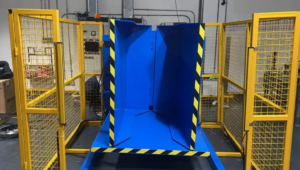
Addressing pallet inverter calibration issues effectively requires a systematic approach to troubleshooting and a commitment to regular preventative maintenance. Here are some key techniques:
1. Initial Checks and Visual Inspection: The First Line of Defense
Before diving into complex calibration procedures, start with basic checks:
- Visual Inspection: Look for any obvious signs of damage, loose components, or wear and tear. Check hydraulic hoses for leaks, electrical wiring for damage, and sensor mounts for looseness.
- Operational Checks: Run the pallet inverter through a few cycles without a load to observe its movements. Listen for unusual noises, jerky motions, or hesitations.
- Error Code Analysis: Modern inverters often display error codes. Consult the manufacturer's manual to understand these codes – they can provide valuable clues to the source of calibration problems.
2. Following Calibration Procedures: The Manual is Your Guide
Every pallet inverter model has specific calibration procedures outlined in the manufacturer's manual. These procedures are crucial for accurate and safe calibration.
- Consult the Manual: Always refer to the equipment's operation and maintenance manual for detailed calibration steps.
- Step-by-Step Approach: Follow the manual's instructions meticulously. Calibration often involves a sequence of steps that must be performed in order.
- Software Tools: Be prepared to use any software tools provided by the manufacturer for calibration adjustments.
3. Utilizing Calibration Tools: Precision Instruments
Depending on the complexity of the pallet inverter and the nature of the calibration issue, specific tools might be required:
- Torque Wrenches: For ensuring fasteners are tightened to the correct torque specifications, crucial for maintaining mechanical alignment.
- Pressure Gauges: For verifying and adjusting hydraulic or pneumatic pressures.
- Multimeters: For electrical diagnostics and voltage checks.
- Laser Alignment Tools: In some cases, laser alignment tools might be used to verify the precise alignment of critical components.
4. When to Seek Professional Calibration Services: Knowing Your Limits
While some basic calibration tasks can be performed in-house, complex issues or procedures often require professional expertise. Consult a qualified technician if:
- You lack the necessary tools or expertise.
- The manufacturer's manual recommends professional calibration.
- Troubleshooting steps are not resolving the issue.
- Safety-critical systems are involved.
- You need documented calibration for regulatory compliance.
Preventative Maintenance: The Calibration Guardian
The best way to minimize calibration issues is through a robust preventative maintenance program. Regular maintenance not only prolongs the life of your pallet inverter but also helps maintain its calibration accuracy.
1. Scheduled Calibration Checks: Proactive Fine-Tuning
Establish a schedule for regular calibration checks. The frequency will depend on the inverter's usage intensity and operating environment. A typical schedule might include:
- Annual Comprehensive Calibration: A thorough calibration performed by a qualified technician, including sensor verification, hydraulic system checks, and electrical system diagnostics.
- Semi-Annual or Quarterly Partial Calibration: Less intensive checks focusing on critical parameters like rotation accuracy and sensor alignment, potentially performed in-house.
2. Daily and Weekly Checks: Catching Issues Early
Incorporate simple daily and weekly checks into your operational routine:
- Daily Visual Inspections: Before each shift, perform a quick visual check for any obvious issues.
- Weekly Performance Checks: Run the inverter through a few cycles with a test load to monitor for smooth operation and any signs of instability or inaccuracy.
- Log Keeping: Maintain a log of maintenance activities, calibration checks, and any issues encountered. This helps track trends and identify recurring problems.
3. Lubrication, Cleaning, and General Maintenance: The Foundation
Regular lubrication of moving parts, cleaning to remove dirt and debris, and general maintenance tasks are fundamental to maintaining calibration. As the source material emphasizes:
- Lubrication: Regularly lubricate moving parts to reduce friction and prevent wear.
- Cleaning: Clean the inverter regularly to remove dirt and debris that can cause damage.
- Inspection: Regularly inspect for wear and tear, including loose or damaged components.
The Price of Neglect: Consequences of Poor Calibration
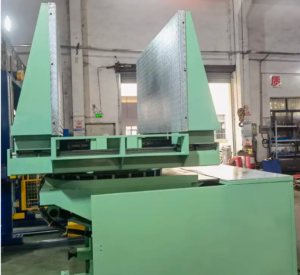
Failing to address pallet inverter calibration issues can have significant repercussions for your operations:
1. Safety Risks: Compromising Workplace Security
Miscalibrated pallet inverters pose safety risks to employees and products. Unstable loads, inaccurate movements, and malfunctioning safety mechanisms can lead to accidents, injuries, and product damage. Prioritizing employee safety through proper training and equipment maintenance is paramount.
2. Downtime and Productivity Loss: Disrupting the Workflow
Calibration issues often lead to unexpected downtime. Machine malfunctions, mid-cycle stops, and inaccurate operations disrupt workflows, delay production, and reduce overall productivity. Jamming and mid-cycle stops are common issues that can be exacerbated by poor calibration.
3. Increased Repair Costs: A Stitch in Time Saves Nine
Neglecting calibration can lead to more significant and costly repairs down the line. Minor calibration drifts, if left unaddressed, can escalate into major component failures. Regular calibration is an investment that prevents larger expenses in the long run.
4. Reduced Equipment Lifespan: Premature Wear
Continuous operation of a miscalibrated pallet inverter puts undue stress on its components, accelerating wear and tear and ultimately shortening its lifespan. Proper calibration, as part of a comprehensive maintenance program, contributes to the longevity of your equipment.
Conclusion: Calibration as a Cornerstone of Pallet Inverter Excellence
In conclusion, pallet inverter calibration is far more than a mere maintenance task – it's a critical element in ensuring operational efficiency, workplace safety, and the longevity of your equipment. Common issues like inaccurate rotation, load instability, sensor misalignment, hydraulic drift, and electrical errors can all stem from inadequate or neglected calibration.
By understanding these potential problems, implementing proactive troubleshooting techniques, and committing to a robust preventative maintenance schedule that includes regular calibration checks, businesses can maximize the benefits of their pallet inverters while minimizing downtime, repair costs, and safety risks. Investing in calibration is investing in the smooth, safe, and productive operation of your material handling processes. Don't let calibration be an afterthought – make it a priority, and reap the rewards of a finely tuned and reliably performing pallet inverter system.