
What Are the Common Causes of Pallet Inverter Control Panel Errors?
Pallet inverter control panel errors can stem from a variety of electrical and mechanical issues, including overvoltage, undervoltage, earth faults, overcurrent, and sensor malfunctions. Regular maintenance, including inspection, cleaning, and proper wiring checks, is crucial for preventing these errors and ensuring smooth operation.
Understanding the Vital Role of the Pallet Inverter Control Panel
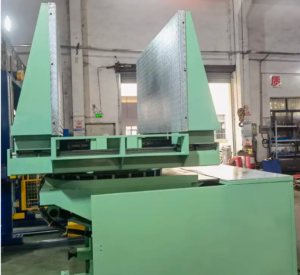
In the realm of material handling and warehouse operations, pallet inverters stand as indispensable equipment, streamlining the process of transferring loads between pallets, recovering damaged goods, or changing pallet types for hygiene or shipping requirements. At the heart of these machines lies the control panel, a sophisticated system that orchestrates the inverter's functions, ensuring precise and safe operation. Like any complex electrical system, the control panel is susceptible to errors that can disrupt operations, leading to downtime and potential productivity losses. Understanding the common causes of these errors is the first step towards preventative maintenance and efficient troubleshooting.
Common Categories of Pallet Inverter Control Panel Errors

Pallet inverter control panel errors can manifest in various forms, often indicated by fault codes displayed on the Variable Frequency Drive (VFD) or Programmable Logic Controller (PLC). These errors generally fall into several key categories, each requiring a specific approach to diagnose and resolve.
Electrical Supply Issues: Overvoltage and Undervoltage
One of the most frequent culprits behind control panel errors is instability in the electrical power supply. Inverters are designed to operate within a specific voltage range, and deviations outside this range can trigger fault conditions.
Overvoltage occurs when the input voltage to the inverter exceeds the acceptable limit. This can be caused by several factors:
- Rapid Deceleration of High Inertia Loads: When a heavy load decelerates quickly, the motor can act as a generator, feeding energy back into the inverter and increasing the DC voltage in the intermediate circuit.
- Supply Voltage Fluctuations: Inconsistent or transient high voltage from the main power supply can directly cause overvoltage errors.
- Brake Chopper or Resistor Malfunction: Brake choppers and resistors are designed to dissipate excess energy during deceleration. If these components fail, overvoltage can occur.
Undervoltage, conversely, arises from insufficient voltage supply. Common causes include:
- Mains Supply Problems: A missing phase in the three-phase power supply, often due to blown fuses, faulty isolators, or contactors, can lead to undervoltage.
- Low Mains Voltage: If the incoming mains voltage is consistently below the required level, the inverter will register an undervoltage fault.
- Internal Rectifier Bridge Fault: A failure within the inverter's rectifier bridge, which converts AC to DC, can also result in undervoltage.
Ground Faults: Insulation Breakdown
Earth faults, also known as ground faults, are another significant source of control panel errors. These faults occur when there is an unintended path for current to flow to the ground, typically due to a breakdown in insulation.
- Motor and Cable Insulation Degradation: Over time, the insulation of motor windings or power cables can deteriorate due to heat, moisture, or physical damage. This reduced insulation resistance allows leakage current to flow to earth.
- Capacitors or Surge Absorbers in Motor Circuit: Power factor correction capacitors or surge absorbers, if improperly installed or failing, can create earth leakage paths.
- Long Cable Lengths: Excessively long motor cables can increase capacitance, potentially leading to earth fault detection, especially in sensitive systems.
Overcurrent: Excessive Load Demands
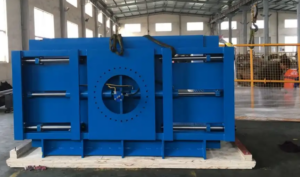
Overcurrent faults are triggered when the motor draws more current than the inverter is configured to allow. This indicates an overload condition or a problem within the motor or driven load.
- Excessive Motor Load: If the pallet inverter is attempting to lift or rotate a load that exceeds its rated capacity, it will draw excessive current.
- Rapid Acceleration: Accelerating a high inertia load too quickly demands a surge of current, which can trigger an overcurrent fault.
- Motor or Cable Issues: Faulty motor windings, short circuits within the motor, or damaged motor cables can all cause excessive current draw.
- Incorrect Motor Voltage Connection: If the motor is incorrectly wired for the applied voltage (e.g., connected for 230V when supplied with 400V), it will draw excessive current.
- Mechanical Binding: If the pallet inverter mechanism is mechanically bound or restricted, the motor will have to work harder and draw more current.
Blown Fuses: Circuit Overload or Short Circuit
Blown fuses are a common indicator of electrical overloads or short circuits within the control panel or associated circuits.
- Overload Conditions: Drawing current beyond the fuse's rated capacity, often due to added components or excessive load demands, will cause the fuse to blow, protecting the circuit from damage.
- Short Circuits: A short circuit, where current bypasses its intended path and takes a low-resistance route, will cause a sudden surge of current, blowing the fuse. This can be caused by wiring faults, component failures, or insulation breakdown.
- Defective Components: A failing component within the control panel can draw excessive current or create a short circuit, leading to fuse failure.
Wiring and Connection Problems: Loose or Damaged Wires
Simple wiring and connection issues are often overlooked but can be significant contributors to control panel errors.
- Loose Connections: Vibrations, temperature changes, and general wear and tear can cause wiring connections to loosen over time. Loose connections increase resistance, leading to voltage drops, overheating, and intermittent faults.
- Damaged Wires: Physical damage to wires, such as cuts, abrasions, or crushed insulation, can lead to short circuits, earth faults, or open circuits.
- Incorrect Wiring: Errors during installation or maintenance, such as miswiring terminals or incorrect cable types, can cause immediate malfunctions or latent problems.
Sensor and Feedback Issues: Inaccurate Data
Pallet inverter control panels rely on sensors to monitor position, load, and safety parameters. Malfunctions or miscalibration of these sensors can lead to errors.
- Faulty Proximity Sensors: Proximity sensors detect the position of moving parts. If these sensors fail or become misaligned, the control system may receive incorrect position data, disrupting the cycle or triggering faults.
- Misaligned Rotation Sensors: Rotation sensors count rotations for precise positioning. Misalignment can lead to inaccurate wrap counts or incorrect pallet positioning.
- Contaminated or Damaged Sensors: Dirt, debris, or physical damage to sensor surfaces can impair their accuracy and reliability.
Troubleshooting Pallet Inverter Control Panel Errors
When a pallet inverter control panel error occurs, systematic troubleshooting is crucial to identify the root cause and implement effective repairs.
-
Record Fault Codes: Note down any fault codes displayed on the VFD or PLC. These codes are the first clue to the nature of the problem and should be referenced in the equipment manual.
-
Consult the Manual: The owner's manual is an invaluable resource. It contains fault code lists, descriptions, and recommended troubleshooting steps. Follow the manual's guidance for initial diagnosis.
-
Power Cycle: For transient errors, a simple power cycle (turning the machine off for at least 20 seconds and then back on) can sometimes clear the fault. However, if the fault reappears immediately, further investigation is needed.
-
Visual Inspection: Carefully inspect the control panel, wiring, motor, and associated components for any obvious signs of damage, loose connections, burnt components, or blown fuses.
-
Check Wiring and Connections: Systematically check all wiring connections for tightness and integrity. Ensure wires are properly terminated and not damaged.
-
Verify Power Supply: Use a multimeter to verify the incoming voltage and check for phase imbalances or voltage drops.
-
Insulation Resistance Testing: Use an insulation resistance tester (Megger) to check the insulation resistance of the motor and cables to identify earth faults.
-
Component Testing: If a specific component is suspected, use appropriate testing methods (e.g., multimeter for fuses, component testers for diodes, transistors) to verify its functionality.
-
Sensor Calibration and Cleaning: Check the calibration of sensors and clean sensor surfaces to ensure accurate readings.
-
Professional Consultation: For complex issues or if troubleshooting is beyond your expertise, consult a qualified technician with experience in pallet inverter repair.
Preventive Maintenance: Minimizing Control Panel Errors
Regular preventive maintenance is the most effective way to minimize pallet inverter control panel errors and ensure long-term reliable operation.
- Regular Inspection: Conduct routine visual inspections of the control panel, wiring, and components. Look for loose connections, damaged wires, signs of overheating, and debris accumulation.
- Cleaning: Keep the control panel clean and free from dust, dirt, and moisture. Use compressed air or a vacuum cleaner to remove dust buildup.
- Tightening Connections: Periodically check and tighten all electrical connections within the control panel and associated wiring.
- Lubrication of Moving Parts: While not directly control panel related, lubricating moving parts of the pallet inverter reduces mechanical stress on the motor and electrical system.
- Hydraulic System Maintenance: Maintain the hydraulic system as per manufacturer recommendations. Hydraulic system failures can indirectly impact the electrical system and control panel.
- Calibration: Calibrate sensors and control systems regularly to ensure accurate operation and prevent false fault triggers.
- Scheduled Component Replacement: Follow a schedule for replacing components with a limited lifespan, such as fuses, capacitors, and relays, to prevent failures.
- Professional Service: Engage professional technicians for periodic maintenance and inspections to identify and address potential issues before they escalate into major errors.
Conclusion: Ensuring Reliable Pallet Inverter Operation
Pallet inverter control panel errors can be disruptive, but understanding their common causes empowers operators and maintenance personnel to proactively address potential issues. By implementing a robust preventive maintenance program, conducting thorough troubleshooting when errors arise, and addressing electrical supply, wiring, and component integrity, businesses can minimize downtime, extend the lifespan of their pallet inverters, and maintain efficient and safe material handling operations. Regular attention to the control panel, the "brain" of the pallet inverter, is an investment in operational reliability and productivity.