
What Are the Challenges of Implementing Pallet Inverters in Small-Scale Industries?
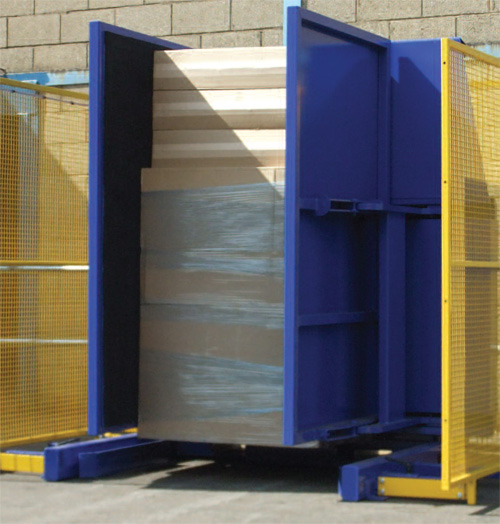
Implementing pallet inverters can significantly boost efficiency and safety in material handling. However, for small-scale industries, several challenges exist, including initial investment costs, space constraints within smaller facilities, and the need for staff training on new equipment. Overcoming these hurdles requires careful planning and a strategic approach to integration.
Understanding Pallet Inverters and Their Role in Material Handling
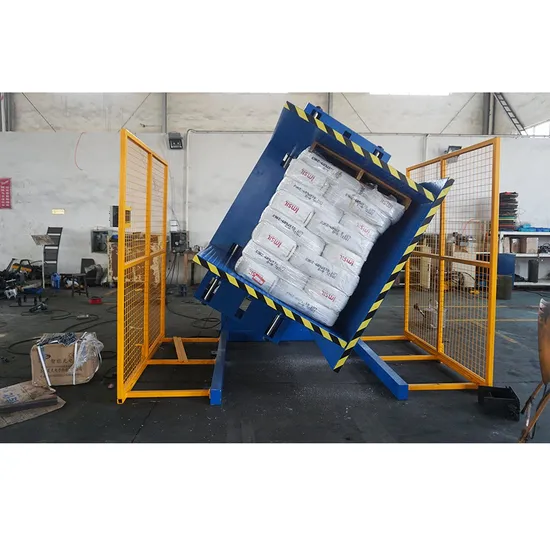
Pallet inverters are specialized pieces of equipment designed to rotate or invert palletized loads. This capability offers numerous advantages in material handling, streamlining processes like pallet exchange, damaged goods retrieval from the bottom of stacks, and product rotation for industries dealing with materials prone to settling or caking. By automating the inversion process, these machines reduce manual labor, minimize product damage, and enhance workplace safety compared to traditional methods like forklifts or manual restacking. For small-scale industries, these benefits can translate to significant improvements in operational efficiency and cost savings over time.
The Perceived Disadvantages: Addressing Common Concerns
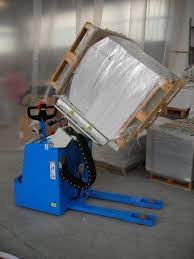
While pallet inverters offer compelling advantages, some perceived disadvantages might deter small-scale industries. Concerns often revolve around complexity, cost, and integration into existing workflows. It’s crucial to address these potential drawbacks head-on to make an informed decision about implementation.
Complexity of Installation and Operation
One initial concern is the perceived complexity of installing and operating pallet inverters. Some might assume these are intricate machines requiring extensive technical expertise. However, modern pallet inverters are designed with user-friendliness in mind. Many models are available as stand-alone units, simplifying installation and integration. Push-button controls and clear operating procedures make them relatively easy to use, minimizing the learning curve for operators. Furthermore, suppliers often provide comprehensive training and support to ensure smooth setup and operation.
Potential for Electromagnetic Interference (EMI) – A Misconception in Modern Units
In the past, some electrical equipment raised concerns about electromagnetic interference. However, with advancements in technology, modern pallet inverters are designed to minimize EMI. Reputable manufacturers adhere to stringent electrical standards and incorporate shielding to prevent interference with other equipment. This concern is largely mitigated in contemporary pallet inverter designs, especially those from established suppliers.
Durability and Maintenance Concerns
Another potential disadvantage could be concerns about the durability and maintenance requirements of pallet inverters. Like any mechanical equipment, pallet inverters require regular maintenance to ensure optimal performance and longevity. However, well-built inverters from reputable manufacturers are designed for industrial use and constructed with robust components. Regular maintenance typically involves basic procedures like cleaning, lubrication, and periodic inspections, which can often be performed in-house with proper training. Furthermore, choosing a supplier that offers comprehensive maintenance services and readily available spare parts can alleviate durability concerns and ensure minimal downtime.
Challenges Specific to Small-Scale Industries
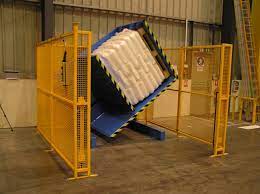
While general concerns about pallet inverters can be addressed, small-scale industries face unique challenges when considering their implementation. These challenges often stem from resource constraints and operational scales that differ significantly from larger enterprises.
Cost Considerations: Justifying the Initial Investment
The initial investment cost of a pallet inverter can be a significant hurdle for small-scale industries with tighter budgets. Purchasing new equipment represents a capital expenditure that needs careful justification. For smaller operations, the immediate return on investment might not be as apparent as it would be for high-volume facilities. However, it's crucial to consider the long-term cost benefits. Pallet inverters reduce manual labor costs, minimize product damage (leading to less waste and fewer returns), and improve efficiency, potentially freeing up employees for other value-added tasks. A thorough cost-benefit analysis, considering these long-term savings and efficiency gains, is essential to justify the initial investment. Exploring options like leasing or purchasing used equipment can also make pallet inverters more financially accessible.
Space Constraints in Smaller Facilities
Small-scale industries often operate in facilities with limited floor space. Integrating a pallet inverter into an already crowded workspace can be a challenge. The footprint of the inverter needs to be carefully considered, and space optimization becomes paramount. Fortunately, pallet inverters are available in various sizes, including compact models designed for smaller facilities. Portable pallet inverters offer even greater flexibility, as they can be moved and used in different areas as needed, maximizing space utilization. Careful planning of the facility layout and choosing the right size and type of inverter are crucial to overcome space constraints.
Lower Volume and Throughput Requirements
Small-scale industries may have lower daily throughput requirements compared to large distribution centers or manufacturing plants. If pallet inversion is only needed occasionally, the justification for a dedicated, high-capacity inverter might be weaker. However, even with lower volumes, the benefits of pallet inverters – such as reduced manual labor and improved safety – can still be significant. For lower volume applications, a smaller, less expensive, and potentially portable inverter model might be the most suitable choice. It's about finding the right balance between capacity and cost to meet the specific needs of the operation.
Integration with Existing Material Handling Systems
Small-scale industries may have simpler, less automated material handling systems compared to large-scale operations. Integrating a pallet inverter into an existing manual or semi-automated workflow requires careful planning. The inverter needs to seamlessly interface with existing equipment like pallet jacks, forklifts (if used), and conveyors (if present). Choosing a pallet inverter that is compatible with the current material handling setup and considering the overall workflow is essential for smooth integration. Starting with a stand-alone inverter unit that is manually loaded and unloaded can be a practical first step before considering more complex automated integration.
Training and Skill Development for Operators
Introducing new equipment like pallet inverters necessitates operator training. While modern inverters are generally user-friendly, employees need to be trained on safe operation procedures, basic maintenance, and troubleshooting. For small-scale industries, dedicating time and resources to training can be a challenge, especially if staff is already stretched thin. However, proper training is crucial for safety and maximizing the benefits of the inverter. Leveraging the training resources offered by the inverter supplier and developing clear, concise operating procedures can address this challenge effectively. Investing in training upfront will pay off in the long run through safer operations and efficient utilization of the equipment.
Strategies for Successful Implementation in Small-Scale Industries
Despite the challenges, small-scale industries can successfully implement pallet inverters and reap their benefits by adopting a strategic approach. Focusing on careful planning, choosing the right equipment, and phased implementation are key to overcoming these hurdles.
Thorough Needs Assessment and Justification
Before investing in a pallet inverter, a thorough needs assessment is crucial. Small-scale industries should carefully analyze their current material handling processes, identify pain points related to manual pallet inversion or handling, and quantify the potential benefits of automation. This assessment should include:
- Identifying specific applications: Where would a pallet inverter be most beneficial? (e.g., pallet exchange, damaged goods retrieval, product rotation).
- Estimating volume and frequency of use: How often will the inverter be used daily or weekly?
- Calculating potential cost savings: Estimate savings from reduced labor, product damage, and improved efficiency.
- Assessing space availability and integration requirements: Where will the inverter be located, and how will it integrate with existing workflows?
This detailed analysis will provide a clear justification for the investment and guide the selection of the appropriate type and size of pallet inverter.
Phased Implementation Approach
For small-scale industries, a phased implementation approach can be less disruptive and more manageable than a large-scale overhaul. This could involve:
- Starting with a single stand-alone unit: Begin by implementing one pallet inverter in a specific area where it will have the most immediate impact.
- Manual loading and unloading initially: Initially, operate the inverter as a stand-alone unit with manual loading and unloading using pallet jacks.
- Gradual integration with existing equipment: Over time, explore integrating the inverter with forklifts or conveyors as needed and as resources allow.
- Operator training in stages: Train a core group of operators initially and then expand training as needed.
This phased approach allows small-scale industries to gradually adopt pallet inverter technology, assess its benefits in their specific context, and make informed decisions about further expansion.
Choosing the Right Type and Size of Pallet Inverter
Selecting the right pallet inverter is critical for successful implementation in small-scale industries. Factors to consider include:
- Load capacity: Choose an inverter with a load capacity that meets the typical weight of pallet loads handled.
- Size and footprint: Select a model that fits within the available space and facility layout. Consider compact or portable models for space-constrained environments.
- Type of inverter: Consider single clamp, dual clamp, or ground loading models based on the variety of loads and available equipment (e.g., ground loading for facilities without forklifts).
- Features and options: Evaluate features like clamp pressure settings (for delicate products), automation options, and safety features based on specific needs.
- Supplier support and service: Choose a reputable supplier that offers comprehensive training, maintenance services, and readily available spare parts.
Careful consideration of these factors will ensure that the chosen pallet inverter is well-suited to the specific needs and constraints of the small-scale industry.
Focusing on Long-Term ROI and Benefits
Small-scale industries should focus on the long-term return on investment and benefits of pallet inverters rather than just the initial cost. While the upfront investment might seem significant, the long-term savings and improvements in efficiency, safety, and reduced product damage can outweigh the initial expense. Communicating these long-term benefits to stakeholders and employees is crucial for gaining buy-in and ensuring successful implementation. Highlighting the improved work environment, reduced physical strain on employees, and enhanced operational capabilities can demonstrate the value of pallet inverters beyond just cost savings.
Integrating Pallet Inverters into Material Handling Systems
Effective integration is key to maximizing the benefits of pallet inverters in any industry, including small-scale operations. This involves considering the workflow, material flow, and how the inverter will interact with existing equipment and processes.
Workflow Optimization
Integrating a pallet inverter should be seen as an opportunity to optimize the overall material handling workflow. Analyze the current process and identify bottlenecks or inefficiencies that the inverter can address. Consider how the inverter can streamline pallet exchange, damaged goods handling, or product rotation within the larger workflow. Re-designing the workflow around the inverter can maximize its impact and ensure seamless operation.
Material Flow and Layout Considerations
Carefully plan the material flow around the pallet inverter and optimize the facility layout accordingly. Ensure that there is adequate space for loading and unloading the inverter, as well as for staging pallets before and after inversion. Consider the proximity of the inverter to other relevant areas, such as receiving docks, storage areas, or production lines, to minimize material movement distances. A well-planned layout will enhance efficiency and safety.
Compatibility with Other Equipment
Ensure compatibility between the pallet inverter and other material handling equipment used in the facility. This includes:
- Pallet jacks: Ensure smooth transfer of pallets to and from the inverter using pallet jacks. Ground loading inverters are specifically designed for pallet jack compatibility.
- Forklifts: If forklifts are used, ensure that the inverter is positioned and designed for safe and efficient forklift loading and unloading.
- Conveyors: For more automated systems, consider integrating the inverter with existing or planned conveyor systems for automated pallet feeding and discharge.
Choosing equipment that is compatible and planning for seamless interaction will enhance overall system efficiency and minimize operational disruptions.
Conclusion: Pallet Inverters – A Viable Solution for Small-Scale Industries
While implementing pallet inverters in small-scale industries presents unique challenges related to cost, space, volume, and integration, these challenges are not insurmountable. By conducting a thorough needs assessment, adopting a phased implementation approach, choosing the right equipment, and focusing on long-term ROI, small-scale industries can successfully integrate pallet inverters into their operations. The benefits – including improved efficiency, enhanced safety, reduced product damage, and optimized space utilization – make pallet inverters a viable and valuable solution for even smaller manufacturing and warehousing environments. Careful planning and a strategic approach will unlock these advantages and contribute to the long-term success of small-scale industrial businesses.