
What Are the Challenges of Implementing Pallet Inverters in Logistics?
Are you considering pallet inverters to streamline your logistics? While offering significant efficiency gains, implementing them comes with its own set of challenges. This article explores the hurdles of pallet inverter implementation, including cost, integration, space, maintenance, training, and operational disruption, and offers strategies for successful adoption to optimize your supply chain.
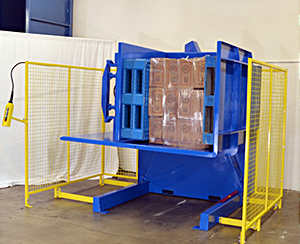
Pallet inverters, also known as pallet flippers, are revolutionizing material handling across various industries. These machines, designed to rotate pallet loads by 180 degrees, offer a compelling solution for damaged or unstable pallets, incorrect stacking, and product transfers. The benefits are clear: enhanced efficiency, reduced manual labor, and minimized product damage. For logistics professionals aiming to optimize warehouse operations and streamline supply chains, pallet inverters appear to be a game-changer.
However, the path to realizing these benefits isn't always straightforward. Implementing pallet inverters in logistics is not without its challenges. Like any significant technological integration, it requires careful planning, strategic investment, and a deep understanding of potential roadblocks. This article will delve into the key challenges of implementing pallet inverters, offering insights and strategies to navigate these hurdles successfully.
Understanding Pallet Inverters and Their Logistics Role
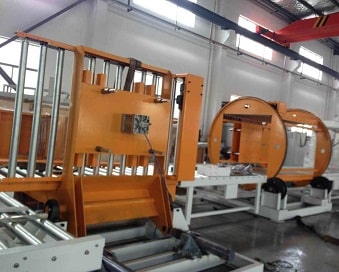
Before diving into the challenges, it's crucial to understand what pallet inverters are and why they are increasingly vital in modern logistics. Pallet inverters are essentially specialized machinery designed to efficiently and safely invert palletized loads. This inversion capability addresses a range of common logistics issues, offering a more streamlined alternative to traditional manual methods.
Traditionally, flipping pallets or transferring goods between pallets was a labor-intensive and time-consuming manual task. It often involved multiple workers, increased the risk of product damage, and posed potential safety hazards. Pallet inverters automate this process, significantly reducing manual handling and its associated drawbacks.
The advantages of pallet inverters in logistics are multifaceted:
- Damage Reduction: By gently and securely flipping pallet loads, inverters minimize the risk of product damage associated with manual handling. This is particularly crucial for fragile or high-value goods.
- Improved Efficiency: Automation drastically speeds up the pallet flipping and load transfer process, leading to faster throughput and reduced turnaround times in warehouses and distribution centers.
- Enhanced Safety: Reducing manual lifting and handling of heavy loads inherently improves workplace safety, minimizing the risk of worker injuries.
- Versatility: Modern pallet inverters are designed to handle a wide array of pallet sizes and load types, making them adaptable to diverse logistics operations.
- Cost Savings: While there is an initial investment, the long-term benefits of reduced labor costs, minimized product damage, and increased efficiency contribute to significant cost savings over time.
Given these compelling advantages, why isn't every logistics operation immediately adopting pallet inverters? The answer lies in the practical challenges associated with their implementation.
Key Challenges in Pallet Inverter Implementation
Implementing pallet inverters is more than just purchasing a machine; it's a strategic integration that touches various aspects of logistics operations. Here are some of the most significant challenges to consider:
1. Cost Considerations: Initial Investment and ROI
The upfront cost of acquiring and installing pallet inverters can be a significant barrier, especially for smaller businesses or operations with tight budgets. Beyond the purchase price of the machinery itself, implementation costs can include:
- Equipment Costs: The price of pallet inverters varies depending on type, capacity, and features.
- Installation Costs: Proper installation may require facility modifications, electrical work, and professional setup.
- Training Costs: Operators need to be trained on how to safely and effectively use the new equipment.
While the long-term Return on Investment (ROI) is often substantial due to increased efficiency and reduced costs in other areas, justifying the initial capital expenditure can be challenging. Logistics managers must conduct a thorough cost-benefit analysis, considering factors like labor cost savings, reduction in product damage, increased throughput, and potential for future scalability. It's crucial to view pallet inverters as a long-term investment rather than a short-term expense.
2. Integration Complexity: System Compatibility and Workflow Adaptation
Pallet inverters don't operate in isolation; they need to integrate seamlessly into existing warehouse systems and workflows. This integration can present several complexities:
- Compatibility with Existing Equipment: Ensuring pallet inverters are compatible with forklifts, pallet jacks, conveyors, and other material handling equipment is crucial. Incompatibility can lead to bottlenecks and inefficiencies.
- Workflow Redesign: Implementing pallet inverters may necessitate adjustments to existing warehouse layouts and operational workflows. Processes for pallet handling, loading, unloading, and storage may need to be re-engineered to maximize the benefits of the new equipment.
- Data and System Integration: For operations utilizing Warehouse Management Systems (WMS) or other inventory management software, integrating pallet inverter data for tracking and efficiency analysis is essential for a holistic view of operations.
Overcoming these integration challenges requires careful planning and a systems-thinking approach. Logistics managers need to assess current infrastructure, identify potential integration points, and develop a detailed integration plan to ensure smooth operation and avoid disruptions.
3. Space and Layout Constraints: Warehouse Footprint and Operational Area
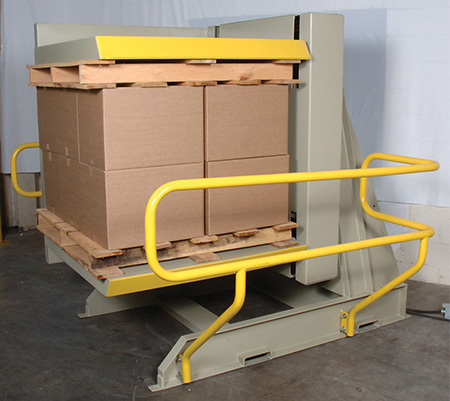
Warehouse space is a valuable commodity, and implementing pallet inverters requires allocating sufficient operational area. Space-related challenges include:
- Equipment Footprint: Pallet inverters, while efficient, occupy physical space within the warehouse. The footprint of the chosen inverter model must be considered in relation to available space.
- Operational Area: Sufficient space is needed around the inverter for safe and efficient operation, including room for forklifts or pallet jacks to maneuver and load/unload pallets.
- Warehouse Layout Optimization: Integrating pallet inverters may require a re-evaluation of the existing warehouse layout to ensure optimal flow and minimize congestion. This might involve rearranging storage areas, traffic lanes, and other equipment.
Addressing space constraints requires a thorough assessment of the warehouse layout and operational flow. Logistics managers may need to explore options for optimizing space utilization, potentially reconfiguring storage areas or streamlining traffic patterns to accommodate pallet inverters effectively.
4. Maintenance and Downtime: Ensuring Operational Uptime
Like any machinery, pallet inverters require regular maintenance to ensure optimal performance and longevity. Maintenance concerns include:
- Scheduled Maintenance: Establishing a proactive maintenance schedule is crucial to prevent breakdowns and ensure smooth operation. This includes regular inspections, lubrication, and component checks.
- Potential Downtime: Any downtime for maintenance or repairs can impact operational efficiency. Minimizing downtime requires efficient maintenance procedures and readily available spare parts.
- Specialized Maintenance Skills: Maintaining pallet inverters may require specialized technical skills. Logistics operations must ensure access to trained maintenance personnel, either in-house or through service agreements with equipment providers.
To mitigate maintenance challenges, logistics operations should invest in preventative maintenance programs, ensure access to skilled technicians, and consider service agreements that guarantee timely support and minimize potential downtime. Predictive maintenance, leveraging sensor data and AI, can further optimize maintenance schedules and prevent unexpected breakdowns, as highlighted in the context of broader pallet automation.
5. Training and Skill Gaps: Operator Proficiency and Safety
Implementing pallet inverters introduces new equipment and processes, necessitating adequate training for personnel. Training-related challenges include:
- Operator Training: Warehouse staff need comprehensive training on the safe and efficient operation of pallet inverters. This training should cover equipment controls, safety procedures, and best practices for load handling.
- Maintenance Training: As mentioned earlier, maintenance personnel may require specialized training to service and repair pallet inverters effectively.
- Skill Gap Identification: Implementing new technology may expose skill gaps within the existing workforce. Logistics operations need to identify these gaps and invest in training programs to upskill employees and ensure they can effectively operate and maintain the new equipment.
Successful implementation hinges on well-designed and executed training programs. These programs should be hands-on, comprehensive, and regularly updated to ensure operator proficiency, safety compliance, and optimal utilization of pallet inverter technology. Drawing parallels from the broader automation landscape, learning to work alongside automated systems is key, and training plays a vital role in this adaptation.
6. Operational Disruption: Managing the Implementation Phase
The implementation phase itself can cause temporary disruptions to ongoing logistics operations. Potential disruptions include:
- Installation Downtime: Facility modifications and equipment installation can temporarily disrupt warehouse operations in the affected area.
- Workflow Adjustments: Changes to workflows and processes can initially lead to confusion and reduced efficiency as staff adapt to the new system.
- Learning Curve: Operator training and adaptation to new equipment take time. During the initial phase, there may be a learning curve that temporarily impacts throughput.
Minimizing operational disruption requires careful planning and phased implementation. Logistics managers should develop a detailed implementation plan, communicate changes clearly to staff, provide adequate training and support, and consider a phased rollout to minimize the impact on ongoing operations. Learning from broader automation implementation experiences, a structured approach to restructuring and adaptation is essential for a smooth transition.
Strategies for Successful Pallet Inverter Implementation
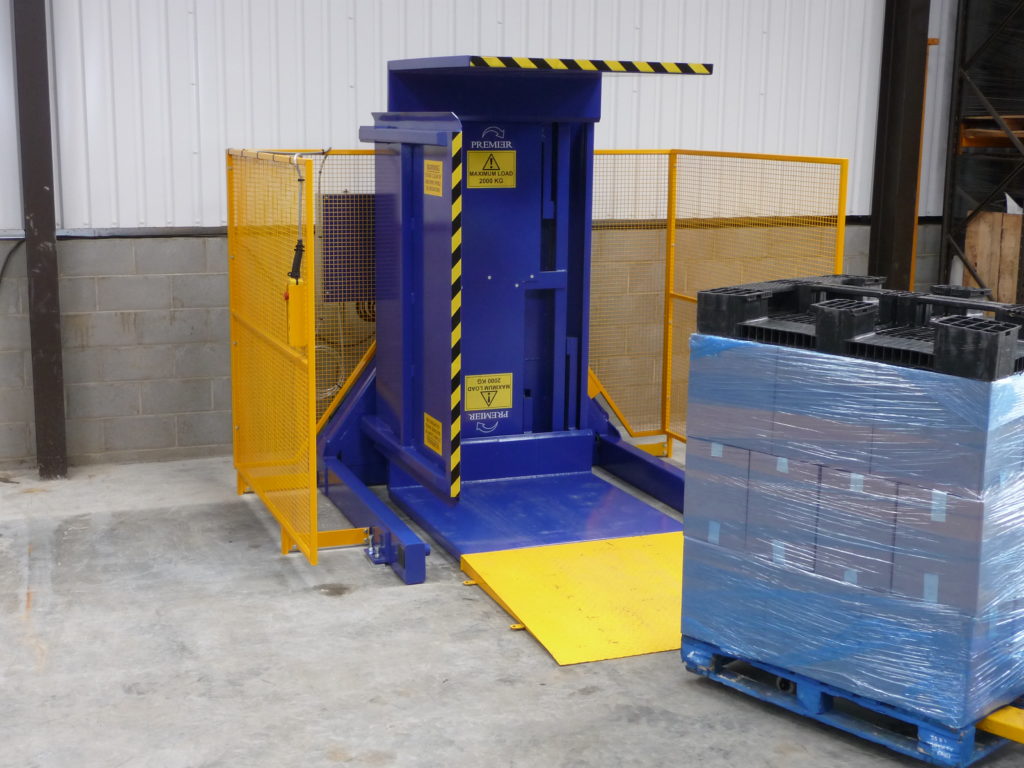
While the challenges of implementing pallet inverters are real, they are also surmountable. By adopting proactive strategies and best practices, logistics operations can navigate these hurdles and unlock the significant benefits of pallet inverter technology.
1. Phased Implementation and Scalability: Start Small, Scale Smart
To manage costs and minimize disruption, consider a phased implementation approach:
- Pilot Program: Begin with a pilot program in a specific area of the warehouse or for a particular product line. This allows for testing, refinement of processes, and gathering data on ROI before full-scale rollout.
- Scalable Solutions: Choose pallet inverter models and systems that can be scaled up as operational needs grow. Modular and adaptable systems offer greater flexibility.
- Just-in-Time Investment: Align investment in pallet inverters with current business needs and projected growth. Avoid overspending on capacity that is not immediately required.
This phased approach mirrors the strategy of scaling automation investments according to current needs and business growth, ensuring that investments are commensurate with operational requirements and financial capacity.
2. Thorough Planning and Site Assessment: Lay the Groundwork for Success
Comprehensive planning is paramount to address space constraints and integration complexities:
- Detailed Site Assessment: Conduct a thorough assessment of the warehouse layout, space availability, and current workflows.
- Space Optimization Planning: Develop a detailed plan for integrating pallet inverters, optimizing warehouse layout, and ensuring sufficient operational area.
- Workflow Design and Redesign: Map out current workflows and redesign processes to seamlessly incorporate pallet inverter operations, maximizing efficiency and minimizing bottlenecks.
Just as space considerations are critical in broader pallet automation, meticulous planning and site assessment are essential for successful pallet inverter integration. This proactive approach ensures that implementation is tailored to the specific warehouse environment and operational needs.
3. Comprehensive Training Programs: Empower Your Workforce
Investing in robust training programs is essential to address skill gaps and ensure operator proficiency:
- Hands-on Operator Training: Provide comprehensive, hands-on training for all operators who will be using pallet inverters. Emphasize safety procedures, equipment controls, and best practices for load handling.
- Maintenance Training for Technicians: Ensure maintenance personnel receive specialized training to effectively service and repair pallet inverters.
- Ongoing Training and Support: Establish ongoing training programs and provide readily available support to address any questions or challenges that arise as staff become familiar with the new equipment.
Mirroring the emphasis on learning to work with automation, comprehensive training programs empower the workforce to effectively utilize pallet inverters, ensuring both safety and optimal performance.
4. Predictive Maintenance and Service Agreements: Minimize Downtime
To address maintenance concerns and minimize downtime:
- Preventative Maintenance Schedules: Implement rigorous preventative maintenance schedules to ensure regular inspections, lubrication, and component checks.
- Predictive Maintenance Technologies: Explore the use of predictive maintenance technologies, leveraging sensor data and AI to anticipate maintenance needs and prevent unexpected breakdowns.
- Service Level Agreements (SLAs): Consider service agreements with equipment providers that guarantee timely support, repairs, and access to spare parts, minimizing potential downtime.
Drawing from the solution of predictive maintenance in broader automation contexts, a proactive approach to maintenance, coupled with service agreements, ensures operational uptime and maximizes the long-term value of pallet inverter investments.
5. Choosing the Right Inverter Type: Matching Equipment to Needs
Selecting the appropriate type of pallet inverter is crucial for addressing specific operational needs and maximizing efficiency:
- Load Capacity and Size: Choose inverters with the appropriate load capacity and size handling capabilities for the types of pallets and goods being processed.
- Operational Requirements: Consider specific operational requirements, such as throughput volume, space constraints, and integration needs, when selecting an inverter model.
- Material Compatibility: Ensure the inverter is compatible with the materials of the pallets being used, whether wood, plastic, or metal.
Just as selecting the right pallet type is crucial for overall pallet management, choosing the right pallet inverter model, tailored to specific operational requirements, is essential for maximizing efficiency and ROI.
Pallet Inverter Integration for Supply Chain Optimization
When implemented strategically, pallet inverters become more than just individual machines; they become integral components of a streamlined and optimized supply chain. Their integration contributes to broader supply chain optimization in several key ways:
- Improved Efficiency and Throughput: Pallet inverters significantly accelerate pallet handling processes, reducing bottlenecks in receiving, shipping, and warehouse operations. This increased throughput translates to faster order fulfillment and improved customer service.
- Enhanced Safety and Ergonomics: By minimizing manual handling, pallet inverters create a safer working environment for warehouse personnel, reducing the risk of injuries associated with lifting and flipping heavy loads. This improves employee morale and reduces costs related to workplace accidents.
- Reduced Product Damage: The gentle and controlled inversion process of pallet inverters minimizes product damage during handling and transfers. This is particularly critical for sensitive or high-value goods, leading to reduced product loss and improved profitability.
- Streamlined Reverse Logistics: Pallet inverters can play a crucial role in reverse logistics operations, efficiently handling returned goods, facilitating pallet exchange programs, and streamlining the processing of damaged pallets for repair or recycling. This contributes to a more circular and sustainable supply chain.
By addressing key challenges proactively and strategically integrating pallet inverters into logistics operations, businesses can unlock significant improvements in efficiency, safety, and sustainability, ultimately contributing to a more robust and optimized supply chain.
Conclusion: Embracing Pallet Inverters for Logistics Advancement
Implementing pallet inverters in logistics presents a set of challenges, but these are outweighed by the transformative benefits they offer. From cost considerations and integration complexities to space constraints, maintenance needs, training requirements, and potential operational disruptions, each hurdle can be navigated with careful planning and strategic execution.
By adopting a phased approach, conducting thorough site assessments, investing in comprehensive training, prioritizing preventative maintenance, and selecting the right equipment, logistics operations can successfully implement pallet inverters and unlock their full potential.
The integration of pallet inverters is not merely about automating a single task; it's about strategically enhancing the entire supply chain. The gains in efficiency, safety, reduced product damage, and streamlined reverse logistics contribute to a more resilient, cost-effective, and sustainable operation.
For logistics professionals seeking to optimize warehouse operations, enhance safety, and drive supply chain efficiency, embracing pallet inverter technology is a strategic move. By proactively addressing the implementation challenges and leveraging the transformative power of pallet inverters, businesses can build a stronger, more efficient, and future-ready logistics operation, one pallet flip at a time.
Considering pallet inverters? Be prepared for implementation hurdles like cost, integration, space, maintenance, training, and disruption. However, strategic planning, phased rollout, and robust training can overcome these challenges, unlocking significant gains in efficiency, safety, and supply chain optimization.