
What Are the Best Practices for Pallet Inverter Operator Training?
[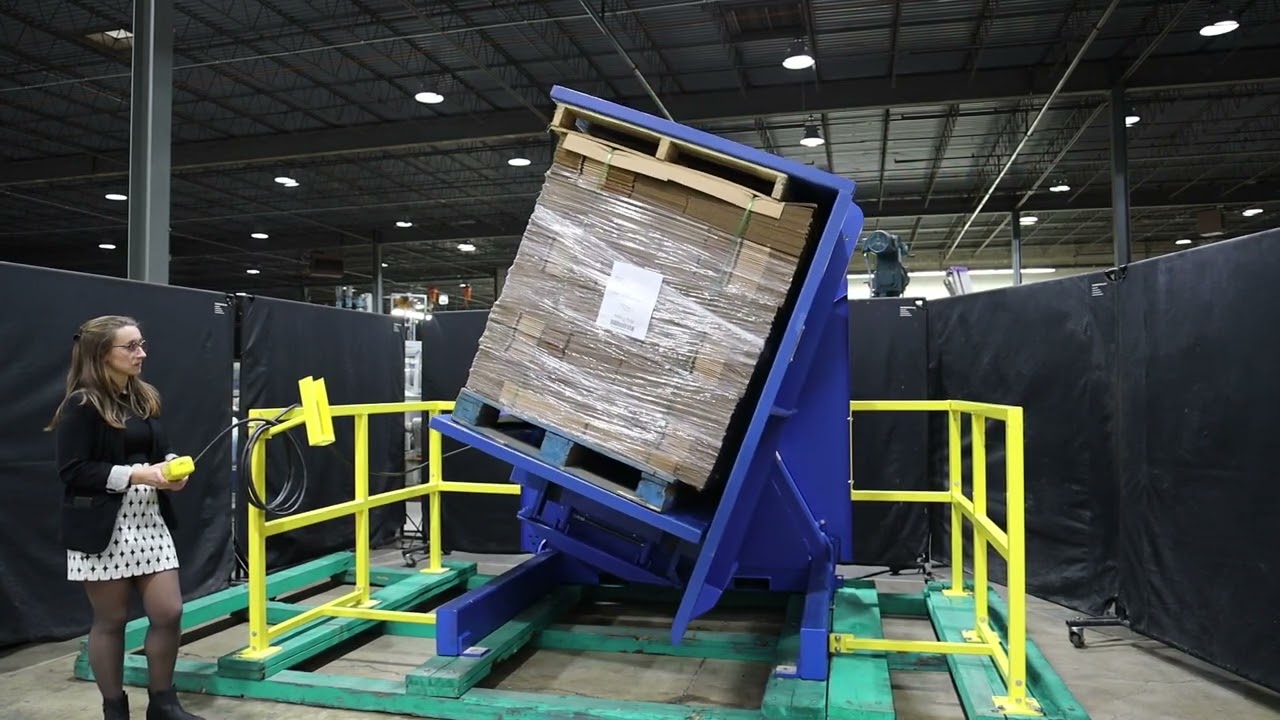
Ensuring warehouse safety and efficiency hinges on comprehensive pallet inverter operator training. Best practices include hands-on machine familiarization, in-depth safety protocol education, and regular refresher courses. Proper training minimizes workplace accidents, protects product integrity, and maximizes the operational lifespan of pallet inverters.
The Cornerstone of Warehouse Safety: Pallet Inverter Operator Training
[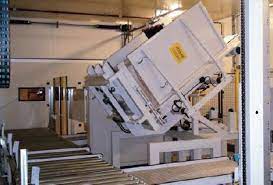
In today's fast-paced warehouses and distribution centers, pallet inverters stand as indispensable tools for streamlining material handling processes. These machines, designed to efficiently transfer loads between pallets, replace damaged pallets, or reorient goods, offer significant advantages in terms of speed and ergonomics. However, the power and capability of pallet inverters also introduce potential workplace hazards if not operated correctly. Therefore, comprehensive and effective operator training is not just a best practice—it's a fundamental necessity for ensuring a safe and productive work environment.
Why Invest in Robust Pallet Inverter Operator Training?
[
The benefits of investing in thorough pallet inverter operator training extend far beyond mere compliance. They directly impact several critical aspects of warehouse operations:
Enhanced Workplace Safety
Pallet inverters handle heavy loads, often exceeding thousands of pounds. Mishandling or improper operation can lead to severe accidents, causing injuries to personnel and damage to goods. Proper training equips operators with the knowledge and skills to operate the machinery safely, minimizing the risk of accidents. This includes understanding emergency stop procedures, safe load limits, and the importance of maintaining a clear operational area.
Product Damage Prevention
Beyond personnel safety, improper operation can also result in significant product damage. Pallet inverters utilize clamps and rotation mechanisms to handle loads. Untrained operators may apply incorrect clamp pressure, leading to crushed or damaged goods. Training emphasizes the importance of understanding load types, adjusting clamp pressure appropriately, and ensuring secure load placement to protect product integrity.
Operational Efficiency and Productivity
Well-trained operators are more efficient operators. They understand the machine's capabilities, can operate it smoothly and effectively, and are better equipped to troubleshoot minor issues. This translates to increased throughput, reduced downtime, and improved overall warehouse productivity. Training should cover optimal operating techniques, efficient load handling, and basic maintenance checks that contribute to smoother workflows.
Regulatory Compliance and Risk Mitigation
Organizations like OSHA (Occupational Safety and Health Administration) emphasize workplace safety and may conduct inspections. Demonstrating a robust training program for pallet inverter operators is crucial for compliance and can mitigate potential fines and penalties. Furthermore, in the unfortunate event of an accident, documented training programs can significantly reduce liability by showing due diligence in ensuring operator competency.
Increased Employee Morale and Confidence
Investing in employee training demonstrates a commitment to their safety and professional development. This fosters a culture of safety within the workplace, boosting employee morale and confidence. When operators feel well-trained and competent, they are more engaged, proactive in safety measures, and contribute to a more positive work environment.
Key Components of Effective Pallet Inverter Operator Training Programs
[
A comprehensive pallet inverter operator training program should encompass a blend of theoretical knowledge and practical, hands-on experience. Here are the essential components:
Machine Familiarization: Understanding the Pallet Inverter
Training must begin with a thorough introduction to the specific pallet inverter model being used. This includes:
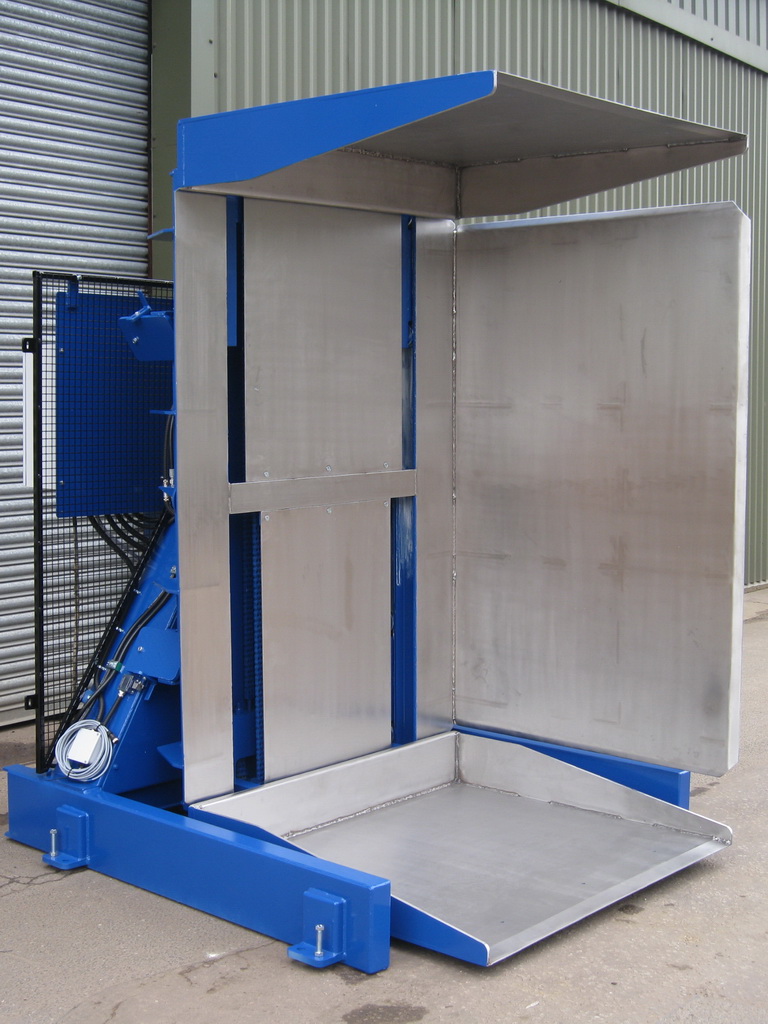
- Components and Controls: Operators need to understand the function of each component, including clamps, rotation mechanisms, hydraulic systems, control panels, and safety devices like emergency stops.
- Operational Principles: Training should explain how the pallet inverter works, the sequence of operations, and the machine's capabilities and limitations.
- Pre-Operational Checks: Operators should be trained on daily pre-shift inspections, including checking for loose parts, hydraulic leaks, proper functioning of safety devices, and overall machine condition.
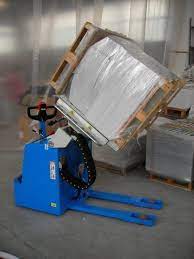
- Different Inverter Types: If the facility uses various types of pallet inverters (e.g., stationary, portable, manual, automated), operators should be trained on the specific features and operational nuances of each type relevant to their tasks.
Safety Protocols and Procedures: Prioritizing a Safe Working Environment
Safety training is paramount and should be integrated throughout the entire program. Key safety aspects to cover include:
- Emergency Stop Procedures: Operators must be thoroughly trained on the location and proper use of emergency stop buttons and procedures for halting operations in critical situations.
- Safe Load Handling: Training should emphasize understanding load weight limits, proper load centering, securing loads within the clamps, and techniques to prevent load shifting or toppling.
- Clearance Zones and Safe Distances: Defining and enforcing clear operating zones around the pallet inverter is vital. Training should educate operators on recognizing and maintaining safe distances from moving parts and loads. Floor markings, safety tape, and signage should be utilized and understood.
- Personal Protective Equipment (PPE): Mandatory PPE requirements, such as hard helmets and safety shoes, should be strictly enforced and emphasized during training. Operators must understand why PPE is necessary and how to use it correctly.
- Lockout/Tagout (LOTO) Procedures: For maintenance and servicing, operators and maintenance personnel must be trained on LOTO procedures to ensure the machine is completely de-energized and safe to work on, preventing accidental start-ups during maintenance.
- Hazard Recognition and Avoidance: Training should equip operators to identify potential hazards in the operating environment, such as uneven floors, obstructions, pedestrian traffic, and other equipment operating nearby.
Operational Techniques and Best Practices: Maximizing Efficiency and Precision
Beyond safety, training should focus on efficient and effective operation:
- Smooth and Controlled Operation: Operators should be trained to operate the controls smoothly, avoiding jerky movements that could destabilize loads or damage the machine.
- Load Adjustment and Clamp Pressure: Understanding how to adjust clamp pressure based on load type and fragility is crucial. Training should cover techniques for securing various types of loads (boxes, drums, irregular shapes) without causing damage.
- Pallet Alignment and Positioning: Proper alignment of pallets within the inverter is essential for smooth operation and preventing jams. Training should cover techniques for accurate pallet positioning.
- Ergonomic Considerations: Training should incorporate ergonomic principles, such as positioning control panels for easy reach, minimizing awkward postures, and encouraging operators to take breaks to avoid fatigue.
- Troubleshooting Basic Issues: Operators should be trained to recognize and address minor operational issues, such as jams or sensor malfunctions, following safe troubleshooting procedures. They should also be trained on when to escalate issues to maintenance personnel.
Emergency Procedures and Incident Response: Being Prepared for the Unexpected
While prevention is key, operators must be prepared to respond effectively in emergency situations:
- Machine Malfunctions: Training should cover procedures for responding to machine malfunctions, including safely stopping operations, reporting the issue, and following LOTO procedures if necessary.
- Load Instability: Operators should be trained to recognize signs of load instability and procedures for safely lowering or stabilizing a load if it becomes unstable during operation.
- Accident Response and First Aid: Basic first aid procedures and emergency contact information should be part of the training. Operators should know how to respond in case of an accident involving themselves or a colleague.
- Evacuation Procedures: In the event of a major emergency like a fire, operators should be familiar with evacuation routes and assembly points. Regular drills should be conducted to reinforce these procedures.
Regular Refresher Training and Continuous Improvement
Training is not a one-time event. To maintain operator competency and reinforce safety protocols, regular refresher training is essential. This can include:
- Annual or Bi-annual Refresher Courses: Periodic refresher training to reinforce key safety procedures, operational best practices, and address any updates to equipment or protocols.
- Safety Meetings and Toolbox Talks: Regular safety meetings to discuss recent incidents, near misses, and reinforce specific safety topics.
- Performance Monitoring and Feedback: Observing operator performance and providing constructive feedback can help identify areas for improvement and reinforce correct operating techniques.
- Updates on New Equipment or Procedures: Whenever new pallet inverter models are introduced or operational procedures are updated, operators should receive specific training on these changes.
Practical Implementation of Training Programs
To ensure training effectiveness, consider these practical implementation strategies:
- Qualified Trainers: Training should be conducted by experienced and qualified individuals who possess in-depth knowledge of pallet inverters and safety protocols. This may involve in-house trainers or engaging external specialists.
- Hands-on Training: A significant portion of the training should be hands-on, allowing operators to practice operating the pallet inverter under supervision. Practical exercises should simulate real-world scenarios.
- Visual Aids and Training Materials: Utilize visual aids like videos, diagrams, and manuals to enhance understanding and retention. Training materials should be available in languages understood by all operators.
- Assessment and Certification: Implement a system to assess operator competency after training. This may involve written tests, practical evaluations, or a combination of both. Upon successful completion, operators should receive certification to operate pallet inverters.
- Documentation and Record Keeping: Maintain detailed records of all training activities, including operator certifications, training dates, and content covered. This documentation is essential for compliance and demonstrating due diligence.
Conclusion: Investing in Safety through Training
Pallet inverters are powerful tools that significantly enhance warehouse efficiency and ergonomics. However, their safe and productive operation is entirely dependent on the competency of the operators. Investing in comprehensive and ongoing pallet inverter operator training is not merely an expense—it is a strategic investment in workplace safety, product protection, operational efficiency, and regulatory compliance. By prioritizing thorough training programs that encompass machine familiarization, safety protocols, operational best practices, and emergency preparedness, organizations can create a safer, more productive, and more confident workforce, realizing the full potential of their pallet inverter investments while safeguarding their most valuable assets: their employees and their products. Effective pallet inverter operator training is, therefore, an indispensable best practice for any modern warehouse or distribution center utilizing this essential equipment.