
What Are the Best Materials for Pallet Inverter Construction?
In today's fast-paced industrial landscape, efficiency and safety are paramount. Pallet inverters have emerged as crucial pieces of equipment, revolutionizing material handling across various sectors. For professionals in logistics, warehousing, manufacturing, and distribution, understanding the construction of these machines is not just technical knowledge – it’s about optimizing operations and ensuring longevity of your investment. So, what truly makes a pallet inverter robust and reliable? The answer lies significantly in the materials used in its construction. Let's delve into the critical materials that form the backbone of these indispensable machines.
The Foundation: Why Material Choice Matters in Pallet Inverter Design
Pallet inverters are subjected to immense stress and strain. They are designed to handle heavy loads, often repeatedly, and operate in demanding industrial environments. The materials chosen for their construction directly dictate their durability, longevity, and overall performance. Selecting the right materials isn't merely about cost; it's a strategic decision impacting operational uptime, maintenance frequency, and the safety of your workforce. Durable materials translate to less downtime, reduced repair costs, and a safer working environment. Conversely, skimping on material quality can lead to frequent breakdowns, costly repairs, and potentially hazardous situations.
Steel: The Indispensable Backbone of Pallet Inverters
When it comes to constructing robust pallet inverters, steel stands out as the undisputed champion. The source materials consistently highlight steel as the primary material for key components, and for good reason. Steel's inherent properties make it exceptionally well-suited for the demanding tasks pallet inverters undertake.
Frame Construction: Steel for Unwavering Stability

The frame is the skeletal structure of any pallet inverter. It bears the brunt of the load, providing stability throughout the inversion process. As the source material notes, "The frame forms the structure of the pallet inverter and provides stability during the flipping or rotating process. It is constructed using durable materials such as steel to withstand heavy loads and ensure longevity."
Steel's exceptional strength and rigidity are crucial here. It can withstand the immense weight of fully loaded pallets without bending or deforming, ensuring the inverter remains stable and safe during operation. This structural integrity is not just about handling heavy loads; it's also about maintaining the precise alignment of all components over years of use. Steel frames resist the stresses of constant loading and unloading cycles, preventing fatigue and ensuring consistent performance.
Furthermore, steel's weldability is a significant advantage in frame construction. It allows for strong, permanent joints, creating a monolithic frame that can distribute stress effectively. This robust frame construction is fundamental to the overall durability and lifespan of the pallet inverter.
Clamping Mechanism: Steel for Secure Load Handling
The clamping mechanism is another critical component, responsible for securely holding the pallet load during inversion. According to the source, "The clamping mechanism is responsible for securely holding the pallet load in place during the inversion process. It typically consists of adjustable clamps or clamping plates that can be customized to accommodate various pallet sizes and configurations."
Again, steel's strength and durability are paramount. The clamps must exert significant pressure to secure loads of varying weights and sizes, preventing slippage or movement during rotation. Steel's resistance to deformation under pressure ensures that the clamping mechanism maintains its grip, providing a safe and reliable hold on the pallet load.
The adjustable nature of clamping mechanisms, often requiring customization for different pallet sizes, benefits from steel's machinability. Steel can be precisely formed and machined to create components that fit together accurately and function reliably within the clamping system. This precision is essential for accommodating diverse pallet dimensions and ensuring consistent clamping force.
Hydraulic System Components: Steel's Role in Power and Control
While the hydraulic system itself comprises fluids and control elements, many of its critical components rely on robust materials. Hydraulic cylinders, for instance, which generate the force for rotation or flipping, are often constructed from high-strength steel. These cylinders must withstand immense hydraulic pressure and repeated cycles of extension and retraction.
Steel's high tensile strength and fatigue resistance are vital for hydraulic cylinders. They must endure constant pressure fluctuations and mechanical stresses without failing. The longevity and reliability of the hydraulic system, a core driver of the pallet inverter's function, are directly linked to the quality of steel used in its components.
Beyond Steel: Considering Other Materials and Enhancements
While steel forms the core of pallet inverter construction, other materials and treatments play important roles in enhancing performance and longevity.
Protective Coatings: Combating Corrosion and Wear
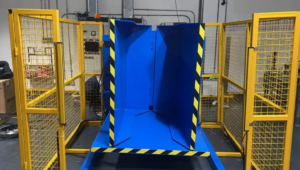
Industrial environments can be harsh, exposing equipment to moisture, chemicals, and abrasive materials. To protect steel components from corrosion and wear, protective coatings are essential. These coatings, often applied as paint or powder coating, create a barrier against environmental elements, extending the lifespan of the steel structure.
The choice of coating depends on the specific operating environment. For instance, in food and beverage industries or pharmaceutical settings, stainless steel or specialized coatings with antimicrobial properties may be preferred for enhanced hygiene and resistance to harsh cleaning agents. While stainless steel itself is a type of steel alloy, its enhanced corrosion resistance justifies its mention as a distinct material consideration, especially for industries with stringent sanitary requirements.
High-Performance Alloys: Tailoring Materials to Extreme Demands
For exceptionally demanding applications, where pallet inverters face extreme loads, temperatures, or corrosive environments, high-performance steel alloys might be considered. These alloys, often incorporating elements like chromium, nickel, or molybdenum, offer enhanced strength, hardness, or corrosion resistance compared to standard carbon steels.
However, it's crucial to note that the source material primarily emphasizes standard steel as a durable and effective material. High-performance alloys often come with increased costs, and their necessity should be carefully evaluated based on the specific operational demands. For most industrial applications, properly specified and coated carbon steel provides an optimal balance of performance and cost-effectiveness.
Material Durability and Pallet Inverter Longevity: A Direct Correlation
The longevity of a pallet inverter is intrinsically linked to the durability of its construction materials. Choosing high-quality steel for the frame, clamping mechanism, and critical hydraulic components directly translates to a longer service life for the equipment.
Reduced Maintenance and Downtime: Durable materials withstand wear and tear, reducing the frequency of repairs and replacements. Steel's robust nature minimizes the risk of structural failures or component breakdowns, leading to less downtime and increased operational efficiency.
Lower Total Cost of Ownership: While the initial cost of a pallet inverter constructed with high-quality materials might be slightly higher, the long-term benefits far outweigh this initial investment. Reduced maintenance, extended lifespan, and minimized downtime all contribute to a lower total cost of ownership over the operational life of the equipment.
Enhanced Safety and Reliability: Durable materials ensure the continued safe and reliable operation of the pallet inverter. A robust steel frame and clamping mechanism maintain their structural integrity, providing a secure and stable platform for load handling. This reliability is paramount for worker safety and preventing accidents in the workplace.
Industrial Equipment Standards and Material Compliance
The selection of materials for pallet inverter construction is not just about performance; it's also about adhering to industrial equipment standards. These standards, often set by regulatory bodies or industry associations, dictate minimum requirements for material strength, safety features, and overall equipment design.
Using appropriate materials like steel ensures that pallet inverters meet these stringent standards, guaranteeing safe and compliant operation. Compliance with industrial standards is not merely a formality; it's a critical aspect of responsible equipment design and operation, ensuring worker safety and preventing potential liabilities.
Making Informed Material Choices for Pallet Inverter Investment
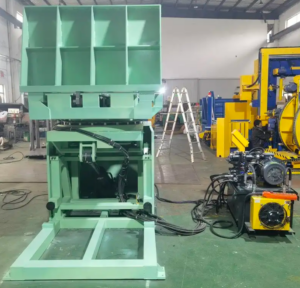
For businesses considering investing in pallet inverters, understanding the crucial role of materials is paramount. Prioritizing quality materials, particularly steel for core structural and functional components, is an investment in long-term reliability, durability, and safety.
When evaluating pallet inverter options, consider these material-focused questions:
- Frame Material: Is the frame constructed from robust steel? What is the steel grade or specification?
- Clamping Mechanism Material: Are the clamps and related components made from durable steel capable of withstanding repeated clamping forces?
- Protective Coatings: Are steel components adequately protected with coatings suitable for the operating environment?
- Supplier Reputation: Does the manufacturer have a reputation for using high-quality materials and adhering to industrial standards?
By focusing on material quality and construction, businesses can make informed decisions, selecting pallet inverters that deliver exceptional performance, longevity, and a strong return on investment. In the demanding world of material handling, choosing the right materials is not just a detail – it's the cornerstone of operational success and safety.
In conclusion, the best materials for pallet inverter construction are those that offer exceptional strength and durability to withstand heavy industrial use. Steel is the primary material of choice for frames and clamping mechanisms due to its robust nature. The use of durable materials directly impacts the equipment's longevity, reduces maintenance, and ensures safe, reliable operation, making steel the industry standard for pallet inverter construction.