
What Are the Benefits of Using Pallet Inverters in the Paper Industry?
Pallet inverters are indispensable tools in the paper industry, offering significant advantages such as enhanced efficiency in handling heavy paper rolls and stacks, reduced product damage by ensuring gentle rotation, improved workplace safety by minimizing manual labor, optimized logistics through versatile pallet management, and substantial cost savings by streamlining operations and reducing losses. For paper manufacturers, printers, and distributors, integrating pallet inverters into their processes translates to a more streamlined, safer, and ultimately more profitable operation.
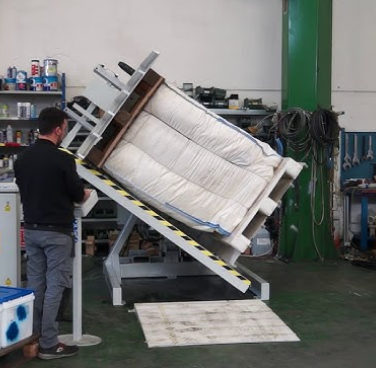
Streamlining Paper Handling for Peak Efficiency
The paper industry, characterized by substantial volumes of heavy and often delicate products, constantly seeks operational efficiencies. Traditional manual pallet handling methods are not only labor-intensive but also time-consuming and prone to errors and damages. Pallet inverters emerge as a powerful solution, revolutionizing how paper products are managed within the industry. By automating the process of rotating and transferring pallet loads, these machines significantly cut down on the manpower required for tasks like pallet exchange, load inversion, and damage rectification.
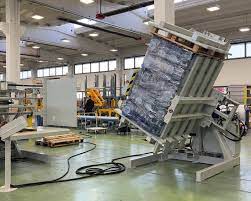
Imagine a large printing facility receiving massive rolls of paper. Without a pallet inverter, workers would need to manually unload, rotate, and reload these heavy rolls – a process fraught with risk and inefficiency. A pallet inverter, however, allows for the swift and controlled inversion of the entire pallet load, enabling quick access to the bottom roll or the replacement of a damaged pallet in mere minutes. This speed and ease of operation translate directly into increased throughput and reduced turnaround times. Furthermore, by freeing up personnel from strenuous manual handling tasks, paper companies can reallocate their workforce to more skilled and value-added activities, optimizing overall productivity. The reduction in manual intervention also minimizes the chances of human error, ensuring smoother and more predictable workflows across the paper production and distribution chain.
Minimizing Product Damage and Waste in Paper Goods
The inherent nature of paper products – whether massive rolls, stacks of sheets, or finished printed materials – makes them susceptible to damage during handling. Edge damage, tears, and crushing are common concerns that can lead to significant financial losses through rejected goods and wasted materials. Pallet inverters offer a crucial advantage in mitigating these risks. Unlike manual handling or forklift-based maneuvers that can be jerky and imprecise, pallet inverters provide a controlled and gentle rotation or inversion of pallet loads.
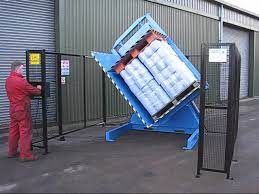
This controlled movement is particularly beneficial for delicate paper rolls. When rotating a heavy paper roll manually or with less sophisticated equipment, the risk of dropping or mishandling the roll, leading to edge damage or core collapse, is substantial. A pallet inverter securely clamps and smoothly rotates the roll, ensuring that the paper remains intact and undamaged throughout the pallet handling process. Similarly, stacks of paper sheets, especially high-quality printing paper, can easily suffer from corner damage or creasing if mishandled. Pallet inverters allow for the inversion of entire stacks without the need to individually lift and restack bundles, preserving the integrity and quality of the paper. By minimizing product damage, pallet inverters directly contribute to reduced waste, lower rejection rates, and improved profitability for paper businesses. The investment in a pallet inverter pays off not only in terms of operational efficiency but also in the preservation of valuable paper products.
Enhancing Workplace Safety for Paper Industry Personnel
The paper industry, like many industrial sectors, presents inherent workplace safety challenges. Manual handling of heavy paper rolls, stacks, and pallets is a significant source of musculoskeletal injuries, back strains, and other physical ailments for workers. Forklift operations, while mechanizing some aspects of material handling, also pose risks of accidents and collisions if not managed carefully. Pallet inverters play a vital role in creating a safer working environment within paper mills, printing facilities, and distribution centers.
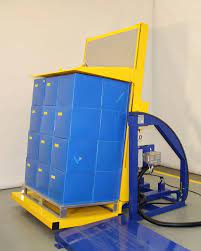
By automating the heavy lifting and rotation tasks associated with pallet handling, pallet inverters drastically reduce the need for manual labor. This translates directly to a decrease in the risk of manual handling injuries. Workers are no longer required to perform physically demanding and repetitive tasks, leading to a healthier and more productive workforce. Furthermore, pallet inverters enhance safety in forklift operations. Instead of using forklifts to perform precarious pallet inversion maneuvers, which can lead to load instability and accidents, pallet inverters provide a stable and controlled platform for these operations. This reduces the risk of forklift-related accidents and creates a safer interface between machinery and personnel. By prioritizing workplace safety, paper companies not only fulfill their ethical obligations to their employees but also benefit from reduced absenteeism, lower insurance premiums, and a more positive and compliant work culture.
Optimizing Logistics and Pallet Management in the Paper Supply Chain
The paper industry supply chain is complex, involving diverse types of pallets for incoming raw materials, in-process goods, and outgoing finished products. Efficient pallet management is crucial for streamlining logistics, minimizing costs, and ensuring smooth material flow. Pallet inverters offer significant advantages in optimizing pallet usage and logistics within the paper industry.
One key benefit is the ability to easily switch between different pallet types. For instance, a paper mill might receive raw materials on standard wooden pallets but prefer to ship finished paper rolls on higher-quality or specialized pallets. A pallet inverter facilitates the seamless transfer of the paper load from one pallet type to another without manual restacking. This capability is particularly valuable when dealing with suppliers or customers who use different pallet standards or when transitioning between in-house and rental pallets. Moreover, pallet inverters streamline the process of removing and replacing damaged pallets. In the paper industry, where pallets are subjected to heavy loads and frequent handling, damage is inevitable. A pallet inverter allows for the quick and safe replacement of a damaged pallet without disrupting the load or requiring extensive manual intervention. This minimizes downtime, prevents further product damage, and keeps the paper supply chain flowing efficiently. By enabling flexible pallet management and simplifying pallet exchange, pallet inverters contribute significantly to logistics optimization and cost reduction within the paper industry.
Versatility and Cost-Effectiveness for Paper Businesses of All Sizes
Investing in a pallet inverter represents a strategic move towards long-term efficiency and profitability for paper businesses. While the initial investment might seem significant, the long-term cost benefits and operational advantages far outweigh the upfront expenditure. Pallet inverters are versatile machines adaptable to a wide range of paper products and operational scales, making them a cost-effective solution for diverse paper industry applications.
From handling massive paper rolls in paper mills to managing stacks of printing paper in commercial print shops and distributing finished paper products in logistics centers, pallet inverters demonstrate their versatility across various segments of the paper industry. They can accommodate different sizes and weights of paper loads and handle diverse pallet types, making them a flexible asset for businesses with varied product portfolios. The cost-effectiveness of pallet inverters stems from several factors. Reduced labor costs, minimized product damage, improved operational efficiency, and enhanced workplace safety all contribute to a significant return on investment. By streamlining operations and reducing waste, pallet inverters help paper businesses optimize their resource utilization and improve their bottom line. Whether a large paper conglomerate or a smaller printing operation, the benefits of pallet inverters translate to tangible cost savings and a more competitive and sustainable business model.
Conclusion: Embracing Pallet Inverters for a Future-Proof Paper Industry
In conclusion, the benefits of using pallet inverters in the paper industry are multifaceted and compelling. From enhancing efficiency and minimizing product damage to improving workplace safety and optimizing logistics, pallet inverters offer a comprehensive solution to the challenges of modern paper handling. For paper manufacturers, printers, distributors, and anyone involved in the paper supply chain, integrating pallet inverters into their operations is not merely an upgrade but a strategic imperative for achieving operational excellence and securing a competitive edge. By embracing this innovative technology, the paper industry can move towards a more streamlined, safer, and ultimately more profitable future, ensuring its continued relevance and success in the global marketplace.