
What Are the Benefits of Using Pallet Inverters in the Automotive Industry?
Pallet inverters are pivotal in modern material handling, especially within demanding sectors like the automotive industry. By efficiently rotating and transferring loads, pallet inverters offer a suite of benefits that directly address key operational challenges. These machines streamline logistics, enhance safety by reducing manual handling risks, and contribute to significant cost savings through minimized product damage and optimized labor utilization, making them an indispensable asset for automotive manufacturing and supply chains.
The Critical Role of Pallet Handling in Automotive Manufacturing
The automotive industry is characterized by intricate supply chains and the movement of heavy, often delicate, components. From raw materials to finished parts, efficient pallet handling is crucial at every stage of production and distribution. Traditional manual methods of pallet management are often time-consuming, labor-intensive, and pose significant risks to both product integrity and worker safety. In this environment, optimizing pallet handling processes is not just about efficiency; it’s about maintaining operational integrity and competitive advantage.
Enhanced Safety and Reduced Workplace Injuries
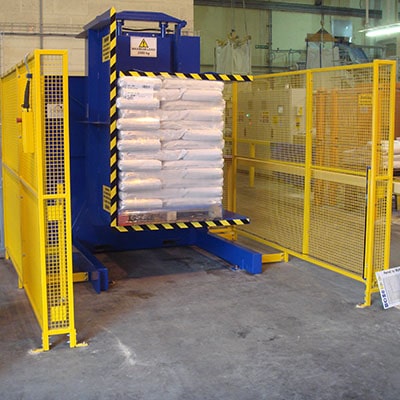
One of the most compelling benefits of integrating pallet inverters into automotive operations is the significant improvement in workplace safety. Manually handling heavy automotive parts and pallets can lead to a high incidence of musculoskeletal injuries, strains, and accidents. Pallet inverters mitigate these risks by mechanizing the process of rotating and transferring pallet loads.
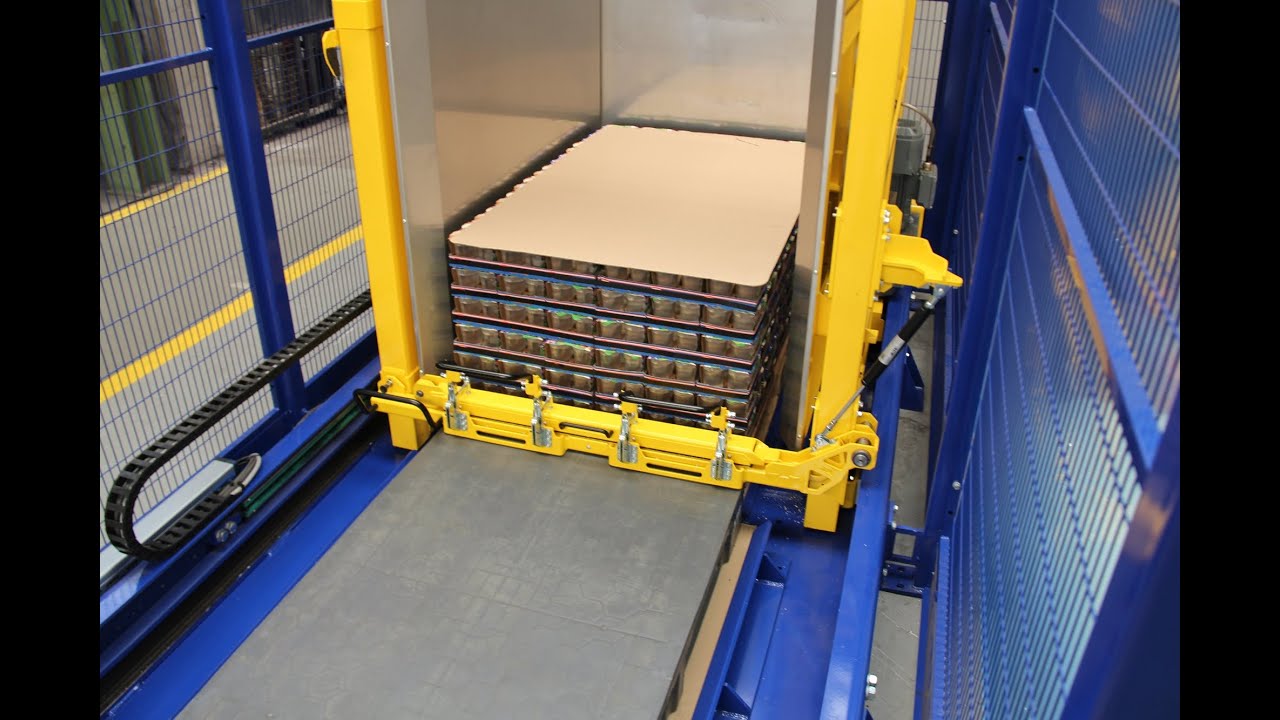
By eliminating the need for manual lifting, bending, and awkward maneuvering of heavy pallets, pallet inverters drastically reduce the physical strain on workers. This is particularly critical when dealing with dense and irregularly shaped automotive components such as engines, transmissions, and body panels. The automated nature of pallet inverters ensures that these heavy loads are handled with precision and stability, minimizing the potential for accidents and injuries. This not only protects employees but also reduces costs associated with workplace injuries, such as medical expenses and lost productivity.
Streamlined Operations and Improved Efficiency
Efficiency is paramount in the automotive industry, where just-in-time delivery and lean manufacturing principles are commonplace. Pallet inverters contribute directly to operational streamlining by significantly accelerating pallet handling processes. Rotating a pallet manually to access goods or replace a damaged pallet can be a slow and cumbersome task, disrupting workflow and consuming valuable time. Pallet inverters, however, can perform these tasks quickly and efficiently, often in a matter of seconds.
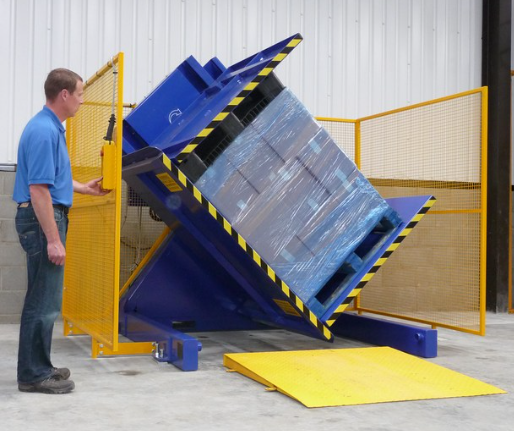
This speed translates to a more fluid and productive workflow throughout the automotive supply chain. Whether it's receiving incoming materials, managing inventory in the warehouse, or preparing components for assembly lines, pallet inverters ensure that materials are moved and accessed without unnecessary delays. The ability to quickly invert entire pallet loads also facilitates efficient load straightening and restacking, further optimizing the flow of goods and minimizing bottlenecks in production and logistics.
Cost Reduction and Increased ROI
While the initial investment in a pallet inverter represents a capital expenditure, the long-term cost benefits and return on investment (ROI) are substantial, especially within the automotive sector. Several factors contribute to these cost savings.
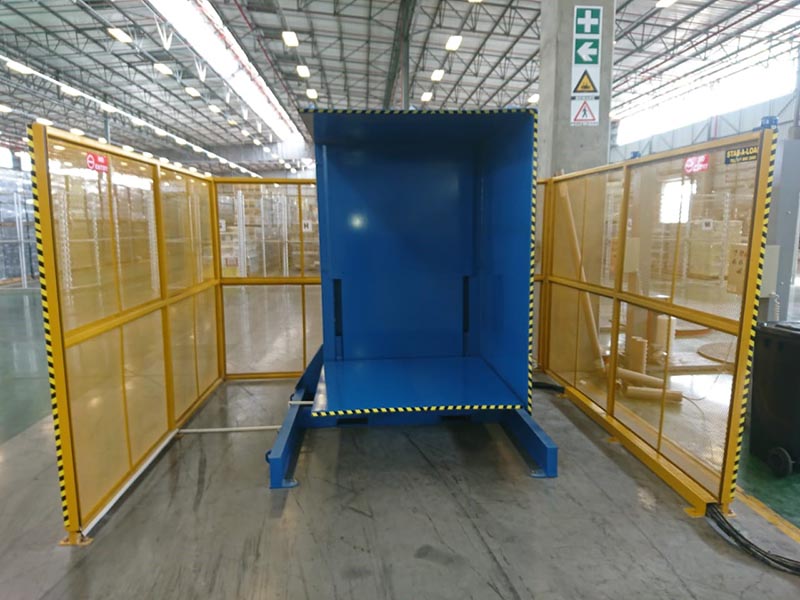
Firstly, reduced labor costs are achieved through the automation of pallet handling. Pallet inverters minimize the manpower required for tasks such as pallet exchange, load inversion, and restacking. This allows automotive manufacturers to reallocate labor resources to more value-added activities, improving overall productivity and efficiency.
Secondly, product damage is significantly reduced. Manual handling of automotive components, especially delicate or finished parts, increases the risk of damage during transfer and rotation. Pallet inverters handle loads with greater care and stability, minimizing the potential for goods to be dropped, crushed, or otherwise damaged. Reducing product damage directly translates to lower material waste, fewer rejected parts, and decreased financial losses.
Thirdly, pallet inverters can optimize pallet management and reduce rental costs. By quickly and easily allowing for pallet exchange, companies can ensure they are using the most appropriate pallet type for each stage of the supply chain. This can be particularly beneficial when transitioning from in-house pallets to specific types required by suppliers or customers, such as CHEP pallets. Efficient pallet management minimizes the need for excessive pallet rentals and reduces associated costs.
Versatility and Adaptability to Automotive Needs
The automotive industry deals with a wide variety of parts and materials, often requiring flexible handling solutions. Pallet inverters offer versatility by accommodating diverse pallet types and load configurations. Whether handling standard wooden pallets, plastic pallets for hygiene-sensitive areas, or custom-sized pallets designed for specific automotive components, pallet inverters can be adjusted to suit different requirements.
This adaptability is crucial in the automotive sector, which utilizes a range of pallet types for different purposes – from robust pallets for heavy engine blocks to specialized pallets for delicate electronic components. Pallet inverters can seamlessly switch between handling these various pallet types, eliminating the need for multiple specialized pieces of equipment. This versatility simplifies operations and ensures that a single pallet inverter can meet a broad spectrum of material handling needs within an automotive facility.
Product Damage Prevention
The automotive industry is particularly sensitive to product damage due to the high value and precision of many components. Damage during handling can lead to costly rework, delays in production, and ultimately, compromised vehicle quality. Pallet inverters are designed to minimize product damage by providing a controlled and stable method for handling palletized goods.
Unlike forklift handling, which can sometimes be jerky or uneven, pallet inverters offer a smooth and consistent inversion process. The clamping mechanisms securely hold the load in place, preventing shifting or toppling during rotation. This is particularly important for fragile automotive parts or components that are sensitive to vibration or impact. By reducing the risk of damage during pallet handling, automotive manufacturers can ensure that parts reach the assembly line in optimal condition, minimizing waste and maintaining product quality.
Optimized Warehouse Space
Efficient warehouse space utilization is a constant concern for automotive manufacturers, who often need to store large volumes of parts and materials. Pallet inverters contribute to better space optimization in several ways.
By enabling efficient load straightening, pallet inverters help to consolidate and stabilize pallet loads. Poorly stacked or tilted loads can take up more space and create safety hazards. Pallet inverters can rectify these issues, ensuring that pallets are neatly and securely stacked, maximizing vertical storage space.
Furthermore, by reducing the need for aisles wide enough for manual pallet maneuvering, pallet inverters can contribute to a denser warehouse layout. The precise and controlled movements of pallet inverters allow for tighter storage configurations, increasing overall storage capacity within the same footprint. This is especially valuable in automotive facilities where space is often at a premium.
Pallet Inverter Models Suited for Automotive Applications
Various types of pallet inverters are available, each offering specific advantages for different automotive applications.
Stationary Pallet Inverters: These robust machines are ideal for high-volume, fixed-location operations within automotive manufacturing plants or large distribution centers. Stationary models often offer higher load capacities and can be integrated into automated production lines for seamless material flow.
Mobile Pallet Inverters: Offering greater flexibility, mobile pallet inverters can be moved to different locations within a facility as needed. This is advantageous in automotive environments where pallet handling requirements may vary across different areas or production stages.
Forklift Pallet Inverters: These attachments transform forklifts into versatile pallet inverting machines. Forklift pallet inverters are particularly useful for tasks that require both transportation and inversion of pallets, offering a cost-effective solution for facilities that already utilize forklifts extensively.
The selection of the appropriate pallet inverter model depends on the specific needs of the automotive application, considering factors such as load weight, volume, space constraints, and integration requirements within existing material handling systems.
Conclusion: Pallet Inverters – A Strategic Investment for the Automotive Industry
In conclusion, the benefits of using pallet inverters in the automotive industry are multifaceted and substantial. From enhancing workplace safety and streamlining operations to reducing costs and preventing product damage, pallet inverters offer a compelling value proposition for automotive manufacturers and suppliers. By automating and optimizing pallet handling processes, these machines contribute directly to improved efficiency, productivity, and profitability within this demanding sector. Investing in pallet inverter technology is not just about acquiring a piece of equipment; it's about making a strategic decision to enhance operational excellence and maintain a competitive edge in the automotive landscape.