
What Are the Benefits of Pallet Inverters in Reducing Inventory Costs?
In today's competitive industrial landscape, optimizing warehouse operations and minimizing costs are paramount for business success. A significant portion of operational expenses is tied to inventory management, and inefficiencies in this area can quickly erode profitability. One often-overlooked yet highly effective solution for streamlining inventory processes and slashing costs is the implementation of pallet inverters. Pallet inverters significantly reduce inventory costs by streamlining pallet exchange, minimizing product damage, cutting labor expenses, optimizing warehouse space, and enhancing operational efficiency, leading to a strong return on investment and a safer, more productive material handling process. This article will delve into the multifaceted benefits of pallet inverters and how they contribute to substantial reductions in inventory costs, making them an indispensable asset for modern warehouses and manufacturing facilities.
Streamlining Operations and Slashing Labor Costs with Pallet Inverters
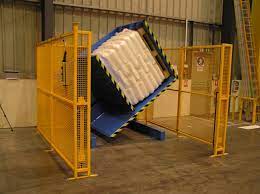
Manual pallet handling is a time-consuming and labor-intensive process. Traditional methods of transferring goods between pallets, removing damaged products, or rotating stock often involve significant manual effort. Workers must physically unload and reload goods, which is not only inefficient but also poses a considerable risk of injury. Pallet inverters revolutionize this process by automating the pallet exchange and load manipulation tasks.
By employing a pallet inverter, businesses can dramatically reduce the need for manual labor in pallet handling. These machines are designed to lift, tilt, and rotate fully loaded pallets with ease, often completing a 180-degree rotation in under a minute. This automation drastically cuts down the time required for pallet transfer processes. Instead of assigning multiple employees to manually restack and transfer goods, a single operator can manage the pallet inverter, freeing up valuable labor resources for other critical tasks within the warehouse.
The labor cost savings are immediately apparent. Reducing the number of personnel required for pallet handling directly translates to lower wage expenses. Furthermore, the increased speed and efficiency of pallet inverters mean that tasks are completed faster, allowing for higher throughput with the same or even fewer labor hours. This boost in productivity, coupled with reduced labor needs, creates a powerful combination for significant cost reduction.
Minimizing Product Damage: A Direct Path to Inventory Cost Savings
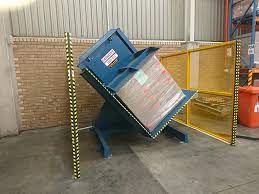
Product damage during handling is a major contributor to inventory losses and increased operational costs. Manual handling, especially of heavy or delicate goods, inherently increases the risk of items being dropped, crushed, or mishandled. Forklift operations, while mechanizing some aspects of pallet movement, still carry risks of accidental collisions, load instability, and product damage, especially when performed hastily.
Pallet inverters offer a far more controlled and gentle approach to handling palletized goods. The secure clamping mechanisms and smooth rotation capabilities of these machines minimize the stress on products during transfer and rotation. By reducing human intervention in the direct handling of goods, pallet inverters significantly lower the chances of accidental damage.
This reduction in product damage directly translates to substantial inventory cost savings. Fewer damaged goods mean less product write-off, lower replacement costs, and reduced waste disposal expenses. Moreover, minimizing damage ensures that customer orders are fulfilled with undamaged products, leading to higher customer satisfaction and reduced costs associated with returns and replacements. For businesses dealing with fragile or high-value goods, the product protection offered by pallet inverters is an invaluable asset in preserving inventory value and profitability.
Optimizing Warehouse Space and Reducing Storage Costs
Warehouse space is a valuable commodity, and efficient space utilization is crucial for minimizing storage costs. Disorganized or inefficient pallet handling practices can lead to wasted space and hinder optimal warehouse layout. Pallet inverters contribute to better space management in several ways.
Firstly, by streamlining pallet handling and reducing clutter, pallet inverters help maintain a more organized and efficient warehouse environment. Faster pallet processing means less time pallets are sitting in aisles or staging areas, freeing up valuable space. Secondly, the ability to quickly access and manipulate pallet loads allows for more efficient stacking and storage configurations. Pallet inverters can assist in squaring up loads and ensuring stability, enabling higher and denser stacking, maximizing vertical space utilization.
Optimizing warehouse space directly translates to reduced storage costs. Better space utilization can postpone or eliminate the need for costly warehouse expansions or external storage facilities. Furthermore, efficient space management improves inventory accessibility, reducing retrieval times and further enhancing operational efficiency. For businesses operating in space-constrained environments or experiencing rapid growth, pallet inverters are instrumental in maximizing storage capacity and minimizing associated costs.
Enhancing Operational Efficiency and Throughput
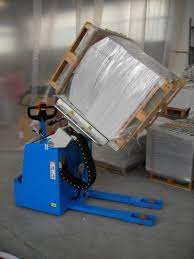
Beyond direct cost savings, pallet inverters significantly enhance overall operational efficiency and throughput in warehouse and manufacturing environments. The speed and ease of pallet handling offered by these machines contribute to a smoother and faster workflow.
Pallet inverters eliminate bottlenecks associated with manual pallet handling. The quick pallet exchange and rotation capabilities reduce processing times, allowing goods to move through the warehouse faster. This increased throughput is particularly beneficial in high-volume operations where speed and efficiency are critical for meeting deadlines and customer demands.
Improved operational efficiency extends beyond just speed. Pallet inverters contribute to a more streamlined and organized workflow. By automating repetitive and labor-intensive tasks, they free up employees to focus on more value-added activities, such as order fulfillment, quality control, and inventory management. This optimization of labor allocation further enhances overall productivity and reduces operational costs. Moreover, the consistent and reliable performance of pallet inverters minimizes downtime and ensures a predictable and efficient material flow throughout the facility.
Return on Investment (ROI) and Long-Term Cost Benefits
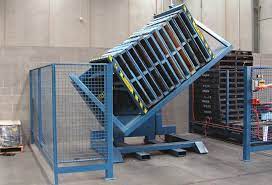
While the initial investment in a pallet inverter represents a capital expenditure, the long-term return on investment is compelling, driven by the multifaceted cost savings and efficiency gains they provide.
The ROI is realized through several avenues:
- Labor Cost Savings: Reduced manpower requirements for pallet handling directly lower wage expenses, creating immediate and ongoing savings.
- Reduced Product Damage Costs: Minimizing product damage prevents losses from write-offs, replacements, and customer dissatisfaction, preserving inventory value.
- Optimized Space Utilization: Efficient warehouse space management delays or eliminates the need for expansion, saving significant capital expenditure and ongoing storage costs.
- Increased Efficiency and Throughput: Higher productivity and faster workflows translate to improved order fulfillment, reduced lead times, and increased overall profitability.
- Improved Safety: Fewer workplace injuries lead to lower worker's compensation claims, reduced absenteeism, and a more productive workforce.
These combined savings and efficiency gains quickly offset the initial investment in a pallet inverter. The payback period is often surprisingly short, with many businesses realizing a full return on their investment within a year or two, depending on the scale of their operations and the intensity of pallet handling activities. Beyond the initial ROI, the long-term benefits of reduced operational costs, improved efficiency, and enhanced safety continue to accrue, making pallet inverters a highly cost-effective and strategically sound investment for businesses seeking to optimize their inventory management and warehouse operations.
Versatility and Applications Across Industries
Pallet inverters are not limited to a specific industry; their versatility makes them beneficial across a wide spectrum of sectors dealing with palletized goods. From food and beverage to pharmaceuticals, automotive, construction, and general manufacturing, the applications are diverse.
In the food and beverage industry, pallet inverters are crucial for hygienic pallet exchange, often transferring goods from wooden pallets to sanitary plastic pallets for cleanroom environments. They are also used for rotating stock to prevent settling or spoilage of products like powders and liquids.
The pharmaceutical industry similarly benefits from hygienic pallet handling and product rotation, ensuring the integrity and quality of sensitive pharmaceutical products.
In manufacturing, pallet inverters are used for various applications, including accessing damaged goods at the bottom of loads, transferring goods between different pallet types for internal racking systems or specific customer requirements, and even inverting metal sheets for stamping processes in the automotive and construction sectors.
Warehousing and distribution centers across all industries rely on pallet inverters for efficient pallet exchange, load squaring, and accessing damaged goods, streamlining their logistics operations and reducing handling costs.
The adaptability of pallet inverters to handle various load types, sizes, and weights, coupled with their ability to work with different pallet materials (wood, plastic, metal), makes them a universally applicable solution for businesses seeking to optimize their pallet handling processes and reduce inventory costs across diverse industrial landscapes.
Choosing the Right Pallet Inverter for Maximum Cost Savings
Selecting the appropriate pallet inverter is crucial to maximizing its cost-saving potential and ensuring it aligns with specific operational needs. Several factors should be considered when making this decision:
- Load Type and Weight: Determine the typical weight and nature of the loads to be handled. Choose a pallet inverter with sufficient load capacity and clamping pressure to securely handle the heaviest and most challenging loads. Consider whether you handle varying load heights, which might necessitate a dual clamp model for greater flexibility.
- Pallet Types and Sizes: Ensure the pallet inverter is compatible with the range of pallet types and sizes used in your operations. Consider if you need to handle standard pallets, евро-pallets, or custom sizes.
- Operational Environment: Assess the space constraints and operational flow of your facility. For facilities with limited space or without forklifts, ground-loading pallet inverters designed for use with pallet jacks might be ideal. For high-throughput environments, consider stationary single or dual clamp models integrated into your material handling system.
- Features and Customization: Evaluate the features offered by different pallet inverter models. Look for safety features like handrail guarding, maintenance locks, and foot obstruction sensors. Consider customization options if you have unique requirements, such as extended length or width, or specialized clamping mechanisms for specific load types.
- Budget and ROI: Balance the initial investment cost with the long-term ROI. Consider the potential labor savings, product damage reduction, and efficiency gains to calculate the payback period and determine the most cost-effective solution over time.
Consulting with experienced pallet inverter suppliers and conducting a thorough needs assessment will help in selecting the right equipment that maximizes cost savings and operational benefits for your specific business requirements.
Conclusion: Pallet Inverters – A Strategic Investment in Inventory Cost Reduction
In conclusion, pallet inverters are not just pieces of equipment; they are strategic investments that yield significant and multifaceted benefits in reducing inventory costs and enhancing warehouse operations. By streamlining pallet handling, minimizing product damage, cutting labor expenses, optimizing space utilization, and improving overall efficiency, pallet inverters deliver a compelling return on investment and contribute to a more profitable and sustainable business. For businesses seeking to optimize their inventory management, reduce operational costs, and create a safer and more efficient workplace, investing in pallet inverter technology is a decisive step towards achieving these critical objectives and maintaining a competitive edge in today's dynamic industrial landscape.