
What Are the Benefits of Pallet Inverters in Reducing Carbon Emissions?
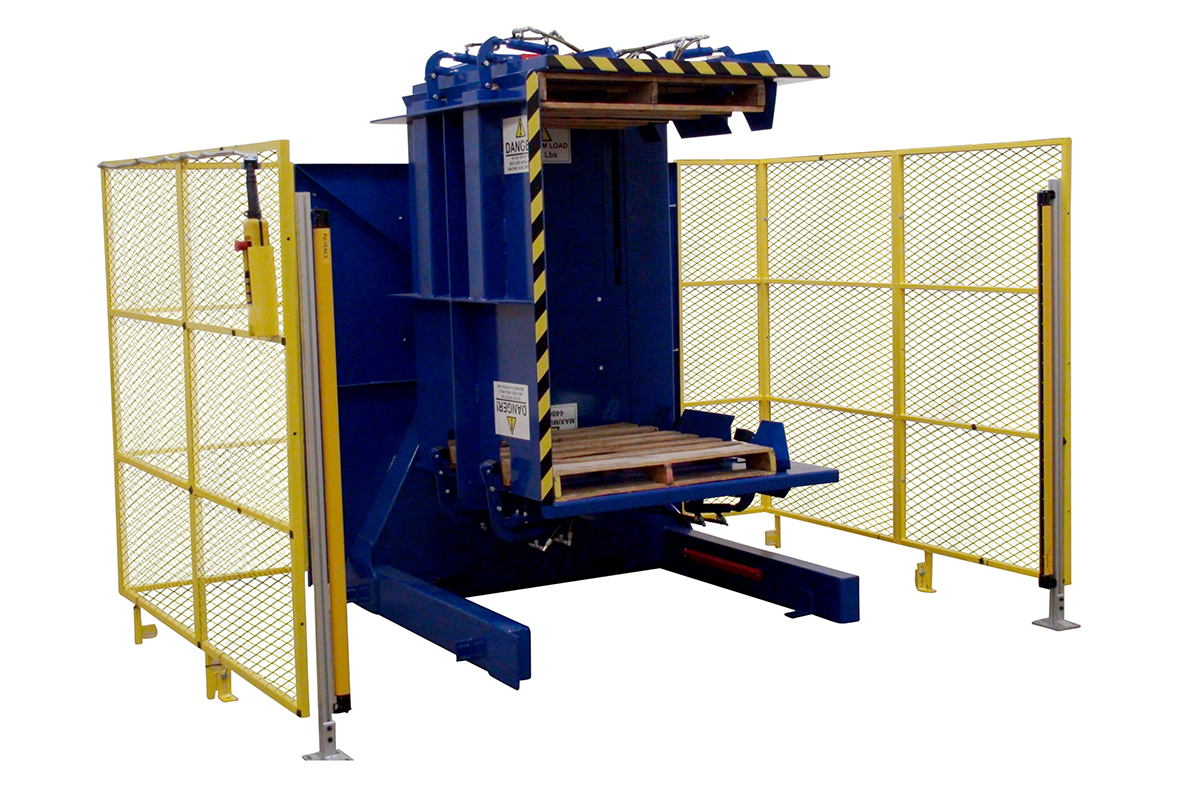
In today's environmentally conscious business landscape, companies are under increasing pressure to minimize their carbon footprint. Pallet inverters, often overlooked in sustainability discussions, emerge as a surprisingly effective tool in achieving significant carbon emission reductions across various industries. By optimizing pallet handling processes and facilitating the use of more sustainable pallet solutions, pallet inverters offer a multi-faceted approach to environmental responsibility while simultaneously boosting operational efficiency and cost savings.
The global imperative to combat climate change has spurred a wave of innovation and adaptation across industries. Businesses are no longer just focused on profitability; sustainability has become a core tenet of long-term success and corporate responsibility. Every aspect of the supply chain, from sourcing raw materials to final delivery, is being scrutinized for its environmental impact. Within this evolving landscape, material handling practices are coming under increasing scrutiny, and rightfully so. Traditional methods often involve inefficiencies that contribute to unnecessary energy consumption, material waste, and ultimately, a larger carbon footprint. It's within this context that the often-underestimated pallet inverter reveals its potential as a powerful ally in the fight against carbon emissions.
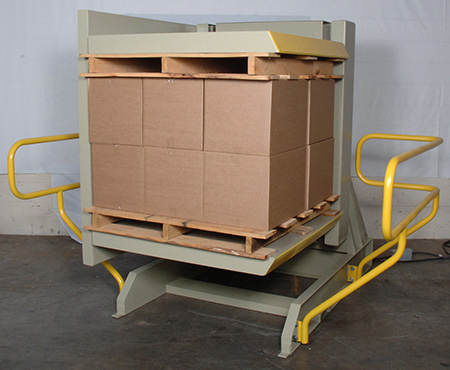
While the primary function of a pallet inverter – rotating and transferring loads between pallets – might seem purely operational, its impact extends far beyond mere convenience. Investing in a pallet inverter is not just about streamlining warehouse operations or reducing labor costs; it's a strategic move towards a more sustainable and eco-friendly business model. By fundamentally altering how pallets are managed and loads are transferred, pallet inverters unlock a cascade of benefits that directly and indirectly contribute to significant reductions in carbon emissions.
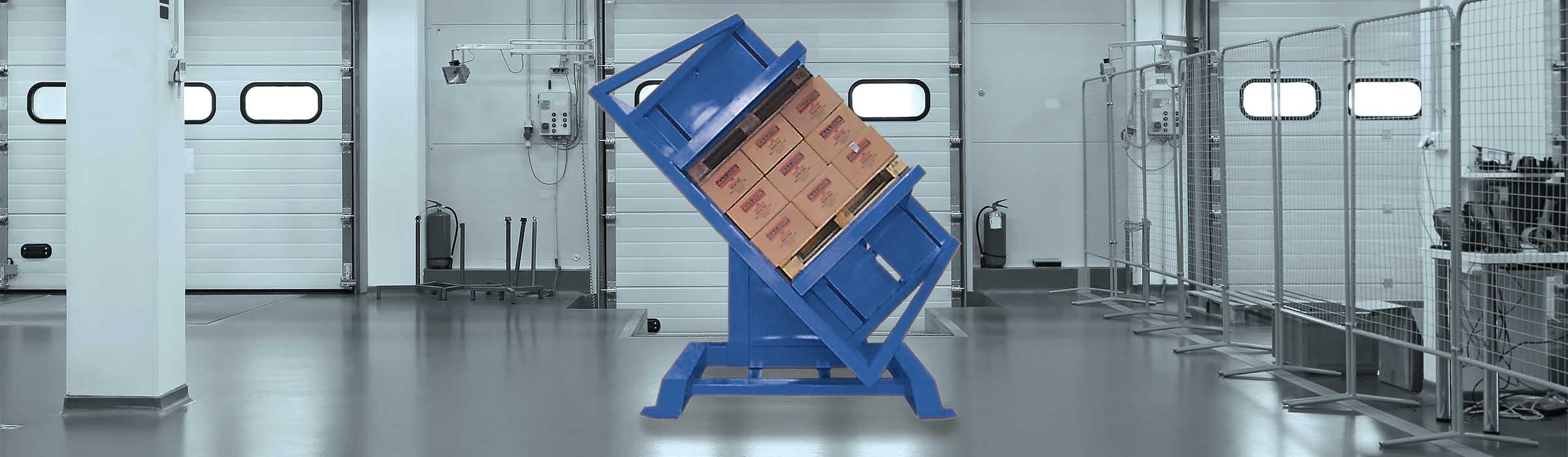
One of the most direct ways pallet inverters contribute to carbon emission reduction is through enhanced operational efficiency. Traditional manual pallet handling is labor-intensive, time-consuming, and often prone to errors and damage. Forklifts, while essential in many warehouses, consume fuel (often fossil fuels) and require skilled operators. Manually transferring goods from one pallet to another box-by-box is incredibly inefficient and increases the risk of product damage, leading to waste and the need for replacement – both of which carry a carbon footprint. Pallet inverters automate and streamline this process. By quickly and efficiently rotating entire pallet loads, they drastically reduce the time and energy required for pallet transfer operations. This translates directly to reduced forklift usage, less energy consumption within the warehouse, and faster turnaround times, all contributing to a lower carbon footprint.
Moreover, pallet inverters play a crucial role in minimizing material waste and promoting pallet longevity. Damage to goods during manual handling or forklift operations is a significant source of waste in many supply chains. Damaged goods often end up discarded, representing not only a financial loss but also the wasted resources and energy that went into their production and transportation. Pallet inverters, by providing a stable and controlled method for pallet transfer, significantly reduce the risk of product damage. Similarly, pallets themselves are susceptible to damage from rough handling. Damaged pallets require repair or replacement, both of which have environmental implications. By facilitating smoother, more controlled pallet handling, inverters contribute to extending the lifespan of pallets, reducing the demand for new pallet production and the associated carbon emissions.
Furthermore, pallet inverters are instrumental in facilitating the adoption of more sustainable pallet types. The materials used for pallets have a significant environmental impact. Traditional wooden pallets, while widely used, contribute to deforestation and have a considerable carbon footprint associated with logging, processing, and transportation. As highlighted by recent discussions about the environmental impact of wooden pallets, alternatives are becoming increasingly vital. Corrugated cardboard pallets, like KraftPal, offer a compelling sustainable alternative, boasting significantly lower carbon footprints – up to 80% less per pallet compared to wooden counterparts. These lighter, recyclable pallets reduce transportation fuel consumption and minimize end-of-life waste.
However, transitioning to alternative pallet types can present operational challenges. Different pallet types may have varying dimensions, weights, and handling requirements. Pallet inverters offer the versatility to handle a wide range of pallet types, making the switch to more sustainable options seamless. They can accommodate plastic, aluminum, and even corrugated cardboard pallets, ensuring that businesses are not restricted by their handling equipment when choosing eco-friendlier pallet solutions. By enabling the easy interchangeability of pallet types, pallet inverters empower businesses to embrace sustainable pallet alternatives and drastically reduce their carbon footprint associated with pallet materials.
Consider the example of KraftPal corrugated cardboard pallets. These innovative pallets are 100% recyclable, significantly lighter than wood, and designed for one-way use, eliminating the need for return logistics and associated transportation emissions. Integrating pallet inverters into a system utilizing KraftPal pallets amplifies the environmental benefits. The inverters efficiently handle the transfer of goods onto and off these lightweight pallets, ensuring smooth operations while maximizing the carbon emission reductions offered by the pallets themselves. This synergy between pallet inverters and sustainable pallet materials represents a powerful combination for businesses seeking to minimize their environmental impact.
Beyond the direct benefits of efficiency and sustainable pallet adoption, pallet inverters also contribute to carbon emission reduction indirectly through improved warehouse organization and reduced energy consumption for heating and cooling. Efficient pallet handling facilitated by inverters leads to better warehouse organization, optimized space utilization, and smoother material flow. This, in turn, can reduce the need for extensive warehouse space, potentially minimizing the energy required for lighting, heating, and cooling large facilities. Furthermore, reducing material waste and product damage translates to less waste disposal, further minimizing the carbon footprint associated with landfilling or waste processing.
The adoption of AC power industrial inverters, often used to power pallet inverters and other warehouse equipment, further enhances the sustainability benefits. AC inverters are significantly more energy-efficient than traditional inverters, with near-perfect power conversion rates, minimizing energy loss. They also generate less heat, reducing cooling costs in industrial settings, and have a longer lifespan, reducing electronic waste. By utilizing energy-efficient equipment like pallet inverters powered by AC inverters, businesses can create a virtuous cycle of reduced energy consumption and lower carbon emissions.
In conclusion, the benefits of pallet inverters in reducing carbon emissions are multifaceted and substantial. They extend beyond mere operational improvements to encompass a holistic approach to sustainability. By enhancing efficiency, minimizing material waste, facilitating the adoption of sustainable pallet types, and contributing to better warehouse organization, pallet inverters emerge as a valuable asset in the quest for a greener supply chain. For businesses committed to reducing their environmental impact and embracing sustainable practices, investing in pallet inverters is not just a smart operational decision; it's a significant step towards a more environmentally responsible and carbon-conscious future. In a world increasingly focused on sustainability, pallet inverters offer a practical and effective solution for businesses to minimize their carbon footprint, optimize operations, and contribute to a more environmentally sound future. Embracing this technology is not just an operational upgrade; it's an investment in a sustainable future.