
What Are the Advantages of Pallet Inverters in Reducing Labor Injuries?
In the bustling environment of warehouses and manufacturing facilities, the relentless movement of goods is the lifeblood of commerce. However, this constant activity, involving countless manual handling tasks, can also be a significant source of labor injuries. Repetitive motions, heavy lifting, and awkward postures associated with pallet handling contribute to a substantial number of workplace incidents each year. Fortunately, innovative solutions exist to mitigate these risks. Pallet inverters stand out as a powerful tool in transforming material handling, significantly reducing the physical strain on workers and fostering a safer, more productive work environment. By mechanizing the process of pallet transfer and product reorientation, pallet inverters directly address the root causes of many common workplace injuries, making them an invaluable asset for businesses prioritizing employee well-being and operational efficiency.
The Ergonomic Imperative: Why Manual Pallet Handling Poses Risks
Manual pallet handling is inherently demanding. Workers are often required to bend, lift, twist, and reach to access goods on pallets, transfer loads, or replace damaged pallets. These actions, especially when repeated throughout a workday, place immense stress on the musculoskeletal system. Common injuries resulting from manual pallet handling include back strains, shoulder injuries, knee problems, and repetitive motion disorders like carpal tunnel syndrome.
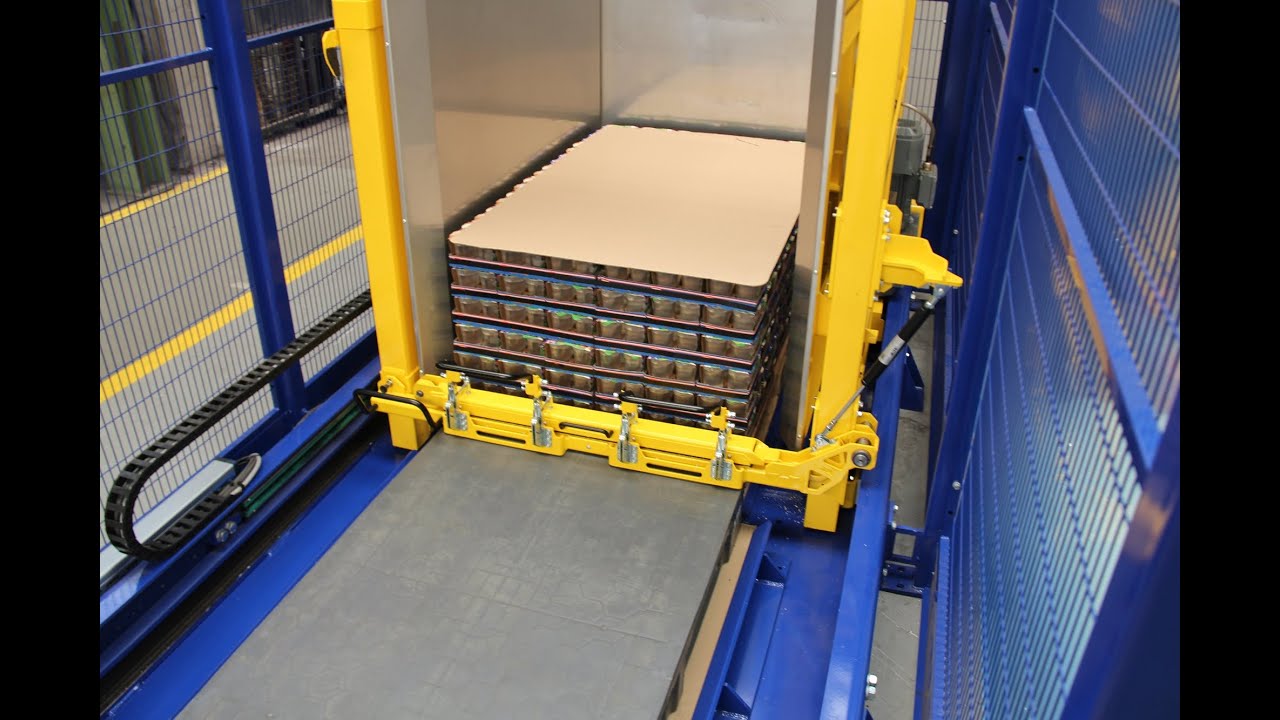
The statistics are sobering. Ergonomic injuries, often stemming from manual materials handling, account for a significant portion of workers' compensation claims. These injuries not only cause pain and suffering for employees but also lead to lost productivity, increased healthcare costs, and potential legal liabilities for businesses. In industries like food manufacturing and warehousing, where pallet handling is frequent and intensive, the risk of injury is particularly pronounced. Addressing these ergonomic challenges is not just a matter of compliance; it's a crucial step towards creating a sustainable and thriving workforce.
Pallet Inverters: A Mechanical Solution to Manual Strain
Pallet inverters offer a direct and effective solution to the ergonomic hazards of manual pallet handling. These machines are engineered to lift, rotate, and invert pallet loads, eliminating the need for workers to perform physically demanding tasks. Instead of manually restacking boxes or bending to access the bottom layers of a pallet, operators can use a pallet inverter to effortlessly turn the entire load, bringing every part of the pallet within easy reach.
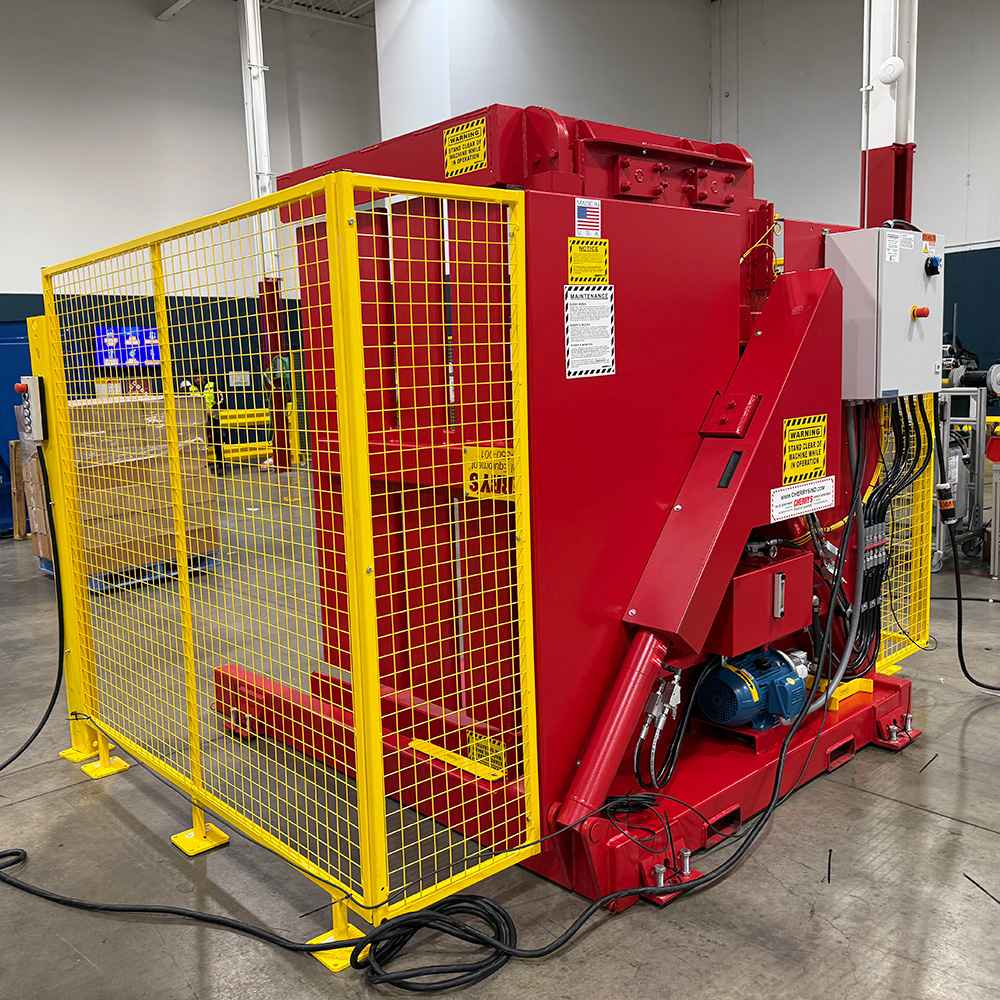
The core function of a pallet inverter is to handle materials in an ergonomically correct way. By automating the inversion process, these machines significantly reduce the physical strain on workers' arms, legs, back, and shoulders – the body parts most vulnerable to injuries from manual load transfer work. This mechanical intervention minimizes repetitive motions and awkward lifts, directly addressing the primary causes of musculoskeletal disorders in material handling environments.
Key Advantages of Pallet Inverters in Injury Reduction
Pallet inverters deliver a range of advantages that directly contribute to a safer workplace and a reduction in labor injuries:
1. Minimizing Manual Lifting and Bending
The most significant benefit of pallet inverters is the dramatic reduction in manual lifting and bending. Traditional pallet handling often requires workers to manually unload and reload pallets, tasks that involve heavy lifting from awkward positions. Pallet inverters eliminate these strenuous activities by mechanically rotating the entire pallet load. This is especially crucial when dealing with heavy or unstable loads, where manual handling poses a high risk of injury. By taking the heavy lifting out of the equation, pallet inverters protect workers from back strains, hernias, and other lifting-related injuries.
2. Reducing Repetitive Motions
Repetitive motions are a major contributor to musculoskeletal disorders. Tasks like manually transferring items from one pallet to another, or repeatedly bending to access products at different pallet levels, can lead to overuse injuries. Pallet inverters streamline these processes, minimizing the need for repetitive actions. Instead of repeatedly handling individual items, workers operate the inverter to reposition the entire load, significantly reducing the number of repetitive motions performed throughout the day. This reduction in repetition is vital in preventing conditions like tendonitis and carpal tunnel syndrome.
3. Enhancing Ergonomics and Posture
Pallet inverters promote better ergonomics by allowing workers to maintain more natural and comfortable postures. Manual pallet handling often forces employees into awkward positions, such as bending deeply or reaching far to access materials. These postures can strain muscles and joints, increasing the risk of injury. Pallet inverters bring the work to the worker, allowing them to access and manipulate loads without excessive bending, stretching, or twisting. By facilitating ergonomically sound movements, these machines help maintain healthy postures and reduce the long-term strain on workers' bodies.
4. Improving Workplace Safety and Reducing Accidents
Beyond ergonomic benefits, pallet inverters enhance overall workplace safety. Manual pallet handling can be prone to accidents, especially when dealing with unstable loads or in congested areas. The risk of dropped items, pallet collapses, and collisions with equipment increases when manual handling is prevalent. Pallet inverters provide a controlled and stable method for handling pallet loads. The secure clamping mechanisms and smooth rotation minimize the risk of load shifting or falling during transfer. This enhanced control contributes to a safer work environment, reducing the likelihood of accidents that can lead to injuries.
5. Streamlining Load Transfer and Pallet Exchange
Pallet inverters are invaluable for tasks involving load transfer and pallet exchange. Many businesses need to switch pallets for various reasons, such as changing from shipping pallets to in-house pallets, removing slip sheets, or replacing damaged pallets. Manually transferring loads for these purposes is time-consuming and labor-intensive, with a high risk of product damage and worker injury. Pallet inverters simplify this process dramatically. They allow for quick and efficient pallet exchange with minimal manual intervention. By streamlining load transfer, pallet inverters reduce the time workers spend on physically demanding tasks, further minimizing the risk of injury and boosting productivity.
Safety Protocols and Risk Management with Pallet Inverters
While pallet inverters significantly enhance safety, it is crucial to implement proper safety protocols and risk management strategies to maximize their benefits and prevent misuse.
1. Comprehensive Operator Training
Thorough training is paramount for all pallet inverter operators. Operators must be fully familiar with the machine's controls, operation procedures, and safety features. Training should cover:
- Machine operation: Understanding all controls, functions, and emergency stop mechanisms.
- Safe loading and unloading procedures: Proper techniques for placing and removing pallets, ensuring load stability.
- Clamp pressure adjustment: Learning to adjust clamp pressure according to load type to prevent damage.
- Routine maintenance checks: Basic inspection procedures to ensure the machine is in safe working order.
- Emergency procedures: Knowing how to respond in case of malfunctions or emergencies.
Training should be ongoing and reinforced regularly to maintain operator proficiency and safety awareness.
2. Defined Operational Area and Safety Markings
Clearly defining the operational area of the pallet inverter is essential to prevent accidents. Using safety tape, floor markings, and signage to delineate the work zone ensures that personnel are aware of the operating area and avoid entering it while the machine is in use. This clear demarcation minimizes the risk of accidental collisions or injuries to bystanders.
3. Regular Maintenance and Inspections
Like any machinery, pallet inverters require regular maintenance to ensure optimal performance and safety. A scheduled maintenance program should include:
- Routine inspections: Checking for wear and tear, loose parts, and damage.
- Lubrication of moving parts: Ensuring smooth operation and preventing friction.
- Hydraulic system checks: Inspecting for leaks and maintaining proper fluid levels.
- Clamp mechanism inspection: Verifying proper function and adjustment.
Regular maintenance not only prolongs the lifespan of the equipment but also ensures that safety features remain effective and operational.
4. Adherence to Safety Guidelines and Procedures
Establishing and enforcing clear safety guidelines and procedures for pallet inverter operation is critical. These guidelines should cover:
- Pre-operation checks: Operators should perform a checklist before each use to ensure the machine is safe.
- Personal Protective Equipment (PPE): Requiring appropriate PPE, such as safety shoes and eye protection, for operators and personnel in the vicinity.
- Load stability checks: Verifying that loads are properly stacked and secured before inversion.
- Emergency stop procedures: Ensuring all personnel are familiar with the location and use of emergency stop buttons.
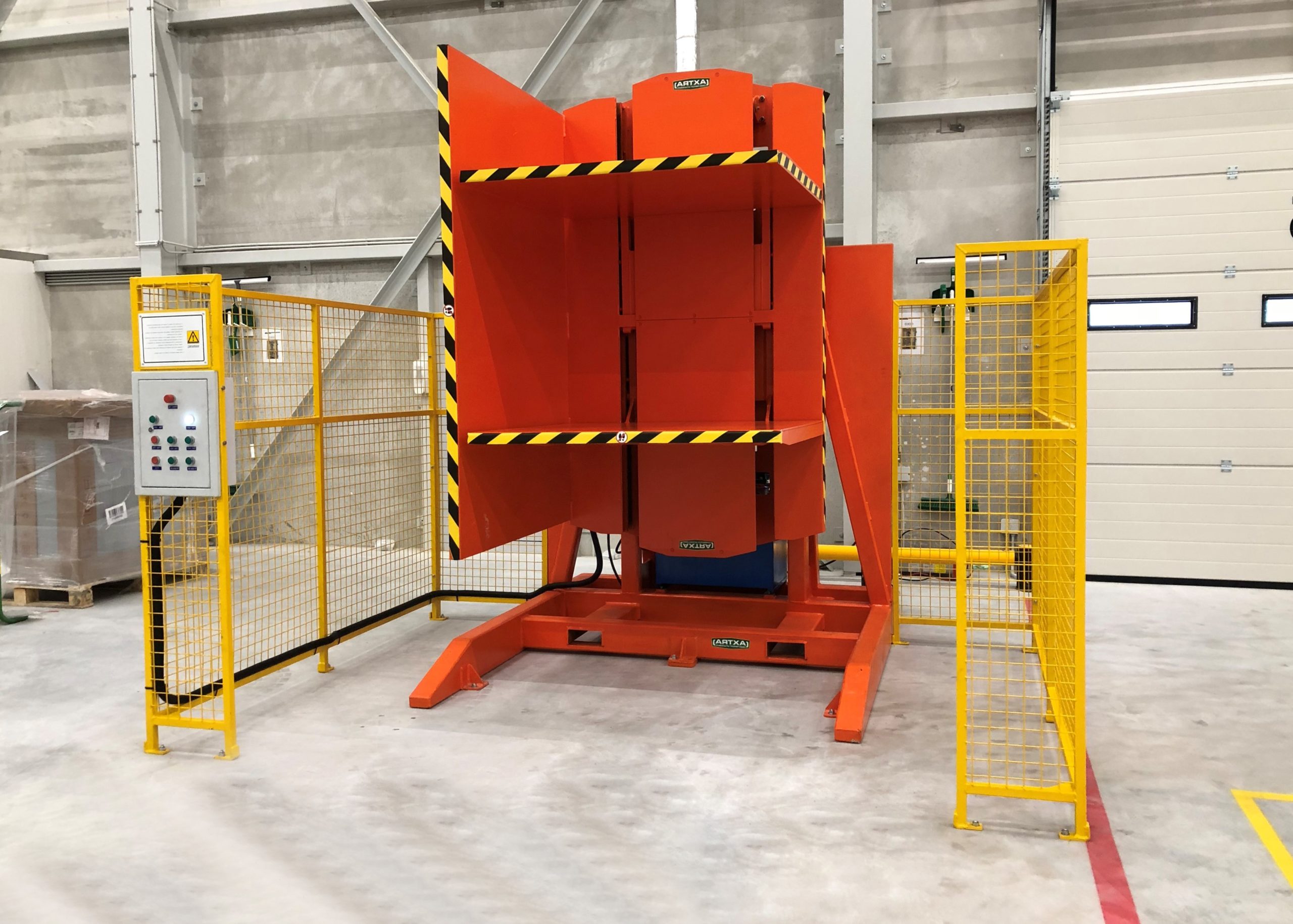
Consistent adherence to these safety procedures is crucial for preventing accidents and injuries associated with pallet inverter operation.
Pallet Inverters: An Investment in a Safer and More Productive Future
Investing in pallet inverters is not just a purchase of equipment; it's an investment in the well-being of your workforce and the long-term efficiency of your operations. By significantly reducing the risks of labor injuries associated with manual pallet handling, pallet inverters offer a compelling return on investment.
The benefits extend beyond injury reduction to encompass:
- Increased Productivity: Streamlining pallet handling processes saves time and labor, leading to increased throughput and faster turnaround times.
- Reduced Labor Costs: Minimizing manual labor requirements can reduce staffing needs and associated labor costs.
- Decreased Product Damage: Gentle and controlled pallet inversion minimizes the risk of product damage during handling.
- Improved Employee Morale: A safer and more ergonomic workplace boosts employee morale and reduces absenteeism due to injuries.
- Lower Workers' Compensation Costs: Fewer injuries translate directly into lower workers' compensation claims and insurance premiums.
In conclusion, pallet inverters are a powerful solution for businesses seeking to create a safer, more ergonomic, and more productive material handling environment. By mechanically addressing the ergonomic challenges of manual pallet handling, these machines offer a significant advantage in reducing labor injuries, protecting employees, and enhancing overall operational efficiency. Embracing pallet inverter technology is a proactive step towards building a sustainable and thriving workplace where safety and productivity go hand in hand.
What are the advantages of pallet inverters in reducing labor injuries? Pallet inverters dramatically reduce manual lifting, bending, and repetitive motions, key causes of workplace injuries. By automating pallet handling, they enhance ergonomics, improve safety, and streamline load transfer, leading to fewer strains, sprains, and musculoskeletal disorders, creating a healthier and more productive workforce。