
What Are the Advantages of Automated Pallet Inverters?
Automated pallet inverters offer significant advantages in material handling, streamlining operations and boosting efficiency by automating pallet load rotation and transfer. They reduce manual labor, minimize product damage, and enhance workplace safety, making them essential for industries seeking optimized productivity and cost savings.
In today's fast-paced logistics, warehousing, and manufacturing environments, operational efficiency is paramount. Businesses are constantly seeking innovative solutions to optimize workflows, reduce costs, and enhance safety. Among the array of material handling equipment available, automated pallet inverters are emerging as a game-changer, revolutionizing how palletized goods are managed across various industries. But what exactly are the advantages of automated pallet inverters, and why are they becoming increasingly indispensable for modern operations?
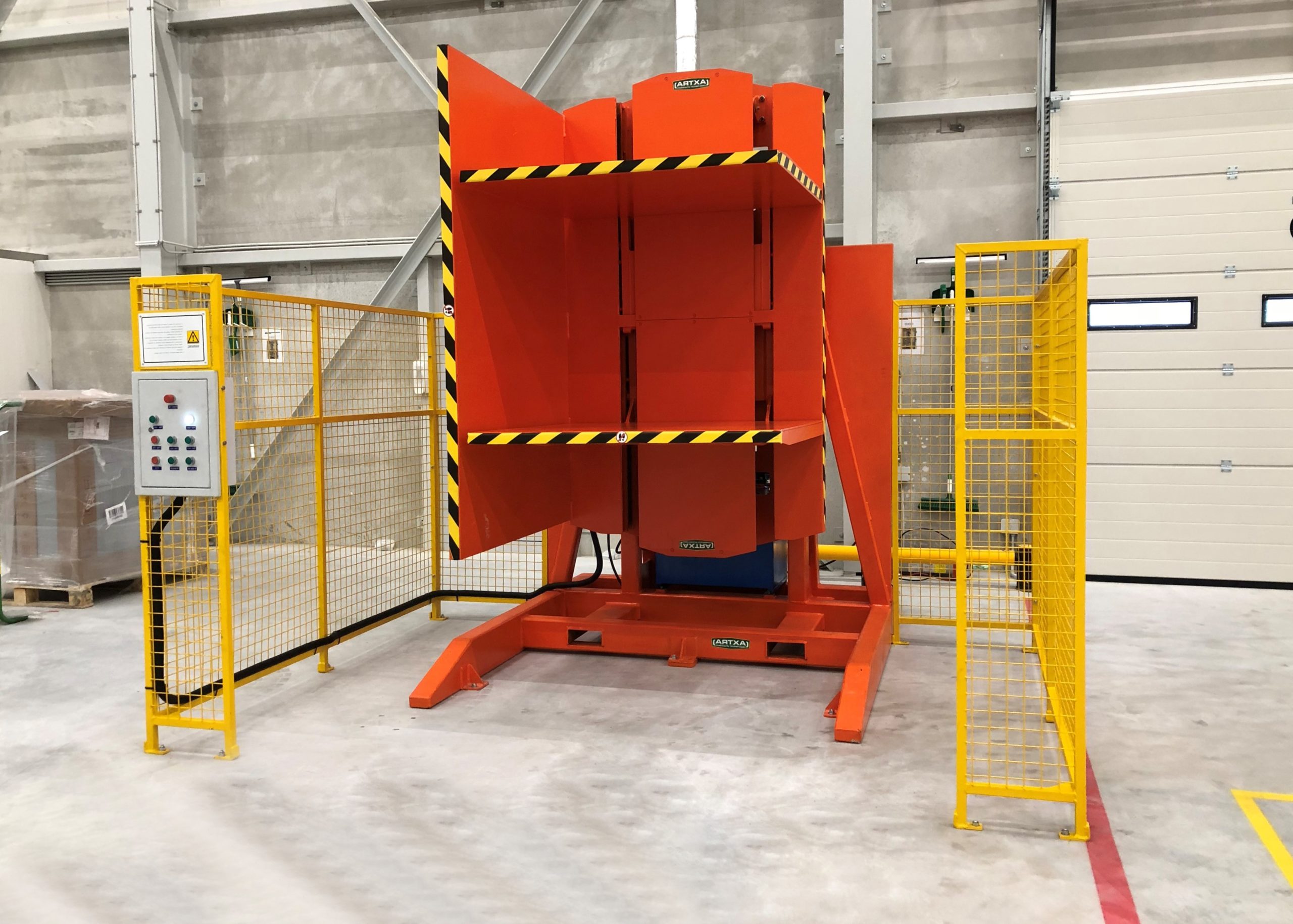
Boosting Efficiency to New Heights with Automation
One of the most compelling advantages of automated pallet inverters is their remarkable ability to enhance efficiency and productivity. Unlike manual pallet handling methods, which are often time-consuming and labor-intensive, automated inverters execute pallet rotation and transfer tasks swiftly and seamlessly.
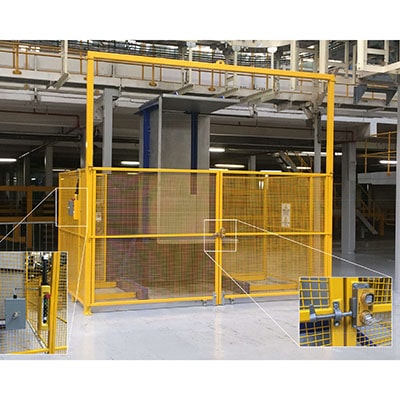
Reduced Cycle Times: Automated pallet inverters significantly reduce cycle times for pallet exchange or load inversion. Operations that might take several minutes manually can be completed in under a minute with automation. For instance, models like those from Premier Handling Solutions boast cycle times as short as 45 seconds, allowing for rapid processing of pallet loads. This speed is crucial in high-volume environments where throughput is a key performance indicator.
Streamlined Operations: By automating the inversion process, businesses can streamline their entire material handling workflow. Automated systems can be integrated into existing production lines or warehouse setups, eliminating bottlenecks and ensuring a smoother flow of goods. Inline pallet inverters, in particular, are designed for seamless integration into automated systems, further enhancing operational efficiency in large-scale facilities.
Increased Throughput: The speed and efficiency of automated inverters directly translate to increased throughput. Warehouses and distribution centers processing hundreds or thousands of pallets daily can realize significant gains in the number of pallets handled per hour, day, or week. This increased throughput capacity allows businesses to meet demanding schedules and handle peak season volumes effectively without straining resources.
Slash Labor Costs and Enhance Worker Safety
Beyond efficiency gains, automated pallet inverters offer substantial advantages in terms of labor cost reduction and workplace safety enhancement. Manual pallet handling is not only slow but also poses significant risks to workers and can be a drain on operational budgets.
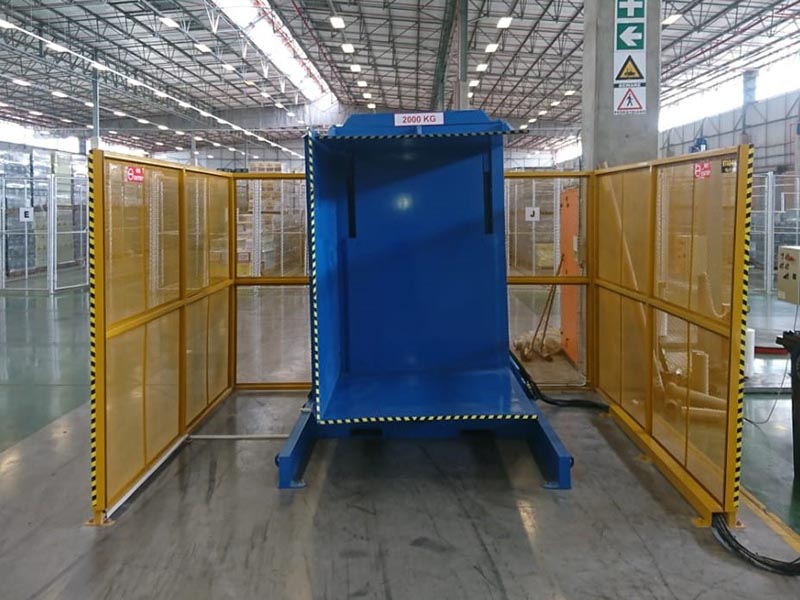
Reduced Manual Labor Dependency: Automated pallet inverters drastically reduce the need for manual labor in pallet handling. Tasks that traditionally required multiple workers to physically rotate or restack pallets can now be performed by a single operator overseeing the automated system. This reduction in manual labor translates directly into lower payroll expenses and allows businesses to reallocate human resources to more value-added activities.
Minimized Physical Strain and Injuries: Manual pallet handling is physically demanding and poses a high risk of musculoskeletal injuries, particularly back injuries, strains, and sprains. Automated pallet inverters eliminate the need for workers to perform heavy lifting, bending, and repetitive motions associated with manual pallet inversion. By minimizing physical strain, businesses can create a safer working environment, reduce workplace injuries, and lower associated costs such as insurance premiums and workers' compensation claims. Studies indicate that automation in warehousing can significantly reduce worker injuries, with robotic palletizing alone addressing concerns like back pain prevalent among warehouse workers.
Lower Labor Costs: The reduced dependency on manual labor and the increased efficiency of automated systems lead to significant labor cost savings. Fewer workers are needed for pallet handling tasks, and the faster processing times mean less labor hours are spent per pallet load. Over time, these savings accumulate, providing a substantial return on investment for businesses adopting automated pallet inverters.
Protecting Products and Ensuring Quality
Product damage during pallet handling is a significant concern across industries, leading to financial losses and compromised product quality. Automated pallet inverters offer a controlled and secure method for handling pallet loads, minimizing the risk of damage and ensuring product integrity.
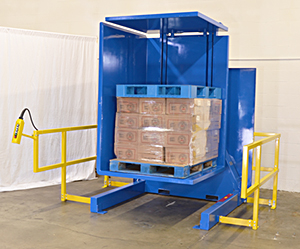
Minimized Product Damage: Manual handling of palletized goods is prone to human error and accidental damage. Automated pallet inverters employ secure clamping mechanisms that hold the load firmly during rotation or inversion, preventing items from shifting, falling, or being crushed. This controlled handling significantly reduces the risk of product damage, especially for fragile or sensitive goods.
Consistent and Gentle Handling: Automated systems are programmed to perform inversions with precision and consistency, ensuring gentle handling of products. This is particularly crucial in industries like food and beverage or pharmaceuticals, where product integrity and hygiene are paramount. Pallet inverters facilitate quick pallet exchange without compromising the quality or safety of the goods.
Hygiene Compliance: In industries with stringent hygiene standards, such as food processing and pharmaceuticals, automated pallet inverters contribute to maintaining cleanliness and preventing contamination. By enabling quick and efficient pallet replacement, they reduce the risk of product contamination during handling, ensuring compliance with hygiene regulations and maintaining product quality.
Streamlining Operations for Peak Performance
Automated pallet inverters are not just about speed and safety; they also contribute to streamlining overall operations and workflow efficiency, enhancing the agility and responsiveness of businesses.
Faster Pallet Exchanges: Businesses often need to switch between different pallet types, such as wood, plastic, or export-compliant pallets. Automated pallet inverters facilitate rapid pallet exchange, allowing for seamless transitions between pallet types without disrupting workflow. This is particularly beneficial in industries with diverse pallet requirements or those needing to comply with specific shipping regulations.
Integration with Existing Systems: Automated pallet inverters are designed for easy integration into existing material handling systems and workflows. They can be used in conjunction with forklifts, conveyors, and other warehouse equipment, creating a cohesive and efficient operational ecosystem. Inline models are specifically designed for seamless integration into automated production lines, further enhancing workflow efficiency.
Reduced Downtime: By automating a critical step in material handling, businesses can reduce downtime associated with manual pallet inversion or exchange. The speed and reliability of automated systems minimize interruptions and ensure continuous operation, contributing to overall productivity and on-time delivery.
Maximizing Warehouse Space
Efficient space utilization is a critical factor in warehouse and distribution center management. Automated pallet inverters can contribute to optimizing storage space by enabling better pallet configurations and denser storage arrangements.
Optimized Pallet Configurations: Some automated palletizing systems, which share similar automation principles with pallet inverters, are designed to optimize pallet configurations. While the source material focuses on robotic palletizing for space optimization, the general principle of automated systems contributing to better pallet arrangements can be extended to automated pallet inverters in terms of facilitating access and reorganization of pallet loads for denser storage.
Enhanced Warehouse Layout: By streamlining pallet handling and reducing the need for manual access to all sides of a pallet load, automated pallet inverters can influence warehouse layout design. Efficient inversion capabilities might allow for denser storage arrangements and better utilization of vertical space within the warehouse, although this is more of an indirect benefit.
Data-Driven Insights and Precision (Adaptable from Robotic Palletizing)
While not explicitly stated for pallet inverters in the provided text, modern automated systems often incorporate data collection and precision capabilities. Drawing parallels from the benefits of robotic automated palletizing mentioned in the materials, we can infer potential advantages for sophisticated automated pallet inverters.
Data Collection for Analysis: Advanced automated pallet inverters, especially those integrated with smart warehouse systems, could potentially collect data on cycle times, throughput, and operational efficiency. This data can be invaluable for analysis, identifying bottlenecks, optimizing workflows, and making data-driven decisions for continuous improvement.
Precise and Consistent Operation: Automated systems, by nature, offer precision and consistency in operation. Automated pallet inverters execute inversion cycles with programmed accuracy, reducing variability and ensuring consistent handling of pallet loads. This precision contributes to both product protection and operational reliability.
Industries Across the Spectrum Benefit
The advantages of automated pallet inverters are not confined to a single sector. A diverse range of industries can benefit significantly from adopting this technology, including:
Food and Beverage: Ensuring hygiene, minimizing product damage, and facilitating efficient handling of perishable goods.
Pharmaceuticals: Maintaining product integrity, complying with stringent hygiene standards, and handling delicate and high-value products.
Automotive: Handling heavy and bulky automotive parts efficiently, reducing labor costs, and improving operational flow.
Logistics and Warehousing: Streamlining distribution processes, reducing labor costs in high-volume operations, and enhancing overall efficiency.
Cold Storage: Maintaining temperature consistency for temperature-sensitive products by enabling efficient pallet handling without prolonged exposure to ambient temperatures.
Pet Food: Ensuring product quality, minimizing damage to bulky pet food products, and improving warehouse efficiency.
Meat, Poultry, and Seafood: Maintaining food safety and quality through temperature-controlled handling and minimizing cross-contamination risks.
Manufacturing: Streamlining production lines, handling raw materials and finished goods efficiently, and improving overall manufacturing productivity.
Cost and Investment Considerations
While the initial investment in automated pallet inverters is a factor to consider, the long-term benefits and return on investment (ROI) often outweigh the upfront costs.
Initial Purchase Price: The cost of automated pallet inverters varies depending on factors like capacity, features, and automation level. Prices can range from mid-range to high-end, but it's crucial to consider this investment in light of the long-term savings and operational improvements they deliver.
Installation and Maintenance: Installation costs may include facility modifications and staff training. Ongoing maintenance costs include routine servicing and potential repairs. However, these costs should be factored into the overall ROI calculation, considering the reduced labor costs, increased efficiency, and minimized product damage that automated inverters provide.
Rental Options: For businesses with short-term needs or those wanting to test the technology before committing to a purchase, pallet inverter rental is a viable option. Rental provides flexibility and avoids the initial capital outlay, allowing businesses to experience the benefits firsthand.
Long-Term ROI: The true value of automated pallet inverters lies in their long-term ROI. The combination of reduced labor costs, increased throughput, minimized product damage, and enhanced safety contributes to significant cost savings and operational improvements over time. Many manufacturers claim to offer ROI within a relatively short period, making automated pallet inverters a financially sound investment for businesses aiming for long-term efficiency and profitability.
Conclusion: Embrace Automation for Pallet Handling Excellence
Automated pallet inverters are not just machines; they are strategic assets that empower businesses to achieve operational excellence in material handling. By boosting efficiency, reducing labor costs, enhancing safety, protecting products, and streamlining workflows, automated pallet inverters offer a compelling value proposition across a multitude of industries. As businesses continue to seek competitive advantages in today's demanding marketplace, investing in automated pallet inverter technology is becoming an increasingly crucial step towards optimizing supply chain processes and achieving sustainable growth. Embracing automation in pallet handling is no longer a luxury but a necessity for businesses striving for efficiency, safety, and profitability in the modern era.