
Upgrading Equipment in Steel Coil Packaging Lines
Is your steel coil packaging line struggling to keep pace with production demands? Are safety concerns and labor costs eating into your profits? It's time to consider an upgrade. Outdated equipment can lead to bottlenecks, inefficiencies, and increased risks. Discover how upgrading your steel coil packaging line can revolutionize your operations, boosting productivity, enhancing safety, and securing your bottom line.
Upgrading equipment in steel coil packaging lines enhances efficiency, safety, and product quality. Key benefits include increased automation for faster throughput, improved safety features to protect workers, and precise packaging to minimize damage and material waste. Upgrades often involve integrating modern components like automated turnstiles, advanced wrapping and strapping machines, and robotic palletizers for streamlined operations.
Investing in an upgraded steel coil packaging line is not just about keeping up with the times; it's about future-proofing your business and ensuring long-term success in a competitive market. Let's delve into the specifics of how these upgrades can transform your coil packaging process.
Why Upgrade Your Steel Coil Packaging Line?
In today's demanding manufacturing landscape, simply maintaining the status quo is no longer sufficient. Steel coil packaging lines, like any machinery, can become outdated, leading to decreased efficiency and increased operational costs. Upgrading your equipment is a proactive step towards optimizing performance and securing a competitive edge.
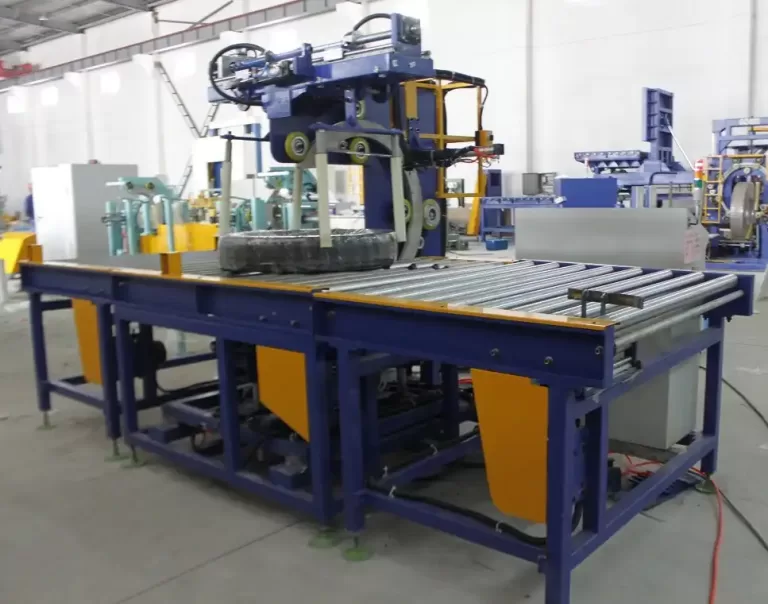
Upgrading your steel coil packaging line is crucial for several key reasons: enhancing safety by implementing modern safety features, increasing automation to reduce labor and boost speed, improving production speed and minimizing downtime for greater throughput, and enhancing product quality and consistency through precise packaging processes. These upgrades collectively contribute to a more efficient, safer, and more profitable operation.
Dive Deeper: Quantifiable Benefits of Upgrading
To truly understand the impact of upgrading, let's break down the benefits into quantifiable metrics. Consider the following aspects of your current packaging line and how upgrades can lead to tangible improvements:
Safety Enhancement: A Critical Imperative
Safety is paramount in any industrial operation. Older packaging lines often lack modern safety features, posing risks to personnel. Upgrades can incorporate:
- Light Curtains and Safety Scanners: These create safety zones around machinery, automatically stopping operation when a worker enters a hazardous area.
- Emergency Stop Systems: Easily accessible emergency stops can quickly halt the entire line in case of malfunctions or emergencies.
- Improved Ergonomics: Automation reduces manual handling of heavy coils, minimizing strain and injury risks for workers.
| Safety Feature | Traditional Line | Upgraded Line | Impact |
|---|---|---|---|
| Safety Guards | Basic, often incomplete guards | Comprehensive, interlocked guards | Significantly reduces access to hazardous moving parts |
| Emergency Stop Buttons | Limited, potentially inconveniently placed | Multiple, strategically placed, easily accessible buttons | Ensures rapid shutdown in emergencies |
| Light Curtains/Scanners | Absent | Integrated around hazardous zones | Prevents accidental entry into dangerous areas, automatic stop |
| Ergonomics | High manual handling, heavy lifting | Automated handling, minimal manual intervention | Reduces worker fatigue, minimizes musculoskeletal injuries |
Automation for Efficiency and Speed: The Productivity Multiplier
Automation is the cornerstone of modern manufacturing efficiency. Upgrading your packaging line with automation can lead to significant gains in speed and throughput.
- Automated Turnstiles: Ensure a consistent and rapid feed of coils into the packaging process, eliminating manual loading delays.
- High-Speed Wrapping and Strapping Machines: Modern machines operate at significantly faster speeds, reducing cycle times.
- Robotic Palletizers: Automate the stacking of packaged coils onto pallets, increasing speed and consistency compared to manual palletizing.
| Automation Feature | Traditional Line | Upgraded Line | Impact |
|---|---|---|---|
| Coil Feeding | Manual forklift loading | Automated turnstile | Consistent, high-speed coil feeding, reduced downtime |
| Wrapping/Strapping | Semi-automatic, manual cycle initiation | Fully automatic, high-speed operation | Faster cycle times, increased throughput, reduced labor per coil |
| Palletizing | Manual stacking | Robotic palletizer | Rapid, consistent pallet loading, optimized space utilization, reduced labor |
| System Integration | Standalone machines, manual transfer between stations | Integrated line, automated transfer and synchronization | Seamless workflow, minimized bottlenecks, optimized overall efficiency |
Quality and Consistency: Protecting Your Product Value
Consistent, high-quality packaging is crucial for protecting steel coils during storage and transit, minimizing damage and ensuring customer satisfaction. Upgraded lines offer:
- Precise Tension Control: Advanced wrapping and strapping machines apply consistent tension, preventing loose packaging or damage to delicate coil surfaces.
- Uniform Wrapping: Automated systems ensure consistent overlap and coverage of wrapping materials, providing optimal protection against moisture and corrosion.
- Accurate Labeling and Tracking: Integrated labeling systems ensure clear and accurate identification of each coil, improving inventory management and traceability.
| Quality Aspect | Traditional Line | Upgraded Line | Impact |
|---|---|---|---|
| Wrapping Tension | Manual adjustment, inconsistent tension | Automatic tension control, consistent application | Prevents loose wrapping or damage to coil surface |
| Strapping Tension | Manual adjustment, inconsistent tension | Automatic tension control, consistent application | Securely holds coil, prevents shifting during transit, minimizes damage |
| Material Application | Manual, inconsistent overlap and coverage | Automated, uniform overlap and coverage | Optimal protection against moisture, corrosion, and physical damage |
| Labeling/Tracking | Manual labeling, prone to errors | Integrated system, automated and accurate labeling | Improved inventory management, traceability, reduced errors in shipping |
By focusing on these key areas of improvement, upgrading your steel coil packaging line translates to a more efficient, safer, and higher-quality operation. The investment in upgrades yields significant returns in the long run.
Embracing Automation Upgrades for Enhanced Efficiency
Automation is no longer a futuristic concept; it's a present-day necessity for industries striving for peak efficiency. In steel coil packaging, automation upgrades are transforming how materials are handled, processed, and prepared for shipment. By integrating smart technologies, businesses can significantly reduce manual labor, increase throughput, and improve overall operational performance.
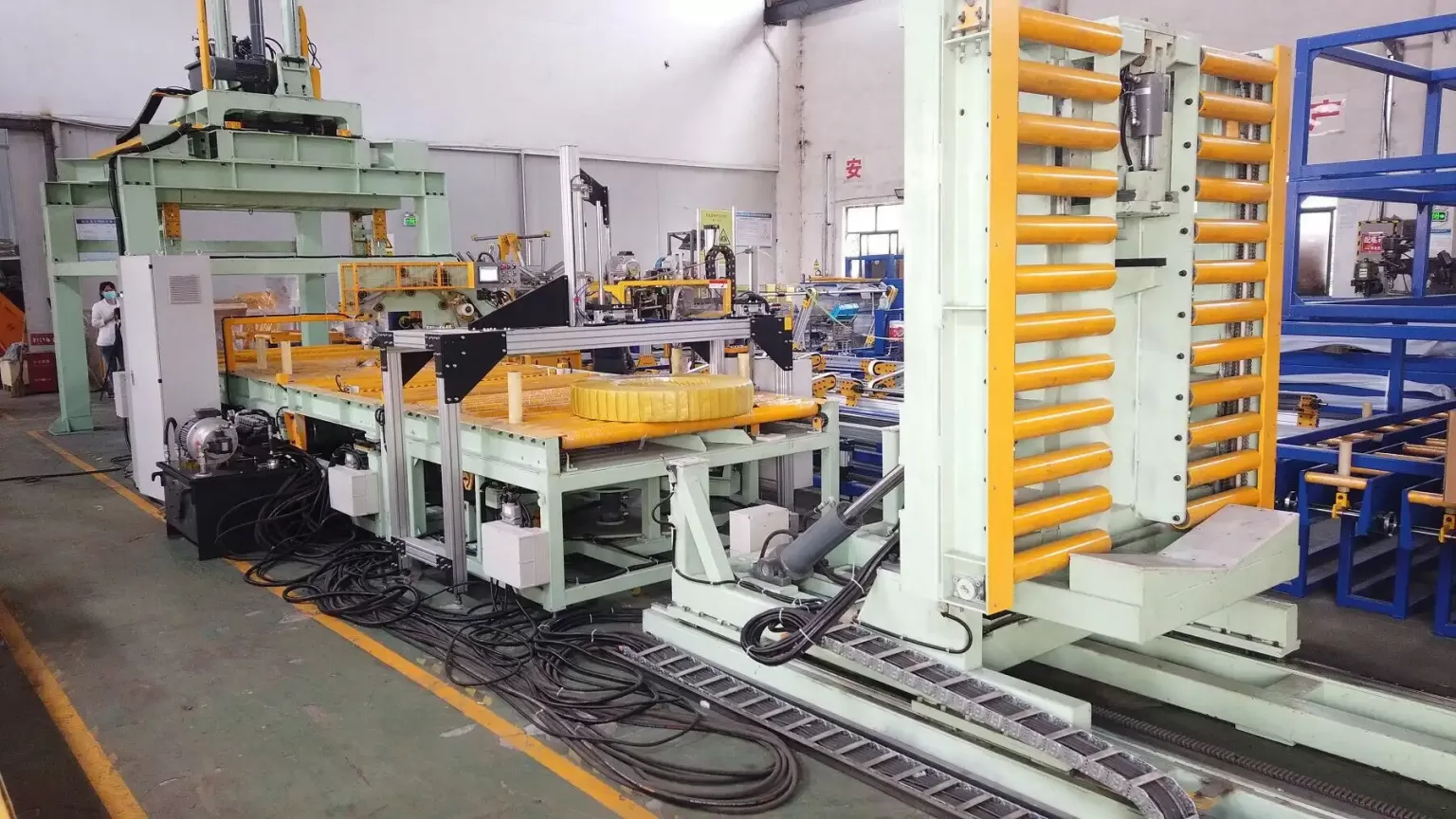
Automation upgrades in steel coil packaging lines drastically improve efficiency by automating tasks such as coil setup (threading, banding, taping, packaging), material handling, and continuous operation functions. Integrating robotics and advanced technology leads to faster throughput, reduced operator interactions for enhanced safety, and support for handling new product types on existing lines. Common applications include automated coil feeding, wrapping, strapping, and palletizing.
- The Power of Robotic Integration
The integration of robotics into steel coil packaging lines represents a significant leap forward in automation. Robots are capable of performing repetitive and physically demanding tasks with precision and speed, far exceeding human capabilities in these areas. Consider these key robotic applications:
-
Robotic Palletizing: As mentioned earlier, robotic palletizers offer unparalleled speed and accuracy in stacking packaged coils. They can handle heavy loads consistently and arrange them in optimal configurations on pallets, maximizing space utilization and stability.
-
Robotic Material Handling: Robots can be employed for tasks beyond palletizing, such as transferring coils between stations within the packaging line, loading coils onto conveyors, and even assisting with coil setup and threading. This reduces the need for manual forklift operation and improves material flow.
-
Automated Coil Setup: Tasks like threading coil ends into processing machinery, applying banding or taping, and initial packaging steps can be automated using robotic systems. This streamlines the start of the packaging process and reduces manual intervention.
-
PLC and Sensor-Driven Control Systems
The "brains" behind automated packaging lines are Programmable Logic Controllers (PLCs) and sophisticated sensor networks.
-
PLCs: These industrial computers control and synchronize all the components of the packaging line, from conveyors and wrapping machines to strapping units and robots. PLCs ensure precise timing and coordination of each step, optimizing the entire process.
-
Sensors: A variety of sensors provide real-time feedback to the PLC, monitoring coil position, size, weight, and packaging status. This data allows the system to make dynamic adjustments, ensuring consistent and accurate packaging for coils of varying dimensions. Sensors also play a crucial role in safety systems, detecting potential hazards and triggering safety protocols.
-
Benefits Across Different Coil Types
Automation upgrades are beneficial for packaging various types of coils:
- Steel Coils: Heavy steel coils benefit significantly from robotic handling and automated strapping, reducing labor and improving safety in handling these heavy materials.
- Aluminum Coils: Delicate aluminum coils require precise tension control during wrapping and strapping. Automated systems provide this precision, minimizing the risk of damage to the softer aluminum.
- Copper Coils: Similar to aluminum, copper coils benefit from gentle yet secure handling provided by automated systems, ensuring product integrity.
- Specialty Metal Coils: For high-value specialty metals, automation ensures consistent and reliable packaging, protecting these expensive materials during transit and storage.
By embracing automation upgrades, steel coil packaging lines become more efficient, safer, and capable of handling a wider range of products. The investment in automation technology translates to long-term gains in productivity and profitability.
Key Components of an Upgraded Packaging Line
An upgraded steel coil packaging line is a symphony of interconnected components, each playing a vital role in the overall efficiency and effectiveness of the system. Understanding these components is key to appreciating the advancements in modern packaging technology.
Core components of an upgraded steel coil packaging line include an automated turnstile for efficient coil feeding, a coil wrapping machine for secure protection against damage and corrosion, a strapping machine for enhanced bundle security during handling and transportation, and a palletizer robot for efficient and systematic pallet loading. These components work in concert to automate and streamline the entire packaging process.
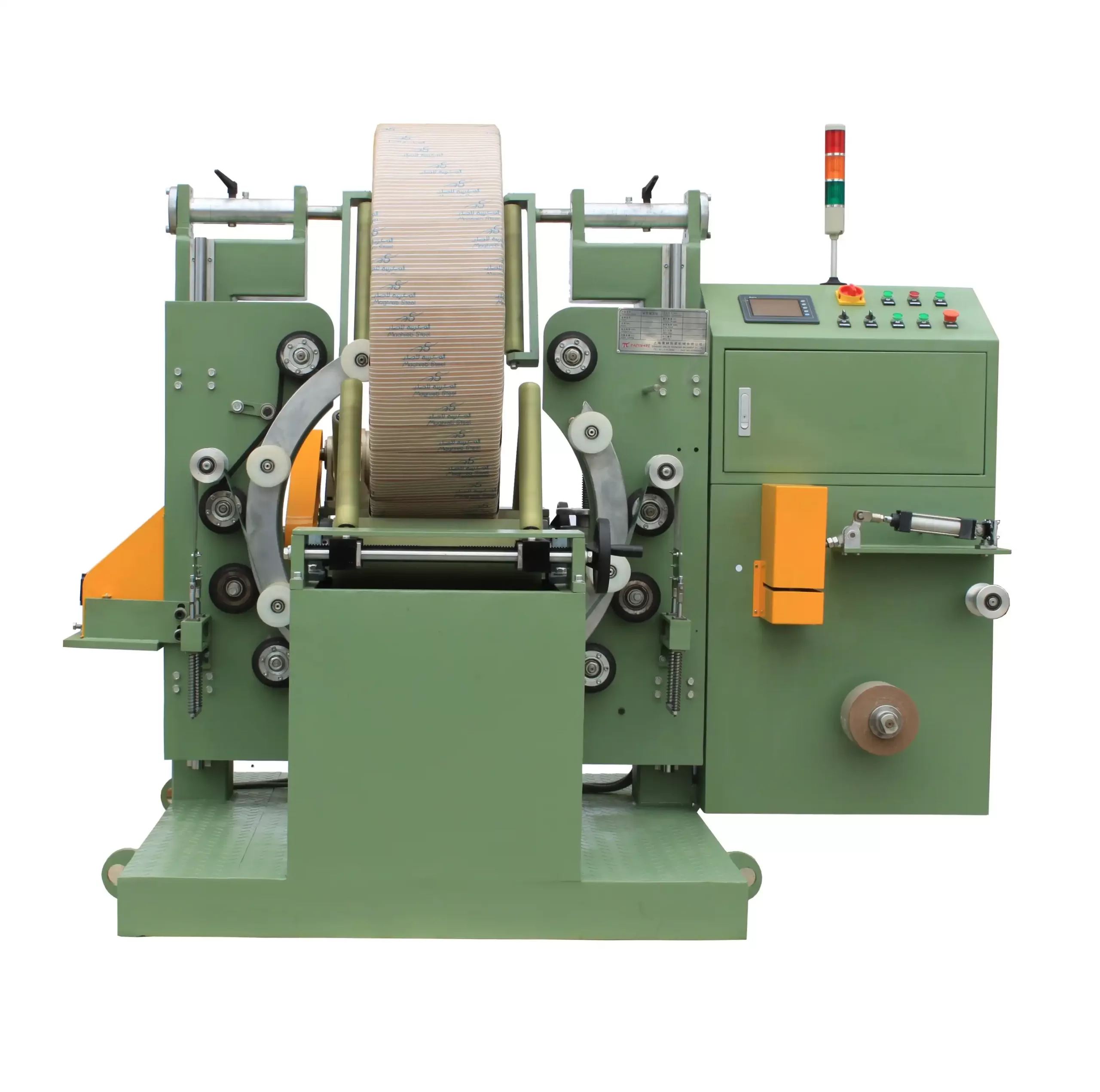
- Automated Turnstile: The Gateway to Efficiency
The turnstile is the entry point to the packaging line, responsible for receiving coils and feeding them into the system at a controlled pace. Modern automated turnstiles offer significant advantages over traditional manual loading methods:
-
Consistent Coil Feeding: Automated turnstiles ensure a steady and consistent flow of coils, eliminating bottlenecks and downtime associated with manual loading.
-
Reduced Labor: They minimize the need for manual forklift operation for loading coils onto the packaging line, freeing up labor for other tasks.
-
Improved Safety: Automated loading reduces the risk of accidents associated with manual handling of heavy coils by forklifts in close proximity to the packaging line.
-
Coil Wrapping Machine: First Line of Defense
The coil wrapping machine is crucial for providing initial protection to the steel coils. Upgraded wrapping machines offer:
-
High-Speed Wrapping: Modern machines utilize advanced wrapping mechanisms and materials to quickly and efficiently wrap coils, minimizing cycle times.
-
Precise Tension Control: Electronic tension control systems ensure consistent and appropriate wrapping tension, preventing damage to coil edges or loose wrapping.
-
Material Versatility: Upgraded machines can handle a variety of wrapping materials, including stretch film, paper, and woven fabrics, allowing for customized protection based on coil type and environmental conditions.
-
Strapping Machine: Securing the Bundle
The strapping machine reinforces the wrapped coil, providing robust security for handling and transportation. Modern strapping machines feature:
-
Automated Strapping Application: Fully automated systems apply straps quickly and consistently, eliminating manual strapping processes.
-
Consistent Strap Tension: Automatic tension control ensures straps are applied with the correct tension, securely holding the coil bundle without causing damage.
-
Multiple Strapping Options: Machines can be configured to apply steel, polyester, or polypropylene straps, depending on the weight and handling requirements of the coil.
-
Palletizer Robot: The Final Touch of Automation
The palletizer robot is the final component in the line, automating the stacking of packaged coils onto pallets. Robotic palletizers offer:
- High-Speed Palletizing: Robots can rapidly pick and place packaged coils onto pallets, significantly increasing palletizing speed compared to manual stacking.
- Precise and Consistent Stacking: Robots ensure consistent stacking patterns, maximizing pallet space utilization and improving pallet stability.
- Reduced Labor and Injury Risk: Palletizing is a physically demanding and repetitive task. Robots eliminate this manual labor, reducing strain and injury risks for workers.
By integrating these advanced components, upgraded steel coil packaging lines offer a seamless, efficient, and highly automated solution for modern steel processing and distribution facilities.
The Return on Investment: Justifying the Upgrade
Investing in upgraded steel coil packaging equipment requires careful consideration of the return on investment (ROI). While the initial capital expenditure can be significant, the long-term benefits in terms of cost savings, efficiency gains, and improved safety often provide a compelling financial justification.
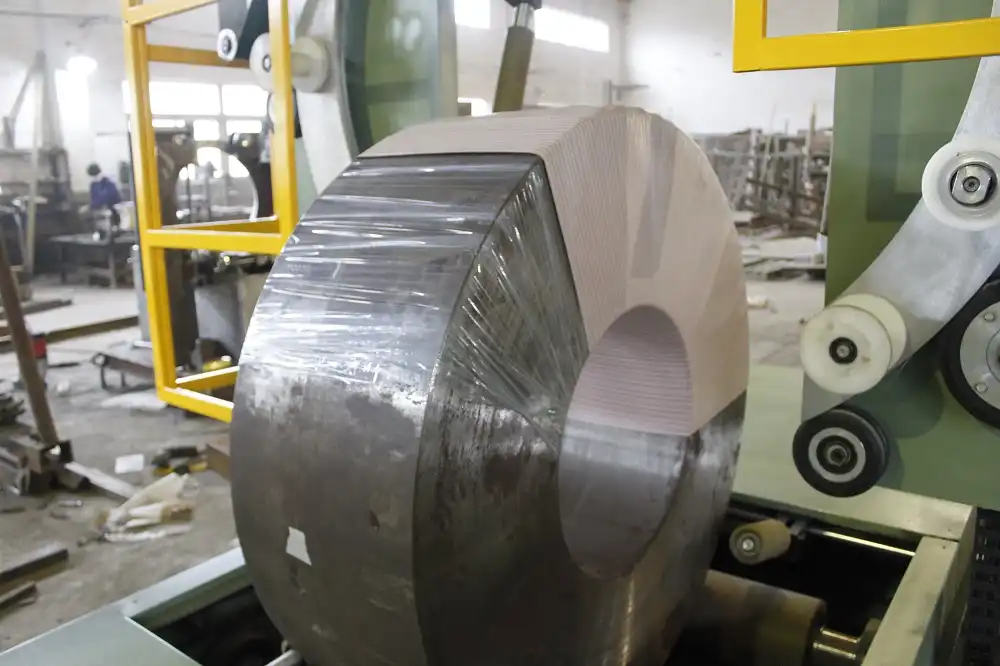
The ROI of upgrading steel coil packaging lines is substantial, driven by labor savings from automation, reduced material waste through precision packaging, increased speed and throughput leading to higher productivity, and improved safety features that minimize workplace accidents and related costs. These factors combine to create significant operational savings and long-term profitability improvements.
Quantifying the ROI requires a detailed analysis of various factors:
- Labor Cost Reduction: Automation directly reduces the need for manual labor in coil packaging. Calculate the current labor costs associated with manual packaging, including wages, benefits, and training. Estimate the reduction in labor required after automation upgrades and project the resulting cost savings over time.
- Material Waste Minimization: Automated systems optimize material usage, reducing waste of wrapping film, strapping, and other packaging consumables. Assess current material waste levels and estimate the reduction achievable with upgraded equipment's precision application. Project the cost savings from reduced material consumption.
- Increased Throughput and Productivity: Upgraded lines operate at higher speeds and with greater efficiency, increasing overall throughput. Calculate the current production capacity and estimate the increase achievable with upgrades. Project the revenue increase resulting from higher production volume and faster order fulfillment.
- Reduced Downtime and Maintenance Costs: Modern equipment is often more reliable and requires less frequent maintenance than older machinery. Analyze historical downtime data and maintenance costs for the existing line. Estimate the reduction in downtime and maintenance expenses with upgraded equipment and project the associated cost savings.
- Safety Improvement and Reduced Injury Costs: Upgrades enhance workplace safety, reducing the risk of accidents and injuries. Analyze historical accident data and workers' compensation costs. Estimate the reduction in accidents and injury-related expenses with improved safety features and project the cost savings.
- Improved Product Quality and Reduced Damage: Consistent and high-quality packaging minimizes product damage during handling and transit. Assess current product damage rates and associated costs (rework, replacements, customer claims). Estimate the reduction in damage with improved packaging quality and project the cost savings.
By carefully quantifying these factors and projecting the savings and revenue gains over a defined period (e.g., 3-5 years), you can develop a comprehensive ROI analysis to justify the investment in upgrading your steel coil packaging line. The analysis will likely demonstrate that the long-term financial benefits far outweigh the initial investment, making the upgrade a strategically sound decision for long-term profitability and competitiveness.
Conclusion
Upgrading equipment in steel coil packaging lines is a strategic imperative for steel manufacturers and distributors seeking to optimize their operations in today's competitive landscape. By embracing automation and modern packaging technologies, businesses can achieve significant improvements in efficiency, safety, product quality, and overall profitability. The transition to upgraded systems, while requiring initial investment, delivers a substantial return through reduced labor costs, minimized material waste, increased throughput, and a safer working environment. For companies aiming for sustained success and leadership in the steel industry, investing in wire packing automation is not just an upgrade—it's a transformation.