
The roar of machinery, the precision of movement, the sheer power of hydraulics – introducing new mold upender equipment to your facility can be both exhilarating and daunting. Are you ready to empower your team to master these metal behemoths? The key to unlocking their potential lies in comprehensive, targeted training.
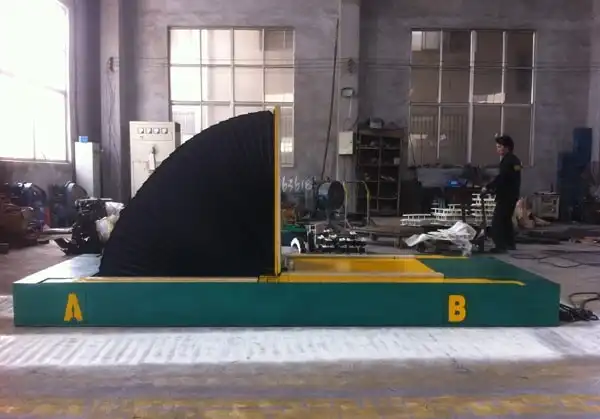
Effective training on new mold upender equipment ensures safe and efficient operation, reduces downtime, and minimizes the risk of costly errors or accidents. By investing in thorough instruction, companies can maximize the return on investment in their equipment, improve team productivity, and foster a culture of safety and continuous improvement.
But where do you begin? How do you ensure your team is not only competent but also confident in handling these complex machines? Read on to discover a step-by-step guide to developing a winning training program.
Understanding Mold Upender Equipment
What exactly are mold upenders, and why is training so crucial for their operation?
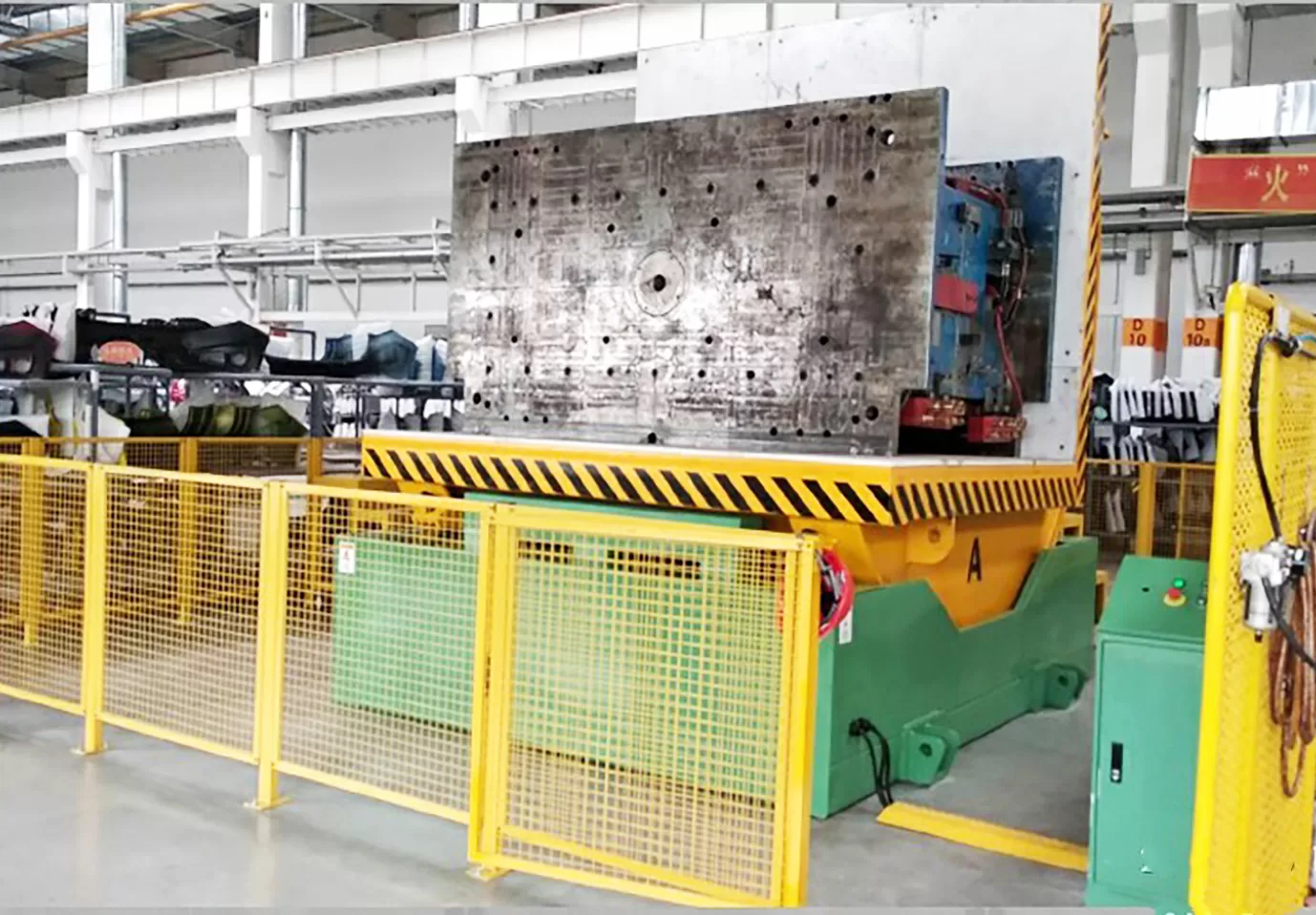
Mold upender equipment, also known as mold tilters or mold turnover machines, are heavy-duty devices used to rotate or invert large molds for maintenance, repair, or production purposes. Comprehensive training is vital because these machines involve significant weight, complex mechanics, and potential safety hazards.
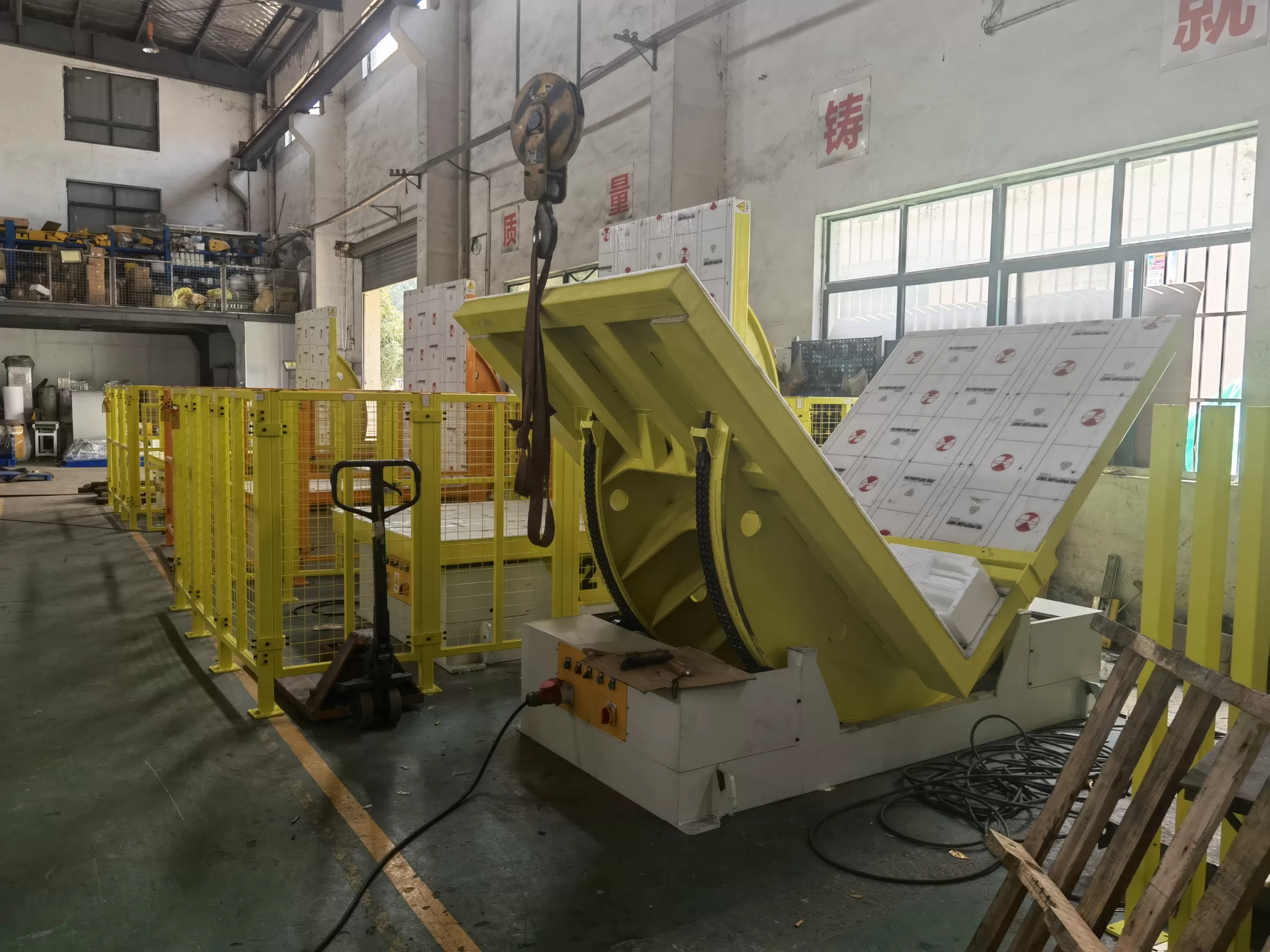
Delving Deeper: The Nuances of Effective Mold Upender Training
The effective training, mold upenders, team development, operational readiness, staff training needs to cover all the basic的内容 and troubleshooting.
Why comprehensive training is the only correct way
Why is comprehensive training essential? It's not merely about teaching your team which buttons to push. It's about instilling a deep understanding of the machine, its capabilities, and its limitations. It also involves fostering a safety-first mindset. Here's a breakdown:
- Safety Compliance: Mold upenders handle extremely heavy loads. Proper training ensures operators understand safety protocols, reducing the risk of accidents and injuries.
- Operational Efficiency: Trained operators can perform tasks faster and more accurately, minimizing downtime and maximizing production output.
- Equipment Longevity: Correct operation and maintenance, taught through training, extend the lifespan of the equipment and reduce repair costs.
- Problem Solving: A well-trained team can diagnose and resolve minor issues independently, preventing small problems from escalating into major breakdowns.
- Employee Confidence: Competent operators are more confident and motivated, leading to increased job satisfaction and reduced turnover.
Key Elements of Effective Training
What should a comprehensive training program include? It's more than just a quick walkthrough. Think of it as building a solid foundation of knowledge and skills.
- Theoretical Foundation: Start with the basics. Explain the machine's components, functions, and operating principles.
- Hands-On Operation: Allow trainees to operate the equipment under supervision, gradually increasing complexity.
- Safety Protocols: Emphasize safety procedures, emergency shutdowns, and hazard identification.
- Maintenance Procedures: Teach routine maintenance tasks, lubrication schedules, and basic troubleshooting.
- Load Management: Provide training on load capacity, weight distribution, and safe lifting practices.
- Troubleshooting & Diagnostics: Equip operators with the knowledge to identify and resolve common issues.
- Documentation & Record Keeping: Train employees on how to properly document maintenance, repairs, and operational data.
Adapting Training to Different Skill Levels
One size doesn't fit all. Customize training to accommodate varying levels of experience within your team. Consider these approaches:
- New Hires: Provide a foundational training program covering all aspects of mold upender operation and safety.
- Experienced Operators: Offer refresher courses, advanced troubleshooting techniques, and updates on new features or procedures.
- Maintenance Personnel: Focus on in-depth maintenance procedures, diagnostic tools, and repair techniques.
The Long-Term Benefits: Quantifying Success
How can you measure the effectiveness of your training program? It's not just about feeling good; it's about seeing tangible results.
| Metric | Before Training | After Training | Improvement |
|---|---|---|---|
| Accident Rate | 3 incidents/year | 0 incidents | 100% |
| Downtime | 20 hours/month | 5 hours/month | 75% |
| Production Output | 100 molds/week | 120 molds/week | 20% |
| Maintenance Costs | $5,000/month | $2,000/month | 60% |
| Operator Confidence (Self-Assessment Score) | 6/10 | 9/10 | 50% |
These are just examples, of course. The key is to track relevant metrics and demonstrate the positive impact of your training investment.
By carefully planning and executing your training program, you can ensure your team is well-prepared to handle these machines, resulting in a safer, more efficient, and more productive operation.
Safety First: Implementing Rigorous Safety Protocols
Safety is paramount when operating heavy machinery. What are the essential safety protocols for mold upender equipment?
Rigorous safety protocols are critical when operating mold upenders due to the significant weight and potential hazards involved. Key measures include comprehensive training, pre-operation inspections, adherence to load limits, designated safety zones, and emergency shutdown procedures. Regular safety audits and a culture of vigilance are also essential to prevent accidents and ensure a safe working environment.
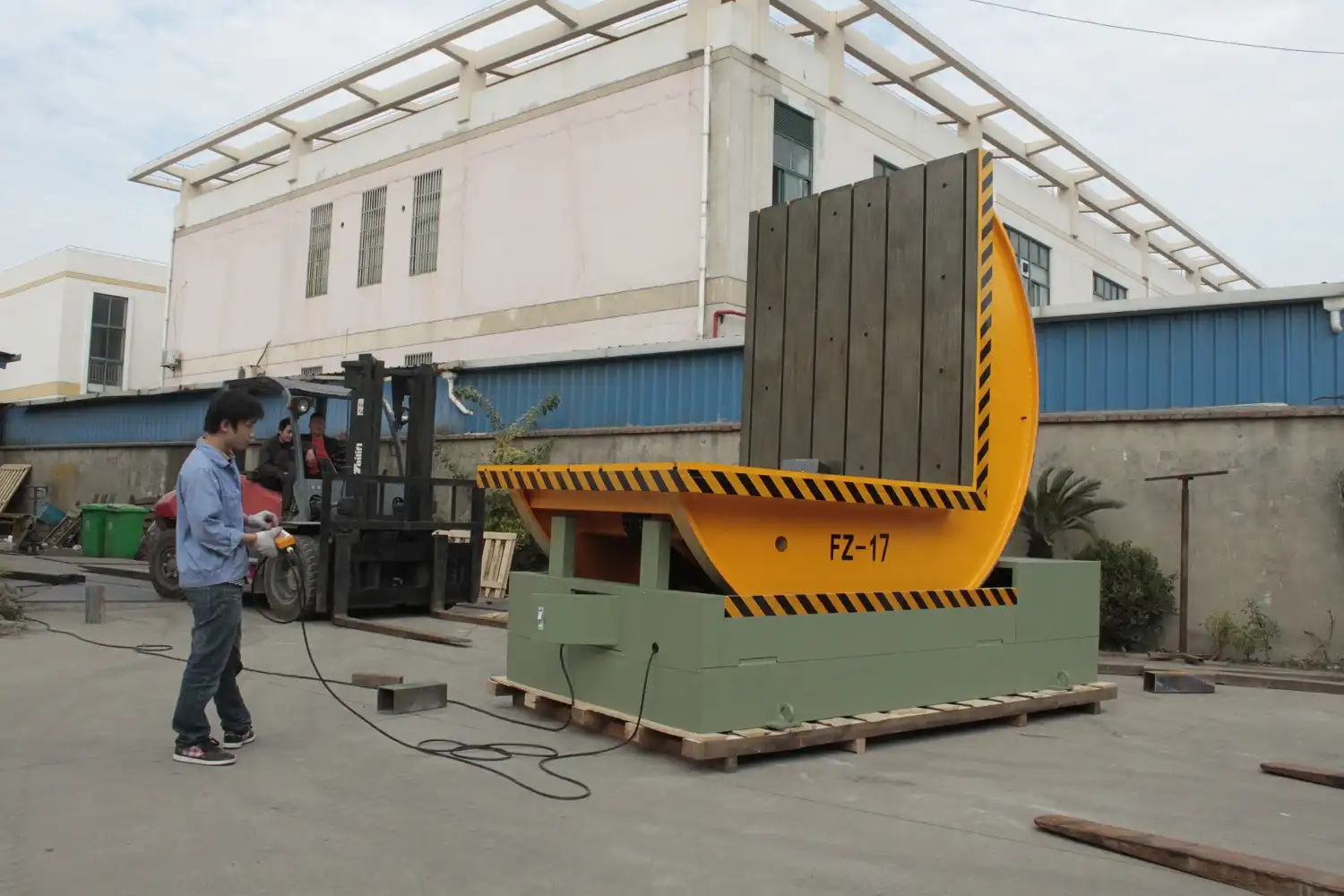
Establishing a Safety Culture: More Than Just Rules
Enforcing Safety starts with educating employees.
Essential Safety Features: A First Line of Defence
Modern mold upenders are equipped with a range of safety features designed to prevent accidents. It is essential that operators are fully conversant with these safeguards and understand how they function:
- Emergency Stop Buttons: Strategically placed emergency stop buttons allow immediate shutdown of the machine in case of a malfunction or hazard. Operators must know their location and how to use them.
- Safety Guards: Physical barriers or guards prevent accidental contact with moving parts. Never operate the equipment without these guards in place.
- Light Curtains/Laser Scanners: These devices create invisible safety zones around the machine. If the beam is broken, the machine automatically shuts down.
- Two-Hand Controls: Requiring the operator to use both hands to activate the machine prevents accidental operation while hands are in a hazardous area.
- Load Monitoring Systems: Sensors monitor the weight and distribution of the load, preventing overloading and potential instability.
Pre-Operation Inspections: A Daily Routine
Before each use, a thorough inspection of the mold upender is crucial. This should include:
- Visual Check: Look for any signs of damage, wear, or leaks.
- Functional Tests: Verify that all safety devices (emergency stops, light curtains, etc.) are functioning correctly.
- Hydraulic System: Check for leaks, proper fluid levels, and hose integrity.
- Electrical System: Inspect wiring, connections, and safety switches.
- Mechanical Components: Examine chains, gears, and bearings for wear or damage.
- Load Capacity: Ensure the intended load does not exceed the machine's rated capacity.
Establishing Clear Safety Zones
Define clear safety zones around the mold upender to prevent unauthorized access during operation. These zones should be clearly marked with signage and barriers. Employees should be trained to recognize and respect these zones.
Enforcing Strict Load Limits
Overloading a mold upender can lead to catastrophic failure. Always adhere to the manufacturer's specified load limits and ensure that the load is properly balanced. Implement procedures for verifying the weight of the mold before lifting.
Fostering a Culture of Reporting
Encourage employees to report any safety concerns, near misses, or equipment malfunctions without fear of reprisal. Establish a clear reporting process and promptly address all issues. A proactive approach to safety helps identify and mitigate potential hazards before they lead to accidents.
By implementing these strategies, businesses can cultivate a safety-conscious culture that prioritizes the well-being of their employees and minimizes the risk of accidents when working with mold upender equipment.
Optimizing Operations: Maximizing Efficiency and Reducing Downtime
How can you optimize the use of mold upenders to improve operational efficiency and reduce downtime?
Optimizing operations involves establishing efficient workflows, implementing preventative maintenance programs, and training operators to identify and resolve minor issues. Careful planning and execution of these strategies will ensure that the mold upender operates at peak performance, minimizing downtime and maximizing throughput.
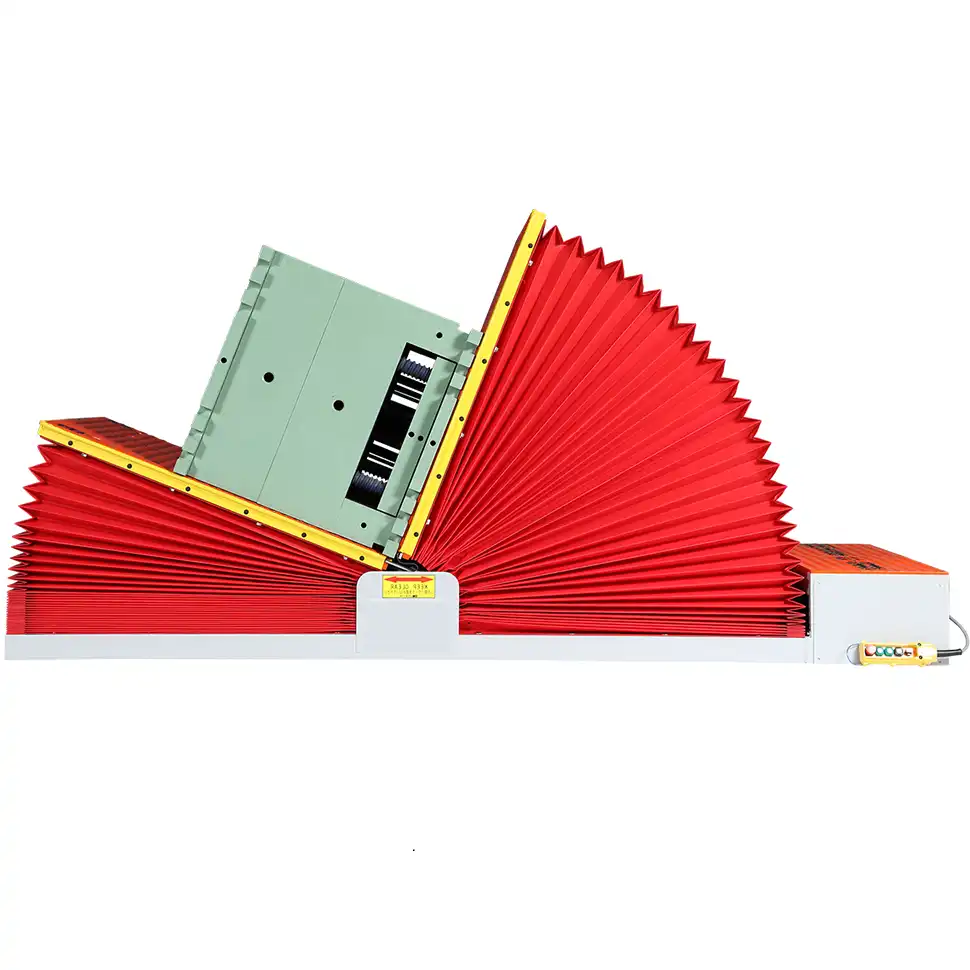
Streamlining Workflow: A Systematic Approach
Consider the different kinds of problems that cause the workflow less effiencent.
Optimizing Equipment Placement and Layout
Proper placement of the mold upender within the workspace is crucial for efficient workflow. Consider these factors:
- Proximity to Other Equipment: Position the upender near other relevant equipment, such as mold cleaning stations or repair benches, to minimize travel time.
- Material Flow: Design the layout to optimize the flow of materials, reducing unnecessary movements and potential bottlenecks.
- Accessibility: Ensure easy access to the machine for both operators and maintenance personnel.
- Ergonomics: Consider the ergonomic needs of the operators, minimizing strain and fatigue.
Establishing Standardized Procedures
Develop clear, standardized procedures for all mold upender operations. This includes:
- Pre-Operation Checklist: A step-by-step checklist to ensure the machine is properly inspected and ready for use.
- Operating Procedures: Detailed instructions for performing various tasks, such as loading, unloading, and rotating molds.
- Troubleshooting Guides: Easy-to-follow guides for resolving common issues.
- Maintenance Schedules: A schedule for routine maintenance tasks.
Implementing Preventative Maintenance
The proverb "an ounce of prevention is worth a pound of cure" can make the workplace safer and more efficient.
What is the downtime?
Preventative maintenance is crucial for ensuring the longevity and reliability of mold upender equipment.
- Regular Inspections: Conduct routine inspections to identify potential problems early on.
- Lubrication: Follow the manufacturer's recommended lubrication schedule.
- Filter Replacement: Replace hydraulic filters regularly to prevent contamination.
- Hose & Connection Checks: Inspect hoses and connections for leaks or damage.
- Calibration: Calibrate load monitoring systems and other sensors to ensure accuracy.
Training for Minor Repairs
Equipping operators with the skills to perform minor repairs can significantly reduce downtime.
- Basic Troubleshooting: Teach operators to identify and resolve common issues, such as loose connections or minor hydraulic leaks.
- Parts Replacement: Train operators on how to safely replace commonly used parts, such as filters, hoses, or switches.
- Record Keeping: Maintain detailed records of all maintenance and repair activities.
By investing in workflow optimization and preventative maintenance, companies can significantly improve the efficiency and reliability of their mold upender operations, leading to increased productivity and reduced costs.
The Human Factor: Fostering Teamwork and Communication
How important is teamwork and communication to ensure the success when dealing with Equipment training, mold upenders, team development, operational readiness, staff training?
Teamwork and communication are essential for the safe and efficient operation of mold upender equipment. Clear communication protocols, well-defined roles, and a collaborative environment can enhance coordination, minimize errors, and promote a culture of safety and shared responsibility.
Defining Roles and Responsibilities
Clear Definition Helps Each person have more responsibility. Here's how to achieve it.
- Operator: Responsible for operating the mold upender safely and efficiently. They must have a deep understanding of the machine's controls, safety features, and operating procedures.
- Spotter: Assists the operator by providing visual guidance during lifting and rotation. They must be trained to recognize potential hazards and communicate effectively with the operator.
- Maintenance Technician: Responsible for performing routine maintenance, troubleshooting, and repairs. They must have in-depth knowledge of the machine's mechanical, hydraulic, and electrical systems.
- Safety Officer: Oversees safety protocols, conducts inspections, and provides training. They are responsible for ensuring that all operations comply with safety regulations.
Clear and Concise Communication Protocols
- Hand Signals: Develop a set of standardized hand signals for communication between the operator and spotter. These signals should be clear, concise, and easily understood.
- Two-Way Radios: Use two-way radios for more complex operations or when visual communication is difficult.
- Pre-Lift Briefings: Conduct pre-lift briefings to discuss the task, identify potential hazards, and review safety procedures.
- Feedback Loops: Encourage open communication and feedback between team members.
Cultivating a Collaborative Environment
- Team Building Activities: Promote team cohesion through regular team-building activities.
- Cross-Training: Cross-train employees in different roles to increase flexibility and understanding of the overall process.
- Shared Goals: Establish shared goals and celebrate team successes to foster a sense of ownership and responsibility.
The human element is just as critical as the technical aspects of operating mold upender equipment. When teamwork is effective, accidents and mistakes can be avoided.
By investing in your team, a safer, more efficient, and more collaborative work environment can be the result.
Conclusion
Equipping your team with the skills and knowledge to operate new mold upender equipment is not just a cost; it’s an investment. By implementing a comprehensive training program and fostering a culture of safety, you can unlock the full potential of your equipment, improve operational efficiency, and enhance employee well-being. Ultimately, investing in Equipment training is an investment in the future success of your organization.