
Struggling with the safety risks and inefficiencies inherent in manually handling tasks around heavy mold upenders? These critical processes often involve repetitive, physically demanding actions in close proximity to powerful machinery, slowing down maintenance cycles and increasing the potential for costly errors or injuries. Collaborative robots (cobots) present a transformative solution, poised to automate these ancillary tasks, enhancing safety, precision, and throughput in your mold handling operations.
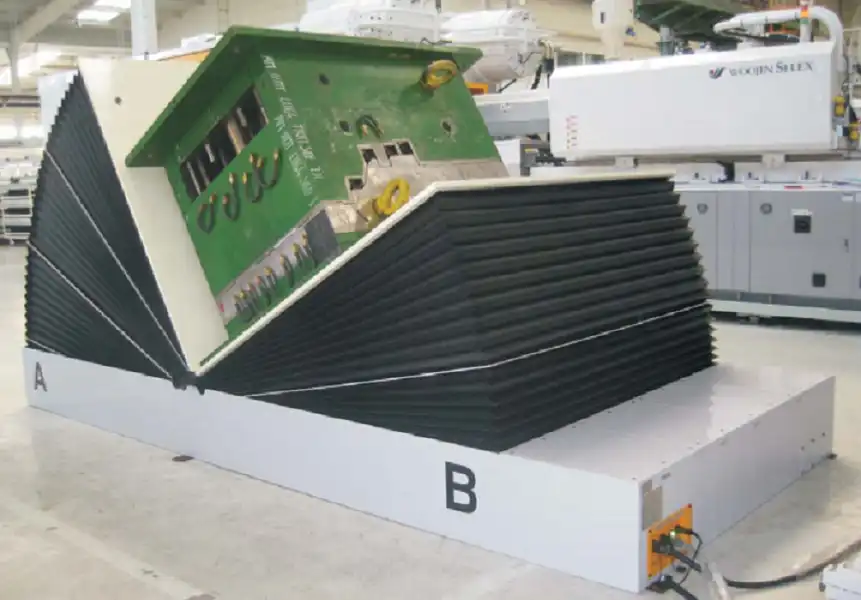
Cobots enhance modern mold upender operations by automating ancillary tasks such as loading/unloading assistance, performing inspections during rotation, handling tools or components, and cleaning. This improves worker safety by reducing manual handling risks near heavy equipment, increases operational efficiency through consistent task execution, boosts precision, and provides flexibility to adapt to different mold types or maintenance procedures, working collaboratively alongside human technicians.
This integration marks a significant shift towards smarter, safer, and more productive mold handling environments. Read on to explore how these intelligent robotic partners are reshaping workflows, the tangible benefits they offer, the challenges to consider during implementation, and the future trajectory of this technology in the demanding world of mold maintenance and preparation.
Understanding Cobots in the Mold Handling Context
Collaborative robots, or cobots, represent a significant evolution from traditional industrial robots. Designed specifically for safe human-robot interaction, they are opening new frontiers in automation, particularly in environments like mold handling where proximity between workers and machinery is often necessary for complex tasks surrounding equipment like mold upenders.
Cobots are advanced robots designed to work safely alongside humans in a shared workspace without traditional safety cages. Their role in mold upender operations stems from built-in safety features (like force/torque sensors and speed limits), ease of programming (often via hand-guiding or intuitive interfaces), and flexibility. They assist technicians by handling repetitive, precise, or ergonomically challenging tasks around the primary upender function, such as positioning components, conducting inspections during mold rotation, applying materials, or handling tools, thereby enhancing safety, consistency, and overall workflow efficiency.
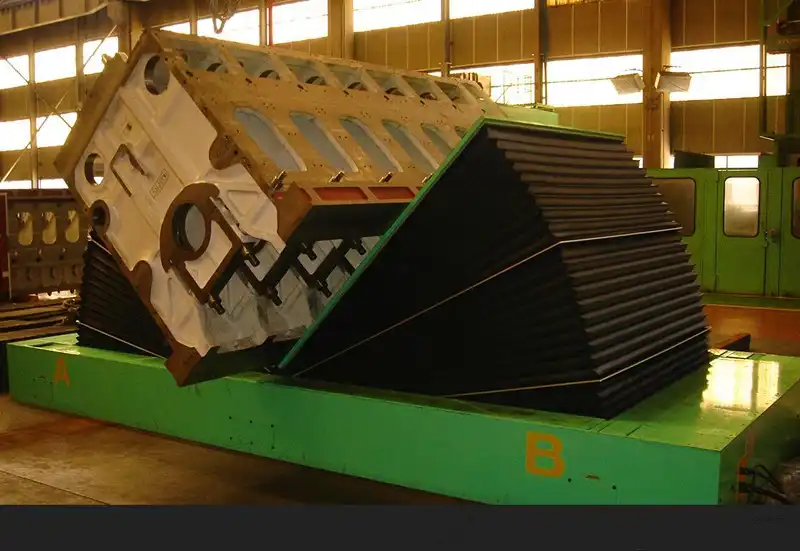
Dive Deeper: Key Cobot Features Enabling Mold Upender Integration
The suitability of cobots for augmenting mold upender operations hinges on several core technological advancements that distinguish them from conventional industrial robots. Understanding these features is crucial for appreciating their potential impact and limitations within this specific application.
Inherent Safety by Design
Unlike traditional robots that typically require physical barriers to protect human workers, cobots are engineered with multiple layers of safety compliant with standards like ISO 10218 and ISO/TS 15066. Key safety features include:
- Force and Torque Sensing: Integrated sensors in the cobot's joints detect unexpected forces. If a cobot collides with an object or a person, it can register the impact and immediately stop or limit its force, preventing injury. This is paramount when working near a large, powerful machine like a mold upender and the heavy mold itself.
- Speed Limitation: Cobots operate at controlled speeds, particularly when humans are detected within the collaborative workspace. Safety configurations can automatically reduce speed or halt motion entirely based on proximity zones defined through external safety sensors (like laser scanners) or integrated vision systems.
- Rounded Edges and Lightweight Construction: Many cobots feature smooth contours and lightweight materials to minimize potential harm in case of incidental contact.
These features allow cobots to perform tasks directly adjacent to the mold upender and potentially alongside human technicians performing maintenance or setup, significantly reducing the required footprint and eliminating the cost and inflexibility of extensive safety fencing.
Ease of Programming and Redeployment
Mold handling often involves variety – different mold sizes, types, and maintenance routines. Traditional robot programming can be time-consuming and require specialized expertise. Cobots, however, offer more intuitive programming methods:
- Hand Guiding (Lead-Through Teach): Operators can often physically move the cobot arm through the desired path and waypoints, which the cobot then records and replicates. This drastically simplifies teaching paths for tasks like applying cleaning solutions or inspecting specific mold contours.
- Graphical User Interfaces (GUIs): Many cobots utilize tablet-based interfaces with drag-and-drop programming blocks, making setup and task modification accessible even to personnel without deep robotics coding knowledge.
This ease of programming facilitates rapid adaptation to different mold types or changing workflow requirements around the upender, supporting high-mix, low-volume scenarios common in tool and die shops or custom molding facilities.
Flexibility and Adaptability
Cobots are generally smaller and lighter than industrial robots of comparable reach, making them easier to mount in various configurations (floor, wall, ceiling) or even on mobile platforms (Autonomous Mobile Robots - AMRs). This allows a single cobot to potentially service multiple upender stations or be easily repositioned as production needs evolve. Their compatibility with various end-effectors (grippers, sensors, tools) allows them to perform a diverse range of tasks around the mold upender.
Payload and Reach Considerations: Defining the Cobot's Role
It is crucial to understand that cobots are not intended to replace the primary function of the mold upender – lifting and rotating heavy molds that can weigh many tons. Cobots typically have significantly lower payload capacities compared to industrial robots and the upenders themselves.
| Feature Comparison | Typical Cobot Range | Typical Mold Upender Capacity | Role Implication |
|---|---|---|---|
| Payload Capacity | 3 kg to 30+ kg | 1 Ton to 100+ Tons | Cobots handle tools, components, not the main mold |
| Primary Function | Assistive Tasks | Heavy Lifting & Rotation | Cobots augment, they don't replace the upender |
| Safety Paradigm | Collaborative | Guarded Operation | Cobots enable closer human interaction for tasks |
| Programming Ease | High (Intuitive) | Lower (PLC/Specialized) | Cobots suitable for frequent task changes |
| Footprint | Small | Large | Cobots integrate easily into existing cells |
Therefore, the role of cobots in mold upender operations is focused on ancillary tasks: handling components to be attached/removed from the mold, operating inspection sensors (cameras, scanners), performing cleaning or spraying tasks, managing tools required by technicians, or assisting in precise alignment before the upender cycle begins. They excel where dexterity, consistency, and safe human collaboration are needed for tasks complementary to the upender's heavy lifting.
Applications: How Cobots Augment Mold Upender Workflows
While the mold upender executes the core task of safely rotating heavy molds, cobots introduce automation capabilities for the surrounding activities. They don't replace the upender's power but enhance the overall process by taking over tasks that are repetitive, require precision, or pose ergonomic challenges for human workers.
Cobots augment mold upender workflows by performing tasks like: assisting in precise mold component loading/unloading onto the upender or mold; carrying out automated visual or sensor-based inspections during or after rotation; applying cleaning agents or release coatings consistently; handling tools for technicians; and ensuring clear zones, thereby streamlining the overall process and improving safety and quality.
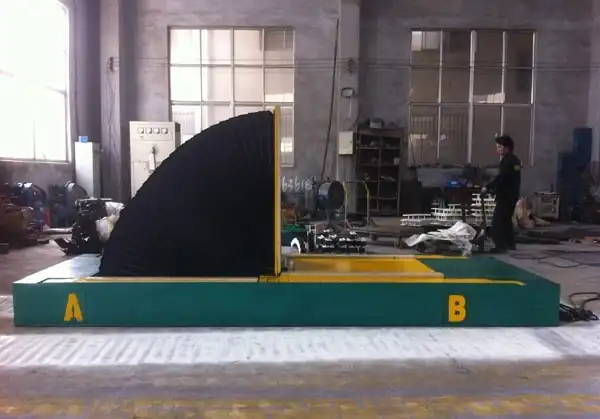
Dive Deeper: Streamlining Tasks Around the Upender Cycle
Integrating cobots into the mold upender workflow introduces automation to various stages, transforming manual or semi-automated processes into more efficient and reliable operations. Here’s a breakdown of potential applications:
1. Pre-Upending Preparation:
Before the mold is rotated, several preparatory steps can be automated or assisted by cobots:
- Component Loading: For modular molds, cobots can accurately place smaller inserts, slides, or auxiliary components onto the main mold base before it's secured in the upender. This ensures consistent placement and reduces manual handling of potentially awkward parts.
- Material Application: Cobots equipped with spray nozzles can apply release agents or cleaning solutions to specific mold areas with high consistency, ensuring even coverage and minimizing material waste compared to manual spraying.
- Initial Inspection & Cleaning: A cobot with a vision system or specialized cleaning tool could perform a preliminary check for debris or damage on accessible mold surfaces or blow off loose particles before the rotation cycle begins.
- Fixture Assistance: Assisting human operators by holding fixtures or tools in place while they secure the mold in the upender.
2. Tasks During Upending:
While the mold is being rotated or held in a specific orientation by the upender, cobots can perform tasks that leverage the newly accessible surfaces:
- Automated Inspection: This is a key application. Cobots equipped with high-resolution cameras, 3D scanners, or other sensors (e.g., ultrasonic probes) can systematically inspect mold cavities, parting lines, vents, or cooling channels as they become visible during rotation. This provides more thorough and repeatable inspection than manual methods, potentially identifying wear, damage, or residue buildup early. Data can be logged automatically for predictive maintenance.
- Targeted Cleaning: Cobots can precisely direct compressed air, dry ice blasting, or specialized cleaning tools to hard-to-reach areas revealed during the tilt/rotation, removing residue or contaminants more effectively and safely than manual reaching.
3. Post-Upending Tasks:
Once the mold has been repositioned by the upender, cobots can assist in the subsequent steps:
- Component Unloading: Removing inserts, finished parts (if applicable in certain molding contexts), or fixtures from the mold after rotation or maintenance.
- Final Quality Checks: Performing final inspections on the newly oriented mold surfaces before it's moved to the next stage (e.g., storage, press).
- Protective Coating Application: Applying rust inhibitors or other protective coatings evenly across mold surfaces.
- Tool Management: Retrieving tools used during maintenance and returning them to storage, improving workplace organization (5S principles).
4. Machine Tending Analogy & Workflow Orchestration:
Think of the mold upender as the primary "machine" and the cobot as the "machine tender" for associated tasks. The cobot handles the "part loading" (components, tools), "in-process operations" (inspection, cleaning), and "part unloading" aspects surrounding the upender's core cycle. Effective integration requires careful workflow orchestration, often involving communication between the cobot controller and the upender's PLC (Programmable Logic Controller) to ensure tasks are performed at the correct time and safety interlocks are maintained. For instance, the upender might signal the cobot once the mold reaches a specific angle, triggering an inspection routine.
By automating these ancillary tasks, cobots free up skilled technicians to focus on more complex aspects of mold maintenance, troubleshooting, and repair, significantly improving the overall efficiency and safety of the mold handling process.
Benefits of Integrating Cobots with Mold Upenders
Facing ergonomic hazards and operational bottlenecks in your mold handling area? Manual tasks around heavy mold upenders often lead to inconsistencies, potential injuries, and significant downtime, impacting your bottom line. Integrating collaborative robots offers a compelling solution, automating dangerous and repetitive jobs, enhancing precision, and ultimately boosting the safety and efficiency of your entire mold maintenance workflow.
Key benefits of integrating cobots with mold upenders include significantly enhanced worker safety by automating risky manual tasks near heavy loads, increased productivity through consistent and tireless operation on ancillary tasks, improved mold quality and longevity via precise cleaning and inspection, greater operational flexibility to handle diverse molds, and potential long-term cost reductions despite initial investment.
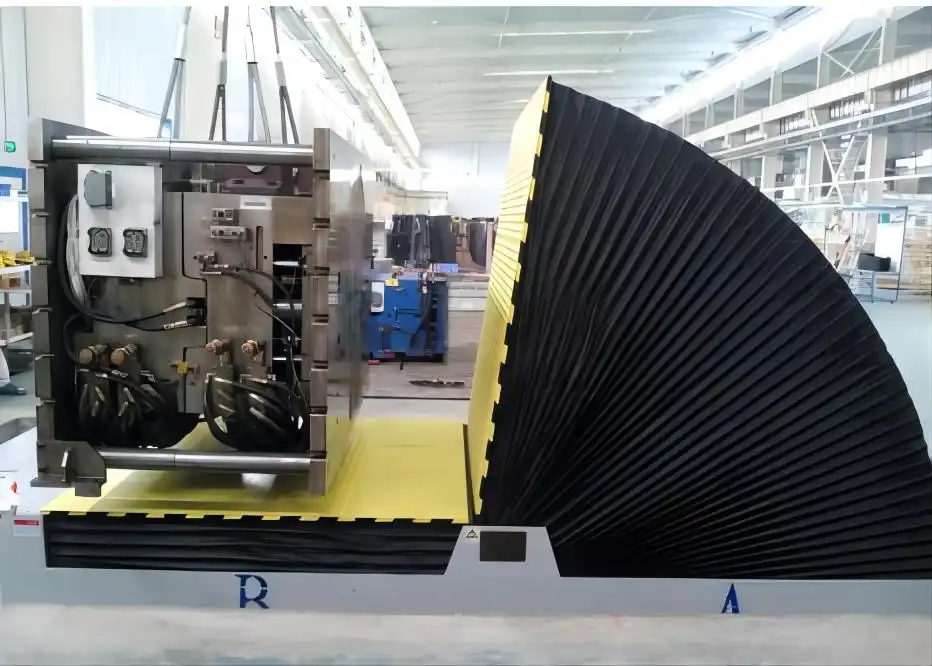
Dive Deeper: Quantifying the Advantages in Mold Handling
The introduction of cobots into the mold upender environment yields tangible benefits across several key operational metrics. While the specific ROI will vary based on the application, the following advantages are commonly observed:
1. Enhanced Worker Safety and Ergonomics
This is often the primary driver for cobot adoption in this context. Mold upenders handle extremely heavy loads, and manual tasks performed nearby carry inherent risks:
- Reduced Exposure to Pinch Points: Automating tasks like component placement or tool handling minimizes the need for workers to reach near the upender mechanism or the mold itself during operation or transition phases.
- Minimized Repetitive Strain Injuries (RSIs): Tasks like manual cleaning, scrubbing, or precise component insertion, when performed repeatedly, can lead to RSIs. Cobots perform these tasks tirelessly and consistently without ergonomic risk.
- Handling of Hazardous Materials: If cleaning involves harsh chemicals, cobots can perform the application, reducing worker exposure.
Compliance with safety standards (OSHA, ISO) is crucial. Cobots, with their inherent safety features, facilitate building safer workcells compared to traditional automation requiring extensive guarding.
2. Increased Productivity and Throughput
While the upender's rotation speed might be fixed, the overall cycle time for mold preparation and maintenance can be significantly reduced:
- Concurrent Operations: Cobots can perform inspection or cleaning tasks while the upender is holding the mold in a specific position, tasks that might otherwise require additional time before or after rotation.
- Consistent Task Execution: Cobots perform tasks at a steady, optimized pace without fatigue or breaks, leading to more predictable cycle times.
- Reduced Changeover Time: Easy reprogramming allows cobots to quickly switch between tasks for different mold types, minimizing downtime compared to retooling fixed automation or retraining operators for slightly different manual procedures.
- Operator Redeployment: By automating routine tasks, skilled technicians are freed up to perform higher-value activities like complex repairs, diagnostics, or managing multiple workstations. The Raymath case study, while focused on welding/machine tending, illustrates the potential for significant productivity gains (e.g., 4X in welding, 600% in tending) achievable through cobot automation, principles applicable here.
3. Improved Quality and Consistency
Manual execution of tasks like inspection or material application can vary between operators and across shifts. Cobots ensure uniformity:
- Repeatable Precision: Cobots position tools, sensors, or applicators with high accuracy every time, crucial for tasks like precise cleaning of vents or consistent application of release agents.
- Objective Inspection: Automated vision systems provide objective, data-driven inspection results, eliminating subjective human judgment and fatigue-related errors. This can lead to earlier detection of mold wear or damage, preventing substandard parts downstream.
- Process Data Logging: Cobots can log data about task execution (e.g., inspection results, material usage), contributing to process monitoring, quality control records, and predictive maintenance strategies.
4. Greater Flexibility and Scalability
The mold handling environment often demands adaptability:
- High-Mix Production: Cobots excel where numerous different mold types are processed. Their ease of reprogramming makes them ideal for handling variations without major hardware changes.
- Scalable Automation: Manufacturers can start with one cobot for a critical task and add more as needed to automate further steps or increase capacity, offering a phased approach to automation investment.
- Mobility Potential: Mounting cobots on AMRs could allow a single unit to service multiple upender stations dynamically based on workload.
5. Long-Term Cost Savings
While requiring initial investment, cobots can lead to significant long-term savings:
- Reduced Labor Costs for Specific Tasks: Automating manual ancillary tasks reduces the direct labor hours required per mold cycle.
- Minimized Errors and Rework: Improved consistency reduces the costs associated with mold damage, subpar parts, and rework.
- Lower Injury-Related Costs: Enhanced safety leads to fewer workplace accidents and associated costs (medical, insurance, lost time).
- Optimized Material Usage: Precise application of cleaning agents or coatings reduces waste.
Comparative Overview: Manual vs. Cobot-Assisted Upender Tasks
| Task Aspect | Manual Operation | Cobot-Assisted Operation | Benefit Highlight |
|---|---|---|---|
| Safety | Ergonomic risks, proximity to heavy loads | Reduced exposure, automated handling | Improved Worker Safety |
| Consistency | Operator-dependent, fatigue affects quality | High repeatability, objective inspection | Enhanced Quality |
| Speed (Ancillary Task) | Variable, requires breaks | Consistent, tireless | Increased Productivity |
| Flexibility | Requires training for new tasks/molds | Easy reprogramming for different tasks/molds | Greater Adaptability |
| Data Logging | Manual recording, prone to errors | Automated data capture | Better Process Control |
Integrating cobots strategically around mold upenders transforms the operation from a potentially hazardous bottleneck into a safer, more efficient, and data-rich process node.
Challenges and Future Trends in Cobot-Assisted Mold Handling
While the benefits are compelling, integrating cobots into mold upender operations requires navigating certain challenges and staying abreast of technological advancements. Careful planning and consideration of these factors are essential for successful implementation and future-proofing the investment.
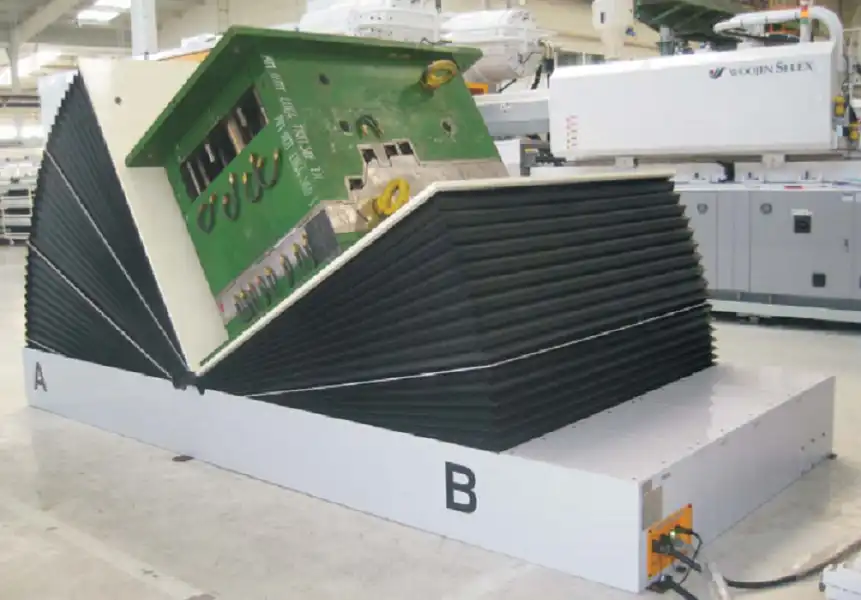
Key challenges include the inherent payload limitations of cobots (restricting them to ancillary tasks, not lifting the main mold), the need for workforce upskilling for programming and maintenance, ensuring seamless and safe integration with existing upender controls, and managing the initial investment cost. Future trends point towards smarter cobots leveraging AI for adaptability, enhanced sensor integration for more complex tasks, greater mobility through AMRs, and improved human-robot interaction interfaces. Successfully navigating these requires strategic planning, focusing on tasks where cobots add maximum value, like intricate inspections or repetitive material applications around the core upender function. Investing in training and ensuring robust safety protocols compliant with standards like ISO 10218 are critical. Future advancements like AI-driven path optimization, better vision systems, and easier integration protocols will further expand cobot capabilities in this domain, making them increasingly valuable partners in mold handling. Advanced sensors and machine learning will enable cobots to adapt to minor variations in mold positioning or detect subtle defects during inspection cycles, while mobile platforms will allow flexible deployment across the workshop.
Dive Deeper: Navigating Implementation Hurdles and Looking Ahead
Addressing Current Challenges:
- Payload and Reach Limitations: As previously emphasized, cobots cannot handle the primary mold lifting. Solutions must focus on tasks within their capacity (typically under 30kg, though higher payload cobots are emerging). Careful task selection is paramount. Reach limitations might necessitate specific mounting solutions or mobile platforms to cover larger molds or multiple positions around the upender.
- Integration Complexity: Connecting the cobot controller with the mold upender's PLC and overall safety system requires expertise. Ensuring reliable handshaking signals (e.g., "upender in safe position," "cobot task complete") and integrated emergency stop circuits is crucial for safe and efficient operation. Standards like OPC UA can facilitate interoperability.
- Workforce Upskilling: Technicians need training not just on operating the cobot but also on basic troubleshooting, programming adjustments for new tasks, and understanding the integrated safety system. This represents an investment in workforce development.
- Cost Justification (ROI): The initial cost of the cobot, end-effector, integration, and training needs careful evaluation against projected savings from increased productivity, improved quality, and enhanced safety. Cobot-as-a-Service (CaaS) models, mentioned in the source material, might offer lower entry barriers for some companies.
- Risk Assessment: A thorough risk assessment specifically for the collaborative application is mandatory (as per ISO 10218-2). This identifies potential hazards in the shared workspace and ensures appropriate safety measures are implemented (speed limits, safety zones, procedural safeguards).
Future Trends Shaping Cobot Integration:
The capabilities of cobots are rapidly evolving, promising even greater utility in mold handling:
- Artificial Intelligence (AI) and Machine Learning (ML):
- Adaptive Path Planning: Cobots could learn to adjust their paths slightly based on sensor feedback to accommodate minor variations in mold placement within the upender.
- Enhanced Inspection: AI-powered vision systems will become better at identifying subtle defects or wear patterns during automated inspection routines, potentially predicting failures before they occur.
- Predictive Maintenance: Analyzing operational data, cobots could contribute to predicting maintenance needs for both themselves and potentially the mold or upender.
- Advanced Sensors and Vision:
- Higher Resolution Vision: Improved 2D and 3D vision systems will enable more detailed inspections and guidance for delicate tasks.
- Force/Torque Sensing Refinements: More sensitive force control allows cobots to perform tasks requiring a delicate touch, like gently cleaning sensitive mold surfaces or performing fine assembly tasks on mold components.
- Multi-Sensor Fusion: Combining data from cameras, force sensors, and potentially other sensors (thermal, ultrasonic) will provide a richer understanding of the environment and the task.
- Increased Mobility and Flexibility:
- Cobots on AMRs: As highlighted by Rethink Robotics' re-entry, mounting cobots on Autonomous Mobile Robots creates highly flexible automation solutions. A mobile cobot could service multiple upenders, move to cleaning stations, or perform other tasks around the facility, maximizing asset utilization.
- Improved Human-Robot Interaction (HRI):
- Intuitive Interfaces: Augmented Reality (AR) overlays could guide technicians interacting with the cobot or provide real-time data during maintenance. Voice commands or gesture recognition might supplement programming interfaces.
- Seamless Collaboration: Research focuses on making cobot movements more predictable and "human-like" to improve comfort and trust for nearby workers.
- Connectivity and Data Integration:
- 5G and Edge Computing: Faster communication enables real-time data processing for complex tasks and better synchronization between multiple devices (cobots, upenders, AGVs, MES systems).
- Cloud Platforms: Facilitate remote monitoring, diagnostics, software updates, and fleet management, particularly valuable for companies with multiple sites or extensive cobot deployments.
These trends suggest a future where cobots become even more integrated, intelligent, and adaptable partners in the mold upender workflow, further boosting efficiency, safety, and data-driven decision-making in mold handling and maintenance.
Conclusion
The integration of cobots into modern mold upender operations represents a significant leap forward in addressing long-standing challenges related to safety, efficiency, and consistency. While not replacing the core function of the upender itself, cobots serve as invaluable assistants, automating the critical ancillary tasks that surround mold rotation and tilting. By taking over repetitive, ergonomically challenging, or precision-demanding jobs like component handling, inspection, cleaning, and material application, they demonstrably enhance worker safety and allow skilled technicians to focus on higher-value activities. The adoption of Collaborative robots requires careful planning, addressing integration complexities and payload limitations, but the potential returns in productivity, quality, and flexibility are substantial. As technology continues to advance, particularly in AI, sensing, and mobility, the role and capabilities of cobots in mold handling are set to expand, further solidifying their position as key enablers of smarter, safer, and more competitive manufacturing environments.