
Are you ready to witness the revolution in mold handling? Imagine a world where heavy molds are effortlessly flipped and positioned with unparalleled precision. The integration of automation and AI in mold upenders is no longer a futuristic fantasy, it's the present reality!
What is the impact of automation and AI on mold upenders? Automation and AI are revolutionizing mold upenders by enhancing precision, safety, and efficiency. These advanced technologies automate the heavy lifting, improve positioning accuracy, and optimize workflow, leading to reduced operational costs and increased productivity in mold handling processes.
Buckle up as we delve into the transformative impact of automation and AI on mold upenders, exploring the groundbreaking technologies and real-world applications that are reshaping the manufacturing landscape. Keep reading to discover how your operations can benefit!
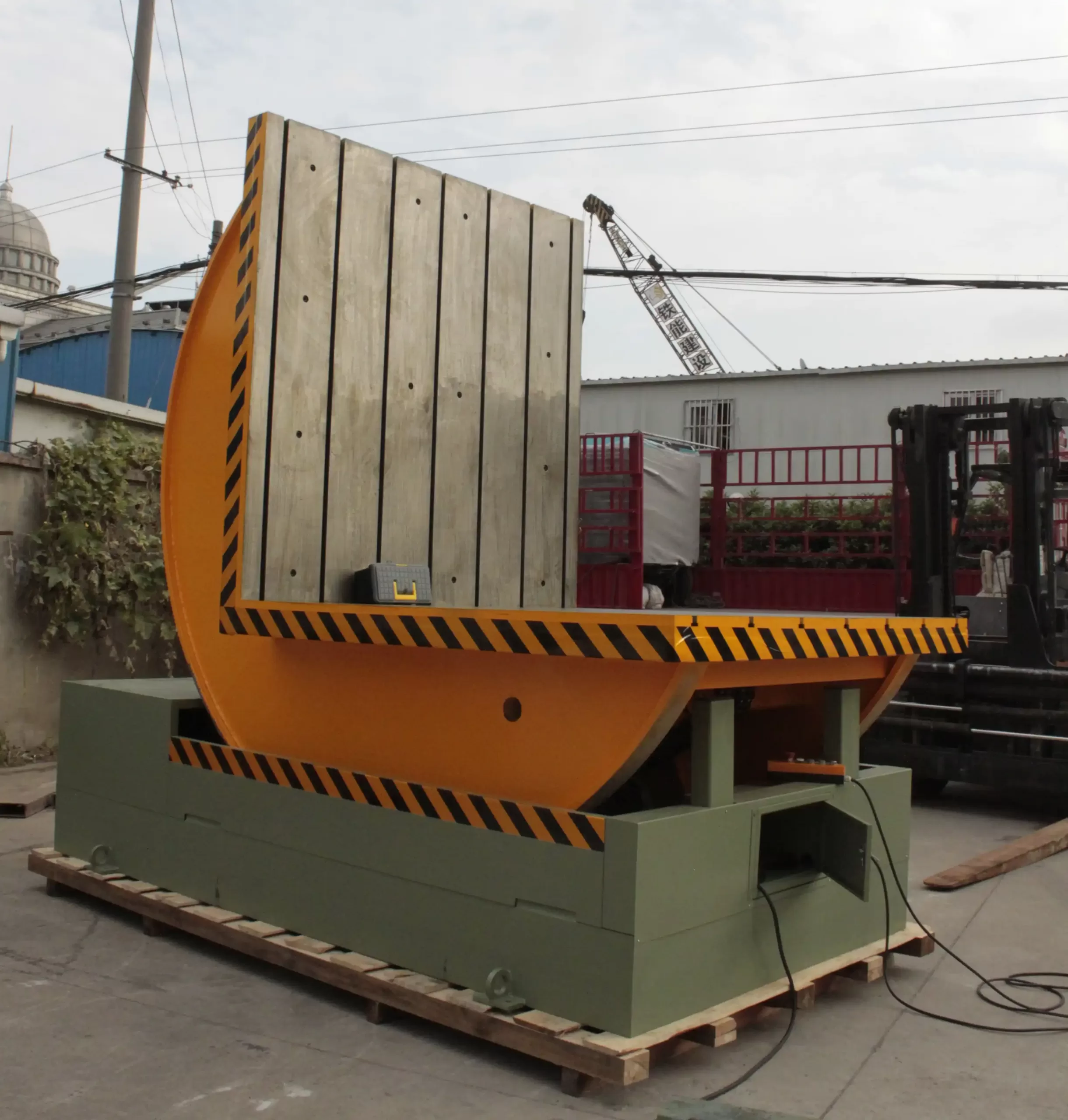
AI-Powered Precision in Mold Handling
AI is no longer just a buzzword; it's the driving force behind precision engineering, especially in mold handling. The integration of AI elevates accuracy and efficiency to unprecedented levels.
How does AI enhance precision in mold upenders? AI enhances precision by optimizing movement, predicting potential issues, and ensuring accurate positioning. AI algorithms analyze data from sensors, encoders, and other feedback devices to make real-time adjustments, improving the overall efficiency and accuracy of mold handling processes. This leads to reduced errors and increased productivity.
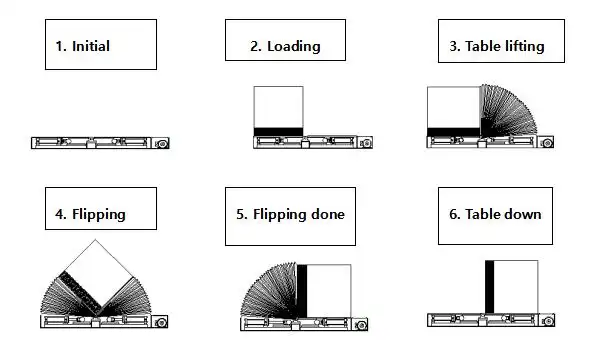
Dive Deeper: The Nuances of AI Integration
AI integration in mold upenders is not a simple plug-and-play process. It requires a deep understanding of the specific needs and challenges of mold handling operations. Let's break down the key considerations:
Understanding the Challenge
Mold handling involves dealing with heavy, unwieldy objects that require precise positioning. Traditional methods rely heavily on manual labor, which is not only physically demanding but also prone to errors. AI offers a solution by automating these tasks and improving accuracy.
The AI Advantage
AI algorithms can analyze data from various sources, such as sensors and encoders, to optimize the movement of the mold upender. This ensures that the mold is positioned correctly every time, reducing the risk of damage and improving overall efficiency.
Critical Thinking: Overcoming Integration Hurdles
Integrating AI into mold upenders is not without its challenges. Here's a structured breakdown of potential issues and solutions:
| Challenge | Description | Potential Solution |
|---|---|---|
| Data Availability | AI algorithms require large amounts of data to train effectively. | Implement robust data collection systems and consider using transfer learning techniques. |
| Algorithm Complexity | Developing and implementing AI algorithms can be complex and require specialized expertise. | Partner with AI experts or use pre-trained models and frameworks. |
| System Integration | Integrating AI into existing mold handling systems can be challenging. | Ensure compatibility with existing systems and use standardized communication protocols. |
| Real-Time Processing | AI algorithms must be able to process data in real-time to make accurate adjustments. | Use edge computing to process data locally and reduce latency. |
| Safety and Reliability | AI-driven systems must be safe and reliable to prevent accidents and ensure consistent performance. | Implement redundant systems and conduct thorough testing and validation. |
The Human Factor
While AI can automate many tasks, it's important to remember that humans are still an integral part of the process. AI should augment human capabilities, not replace them entirely. Training programs should be implemented to ensure that workers are able to effectively use and maintain AI-driven systems.
The Bigger Picture
AI integration in mold upenders is part of a larger trend towards smart manufacturing. By embracing AI, manufacturers can improve efficiency, reduce costs, and gain a competitive advantage. However, it's important to approach AI integration strategically, with a clear understanding of the challenges and opportunities.
Enhancing Safety with Automated Mold Handling
Safety is paramount in any manufacturing environment, especially when dealing with heavy molds. Automated mold handling systems significantly reduce the risk of accidents and injuries.
How do automated mold upenders enhance safety? Automated systems minimize the need for manual handling, reducing the risk of human error and accidents. These systems are equipped with safety features such as emergency stops, sensors, and protective barriers, ensuring a safe working environment.
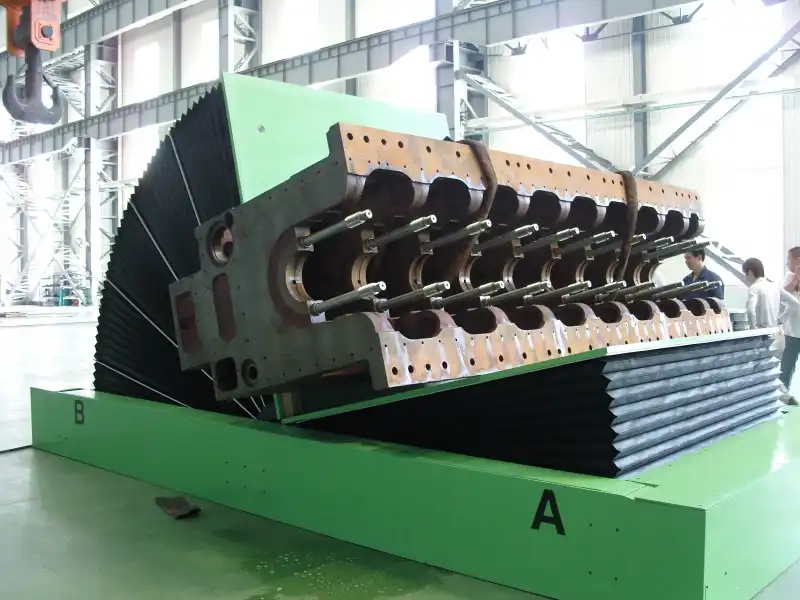
A Safer Workspace Through Automation
Automated mold upenders aren't just about efficiency; they're about creating a safer, more ergonomic workspace. By taking the physical strain out of mold handling, these systems protect workers from potential injuries and create a more sustainable work environment. They are designed to improve safety, efficiency, and precision in mold handling operations.
Future Trends in Mold Upender Technology
The future of mold upender technology is bright, with continuous advancements in automation, AI, and robotics. These trends are set to revolutionize mold handling, making it more efficient, safe, and sustainable.
What are the future trends in mold upender technology? The future holds advancements like fully autonomous systems, predictive maintenance, and integration with digital twins. These trends will further optimize mold handling processes, reduce downtime, and improve overall efficiency.
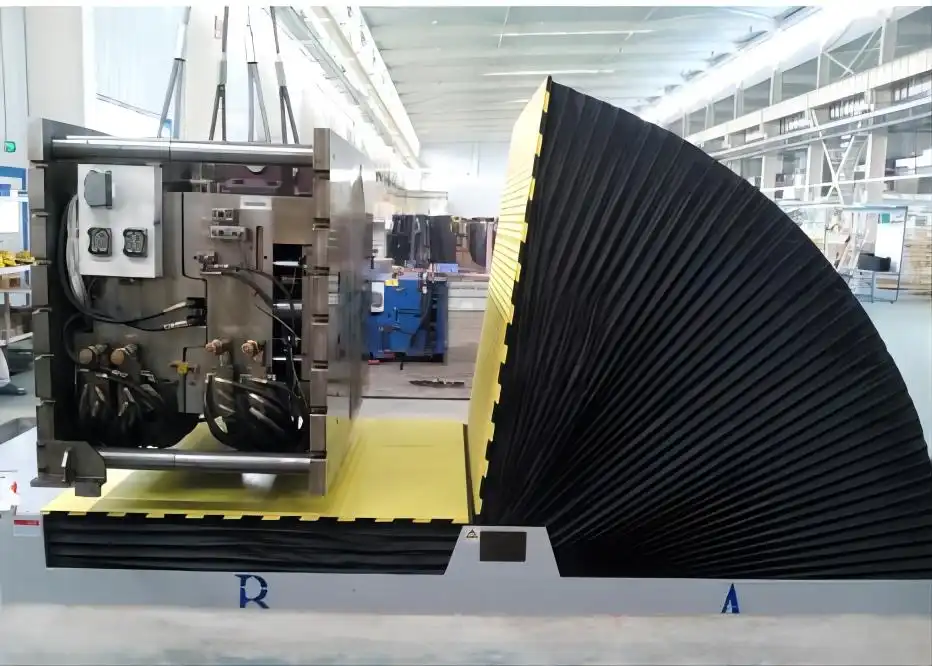
Peeking into Tomorrow: A Technological Deep Dive
As technology advances, mold upenders will evolve to meet the increasing demands of modern manufacturing. Here are some of the key trends to watch:
Autonomous Systems
The ultimate goal is to create fully autonomous mold handling systems that can operate without human intervention. This will require advanced AI algorithms, sophisticated sensors, and robust safety mechanisms.
Predictive Maintenance
Predictive maintenance uses AI to analyze data from sensors to predict when maintenance is needed. This can significantly reduce downtime and improve the lifespan of mold upenders.
Digital Twins
Digital twins are virtual replicas of physical systems that can be used to simulate and optimize performance. By creating a digital twin of a mold upender, manufacturers can test new configurations, identify potential issues, and improve overall efficiency.
Integration with Smart Factories
Mold upenders will be increasingly integrated with other systems in the smart factory, such as ERP and MES systems. This will allow for seamless data exchange and improved coordination.
Technological Comparison Table
Here is a comparison of current technologies versus future technologies in mold upenders:
| Feature | Current Technology | Future Technology | Benefit |
|---|---|---|---|
| Automation Level | Semi-Automated | Fully Autonomous | Reduced labor costs, increased efficiency |
| Maintenance | Reactive | Predictive | Reduced downtime, extended equipment lifespan |
| Data Integration | Limited | Seamless | Improved coordination, better decision-making |
| Safety | Basic Safety Features | Advanced Safety Mechanisms | Reduced risk of accidents, improved worker safety |
| System Complexity | Relatively Simple | Highly Complex | Increased functionality, greater flexibility |
Challenges and Considerations
While the future of mold upender technology is exciting, it's important to be aware of the challenges and considerations:
- Cost: Advanced technologies can be expensive to implement.
- Complexity: Integrating these technologies can be complex and require specialized expertise.
- Training: Workers will need to be trained to use and maintain these systems effectively.
Embrace the Future
By embracing these trends, manufacturers can unlock new levels of efficiency, safety, and sustainability in their mold handling operations. It's time to start planning for the future of mold upender technology.
Real-World Applications of Advanced Technology
Advanced technology is not just theoretical; it's being applied in real-world manufacturing environments to improve mold handling processes.
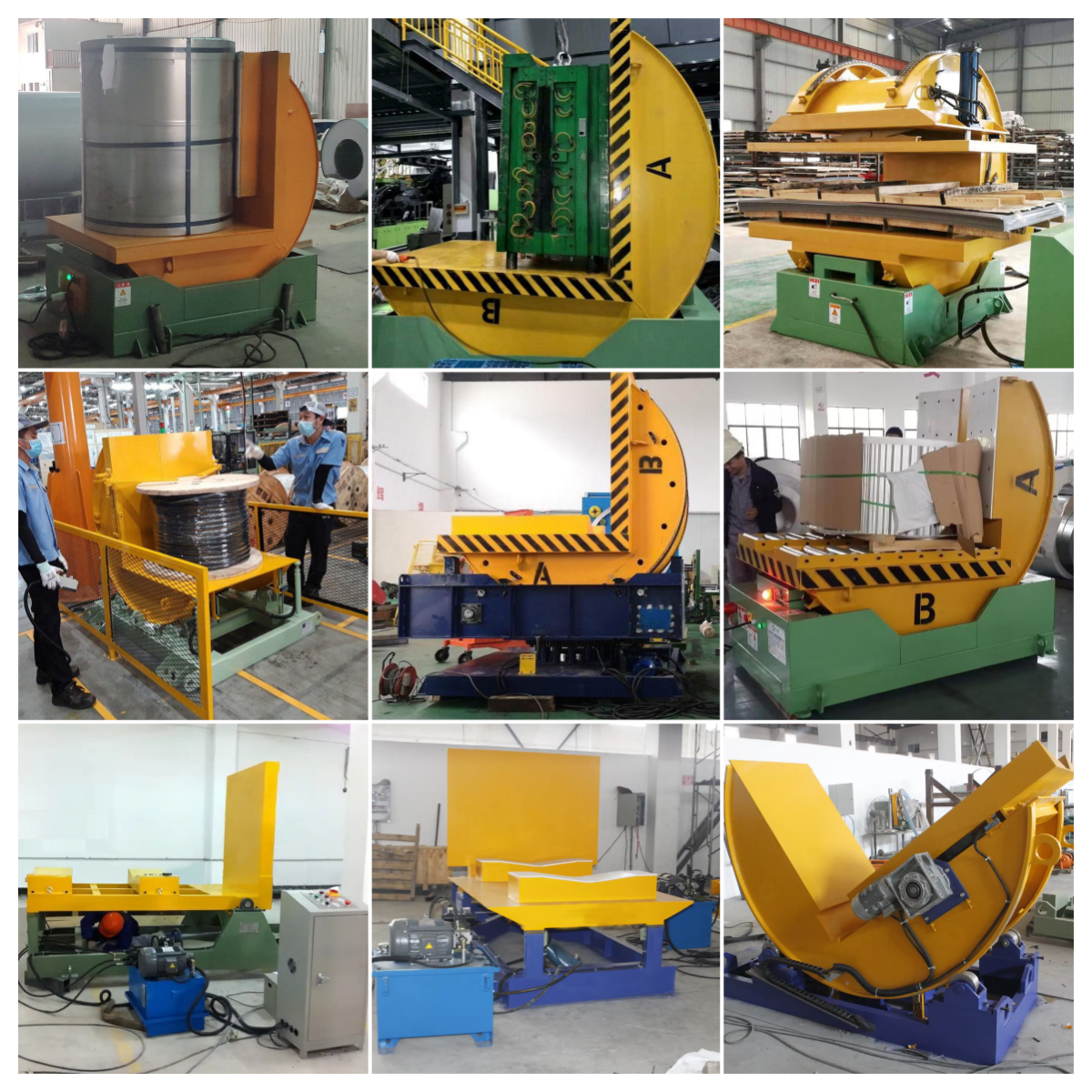
How are companies currently using advanced technology in mold handling? Companies are using advanced technology to automate mold flipping, improve positioning accuracy, and integrate mold upenders with other systems. This leads to increased efficiency, reduced downtime, and improved safety in mold handling operations. Integration with digital twins allows simulation and optimization.
Real-world applications are diverse, with companies in industries such as automotive, aerospace, and consumer goods using advanced technology to improve their mold handling processes. These applications demonstrate the tangible benefits of automation and AI in mold upenders. These applications are revolutionizing mold handling, making it more efficient, safe, and sustainable.
Conclusion
The integration of automation and AI in mold upenders marks a significant leap forward in manufacturing technology. These advancements enhance precision, improve safety, and pave the way for more efficient and sustainable mold handling operations. Embracing these innovations is crucial for manufacturers looking to stay competitive and optimize their processes in the future.