
Are you concerned about the environmental impact of manufacturing? Discover how energy-efficient mold upenders are revolutionizing green manufacturing, offering a sustainable pathway to reduce energy consumption and promote eco-friendly practices.
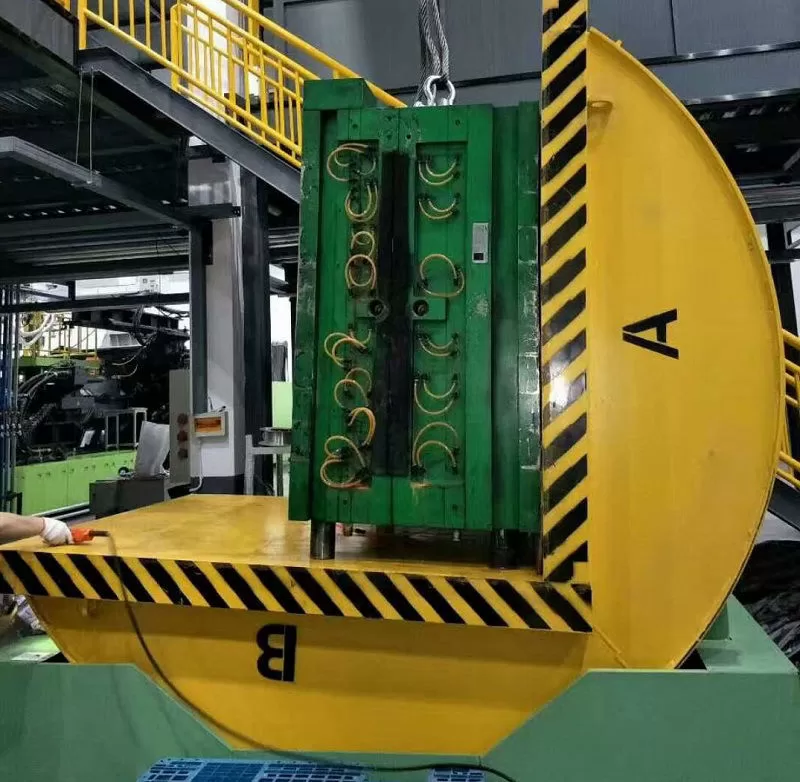
Energy-efficient mold upenders are crucial for a greener future by reducing energy consumption and promoting sustainable practices in manufacturing. These machines optimize mold handling, minimize energy waste, and support eco-friendly design, contributing to significant environmental benefits and cost savings.
As industries worldwide shift towards sustainability, the integration of eco-friendly practices into manufacturing processes has become essential. Let's explore the transformative role of energy-efficient mold upenders in achieving a greener future.
The Role of Mold Upenders in Green Manufacturing
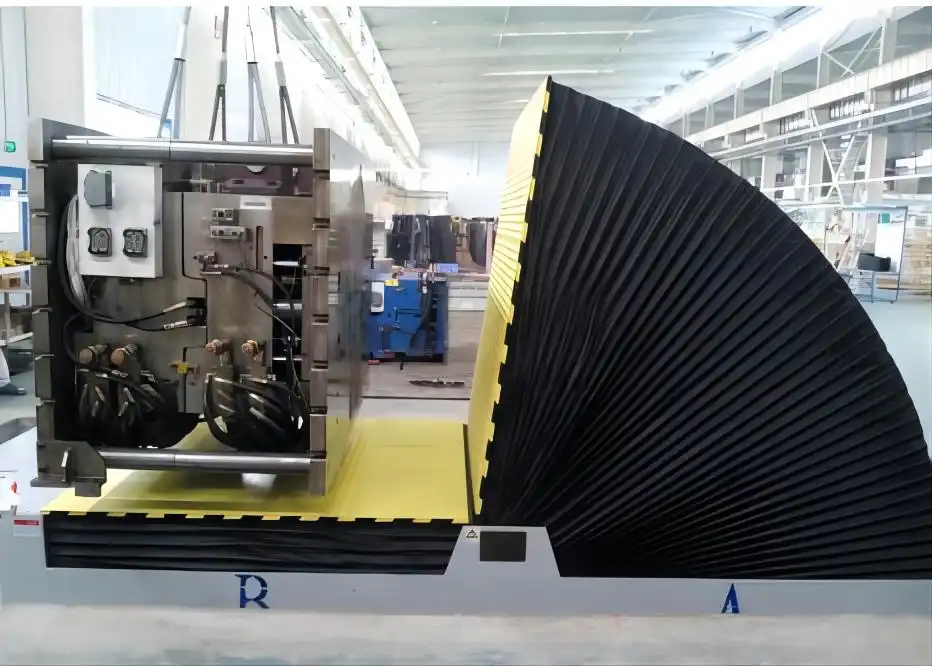
Mold upenders play a crucial role in green manufacturing by enhancing the efficiency and sustainability of mold handling processes. These machines are designed to rotate and position heavy molds, making them easier to access and maintain.
Mold upenders enhance green manufacturing by improving energy efficiency and promoting safer, more sustainable mold handling. These machines reduce energy consumption, minimize environmental impact, and support eco-friendly design by optimizing workflows and reducing physical strain on workers.
Dive Deeper: Energy Efficiency and Environmental Impact
Energy-efficient mold upenders represent a significant advancement in green manufacturing. By optimizing mold handling processes, these machines contribute to reduced energy consumption, waste minimization, and improved workplace safety. Let's explore these benefits in detail.
Enhanced Energy Efficiency
Traditional mold handling methods often involve manual labor or the use of heavy machinery that consumes significant amounts of energy. Energy-efficient mold upenders, on the other hand, are designed to minimize energy use through advanced engineering and smart control systems. For example, hydraulic systems are optimized to reduce power consumption, and automated controls ensure precise and efficient movements.
Waste Reduction
Efficient mold handling reduces the risk of damage to molds, minimizing the need for repairs or replacements. This reduces waste and lowers the environmental impact associated with manufacturing new molds. Energy-efficient mold upenders also contribute to waste reduction by streamlining the mold maintenance process, making it easier to perform regular inspections and repairs.
Improved Workplace Safety
Manual mold handling can pose significant safety risks to workers, including strains, sprains, and other injuries. Energy-efficient mold upenders automate the mold handling process, reducing the need for manual labor and minimizing the risk of accidents. This creates a safer and more ergonomic work environment for employees.
Comparative Analysis: Traditional vs. Energy-Efficient Mold Handling
To illustrate the benefits of energy-efficient mold upenders, let's compare the environmental and economic impacts of traditional mold handling methods with those of energy-efficient mold handling:
| Feature | Traditional Mold Handling | Energy-Efficient Mold Handling |
|---|---|---|
| Energy Consumption | High | Low |
| Risk of Mold Damage | High | Low |
| Worker Safety | Low | High |
| Maintenance Efficiency | Low | High |
| Environmental Impact | High | Low |
| Long-Term Cost | High | Low |
As the table demonstrates, energy-efficient mold handling offers significant advantages in terms of energy consumption, worker safety, and environmental impact. While the initial investment in energy-efficient mold upenders may be higher, the long-term cost savings and environmental benefits make them a worthwhile investment for manufacturers looking to embrace green manufacturing practices.
Eco-Friendly Design Considerations for Mold Upenders
Eco-friendly design is a critical aspect of sustainable manufacturing. When it comes to mold upenders, incorporating eco-friendly design principles can significantly enhance their environmental performance.
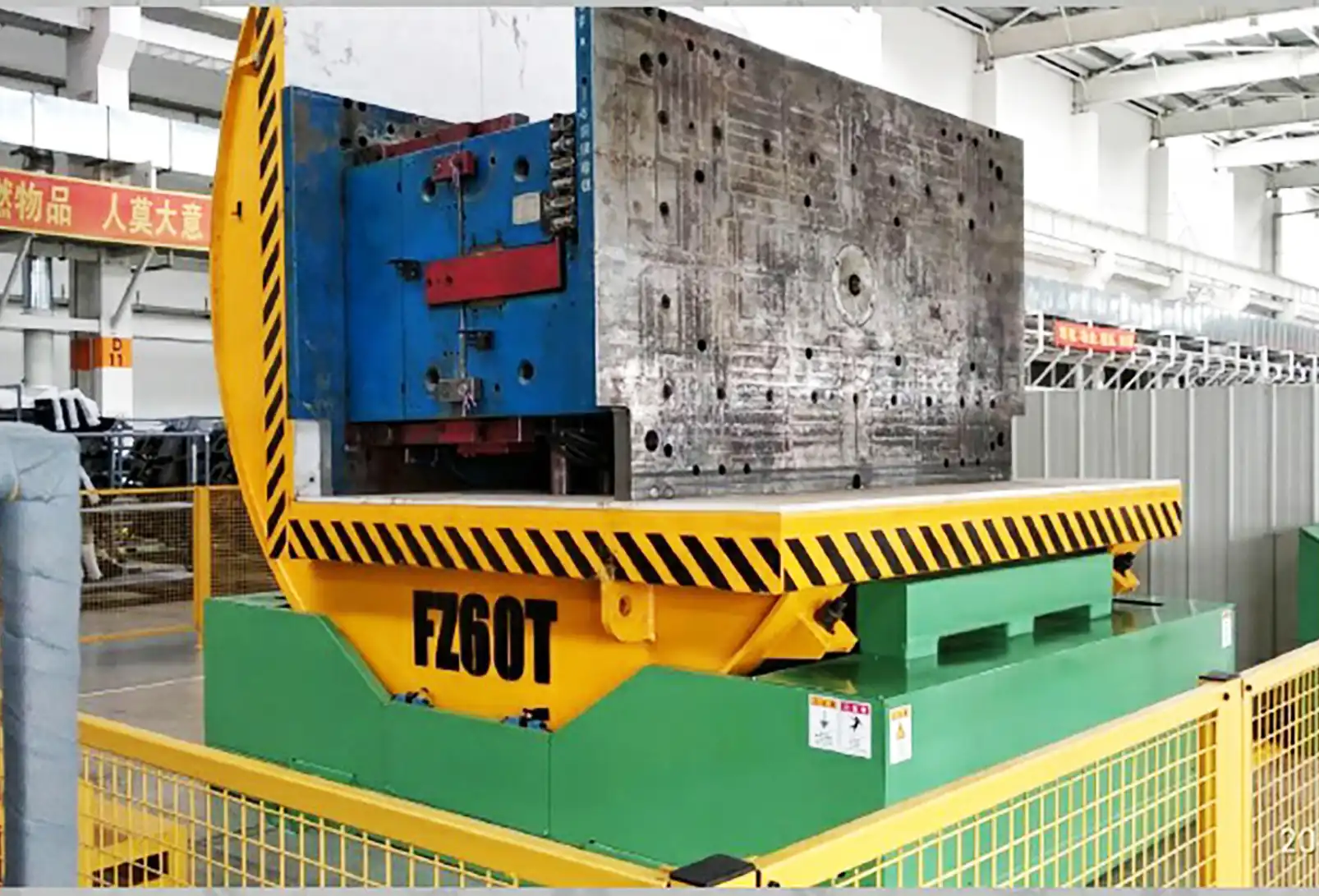
Eco-friendly design for mold upenders involves using sustainable materials, optimizing energy consumption, and ensuring recyclability. These design considerations minimize environmental impact and promote a circular economy, making mold upenders a sustainable choice for green manufacturing.
Integrating Sustainable Materials and Technologies
One of the primary ways to enhance the eco-friendliness of mold upenders is by integrating sustainable materials and technologies. This includes selecting materials with low environmental impact and incorporating design features that minimize energy consumption.
Sustainable Material Selection: Choosing materials with low embodied energy, such as recycled steel or aluminum, can significantly reduce the environmental footprint of mold upenders. These materials require less energy to produce and have a lower carbon footprint compared to virgin materials.
Energy-Efficient Components: Using energy-efficient motors, hydraulic systems, and control systems can reduce the energy consumption of mold upenders during operation. For example, variable frequency drives (VFDs) can optimize motor speed and torque, minimizing energy waste.
Recyclability: Designing mold upenders for recyclability ensures that they can be easily disassembled and their components reused or recycled at the end of their lifespan. This reduces waste and promotes a circular economy.
Optimizing Energy Consumption in Mold Upender Operations
Optimizing energy consumption in mold upender operations is essential for reducing environmental impact and lowering operating costs. Several strategies can be implemented to minimize energy use and improve overall efficiency.
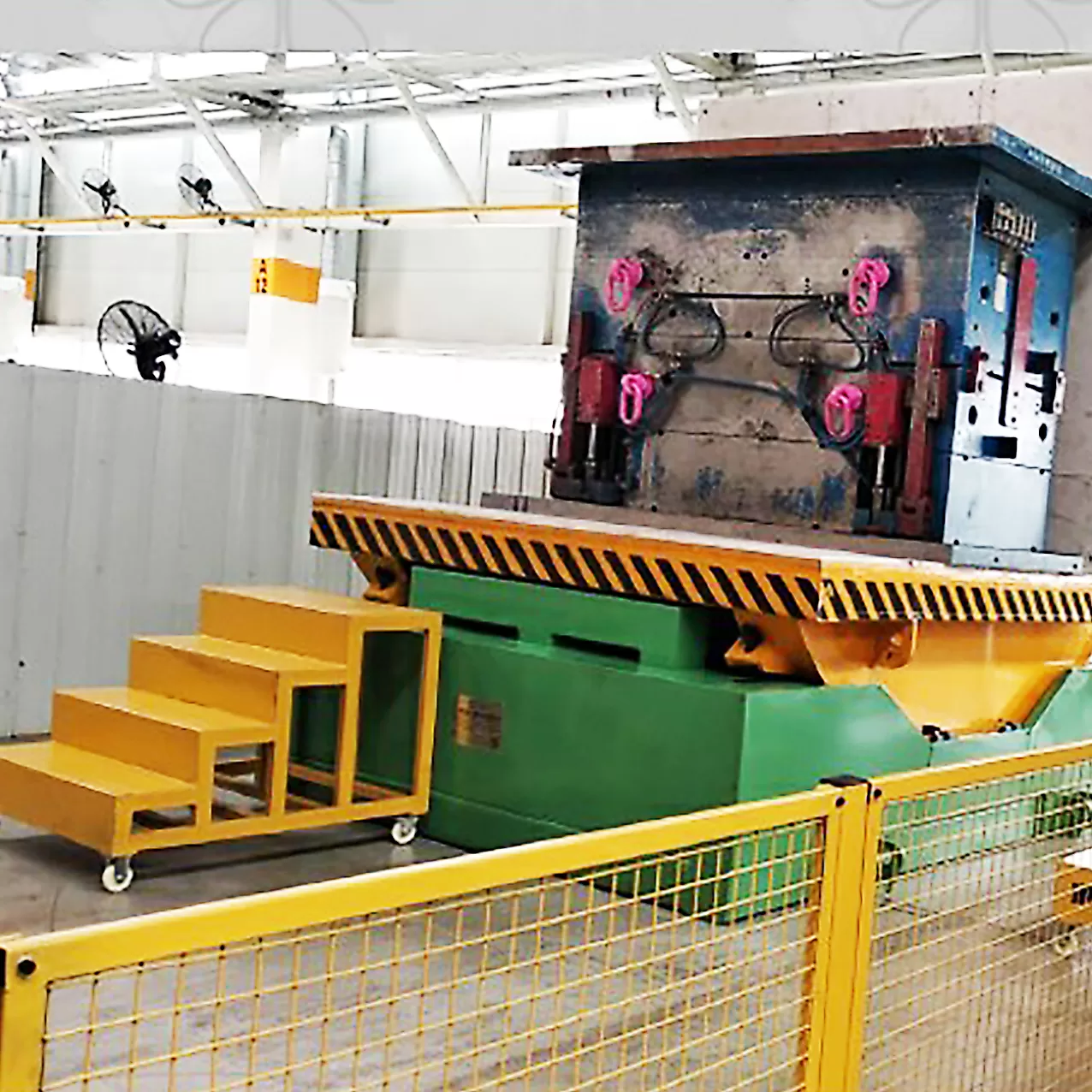
Optimizing energy consumption in mold upender operations involves using energy-efficient components, implementing smart control systems, and conducting regular maintenance. These strategies minimize energy waste, reduce operating costs, and promote a greener manufacturing environment.
Strategies for Reducing Energy Use
To effectively optimize energy consumption in mold upender operations, consider the following strategies:
Energy-Efficient Motors
Replacing traditional motors with energy-efficient alternatives, such as permanent magnet synchronous motors (PMSMs), can significantly reduce energy consumption. PMSMs offer higher efficiency and lower heat generation compared to conventional induction motors.
Smart Control Systems
Implementing smart control systems can optimize mold upender operations by automatically adjusting settings based on real-time conditions. These systems can monitor energy consumption, detect inefficiencies, and make adjustments to minimize waste.
| Control System Feature | Description | Benefit |
|---|---|---|
| Load Sensing | Detects the weight of the mold and adjusts motor torque accordingly. | Reduces energy consumption by avoiding unnecessary power output. |
| Motion Optimization | Optimizes the speed and acceleration of mold movements to minimize energy use. | Reduces energy waste and improves the efficiency of mold handling. |
| Sleep Mode | Automatically puts the mold upender into sleep mode when not in use. | Minimizes standby power consumption and reduces overall energy waste. |
Regular Maintenance
Regular maintenance is essential for ensuring that mold upenders operate at peak efficiency. This includes lubricating moving parts, checking for leaks, and replacing worn components. Proper maintenance can prevent energy waste and extend the lifespan of the equipment.
Variable Frequency Drives (VFDs)
VFDs allow you to control the speed of the motor, so it only uses the necessary amount of power. This is particularly useful when the upender doesn't need to operate at full speed.
LED Lighting
If your mold upender has integrated lighting, switch to LED lights. They consume significantly less energy than traditional lighting options.
Case Studies: Implementing Energy-Efficient Mold Upenders
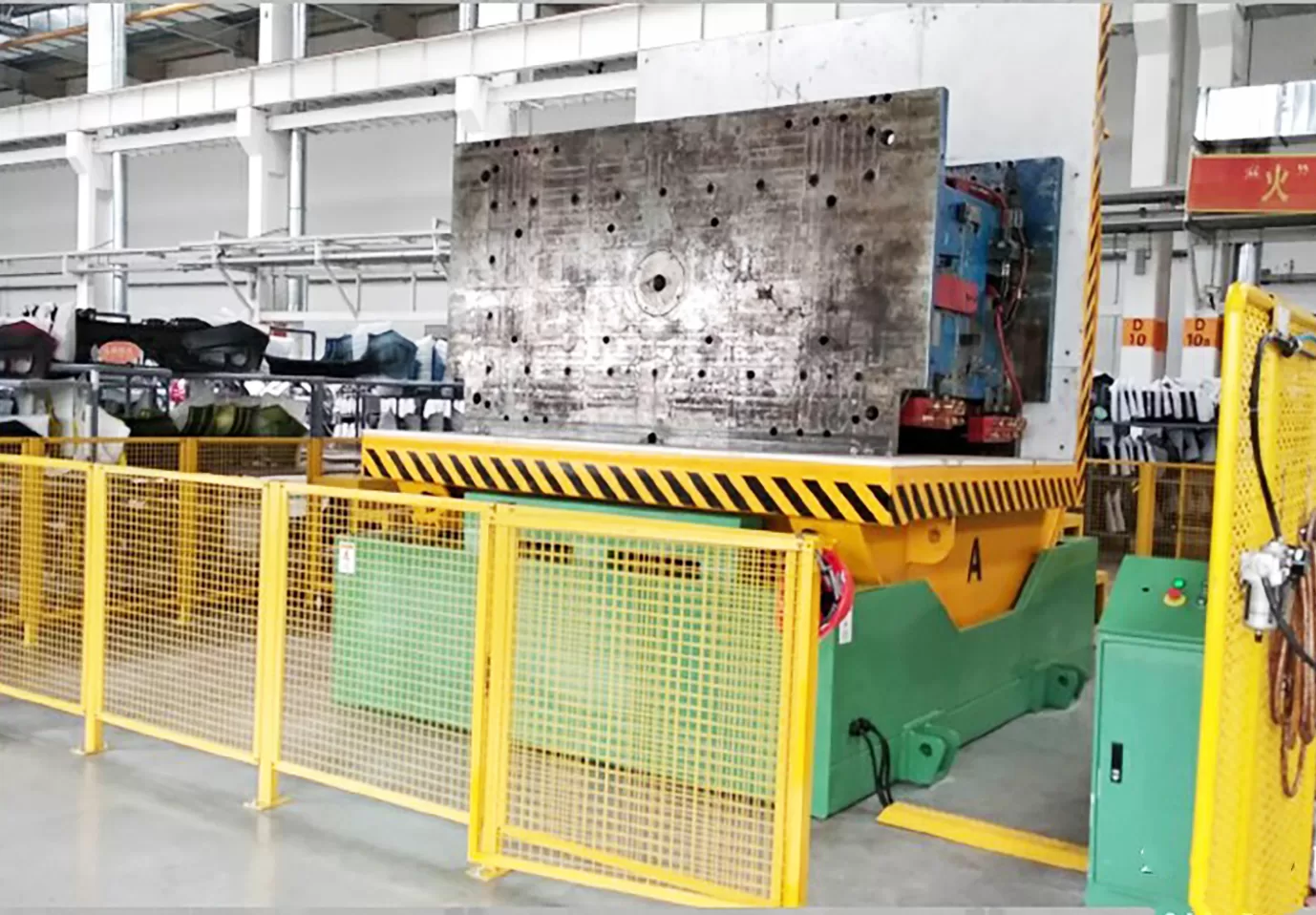
Implementing energy-efficient mold upenders can result in substantial benefits for manufacturing operations. This includes reduced energy consumption, lower operating costs, and a smaller environmental footprint.
Implementing energy-efficient mold upenders demonstrates a commitment to green manufacturing, enhancing brand reputation and attracting environmentally conscious customers. These case studies highlight significant energy savings, cost reductions, and improved sustainability.
Here are real-world examples to illustrate the benefits of adopting energy-efficient mold upenders:
Automotive Component Manufacturer: A leading automotive component manufacturer replaced its traditional mold handling equipment with energy-efficient mold upenders. The results were remarkable, with a 30% reduction in energy consumption and a 20% decrease in operating costs. In addition, the company reported a significant improvement in workplace safety, with fewer incidents of musculoskeletal injuries among its workers.
Plastic Molding Company: A plastic molding company integrated energy-efficient mold upenders into its production line. The company achieved a 25% reduction in energy consumption and a 15% decrease in maintenance costs. Furthermore, the company was able to reduce its carbon footprint, enhancing its reputation as an environmentally responsible manufacturer.
Aerospace Component Supplier: An aerospace component supplier implemented energy-efficient mold upenders to improve the efficiency of its mold handling processes. The company achieved a 35% reduction in energy consumption and a 20% decrease in mold changeover times. The company also benefited from a safer and more ergonomic work environment, with fewer incidents of worker fatigue and injury.
Conclusion
Transitioning to energy-efficient mold upenders is more than an operational upgrade—it's a commitment to Sustainability and a greener future. By embracing these innovative solutions, manufacturers can significantly reduce their environmental impact, lower operating costs, and create a safer, more sustainable workplace.