
Strategies for Upgrading Steel Coil Packaging Equipment
Is your steel coil packaging line struggling to keep pace with production demands, or are you noticing increasing downtime and maintenance costs? Outdated packaging equipment can significantly hinder efficiency and profitability. Upgrading your steel coil packaging equipment is a strategic move that can solve these problems, future-proof your operations, and ensure you remain competitive.
Upgrading steel coil packaging equipment involves several key strategies, including assessing current machinery to identify weaknesses, defining future production needs for scalability, and integrating automation for enhanced efficiency. Focusing on quality and precision in packaging, ensuring compatibility with existing systems, and considering long-term cost savings are also crucial steps. By strategically upgrading, businesses can optimize their packaging processes, reduce operational costs, and improve product protection.
Ready to revolutionize your steel coil packaging process? Let's explore the essential strategies for upgrading your equipment and achieving peak performance.
Assess Your Current Machinery
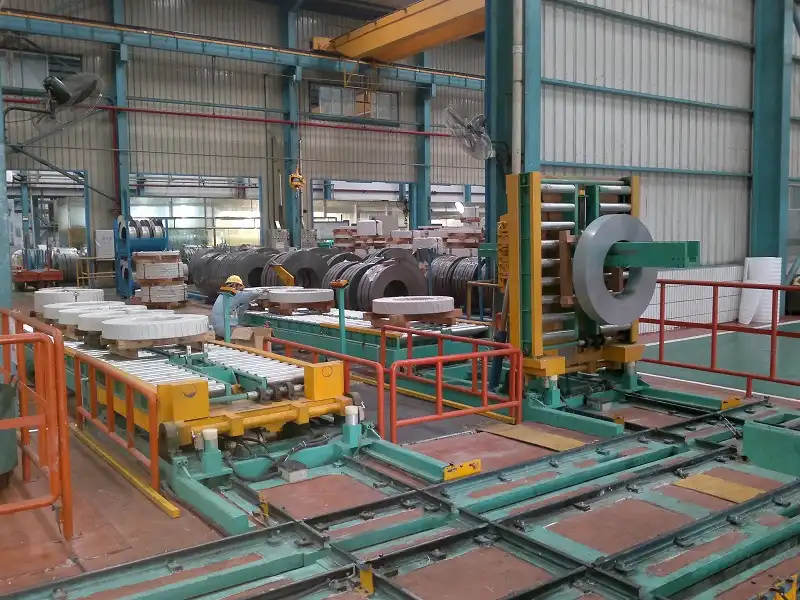
Before investing in new steel coil packaging equipment, a critical first step is to thoroughly evaluate your existing machinery. Understanding the limitations and inefficiencies of your current setup will provide valuable insights into the specific areas that need improvement and guide your upgrade strategy.
To effectively assess your current steel coil packaging machinery, focus on identifying signs of wear and tear, frequent breakdowns that disrupt production, and any reductions in packaging efficiency. Evaluate if your existing equipment struggles with new packaging materials or formats, indicating obsolescence. Slower production rates and increased material waste are also key indicators that an upgrade is necessary to meet current and future demands while optimizing operational costs.
Dive Deeper: A Comprehensive Machinery Performance Audit
A superficial glance at your packaging line won't suffice. A detailed performance audit is essential to pinpoint the exact areas needing upgrades. This audit should encompass several critical aspects, moving beyond simple observations to data-driven insights. Let's break down how to conduct this audit effectively:
1. Maintenance Cost Analysis
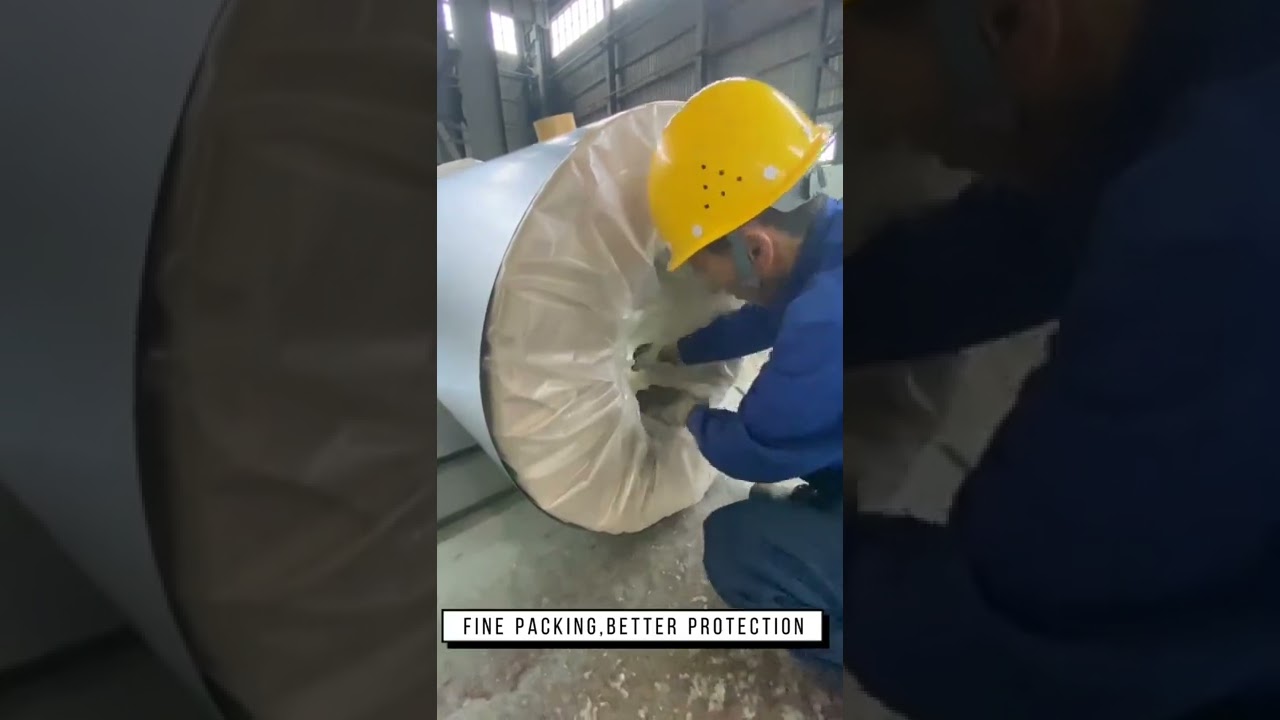
Begin by reviewing your maintenance logs for the past year. Focus on the costs associated with your current packaging machinery. Rising maintenance expenses are a prime indicator of aging equipment nearing the end of its lifecycle. Categorize these costs to understand where your money is going:
- Reactive Maintenance: Costs incurred due to unexpected breakdowns. High reactive maintenance costs signal unreliability and inefficiency.
- Preventive Maintenance: Costs for scheduled maintenance. While necessary, excessively high preventive maintenance costs, especially with minimal impact on downtime, can suggest inherent inefficiencies.
- Spare Parts Inventory: Track the value and turnover rate of spare parts. A large inventory of slow-moving spare parts for outdated machinery ties up capital unnecessarily.
Present this data in a comparative table to visualize the trends:
| Metric | Current Machinery | Target for Upgraded Machinery | Potential Improvement |
|---|---|---|---|
| Annual Reactive Maintenance Cost | \$X,XXX | \$Y,YYY | Reduction of \$Z,ZZZ |
| Annual Preventive Maintenance Cost | \$A,AA | \$B,BB | Reduction of \$C,CC |
| Spare Parts Inventory Value | \$P,PPP | \$Q,QQQ | Reduction of \$R,RRR |
| Downtime due to Maintenance | D hours | E hours | Reduction of F hours |
2. Production Rate and Efficiency Benchmarking
Quantify your current production output. Compare it against your target production rate and the original equipment specifications. Inefficiencies often manifest as reduced throughput and increased waste. Key metrics to monitor include:

- Units Per Hour (UPH): Measure the number of steel coils packaged per hour. A declining UPH indicates bottlenecks or machinery limitations.
- Material Waste Percentage: Calculate the percentage of packaging material wasted during the process. Inefficient machinery may lead to excessive material usage or damage.
- Changeover Time: Record the time taken to switch between different coil sizes or packaging formats. Lengthy changeover times reduce overall productivity, especially in diverse production environments.
Again, a comparative table is useful:
| Metric | Current Machinery | Industry Best Practice | Potential Improvement |
|---|---|---|---|
| Units Per Hour (UPH) | U | V | Increase of W UPH |
| Material Waste Percentage | X% | Y% | Reduction of Z% |
| Average Changeover Time | A minutes | B minutes | Reduction of C minutes |
3. Material Compatibility and Flexibility Assessment
Evaluate how well your current machinery handles different types of steel coils and packaging materials. Modern packaging demands often require flexibility to accommodate various coil dimensions, weights, and protective materials. Consider:
- Coil Size Range: Does your machinery accommodate the full range of coil sizes you currently process or anticipate processing in the future? Limitations here restrict your market reach and operational agility.
- Material Versatility: Can your equipment handle diverse wrapping materials like stretch film, VCI paper, or specialized coatings? Lack of versatility limits your ability to offer customized packaging solutions.
- Format Adaptability: How easily can your line switch between different packaging formats, such as eye-vertical vs. eye-horizontal wrapping? Poor adaptability leads to extended changeovers and reduced responsiveness to customer-specific needs.
By meticulously analyzing these aspects, you’ll gain a clear picture of your current machinery's strengths and weaknesses. This data-driven assessment provides the foundation for making informed decisions about upgrading your steel coil packaging equipment and achieving significant improvements in efficiency, cost-effectiveness, and operational flexibility.
Identify Your Production Needs
Upgrading steel coil packaging equipment is not just about replacing old machines; it's about strategically enhancing your production capabilities to meet current and future demands. Clearly defining your production needs is paramount to ensure that your investment aligns perfectly with your business goals and operational requirements.
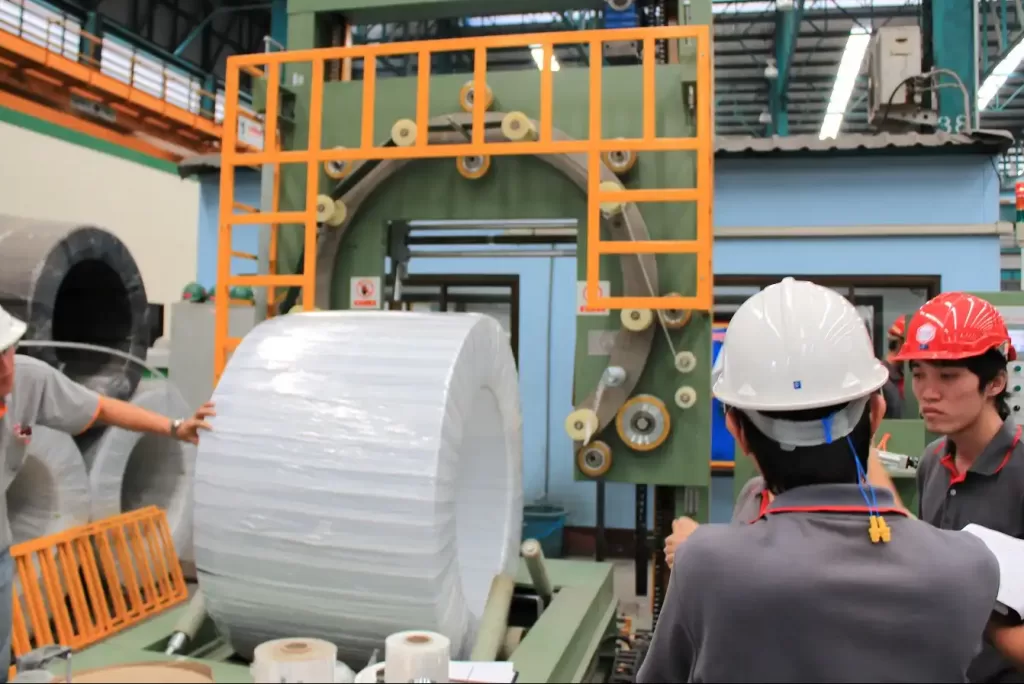
Identifying your production needs for upgrading steel coil packaging equipment involves forecasting future production volumes, considering the introduction of new product lines or packaging materials, and evaluating requirements for increased speed, precision, and flexibility. Assess whether current customer demand exceeds packaging capacity and if the existing system can handle anticipated growth. A new system should address current bottlenecks and be scalable for future production increases and evolving market demands.
Dive Deeper: Aligning Upgrades with Strategic Production Goals
Identifying production needs is not merely about current gaps; it’s about strategic foresight. It requires a deep dive into your business trajectory, market trends, and operational ambitions. Let's explore key facets of this strategic alignment:
1. Demand Forecasting and Scalability
Accurate demand forecasting is crucial. Analyze historical sales data, market growth projections, and anticipated new contracts to estimate future production volumes. Consider scenarios like:
- Baseline Growth: Projected increase in demand based on current trends.
- High-Growth Scenario: Potential surge in demand due to new market penetration or product launches.
- Seasonal Fluctuations: Anticipated peaks and troughs in demand throughout the year.
Your upgraded packaging line should be scalable to accommodate these varying demand levels. Modular systems offer excellent scalability, allowing you to add capacity as needed without complete overhauls. Ask yourself:
- Can the upgraded system handle peak demand without bottlenecks?
- Is it easy to scale up capacity if demand exceeds forecasts?
- Does the system offer flexibility to adjust production volumes efficiently?
2. Product Diversification and Material Evolution
Anticipate potential changes in your product portfolio. Will you be introducing new types of steel coils, requiring different packaging materials or formats? Consider:
- New Coil Dimensions and Weights: Are you planning to produce larger or heavier coils? Your upgraded equipment must handle these variations.
- Specialized Steel Grades: Will you be working with more sensitive steel grades requiring enhanced protection (e.g., VCI paper wrapping)?
- Sustainable Packaging Materials: Are you considering transitioning to eco-friendly packaging materials like biodegradable films or paper-based alternatives? Ensure compatibility with these materials.
Flexibility is key. Opt for equipment that can adapt to a wide range of coil types and packaging materials, minimizing future upgrade needs.
3. Operational Efficiency and Throughput Targets
Define clear efficiency and throughput targets for your upgraded packaging line. These targets should be ambitious yet realistic, driving tangible improvements. Consider:
- Target UPH Increase: Set a specific percentage increase in units packaged per hour.
- Waste Reduction Goals: Aim for a measurable reduction in material waste percentage.
- Changeover Time Optimization: Establish target changeover times for different coil types and formats.
- Downtime Minimization: Define acceptable downtime levels and strive for predictive maintenance capabilities to minimize disruptions.
Translate these targets into quantifiable metrics that can be tracked and measured post-upgrade to assess the success of your investment.
4. Automation and Labor Optimization
Evaluate your current labor costs and identify opportunities for automation to optimize workforce allocation. Consider:
- Manual vs. Automated Processes: Identify tasks currently performed manually that can be automated (e.g., wrapping, strapping, labeling).
- Labor Cost Reduction Targets: Estimate potential labor cost savings through automation.
- Skill Enhancement: Automation shifts labor needs towards skilled operators and maintenance technicians. Plan for training and upskilling your workforce.
- Ergonomics and Safety: Automation improves workplace ergonomics and reduces the risk of manual handling injuries.
By thoroughly analyzing these strategic production needs, you can ensure that your upgrade investment is not just a replacement, but a catalyst for growth, efficiency, and long-term success. A well-defined roadmap, aligned with your business objectives, will maximize the ROI of your steel coil packaging equipment upgrade.
Consider Efficiency and Automation
In today's competitive manufacturing landscape, efficiency and automation are no longer optional—they are essential for survival and growth. When upgrading steel coil packaging equipment, prioritizing efficiency and integrating automation are strategic imperatives that can yield significant long-term benefits.
Newer steel coil packaging machines often offer enhanced efficiency by consuming less energy and minimizing material waste. Automated systems further improve operational accuracy and substantially reduce labor costs. Seek machines equipped with smart technologies, such as integrated sensors and real-time monitoring capabilities, to proactively detect issues and optimize productivity. Investing in automation not only increases output but also ensures consistent packaging quality and frees up personnel for more strategic tasks.

Dive Deeper: Unpacking the Power of Efficiency and Automation
Efficiency and automation are intertwined concepts, each amplifying the benefits of the other. Let's delve into the specific advantages and technological underpinnings of these critical considerations:
1. Energy Efficiency and Sustainability
Modern packaging machinery is designed with energy efficiency in mind, contributing to both cost savings and sustainability goals. Key features include:
- Energy-Optimized Motors and Drives: Using variable frequency drives (VFDs) and high-efficiency motors reduces energy consumption during operation.
- Reduced Pneumatic Usage: Replacing pneumatic systems with electric or servo-driven systems minimizes compressed air consumption, a significant energy drain in many factories.
- Intelligent Power Management: Machines with smart controls can optimize power usage based on load and operational phases, reducing idle energy consumption.
- Recycled and Sustainable Materials: Some manufacturers are incorporating recycled materials in machine construction and designing equipment compatible with sustainable packaging materials.
Quantify the potential energy savings. Calculate the Return on Investment (ROI) based on reduced energy bills and potential carbon footprint reduction credits.
2. Material Waste Reduction and Optimization
Efficient machinery minimizes material waste through precise control and optimized processes:
- Accurate Film Tension Control: Automated tension control systems ensure optimal stretch film usage, preventing over-stretching and film breaks.
- Precise Cut-Off Systems: Automated cutting mechanisms minimize excess material usage at the end of each wrapping cycle.
- Optimized Strapping Application: Automated strapping systems apply the exact amount of strapping material needed, reducing waste and ensuring secure coil fastening.
- Real-Time Material Monitoring: Sensors can monitor material usage and detect anomalies, alerting operators to potential waste issues.
Compare material waste percentages before and after the upgrade. Calculate the cost savings from reduced material consumption.
3. Labor Cost Reduction and Workforce Transformation
Automation significantly reduces labor costs by minimizing manual tasks and optimizing workforce allocation:
- Automated Wrapping and Strapping: Robotic systems can handle coil wrapping and strapping, reducing the need for manual labor in these repetitive and physically demanding tasks.
- Automated Material Handling: Conveyor systems, automated guided vehicles (AGVs), and robotic arms can automate coil loading, unloading, and transfer, minimizing manual material handling.
- Remote Monitoring and Diagnostics: Industry 4.0 enabled machines allow for remote monitoring and diagnostics, reducing the need for on-site operator intervention for routine tasks and troubleshooting.
- Predictive Maintenance: Automated systems with predictive maintenance capabilities reduce downtime and maintenance labor costs by anticipating and preventing breakdowns.
However, automation is not about eliminating jobs; it's about transforming the workforce. Focus on upskilling your employees to operate and maintain these advanced automated systems. This creates higher-value jobs and a more skilled workforce.
4. Smart Technologies and Industry 4.0 Integration
Embrace smart technologies and Industry 4.0 principles to maximize efficiency gains:
- IoT-Enabled Sensors: Integrate sensors to monitor machine performance, material usage, energy consumption, and environmental conditions in real-time.
- PLC and Cloud-Based Control Systems: Utilize Programmable Logic Controllers (PLCs) and cloud platforms for centralized machine control, data logging, and remote access.
- Real-Time Data Analytics: Implement data analytics to identify trends, optimize machine settings, predict maintenance needs, and improve overall line performance.
- Machine Learning and AI: Explore opportunities to integrate machine learning and Artificial Intelligence (AI) for adaptive process optimization, predictive maintenance, and automated quality control.
By strategically integrating efficiency and automation, you can transform your steel coil packaging line into a lean, responsive, and future-proof operation. The gains in productivity, cost savings, and sustainability will provide a significant competitive edge in the long run.
Focus on Quality and Precision
In the steel coil industry, packaging quality and precision are not merely aesthetic concerns; they are critical factors that directly impact product integrity, customer satisfaction, and brand reputation. Upgrading your steel coil packaging equipment provides a prime opportunity to enhance these crucial aspects. Poor packaging can lead to product damage, increased returns, and ultimately, a tarnished brand image.
Modern steel coil packaging machines offer superior control over critical processes such as sealing, cutting, and labeling, ensuring a high-quality finish and minimizing product defects. Choose equipment that delivers precise and consistent results to meet customer expectations for well-packaged products. Investing in quality and precision control not only improves customer satisfaction but also reduces product returns and associated costs.
Dive Deeper: Engineering Excellence in Packaging Quality and Precision
Achieving superior packaging quality and precision requires a focus on engineering excellence at every stage of the upgrade process. Let's dissect the key elements that contribute to this enhanced performance:
1. Advanced Control Systems for Precision Wrapping and Strapping
Modern machines employ sophisticated control systems to ensure precise and consistent wrapping and strapping:
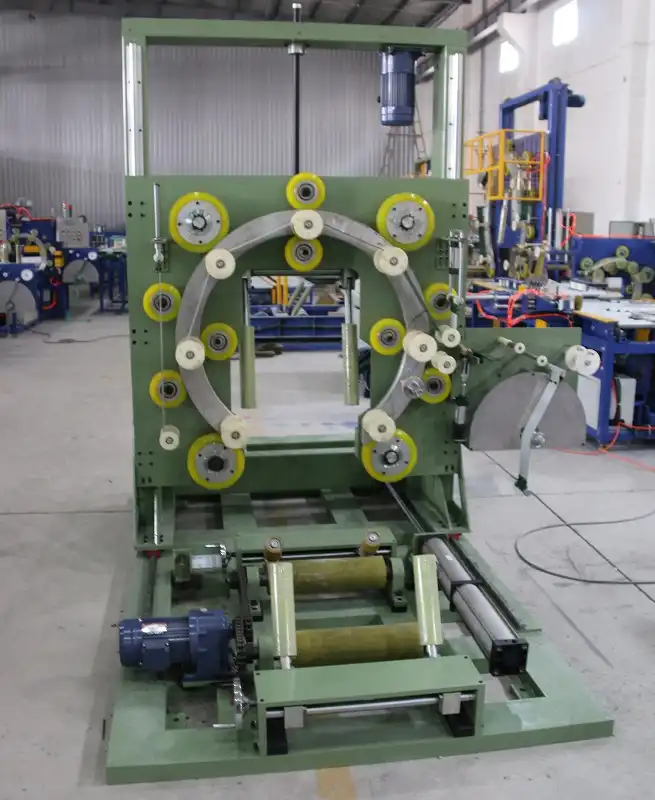
- PLC-Based Tension Control: Programmable Logic Controllers (PLCs) enable precise control over film tension during wrapping, ensuring optimal tightness without damaging the coil or wasting material.
- Servo-Driven Strapping Heads: Servo-driven strapping heads deliver accurate strap placement and tension, ensuring secure coil fastening and preventing shifting during transport.
- Automated Overlap Adjustment: Advanced systems automatically adjust film overlap based on coil diameter and material type, ensuring consistent and reliable sealing.
- Programmable Wrapping Patterns: Operators can program customized wrapping patterns for different coil types and packaging requirements, optimizing protection and material usage.
These advanced control systems eliminate manual guesswork and variability, resulting in consistently high-quality packaging.
2. High-Resolution Labeling and Marking Systems
Precise and accurate labeling is crucial for traceability, inventory management, and brand communication:
- High-Resolution Printers: Integrate high-resolution printers for crisp and legible labels, barcodes, and QR codes, ensuring accurate product identification and tracking.
- Automated Label Placement: Robotic label applicators ensure precise and consistent label placement, enhancing professionalism and reducing manual errors.
- Vision System Verification: Vision systems can verify label accuracy and placement, automatically rejecting improperly labeled coils and ensuring data integrity.
- Direct Part Marking (DPM): For critical applications, consider Direct Part Marking technologies like laser marking or dot peening for permanent and tamper-proof identification directly on the coil.
Accurate and high-quality labeling enhances operational efficiency, reduces errors in logistics, and reinforces brand professionalism.
3. Robust Material Handling for Damage Prevention
Gentle and precise material handling is essential to prevent damage to the steel coils during packaging:
- Soft-Touch Grippers and Clamps: Utilize grippers and clamps made of soft materials like polyurethane to minimize surface scratching or indentation of the coils.
- Controlled Motion Systems: Servo-driven motion systems ensure smooth and controlled coil movement throughout the packaging process, minimizing shocks and vibrations.
- Sensory Feedback and Collision Avoidance: Integrate sensors and safety systems to detect obstructions and prevent collisions, protecting both the coils and the machinery.
- Ergonomic Design for Manual Intervention: Where manual intervention is necessary, ensure ergonomic design to minimize operator fatigue and reduce the risk of accidental damage during handling.
By prioritizing robust and gentle material handling, you can significantly reduce the risk of product damage during packaging, minimizing costly rejects and ensuring customer satisfaction.
4. Quality Assurance and Inspection Systems
Implement quality assurance systems to monitor and verify packaging quality in real-time:
- Vision-Based Inspection: Integrate vision systems to inspect wrapping quality, strap placement, label accuracy, and overall package integrity.
- Weight Verification Systems: Automated weighing systems can verify package weight against expected values, detecting missing components or material discrepancies.
- Non-Destructive Testing (NDT): For critical applications, consider integrating NDT methods like ultrasonic testing to verify the integrity of the packaged coil without damaging it.
- Data Logging and Reporting: Implement data logging systems to track quality metrics, identify trends, and generate reports for continuous improvement initiatives.
By embedding quality assurance throughout the packaging process, you can proactively identify and address quality issues, ensuring that every steel coil leaving your facility meets the highest standards of packaging excellence.
Ensure Compatibility with Existing Systems
Upgrading steel coil packaging equipment is rarely an isolated project. Successful integration with your existing production line and ancillary systems is crucial for a seamless transition and optimal performance. Incompatibility can lead to costly delays, operational bottlenecks, and unrealized efficiency gains.
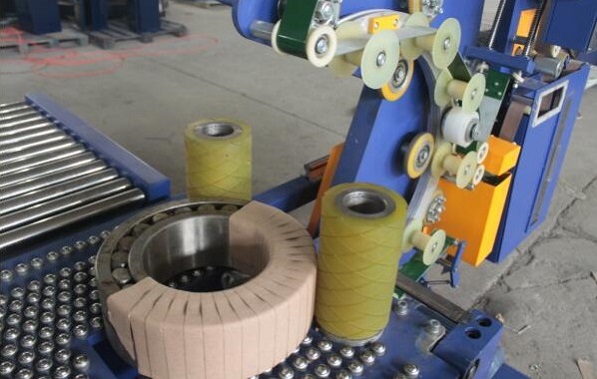
Ensuring compatibility when upgrading steel coil packaging equipment involves verifying that new machinery seamlessly integrates with current infrastructure such as conveyor belts, printers, and other existing systems. Incompatible equipment can disrupt production flow and incur unexpected costs. A smooth transition requires confirming mechanical, electrical, and software interfaces align with existing setups. Consulting with suppliers to confirm compatibility before purchase is crucial to prevent disruptions and ensure a streamlined integration process.
Dive Deeper: Harmonizing New and Existing Infrastructure
Compatibility is not just about physical connections; it encompasses mechanical, electrical, and digital integration. Let's explore the critical dimensions of system compatibility:
1. Mechanical Integration and Physical Interfaces
Ensure the new packaging equipment physically fits within your existing layout and seamlessly connects to material flow systems:
- Footprint and Dimensions: Verify that the new machine's footprint and dimensions are compatible with your available floor space and facility layout.
- Conveyor System Interfaces: Confirm that the infeed and outfeed conveyor heights, widths, and speeds are compatible with your existing conveyor systems. Ensure smooth material transfer points.
- Mounting and Anchoring: Check the mounting requirements of the new equipment and ensure compatibility with your floor structure and anchoring points.
- Material Flow Path Alignment: Plan the material flow path to ensure smooth transitions between new and existing equipment, minimizing bottlenecks and material handling issues.
Detailed site surveys and dimensional drawings are essential to verify mechanical compatibility.
2. Electrical and Power System Compatibility
Electrical compatibility is crucial for safe and reliable operation:
- Voltage and Power Requirements: Verify that the new machine's voltage and power requirements are compatible with your facility's electrical supply.
- Control Panel Interfaces: Ensure compatibility between the new machine's control panel and your existing control systems. Consider communication protocols and signal interfaces.
- Emergency Stop Integration: Integrate the new equipment's emergency stop system with your overall plant safety system for coordinated emergency shutdowns.
- Grounding and Safety Standards: Ensure that the new equipment complies with relevant electrical safety standards and grounding requirements in your region.
Consult with electrical engineers to verify electrical compatibility and ensure safe and compliant installation.
3. Software and Data Integration
In today's interconnected manufacturing environment, software and data integration are paramount:
- PLC Communication Protocols: Verify that the new machine's PLC uses communication protocols compatible with your existing PLCs (e.g., PROFINET, Ethernet/IP, Modbus TCP).
- MES/ERP System Integration: Plan for data integration with your Manufacturing Execution System (MES) or Enterprise Resource Planning (ERP) system for real-time data exchange and production monitoring.
- Data Format Compatibility: Ensure that data formats used by the new machine are compatible with your existing data management and analytics systems.
- Cybersecurity Considerations: Address cybersecurity implications when integrating new equipment into your network. Implement appropriate security measures to protect your data and systems.
Seamless software and data integration unlocks the full potential of Industry 4.0 capabilities, enabling data-driven optimization and improved decision-making.
By meticulously addressing these mechanical, electrical, and software compatibility aspects, you can ensure a smooth and successful upgrade process. Proactive planning, thorough verification, and close collaboration with equipment suppliers are key to avoiding costly integration issues and maximizing the benefits of your investment.
Conclusion
Upgrading your steel coil packaging equipment is a strategic imperative for enhancing efficiency, quality, and competitiveness in the modern manufacturing landscape. By systematically assessing your current machinery, defining future production needs, embracing automation, focusing on quality and precision, and ensuring system compatibility, you can transform your packaging operations. This strategic approach not only addresses immediate challenges but also future-proofs your business, positioning you for sustained success. Investing in a modern coil wrapping machine and integrated packaging line is an investment in your future.