
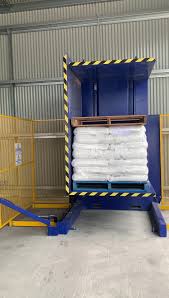
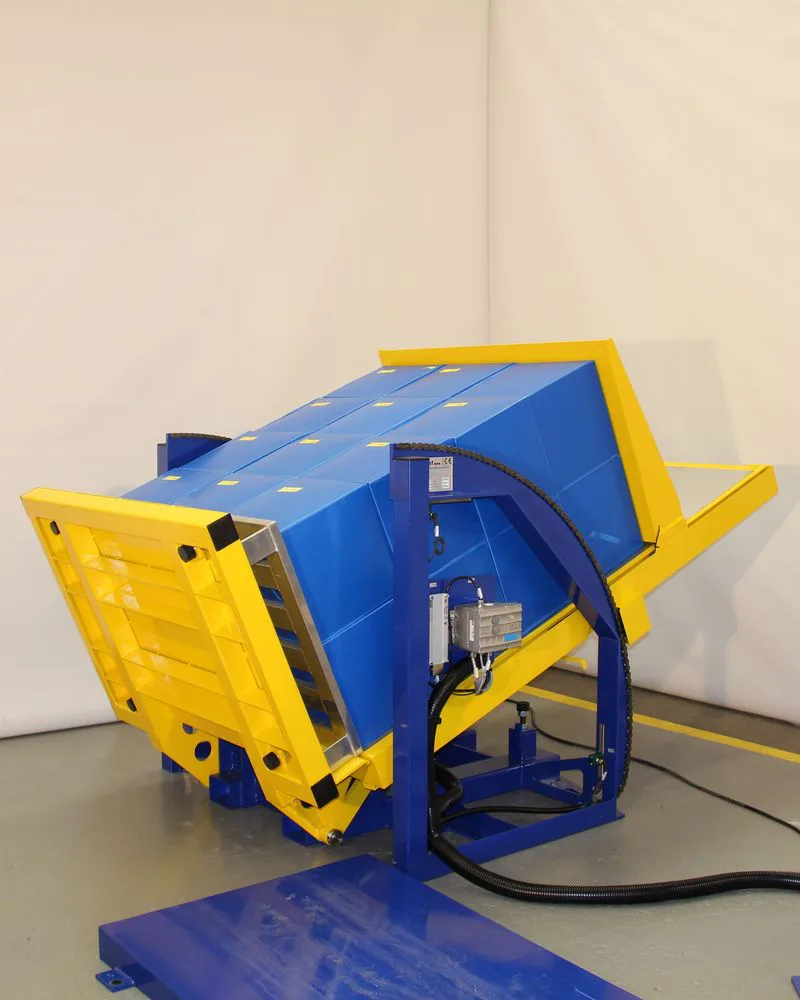
Efficient and safe material handling is the backbone of modern warehousing and logistics. Among the essential equipment in this domain, pallet inverters play a crucial role in optimizing operations, recovering damaged goods, and facilitating seamless transitions between different pallet types. This guide focuses on the FS Pallet Inverter, a robust solution designed for specific handling needs. The FS, or Free Standing Pallet Inverter, is perfect for inverting loads up to 4,000 lbs to help you change pallets or recover damaged loads efficiently and safely. Understanding its operation is key to maximizing its benefits in a warehouse environment.
The Role of the FS Pallet Inverter in Warehouse Operations
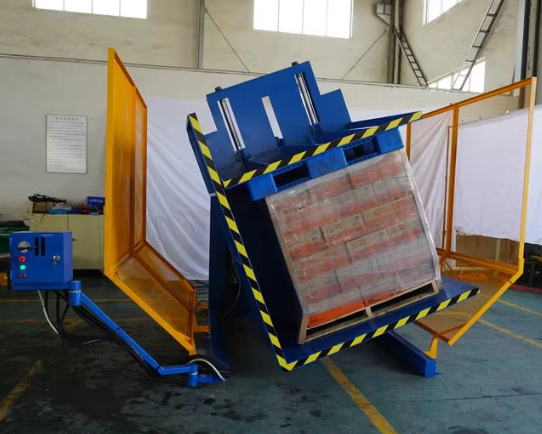
Pallet inverters are indispensable tools for addressing common challenges in the supply chain. Loads often arrive on one type of pallet (e.g., wooden for shipping) but need to be transferred to another (e.g., plastic for internal racking or hygiene reasons). Additionally, the bottom layers of stacked goods or the pallets themselves can become damaged during transit or storage, requiring intervention without disturbing the entire load.
The FS Pallet Inverter is specifically engineered as a Free Standing unit, offering flexibility in placement within a facility. Its design makes it ideal for operations handling loads up to 4,000 pounds, providing a dedicated station for necessary pallet changes and load recovery. This capacity range covers a significant portion of standard palletized goods, making the FS a versatile asset for many businesses. Its primary functions—changing pallets and recovering damaged loads—directly contribute to increased efficiency, reduced product waste, and improved worker safety by automating tasks that would otherwise be manual, time-consuming, and potentially hazardous.
Understanding the Need for a Step-by-Step Guide
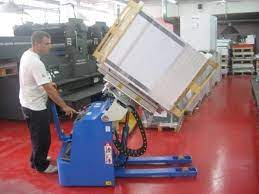
While the concept of inverting a pallet seems straightforward, the safe and effective operation of any industrial machinery, including a pallet inverter, requires detailed knowledge and trained execution. A comprehensive step-by-step guide is not merely a manual; it's a critical safety document and an operational blueprint. Following established procedures ensures:
- Operator Safety: Minimizing risks associated with handling heavy loads and powerful machinery.
- Equipment Longevity: Preventing damage to the inverter caused by improper use.
- Load Integrity: Protecting the goods being inverted from damage.
- Operational Efficiency: Ensuring the process is completed quickly and correctly every time.
- Compliance: Meeting industry safety standards and regulations.
Operating an FS Pallet Inverter involves several key phases, each requiring careful attention. While the specific details and control sequences can vary slightly depending on the exact model and configuration, the general process follows a logical sequence from preparing the load to completing the inversion and returning the load to the workflow.
General Phases of FS Pallet Inverter Operation
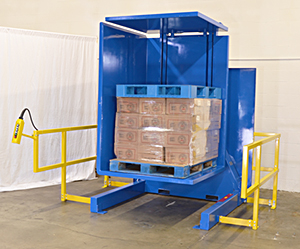
Operating an FS Pallet Inverter, like other pallet handling equipment, generally involves three primary phases: loading the unit, performing the inversion or change, and unloading the unit. It is imperative to consult the specific manufacturer's official guide for the exact FS model in use, as control layouts, safety interlocks, and procedural nuances will be detailed there. However, understanding the fundamental steps provides a valuable framework.
Phase 1: Preparing and Loading the Load
This initial phase is critical for ensuring a safe and successful inversion.
- Inspect the Load: Before bringing the load to the inverter, visually inspect it. Ensure the load is stable and properly stacked on its original pallet. Look for signs of shifting, damaged packaging, or instability that might cause issues during the inversion process. Damaged pallets requiring recovery are, of course, the target, but the load itself must be stable enough to withstand the inversion process once secured.
- Verify Load Compatibility: Confirm the load's weight and dimensions are within the FS Pallet Inverter's specified capacity (up to 4,000 lbs) and physical constraints. Attempting to invert overweight or oversized loads can damage the machine and create significant safety hazards.
- Clear the Area: Ensure the operating area around the FS Pallet Inverter is clear of personnel, obstructions, and debris. Maintain adequate clearance for the material handling equipment used to load the inverter (typically a forklift for loads up to 4,000 lbs, though the "Free Standing" nature might imply potential for floor-level loading depending on the specific model design, similar to the FSDC's versatility).
- Position the Material Handling Equipment: Bring the palletized load to the inverter using appropriate equipment, such as a forklift.
- Engage Safety Features: Before placing the load, ensure any necessary machine safety features or gates are in the correct position.
- Carefully Load the Pallet: Using the forklift, carefully lift the palletized load and position it correctly within the FS Pallet Inverter's clamping area. The exact positioning guides will be outlined in the manufacturer's manual. Ensure the load is centered and seated properly against any backstops or guides. Avoid forceful impacts with the machine.
- Lower and Disengage: Once the load is correctly positioned, slowly lower it into the inverter's loading platform. Disengage the forklift forks carefully and withdraw the equipment from the operating area.
- Initiate Clamping: The operator typically initiates the clamping process via the control panel. The inverter's clamps will engage, securing the load firmly from the sides or top, depending on the design. Proper clamping is essential to prevent the load from shifting or falling during inversion. The pressure applied by the clamps is often adjustable and should be set appropriately for the type of goods being handled.
Phase 2: Performing the Inversion Cycle
With the load securely clamped, the inversion process can begin.
- Access Control Panel: The operator moves to the machine's control panel, which houses the buttons, levers, or touchscreen interface used to command the inverter.
- Initiate Inversion: The operator selects the appropriate function to begin the inversion cycle. This typically involves pressing a 'Start' or 'Invert' button. The machine will begin to rotate the clamped load. The FS model performs a complete 180-degree inversion.
- Monitor the Process: The operator should observe the inversion process, ensuring the load remains stable and the machine operates smoothly. Listen for unusual noises and watch for any unexpected movements of the load or machine components. Most modern inverters have safety interlocks that will stop the cycle if a problem is detected.
- Completion of Inversion: The machine will automatically stop once the 180-degree rotation is complete, leaving the load inverted, now resting on the new pallet (if changing pallets) or ready for the original damaged pallet to be removed.
- Adjust Clamping (if necessary): In some operations, it might be necessary to slightly release or adjust the clamping pressure at this stage, depending on the task (e.g., freeing the damaged pallet).
Phase 3: Removing the Old Pallet and Unloading the New Load
Once the inversion is complete and the load is stable on the new pallet or ready for the original pallet's removal, the final phase involves safely extracting the load.
- Access the Pallet: If the goal was to change pallets, the original (now top) pallet is often accessible for removal. This might involve slightly releasing the clamps (while maintaining sufficient pressure to hold the load) and manually or mechanically pulling the old pallet free. If recovering a damaged bottom layer, the original pallet (now on top) is removed.
- Prepare for Unloading: Ensure the path for unloading is clear and bring the material handling equipment back to the inverter.
- Release Clamps: Using the control panel, the operator initiates the release of the load clamps. The clamps will retract, freeing the inverted load (now on its new pallet) within the machine.
- Carefully Unload the Pallet: Position the forklift forks correctly relative to the new pallet. Carefully lift the palletized load from the inverter's platform. Ensure the load remains stable as it is lifted and withdrawn.
- Withdraw and Transport: Once the load is clear of the inverter, carefully back away and transport the load to its next destination in the warehouse workflow.
- Return Machine to Rest Position: After the load is safely removed, return the inverter's components (clamps, platform) to their home or rest position, ready for the next cycle.
- Post-Operation Check: A brief visual inspection of the machine can help identify any potential issues before the next use.
Key Considerations for Safe Operation
Operating an FS Pallet Inverter effectively goes beyond just following steps; it requires a commitment to safety and best practices.
- Training: Only trained and authorized personnel should operate the FS Pallet Inverter. Training should cover the specific model's controls, safety features, load limits, and emergency procedures.
- Pre-Operation Checks: Before each shift or period of use, perform a quick check of the machine. Look for any visible damage, ensure safety guards are in place, and verify the controls are functioning correctly.
- Load Limits: Never exceed the 4,000 lbs capacity of the FS Pallet Inverter. Understanding the weight of your typical loads is crucial.
- Load Stability: Ensure loads are as stable as possible before inversion. Use wrapping or banding if necessary to secure items, especially if the load isn't perfectly uniform.
- Clear Communication: If working with others, maintain clear communication, especially when loading and unloading with a forklift.
- Emergency Stop: Know the location and function of the emergency stop button and be prepared to use it if anything goes wrong.
- Regular Maintenance: Adhere to the manufacturer's recommended maintenance schedule to keep the machine in optimal working condition. Worn parts or hydraulic leaks can compromise safety and performance.
- Environmental Factors: Be aware of how environmental conditions (e.g., wet floors, poor lighting) might affect operation and take necessary precautions.
The Benefits of Mastering FS Pallet Inverter Operation
By understanding and correctly executing the operating procedures for the FS Pallet Inverter, businesses can unlock significant benefits:
- Reduced Product Damage: Gentle inversion helps protect goods compared to manual transfer methods.
- Improved Safety: Automating the inversion process removes manual handling risks associated with heavy or unstable loads.
- Increased Throughput: Pallet changes and load recovery can be performed quickly, minimizing bottlenecks.
- Optimized Space: Facilitates the use of appropriate pallets for different storage systems.
- Waste Reduction: Damaged pallets can be swapped out, potentially saving the entire load.
Premier Handling Solutions, a manufacturer focusing on "Industry Proven Solutions," emphasizes improving overall productivity, safety, and speed throughout the material handling process. The FS Pallet Inverter, with its specific capacity and function, aligns perfectly with this mission by providing a dedicated, efficient tool for critical pallet handling tasks within its operational scope.
Conclusion
Operating an FS Pallet Inverter is a structured process involving careful preparation, execution of the inversion cycle, and safe unloading. While this guide outlines the general phases and considerations, the ultimate key to safe and efficient operation lies in consulting and strictly following the manufacturer's specific step-by-step guide for the FS model you are using. Investing in proper operator training and adhering to safety protocols will ensure that this valuable piece of warehouse equipment contributes positively to your operations, helping you change pallets and recover damaged loads up to 4,000 lbs effectively, safely, and reliably. Mastering its operation is a vital step towards a more productive and secure warehouse environment.