Imagine a world where every step of your mold upender logistics is transparent, secure, and efficient. Blockchain is not just a buzzword; it's the technology reshaping supply chains, offering unprecedented visibility and control.
How does blockchain revolutionize mold upender logistics? It provides a transparent and immutable record of every transaction, enhancing traceability, security, and efficiency. This reduces fraud, streamlines processes, and builds trust among all parties involved in the supply chain.
Ready to dive into how blockchain can transform your mold upender logistics? Let's explore the key benefits and practical applications of this game-changing technology.
%[alt with keywords]
Blockchain: Enhancing Transparency and Traceability in Mold Upender Logistics
Transparency and traceability are critical in today's complex supply chains. Discover how blockchain provides a secure and verifiable record of every step in mold upender logistics.
How does blockchain enhance transparency and traceability in mold upender logistics? Blockchain creates an immutable, shared ledger of all transactions, enabling real-time tracking of mold upenders from origin to destination. This increases trust, reduces fraud, and improves accountability throughout the supply chain.
%[keywords]
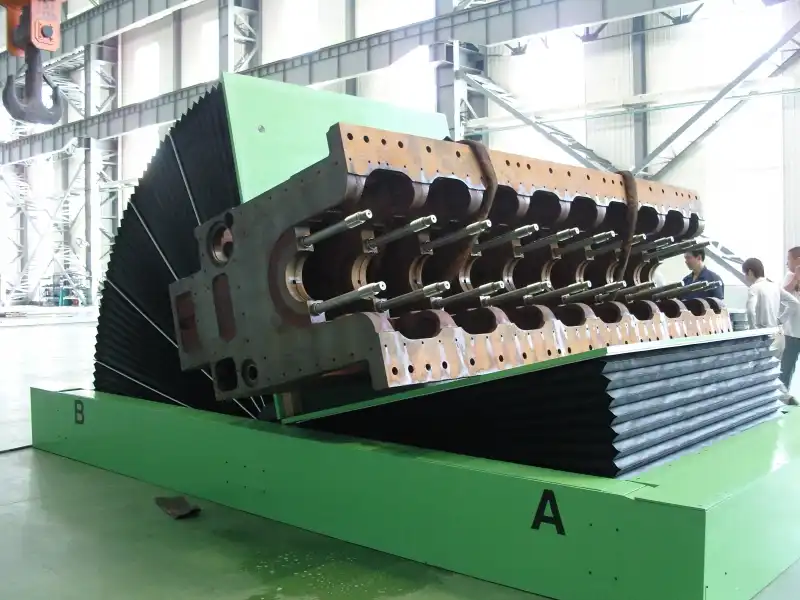
Dive Deeper: The Core of Transparency and Traceability
Blockchain's impact on transparency and traceability in mold upender logistics goes beyond simple tracking. It fundamentally alters how information is shared and verified, creating a more secure and efficient system.
Understanding the Challenges of Traditional Systems
Traditional supply chain systems often suffer from a lack of real-time visibility and data silos, making it difficult to track goods accurately and efficiently. This can lead to delays, errors, and increased costs.
How Blockchain Solves the Problem
Blockchain technology addresses these challenges by providing a decentralized and immutable ledger that all participants in the supply chain can access. Each transaction is recorded as a block in the chain, creating a permanent and verifiable record of the movement of goods. This transparency allows stakeholders to trace products from their origin to their final destination, verifying authenticity and ensuring compliance with regulations.
Key Benefits of Blockchain Transparency
-
Improved Product Authentication: Blockchain helps verify the authenticity of mold upenders, preventing counterfeiting and ensuring product integrity.
-
Enhanced Compliance: Blockchain provides a clear audit trail, making it easier to comply with regulatory requirements and industry standards.
-
Reduced Fraud: The immutable nature of blockchain makes it difficult to tamper with data, reducing the risk of fraud and other illicit activities.
-
Increased Trust: Blockchain builds trust among supply chain partners by providing a shared and transparent record of all transactions.
The Importance of Real-Time Visibility
Real-time visibility is essential for efficient supply chain management. Blockchain enables companies to track the location and status of mold upenders at any time, providing valuable insights into their operations.
How to Implement Blockchain for Transparency
- Identify Key Stakeholders: Determine who needs access to the blockchain and what information they need to see.
- Choose a Blockchain Platform: Select a blockchain platform that meets your specific needs and requirements.
- Develop a Data Model: Define the data that will be stored on the blockchain, including product information, transaction details, and location data.
- Integrate with Existing Systems: Integrate the blockchain with your existing supply chain management systems to ensure seamless data flow.
- Train Your Staff: Train your staff on how to use the blockchain and access the information they need.
Case Studies: Blockchain in Action
Several companies have already implemented blockchain technology to enhance transparency and traceability in their supply chains. For example, Walmart uses blockchain to track the origin of produce, ensuring food safety and quality. Maersk has developed a blockchain platform for managing global trade, streamlining documentation and improving visibility across the supply chain.
Quantifiable Results
The benefits of blockchain transparency can be significant, as highlighted in the table below:
Benefit Potential Improvement Reduced Fraud 20-30% Improved Compliance 15-25% Enhanced Traceability 30-40% Increased Operational Efficiency 10-20% The Future of Blockchain and Transparency
As blockchain technology continues to evolve, its impact on transparency and traceability in mold upender logistics will only grow. By embracing blockchain, companies can build more resilient, efficient, and trustworthy supply chains.
Streamlining Operations and Reducing Costs with Blockchain
Efficiency and cost reduction are top priorities for businesses today. Explore how blockchain streamlines operations and reduces costs in mold upender logistics.
How does blockchain streamline operations and reduce costs in mold upender logistics? By automating processes through smart contracts, reducing paperwork, and eliminating intermediaries, blockchain creates a more efficient and cost-effective supply chain. This leads to faster transactions, lower operational costs, and improved overall performance.
%[keywords]
Enhancing Efficiency: Automation and Cost Reduction
Blockchain technology streamlines operations and significantly reduces costs within mold upender logistics by automating processes, minimizing paperwork, and diminishing the need for intermediaries.
Unpacking the Inefficiencies of Traditional Logistics
In traditional logistics, inefficiencies often stem from manual processes, redundant paperwork, and lack of real-time information. These challenges lead to delays, errors, and increased operational costs.
How Blockchain Creates Efficiencies
Blockchain combats these issues by automating transactions through smart contracts and creating a shared ledger accessible to all stakeholders. Smart contracts are self-executing agreements with predefined conditions, automatically triggering actions like payments or updating records when these conditions are met.
Key Ways Blockchain Reduces Costs
-
Reduced Paperwork: By digitizing documentation, blockchain significantly reduces the need for paper-based processes.
-
Automated Transactions: Smart contracts automate payment processes, reducing manual intervention and accelerating transaction times.
-
Eliminated Intermediaries: Blockchain enables direct transactions between parties, reducing the need for intermediaries and associated fees.
-
Improved Inventory Management: Real-time visibility allows for more accurate inventory management, minimizing waste and reducing storage costs.
The Power of Automation
Automation is at the heart of blockchain's ability to streamline operations. Smart contracts automate tasks such as payment releases, order fulfillment, and shipment tracking, reducing errors and speeding up processes.
How to Implement Blockchain for Efficiency
- Identify Manual Processes: Identify the most time-consuming and error-prone manual processes in your mold upender logistics.
- Develop Smart Contracts: Create smart contracts that automate these processes, ensuring that actions are executed automatically when predefined conditions are met.
- Integrate with Existing Systems: Integrate the blockchain with your existing supply chain management systems to ensure seamless data flow.
- Monitor Performance: Monitor the performance of the blockchain and smart contracts to ensure that they are delivering the expected benefits.
- Train Your Staff: Train your staff on how to use the blockchain and smart contracts.
Case Studies: Companies Streamlining Operations
Several companies have already implemented blockchain technology to streamline operations and reduce costs in their supply chains. For example, Maersk and IBM's TradeLens platform leverages blockchain to improve transparency and efficiency in global shipping. Walmart uses blockchain to track the origin of produce, reducing the time and cost involved in food recalls.
Quantitative Results
The cost savings from blockchain implementation are demonstrable, as shown in the following table:
Benefit Potential Cost Reduction Reduced Paperwork 25-35% Automated Transactions 15-25% Eliminated Intermediaries 10-20% Improved Inventory Management 5-10% Future Potential
The potential for blockchain to transform mold upender logistics is immense. As more companies adopt this technology, the benefits will only grow, leading to more efficient, cost-effective, and resilient supply chains.
Enhancing Security and Building Trust in the Logistics Ecosystem
Security and trust are paramount in today's interconnected world. Discover how blockchain enhances security and builds trust among stakeholders in mold upender logistics.
How does blockchain enhance security and build trust in the logistics ecosystem? Blockchain's decentralized and cryptographic nature ensures data integrity and prevents tampering. This builds trust among all stakeholders, reduces the risk of fraud, and creates a more secure and reliable supply chain.
%[keywords]
The Bedrock of Trust: Security and Data Integrity
Blockchain fosters trust by ensuring that every transaction is recorded securely and transparently. This transforms logistics management by making data tamper-proof, fostering greater collaboration, and establishing clear accountability across the network.
The Security Deficiencies of Conventional Systems
Traditional logistics systems often rely on centralized databases that are vulnerable to cyberattacks and data breaches. These vulnerabilities can lead to data manipulation, fraud, and loss of trust among supply chain partners.
Blockchain's Robust Security Mechanisms
Blockchain addresses these issues with its decentralized and cryptographic nature. Each block in the chain is linked to the previous block using cryptographic hashes, making it nearly impossible for anyone to alter the data without being detected. This high level of security ensures that the information stored in the blockchain is tamper-proof and secure from cyber threats.
Strengthening Trust: Key Benefits
-
Data Integrity: Ensures that data is accurate, consistent, and reliable.
-
Tamper-Proof Records: Prevents unauthorized modifications to the blockchain data.
-
Reduced Fraud: Minimizes the risk of fraudulent activities by providing a transparent and verifiable record of all transactions.
-
Increased Accountability: Enhances accountability by tracking the movement of goods and assigning responsibility to the appropriate parties.
How to Implement Blockchain for Security
- Secure Your Network: Implement robust security measures to protect your blockchain network from cyberattacks.
- Use Strong Cryptography: Use strong cryptographic algorithms to encrypt the data stored on the blockchain.
- Control Access: Control access to the blockchain by implementing strict authentication and authorization procedures.
- Monitor Your Network: Monitor your blockchain network for suspicious activity and potential security breaches.
- Train Your Staff: Train your staff on how to use the blockchain securely.
Case Studies: Companies Securing Their Supply Chains
Several companies have implemented blockchain technology to enhance security in their supply chains. For example, BHP, one of the world's largest mining companies, uses blockchain to track the origin of raw materials, ensuring responsible sourcing practices and compliance with regulations. Maersk uses blockchain to improve security and reduce the risk of fraud in global shipping.
Quantifiable Improvements
The following table highlights the substantial improvements in security and trust that blockchain can provide:
Metric Potential Improvement Data Integrity 25-35% Fraud Reduction 15-25% Trust Level with Partners 30-40% The Foreseeable Future
Blockchain stands to redefine trust in supply chain operations significantly. By leveraging its inherent security features, businesses can ensure the accuracy and consistency of their supply chain data, reducing risks and enhancing the confidence of all participants.
Overcoming Challenges and Charting the Future of Blockchain in Mold Upender Logistics
While blockchain offers immense potential, it also faces certain challenges. Let's explore these obstacles and discuss the future outlook for blockchain technology in mold upender logistics.
%[keywords]
What are the key challenges and future prospects for blockchain in mold upender logistics? Scalability, interoperability, and security are significant hurdles. However, as technology evolves and adoption increases, blockchain is poised to revolutionize the industry, providing transparency, efficiency, and trust.
While the advantages of blockchain are evident, successfully integrating it requires strategic management and careful consideration of potential challenges. Let’s address some of the key obstacles and explore pathways for future growth:
Addressing Scalability Issues
Scalability remains one of the most crucial concerns, as the number of transactions on a blockchain network can impact its speed and efficiency. Solutions to consider include:
Implementing Layer 2 Solutions
Layer 2 solutions, such as state channels and sidechains, allow for off-chain transaction processing, alleviating the burden on the main blockchain and improving throughput.
Exploring Sharding Techniques
Sharding involves dividing the blockchain into smaller, more manageable pieces, enabling parallel processing of transactions and enhancing scalability.
Promoting Interoperability
To fully realize the benefits of blockchain, different blockchain platforms must be able to communicate and share information seamlessly. Some strategies include:
Establishing Common Standards
Developing industry-wide standards for blockchain interoperability is crucial for ensuring seamless data exchange between different platforms.
Utilizing Interoperability Protocols
Protocols such as Cosmos and Polkadot facilitate interoperability by allowing different blockchains to connect and communicate with each other.
Ensuring Security
Although blockchain is generally considered secure, it is not immune to attacks. Protecting against potential security threats requires:
Conducting Regular Security Audits
Regularly auditing smart contracts and the underlying blockchain network is essential for identifying and addressing potential vulnerabilities.
Implementing Robust Access Controls
Implementing strict access controls can prevent unauthorized access to the blockchain and protect sensitive data.
Leveraging the Future for Growth
The future of blockchain in mold upender logistics is bright. As more companies adopt this technology, the benefits will only grow, leading to more efficient, secure, and trustworthy supply chains. Projections for the coming years reflect its growing significance:
Year Projected Market Value Key Trends 2024 $1.5 Billion Increased adoption by SMEs 2025 $3.0 Billion Greater integration with IoT 2026 $5.0 Billion Expansion into new applications By embracing these strategies and addressing the challenges head-on, companies can harness the full potential of blockchain to transform their mold upender logistics and gain a competitive edge.
Conclusion
Blockchain is revolutionizing mold upender logistics by providing transparency, security, and efficiency. As the technology evolves, its impact on [supply chain] management will only grow, creating more resilient and trustworthy systems. By embracing blockchain, companies can optimize their operations, reduce costs, and enhance customer trust.