
Quality Control Processes in Steel Coil Packaging
Imagine tons of steel, freshly produced, ready to become the backbone of buildings, vehicles, and countless products. But before they reach their destination, these steel coils must undergo a critical phase: packaging. Poor packaging can lead to damage, corrosion, and ultimately, compromised quality. Are you confident that your steel coil packaging process guarantees the integrity of your product?
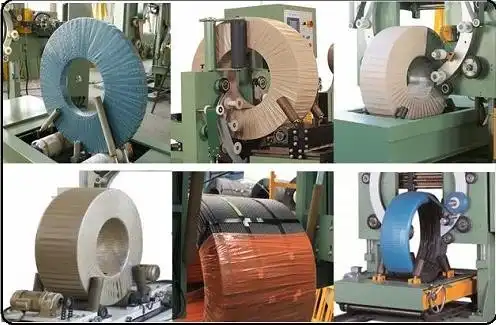
Quality control processes in steel coil packaging are systematic measures implemented to ensure that steel coils are packaged securely and effectively, preventing damage during storage and transportation. These processes encompass material inspection, defined packaging procedures, thorough testing, and meticulous record-keeping to maintain product integrity from mill to customer. This article delves into the essential quality control steps that safeguard steel coils, ensuring they arrive in perfect condition.
Let’s explore the critical quality control checkpoints in steel coil packaging that can make all the difference in protecting your valuable steel products.
Project Planning and Design for Steel Coil Packaging
Effective quality control begins long before the first coil is wrapped. It starts at the project planning and design phase, laying the groundwork for a robust packaging process.
Project planning and design for steel coil packaging is the foundational stage where all packaging requirements are defined, from material selection to procedural guidelines. This crucial step ensures that the subsequent packaging process effectively protects steel coils from environmental factors and physical damage during handling and transit, ultimately upholding product quality and minimizing losses. A well-thought-out plan is the blueprint for consistent and reliable packaging.
To truly understand the depth of quality control in steel coil packaging design, we need to break down the key elements and considerations that contribute to a successful outcome. It's not just about wrapping steel; it's about engineering a protective solution.
Deconstructing Steel Coil Packaging Design: A Multi-Faceted Approach
Designing effective steel coil packaging is not a one-size-fits-all endeavor. It requires a detailed analysis of various factors and a structured approach to ensure all critical aspects are addressed. Let's break down the essential components:
1. Requirements Definition and Material Selection
The first step is to clearly define the specific requirements for the steel coils being packaged. This includes:
- Coil Dimensions and Weight: Accurate measurements are crucial for selecting appropriate packaging materials and designing the packaging structure.
- Steel Grade and Finish: Different steel grades may have varying sensitivities to environmental factors like humidity or require specific handling to prevent surface damage.
- Transportation Mode and Distance: Whether coils are shipped by sea, rail, or road, and the distance they travel, will significantly impact the packaging strength and protection needed.
- Storage Conditions: Will the coils be stored indoors or outdoors? Will they be exposed to extreme temperatures or corrosive environments?
Based on these requirements, the appropriate packaging materials can be selected. Common materials include:
- Steel Strapping: Provides high tensile strength for securing heavy coils.
- PET Strapping: A lighter alternative to steel strapping, offering good strength and weather resistance.
- Stretch Film: Offers protection against moisture and dust while unitizing coils.
- VCI Film (Volatile Corrosion Inhibitor): Releases corrosion-inhibiting chemicals to protect steel from rust.
- Edge Protectors and Corner Boards: Prevent strap damage and distribute pressure evenly.
- Wooden Skids or Pallets: Provide a stable base for handling and transportation.
2. Packaging Structure and Design
The design of the packaging structure must consider:
- Coil Orientation: Should coils be packaged horizontally or vertically? This can impact stability and space utilization.
- Layering and Wrapping Techniques: How many layers of stretch film are needed? What strapping pattern will provide optimal security?
- Protection of Vulnerable Areas: Special attention should be given to protecting coil edges and surfaces from damage.
- Handling and Lifting Points: Packaging should be designed to facilitate safe and efficient handling using forklifts or cranes.
3. Regulatory Compliance and Standards
Steel coil packaging must comply with relevant industry standards and regulations, which may include:
- International Safe Transit Association (ISTA) Standards: Guidelines for package testing to simulate transportation hazards.
- REACH and RoHS Compliance: Regulations concerning the use of hazardous substances in packaging materials.
- Customer-Specific Requirements: Some customers may have their own specific packaging requirements that must be met.
4. Cost Optimization
While quality is paramount, cost-effectiveness is also a crucial consideration in packaging design. The goal is to achieve optimal protection at a reasonable cost by carefully selecting materials and optimizing packaging processes.
5. Design Validation and Testing
Before implementing a new packaging design, it's essential to validate its effectiveness through testing. This may involve:
- Drop Tests: Simulating drops during handling.
- Vibration Tests: Simulating vibrations during transportation.
- Compression Tests: Simulating stacking loads.
- Environmental Tests: Exposing packaged coils to extreme temperatures and humidity.
By systematically addressing these elements, manufacturers can develop robust and effective steel coil packaging designs that minimize damage, reduce costs, and ensure customer satisfaction. The table below summarizes the key aspects of steel coil packaging design:
| Design Aspect | Key Considerations | Impact on Quality Control |
|---|---|---|
| Requirements Definition | Coil dimensions, steel grade, transport mode, storage | Determines material selection and packaging structure |
| Material Selection | Steel/PET strapping, stretch film, VCI, edge protectors | Direct impact on protection against physical and environmental damage |
| Packaging Structure | Coil orientation, layering, protection of edges, handling points | Ensures stability, security, and ease of handling |
| Regulatory Compliance | ISTA, REACH, RoHS, customer-specific requirements | Guarantees adherence to safety and environmental standards |
| Cost Optimization | Material cost, process efficiency | Balances protection with economic viability |
| Design Validation | Drop, vibration, compression, environmental tests | Confirms design effectiveness and identifies areas for improvement |
By meticulously planning and designing the steel coil packaging process, companies can proactively address potential quality issues and establish a strong foundation for consistent product protection.
Material Inspection for Steel Coil Packaging
Once the packaging design is in place, the next critical step is material inspection. Using the right materials, and ensuring they meet quality standards, is paramount to effective packaging.
Material inspection in steel coil packaging involves a thorough examination of all incoming packaging materials, such as strapping, films, edge protectors, and pallets, to verify their quality and conformity to specifications. This process ensures that only high-quality materials are used, minimizing the risk of packaging failure and subsequent damage to the steel coils during handling and transportation. Compromising on packaging materials is a risk no steel manufacturer can afford to take.
To delve deeper into material inspection, we need to understand what properties are crucial and how these materials are rigorously checked.
Ensuring Packaging Material Integrity: A Detailed Inspection Process
The effectiveness of steel coil packaging heavily relies on the quality of the materials used. A comprehensive material inspection process is essential to prevent defects and ensure consistent packaging performance. Here’s a breakdown of key aspects:
1. Strapping Inspection (Steel and PET)
Strapping is critical for securing heavy steel coils. Inspection should cover:
- Tensile Strength and Elongation: Strapping must meet specified strength and elongation requirements to withstand tension without breaking or stretching excessively. Tests include tensile testing using calibrated machines.
- Width and Thickness: Dimensional accuracy ensures proper functioning with strapping tools and secure coil containment. Measurements are taken with calipers and micrometers.
- Surface Finish and Coating (for Steel Strapping): Check for rust, corrosion, or damage to protective coatings that could compromise strength or cause staining. Visual inspection and coating thickness measurements are performed.
- Joint Strength (for Pre-made Straps): Welded or clipped joints must be strong enough to hold under tension. Joint strength testing is conducted.
2. Stretch Film Inspection
Stretch film provides moisture and dust protection and helps unitize coils. Key inspection points include:
- Thickness and Width: Consistent thickness ensures uniform stretch and tear resistance. Width accuracy is important for machine application. Measured using film thickness gauges and rulers.
- Tensile Strength and Elongation: Film must stretch sufficiently without tearing to provide secure wrapping. Tensile testing is performed.
- Tear Resistance: Film should resist tearing to maintain package integrity. Tear resistance tests are conducted.
- Clarity and Puncture Resistance: Clarity allows for visual inspection of the coil after wrapping. Puncture resistance protects against sharp edges. Visual inspection and puncture resistance tests are carried out.
- Adhesion (Self-Cling): Proper cling ensures layers of film adhere together for a tight wrap. Cling tests are performed.
3. Edge Protector and Corner Board Inspection
These components protect coil edges from strap damage. Inspection should focus on:
- Material Type and Strength (Cardboard, Plastic, or Steel): Material must be appropriate for the coil weight and strapping tension. Material certification review and crush resistance tests are performed.
- Dimensions and Angle: Correct dimensions and angle ensure proper fit and edge protection. Measured with rulers and protractors.
- Surface Finish (for Steel Protectors): Check for rust or sharp edges that could damage strapping or coils. Visual inspection is performed.
4. Pallet and Skid Inspection
Pallets and skids provide a stable base for handling and transportation. Inspection includes:
- Material Type and Grade (Wood or Plastic): Material must be suitable for the coil weight and intended use. Material certification review and load-bearing tests are conducted.
- Dimensions and Construction: Accurate dimensions and sturdy construction are essential for stability. Measured with rulers and visual inspection for defects like cracks or loose nails.
- Moisture Content (for Wooden Pallets): Excessive moisture can lead to mold and weaken the pallet. Moisture content meters are used.
- Fumigation/Heat Treatment Certification (for Export): Ensure compliance with international phytosanitary standards for wooden pallets. Certification review is performed.
5. VCI Film and Desiccant Inspection
For coils requiring corrosion protection:
- VCI Concentration (for VCI Film): Verify the concentration of corrosion inhibitors is within specification for effective protection. Chemical analysis is performed.
- Desiccant Type and Quantity: Ensure the correct desiccant type and quantity are used to absorb moisture. Desiccant specification review and weight checks are performed.
- Packaging Integrity (for Desiccants): Desiccant packaging must be intact to prevent leakage. Visual inspection is carried out.
The table below summarizes the key material inspection points for steel coil packaging:
| Material | Key Properties to Inspect | Inspection Methods | Impact on Quality Control |
|---|---|---|---|
| Strapping | Tensile Strength, Dimensions, Coating | Tensile Testing, Calipers, Visual Inspection | Ensures secure coil containment and prevents strap failure |
| Stretch Film | Thickness, Strength, Tear Resistance | Thickness Gauges, Tensile Testing, Tear Tests | Provides effective moisture and dust protection, unitization |
| Edge Protectors | Material Strength, Dimensions | Crush Resistance Tests, Rulers | Prevents strap damage to coil edges |
| Pallets/Skids | Material Grade, Construction | Load-Bearing Tests, Visual Inspection, Moisture Meter | Provides stable base for handling and transport |
| VCI/Desiccants | VCI Concentration, Desiccant Type | Chemical Analysis, Specification Review | Ensures effective corrosion protection |
Rigorous material inspection is a proactive measure that prevents packaging defects before they occur. By ensuring that only quality materials enter the packaging process, manufacturers significantly reduce the risk of steel coil damage and maintain product integrity.
Defined Packaging Processes for Steel Coils
With high-quality materials secured, the next critical stage is implementing well-defined packaging processes. Consistency and precision in execution are key to reliable quality control.
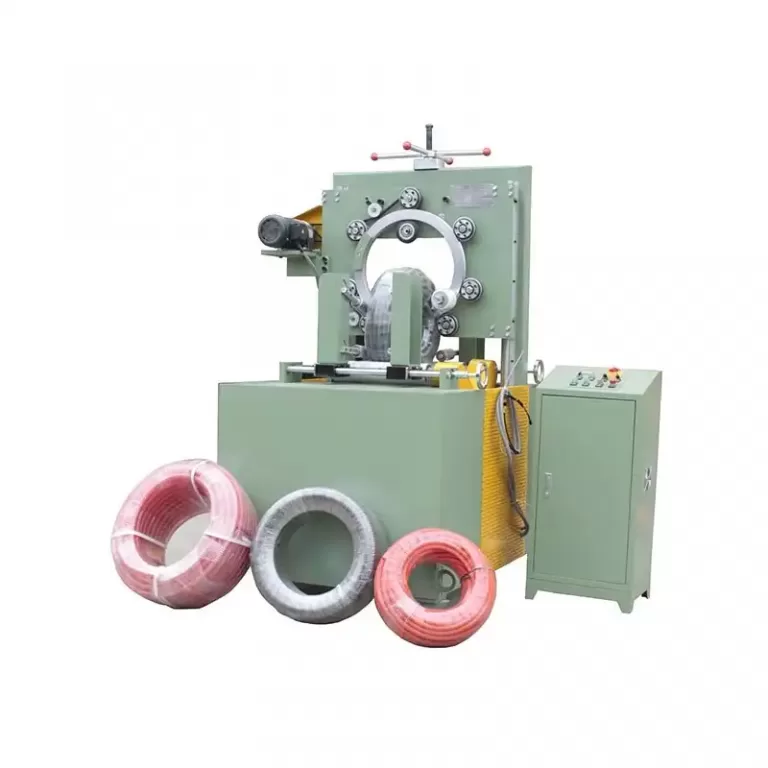
Defined packaging processes for steel coils are standardized procedures that outline each step of the packaging operation, from coil handling and wrapping to strapping and labeling. These processes ensure consistency, minimize variability, and provide clear guidelines for operators, leading to uniformly high-quality packaging and reduced risk of damage during handling and shipment. Without defined processes, even the best materials and designs can fall short.
To understand the importance of defined processes, we need to examine the typical steps involved in steel coil packaging and how standardization enhances quality.
Standardizing Steel Coil Packaging: Step-by-Step Processes for Quality Assurance
Defined processes are the backbone of consistent quality in steel coil packaging. They provide a roadmap for operators, minimize errors, and ensure that every coil is packaged to the same high standard. Let's outline the typical steps and process considerations:
1. Coil Handling and Preparation
- Safe Lifting and Transfer: Use appropriate lifting equipment (cranes, forklifts with coil rams) and trained operators to move coils safely without dropping or damaging them.
- Surface Cleaning (if required): Remove any loose debris, oil, or contaminants from the coil surface that could affect packaging adhesion or cause corrosion.
- Initial Inspection: Visually inspect coils for any pre-existing damage before packaging. Document any defects.
2. Core Protection (Optional but Recommended)
- Core Sleeves or Plugs: Insert cardboard or plastic sleeves or plugs into the coil core to prevent collapse and provide added structural support, especially for coils with large inner diameters.
3. Inner Wrap Application (Moisture Barrier)
- Material Selection: Use moisture-barrier materials like polyethylene film or VCI film for coils requiring corrosion protection.
- Wrapping Method: Apply inner wrap tightly and securely, overlapping layers to create a complete moisture barrier. Ensure proper tension and avoid wrinkles or air pockets.
- Sealing: Securely seal the inner wrap with tape or heat sealing to prevent moisture ingress.
4. Edge Protection Application
- Placement: Carefully position edge protectors around the outer and inner edges of the coil to prevent strap damage and distribute strapping pressure.
- Securement: Ensure edge protectors are firmly in place before strapping.
5. Strapping Application
- Strapping Type and Number: Select the appropriate strapping type (steel or PET) and number of straps based on coil weight, dimensions, and transportation requirements. Follow pre-defined strapping patterns.
- Tensioning and Sealing/Joining: Apply correct strapping tension using pneumatic or manual strapping tools. Ensure secure and reliable sealing or joining of strap ends using clips or welding.
- Strap Placement: Position straps evenly around the coil circumference to distribute pressure and prevent coil deformation.
6. Outer Wrap Application (Weather Protection and Unitization)
- Material Selection: Use stretch film for weather protection and unitization. Consider UV-resistant film for long-term outdoor storage.
- Wrapping Method: Apply stretch film using automated wrapping machines or manual dispensers. Overlap layers and adjust tension for a tight and secure wrap. Ensure complete coverage of the coil, including edges.
- Layer Count: Apply the specified number of stretch film layers based on protection requirements.
7. Labeling and Identification
- Label Content: Include essential information on labels such as coil ID, steel grade, dimensions, weight, production date, customer information, and handling instructions.
- Label Placement: Apply labels in clearly visible and accessible locations on the packaged coil.
- Label Durability: Use durable labels that can withstand environmental conditions and handling.
8. Final Inspection
- Visual Check: Perform a final visual inspection of the packaged coil to verify proper wrapping, strapping, labeling, and overall package integrity.
- Documentation: Record inspection results and any deviations from the defined process.
9. Palletizing and Securing to Pallet (if applicable)
- Pallet Selection: Choose pallets of appropriate size and strength for the packaged coil.
- Positioning: Center the packaged coil securely on the pallet.
- Strapping/Banding to Pallet: Strap or band the packaged coil to the pallet for added stability during handling and transportation.
The table below highlights the key defined processes in steel coil packaging and their impact on quality control:
| Process Step | Key Actions and Considerations | Impact on Quality Control |
|---|---|---|
| Coil Handling | Safe lifting, surface cleaning, initial inspection | Prevents pre-packaging damage, ensures clean packaging surface |
| Core Protection | Core sleeves/plugs (optional) | Provides structural support, prevents core collapse |
| Inner Wrap | Moisture barrier material, tight wrapping, sealing | Protects against moisture ingress, prevents corrosion |
| Edge Protection | Proper placement, securement | Prevents strap damage to coil edges |
| Strapping | Correct strap type/number, tension, secure sealing, placement | Ensures secure coil containment, prevents coil unwinding |
| Outer Wrap | Weather protection film, tight wrapping, complete coverage | Provides weather protection, unitization, dust prevention |
| Labeling | Clear content, visible placement, durable labels | Enables traceability, identification, proper handling |
| Final Inspection | Visual check, documentation | Verifies process adherence, identifies deviations |
| Palletizing | Pallet selection, securement to pallet (if applicable) | Enhances stability for handling and transport |
By implementing and rigorously following defined packaging processes, manufacturers can significantly reduce variability, minimize human error, and ensure consistent, high-quality steel coil packaging.
Record Keeping and Traceability in Steel Coil Packaging
The final, but equally critical, aspect of quality control is meticulous record keeping and ensuring traceability throughout the packaging process.
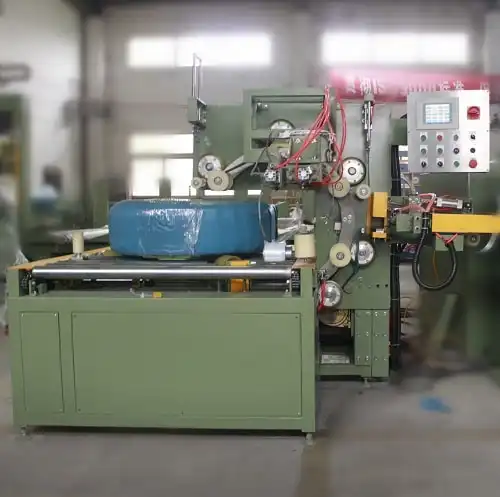
Record keeping and traceability in steel coil packaging involve documenting all relevant information about the packaging process, materials used, and inspection results, and maintaining a clear chain of custody for each packaged coil. This enables identification of the source of any packaging defects, facilitates corrective actions, and provides valuable data for process improvement and quality assurance. Without proper records, identifying and resolving issues becomes a major challenge.
Let's explore the essential elements of record keeping and how traceability enhances quality control in steel coil packaging.
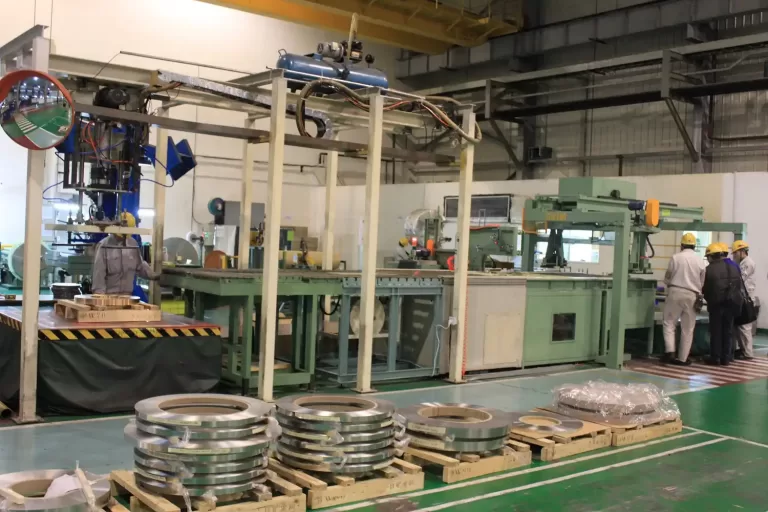
Record keeping and traceability are vital for effective quality control in steel coil packaging. Comprehensive records, including material certifications, process parameters, inspection results, and operator details, enable businesses to track each coil through the packaging process. This detailed documentation facilitates issue identification, root cause analysis, and process optimization, ensuring consistent packaging quality and minimizing potential losses from damage or non-compliance.
Effective record keeping and traceability in steel coil packaging are not just about compliance; they are powerful tools for continuous improvement and risk mitigation. Here’s a breakdown of the key components:
1. Material Traceability
- Batch Numbers and Certifications: Record batch numbers and obtain material certifications for all packaging materials (strapping, film, edge protectors, etc.). Link these records to specific packaging runs.
- Supplier Information: Maintain records of packaging material suppliers for traceability and supplier quality management.
2. Process Parameter Logging
- Machine Settings: Record key machine settings for automated packaging lines, such as strapping tension, film stretch percentage, and wrapping speed, for each production batch or coil.
- Manual Process Documentation: For manual packaging steps, document adherence to defined process parameters, such as number of strap layers, overlap percentage for film wrapping, and application sequence.
- Environmental Conditions: Record ambient temperature and humidity in the packaging area, as these factors can affect material performance and corrosion risk.
3. Inspection Records
- Material Inspection Reports: Document results of incoming material inspections, including any non-conformances and corrective actions taken.
- In-Process Inspection Checklists: Utilize checklists to record results of in-process inspections at each stage of packaging (e.g., after inner wrapping, strapping, outer wrapping). Document any defects or deviations.
- Final Inspection Reports: Document results of final inspections of packaged coils, including overall package integrity, label accuracy, and compliance with specifications.
4. Operator Identification and Training Records
- Operator Logs: Record the operators responsible for packaging each coil or batch.
- Training Records: Maintain records of operator training and qualifications to ensure personnel are competent to perform packaging tasks correctly.
5. Coil Identification and Tracking
- Unique Coil IDs: Assign unique identification numbers to each steel coil to enable tracking throughout the packaging process and beyond.
- Link Records to Coil IDs: Link all packaging records (material traceability, process parameters, inspection reports, operator logs) to the unique coil IDs.
- Database or Tracking System: Utilize a database or tracking system to manage and access packaging records efficiently.
6. Non-Conformance and Corrective Action Records
- Non-Conformance Reports: Document any packaging defects or non-conformances identified during inspections.
- Root Cause Analysis: Conduct root cause analysis to determine the underlying causes of packaging defects.
- Corrective Actions: Record corrective actions taken to address non-conformances and prevent recurrence.
- Effectiveness Verification: Verify the effectiveness of corrective actions and document results.
7. Data Analysis and Reporting
- Quality Metrics: Track key quality metrics, such as packaging defect rates, material consumption, and process efficiency.
- Trend Analysis: Analyze data to identify trends and patterns in packaging quality and process performance.
- Management Reports: Generate regular reports for management summarizing packaging quality performance and improvement initiatives.
Effective record keeping and traceability provide numerous benefits:
- Problem Identification and Resolution: Quickly identify the source of packaging defects and implement targeted corrective actions.
- Process Improvement: Data analysis reveals areas for process optimization and quality enhancement.
- Customer Complaint Resolution: Traceability allows for efficient investigation and resolution of customer complaints related to packaging quality.
- Liability Protection: Comprehensive records provide evidence of due diligence and adherence to quality standards, mitigating potential liability issues.
- Regulatory Compliance: Demonstrates compliance with industry standards and regulations related to product quality and traceability.
In conclusion, robust record keeping and traceability are not merely administrative tasks; they are integral components of a proactive quality control system for steel coil packaging, enabling continuous improvement and ensuring customer satisfaction.
Conclusion
Implementing comprehensive quality control processes in steel coil packaging is not just a best practice; it's a necessity for protecting product integrity, minimizing losses, and ensuring customer satisfaction. From meticulous project planning and rigorous material inspection to defined packaging processes and robust record keeping, each step plays a vital role in safeguarding steel coils from mill to end-user. By embracing these processes, manufacturers can confidently deliver high-quality steel products, reinforcing their reputation and securing their position in the competitive market. Investing in quality control in steel coil packaging is an investment in product excellence and long-term success, enhanced by advancements in [wire packing automation].