
Is your mold upender causing production bottlenecks? Are misaligned molds leading to costly errors? Imagine a seamless, efficient process where every flip and turn is perfectly aligned. Unlock the secret to optimizing your mold upender with precision calibration.
Regular calibration of your mold upender is essential for maintaining precision and accuracy, ensuring smooth operations and minimizing downtime. Proper calibration prevents misalignments, reduces wear and tear, and enhances the overall lifespan of your equipment. Follow these tips to keep your mold upender performing optimally.
Neglecting calibration can lead to significant operational inefficiencies and safety hazards. Let's dive into the essentials of mold upender calibration and how it contributes to a streamlined and reliable manufacturing process.
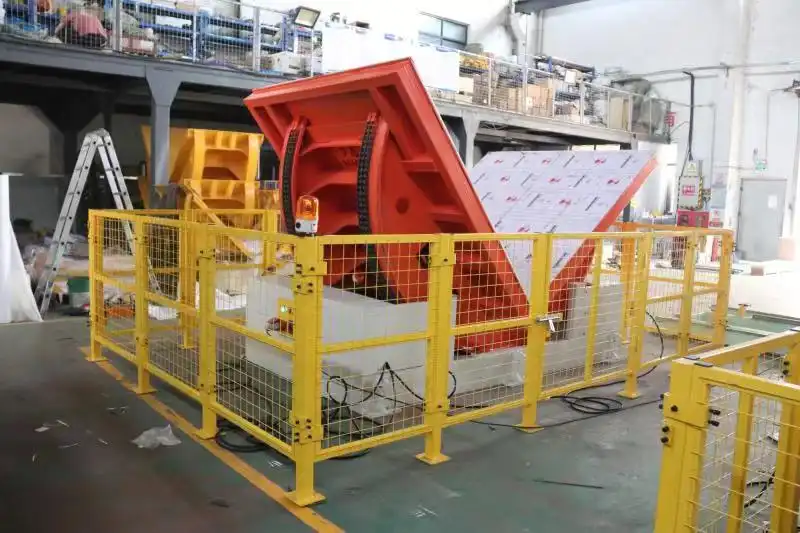
Why Is Regular Calibration Important for Steel Coil Upenders?
Precision is paramount in mold handling. Without regular calibration, your mold upender can become a source of errors, leading to costly rework and delays. Ensure operational excellence through proactive calibration.
Regular calibration of steel coil upenders is crucial for maintaining accuracy and safety, preventing misalignments, reducing wear and tear, and extending the lifespan of the equipment. It minimizes the risk of accidents, enhances efficiency, and ensures consistent performance, ultimately saving time and money.
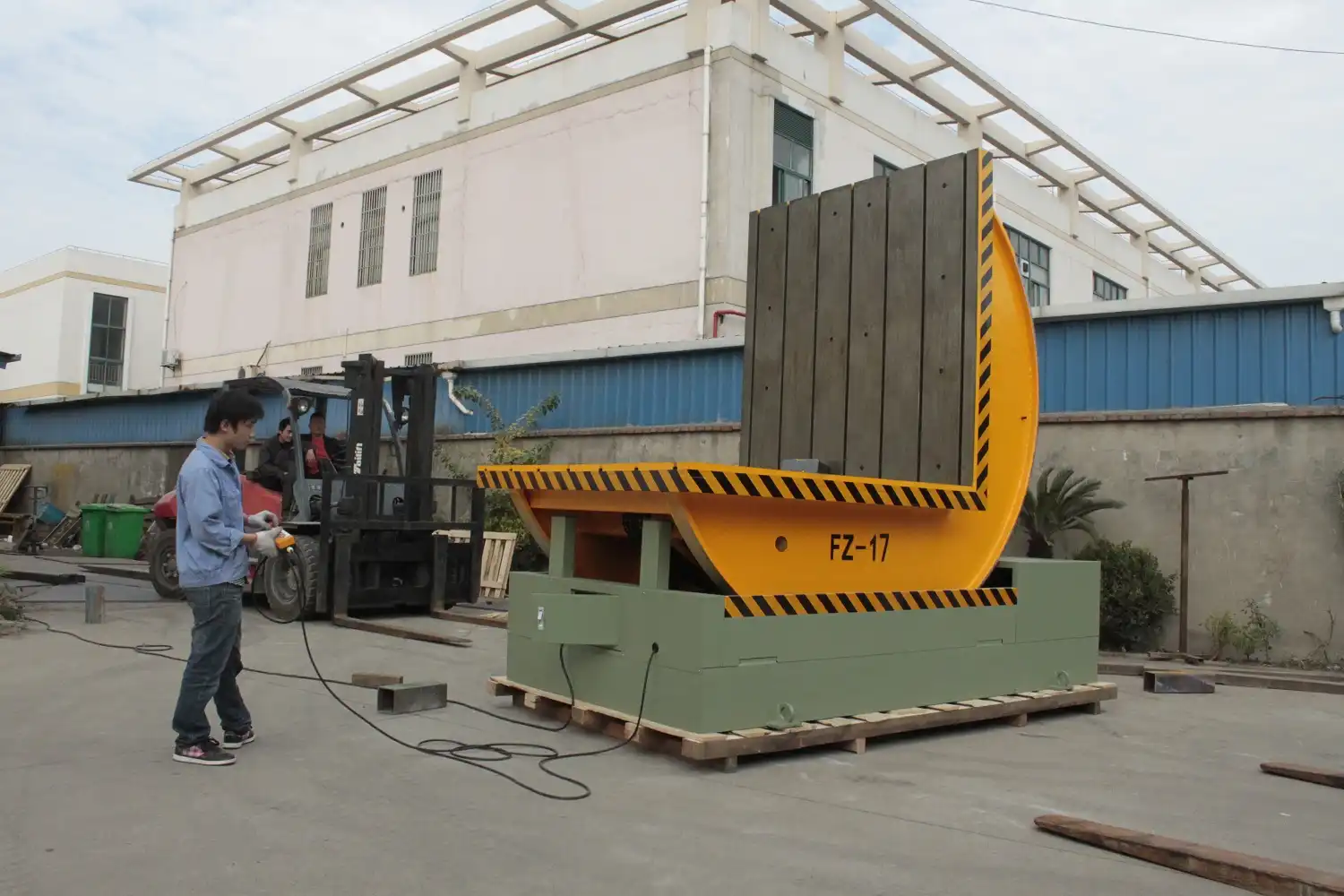
Unpacking the Calibration Necessity
Why is calibration so critical? Let's break down the potential issues arising from neglected maintenance and how calibration addresses them:
Bearings
Wear and tear on bearings can cause the upender to operate unevenly, leading to misaligned molds and potential damage.
Calibration ensures bearings are properly aligned and lubricated, reducing friction and preventing premature wear. Regular checks and timely replacements are essential.
Hydraulic Systems
Inaccurate pressure readings or leaks in the hydraulic system can affect the upender's lifting and tilting capabilities.
Calibration of pressure sensors and regular inspections for leaks ensure the hydraulic system operates within specified parameters, providing consistent and reliable performance.
Electrical Controls
Faulty electrical controls can lead to erratic movements and safety hazards.
Calibration involves checking and adjusting the electrical components, ensuring they respond accurately to commands and preventing unexpected malfunctions.
Frame Alignment
Misalignment of the frame can cause uneven load distribution and structural stress.
Calibration includes inspecting and adjusting the frame to ensure it is level and properly aligned, distributing the load evenly and preventing structural damage.
To better understand the impact of calibration frequency, consider the following table:
| Calibration Frequency | Potential Issues | Benefits |
|---|---|---|
| Neglected | Misalignments, wear, safety hazards | Increased downtime, higher repair costs |
| Annually | Minor inaccuracies, reduced efficiency | Reduced downtime, lower repair costs |
| Quarterly | Optimal accuracy, minimal downtime | Consistent performance, extended lifespan |
| Monthly | Peak performance, maximum safety | Minimal disruptions, highest operational efficiency |
As the table illustrates, investing in more frequent calibration yields significant benefits in terms of accuracy, efficiency, and safety. During my experience, I've observed numerous instances where consistent calibration schedules have prevented costly breakdowns and ensured uninterrupted production. Staying proactive with mold upender calibration secures peace of mind and a dependable production line.
What Are Key Maintenance Practices to Extend the Life of Your Upender?
Extending the life of your mold upender requires a proactive approach to maintenance. Regular inspections, lubrication, and alignment checks are key to preventing premature wear and ensuring optimal performance.
To extend the life of your steel coil upender, adopt a comprehensive maintenance routine including daily inspections for wear, weekly lubrication of moving parts, and monthly alignment checks. Pay special attention to hydraulic systems, bearings, and control panels. Proper maintenance minimizes downtime and maximizes output.
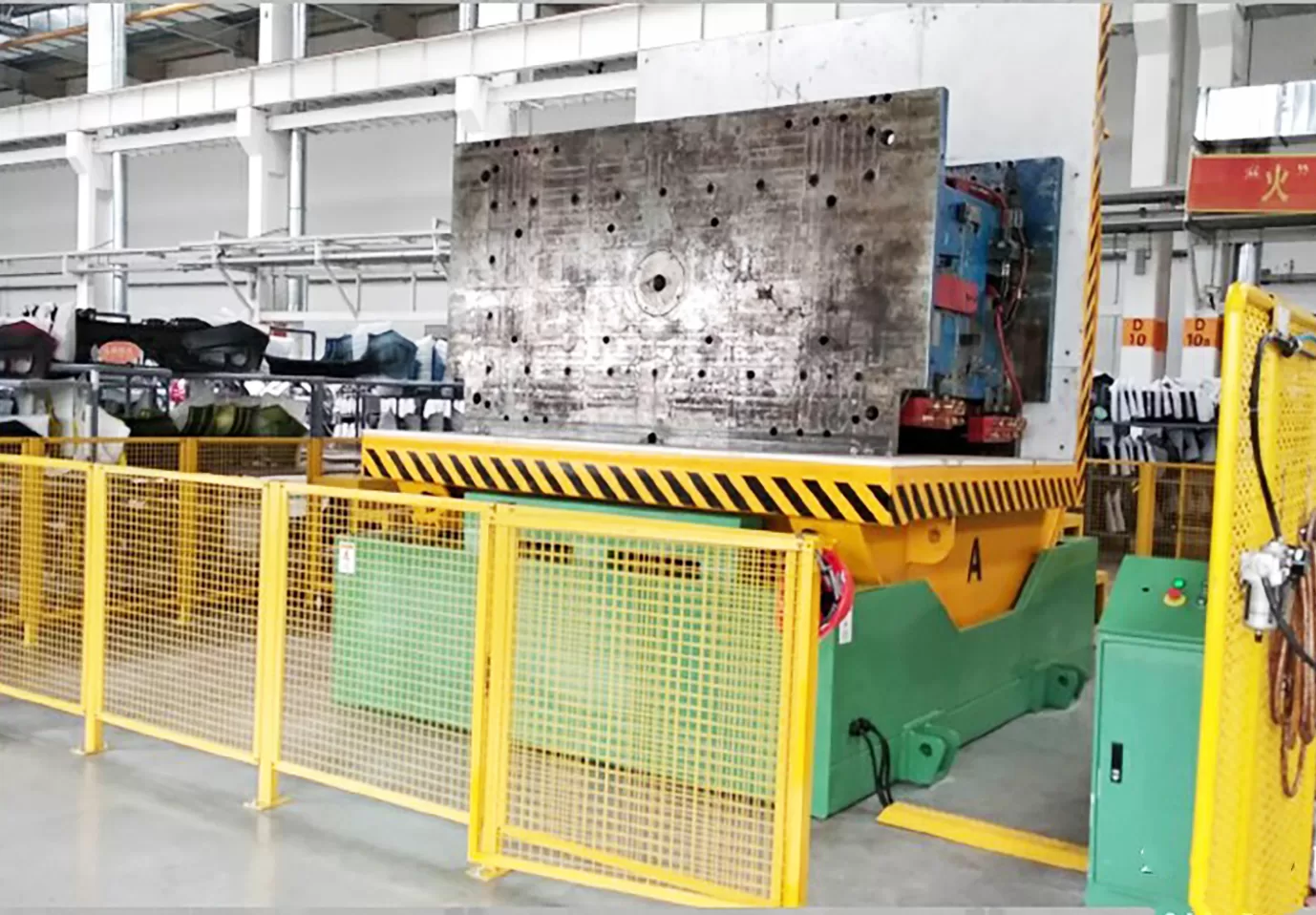
Daily, Weekly, and Monthly Maintenance Tasks
Implementing a structured maintenance plan is essential, given the complexity and demands placed on a steel coil upender. Here’s how to break it down effectively:
Daily Visual Inspections
Check for visible wear and tear, loose connections, and any unusual noises. Address minor issues promptly to prevent them from escalating into major problems.
Weekly Lubrication
Apply recommended lubricants to moving parts, such as bearings, gears, and chains. Proper lubrication reduces friction and prevents premature wear, ensuring smooth operation.
Monthly Alignment and Wear Checks
Ensure all parts are aligned correctly and check hydraulic systems for leaks or pressure inconsistencies. Address any misalignments or hydraulic issues promptly to maintain optimal performance.
Detailed Maintenance Schedule
A detailed maintenance schedule can help ensure all tasks are completed consistently and on time:
| Task | Frequency | Description |
|---|---|---|
| Visual Inspection | Daily | Check for wear, loose parts, leaks, and unusual noises. |
| Lubrication | Weekly | Apply lubricant to bearings, gears, chains, and other moving parts. |
| Alignment Check | Monthly | Verify alignment of all components; adjust as necessary. |
| Hydraulic System Check | Monthly | Inspect for leaks, pressure inconsistencies; ensure proper fluid levels. |
| Electrical System Check | Quarterly | Inspect wiring, connections, and control panels for damage or loose connections. |
| Calibration of Sensors | Annually | Calibrate pressure sensors, temperature sensors, and other critical measuring devices. |
Understanding the rationale behind each task can help prioritize efforts. For instance, daily visual inspections allow for immediate identification of potential issues before they escalate. This proactive approach reduces downtime significantly. Weekly lubrication ensures smooth operation, mitigating the risks of mechanical breakdown. Monthly tasks are more thorough, reaffirming the integrity of the machine’s core systems and structures.
How Can You Optimize the Performance of Your Steel Coil Upender?
Optimizing upender performance requires a multifaceted approach, combining regular calibration, operator training, and the use of high-quality parts. These elements work together to ensure the machinery delivers consistent, reliable results.
Optimizing the performance of your steel coil upender begins with regular calibration and thorough operator training. Using quality parts is essential for maintaining high efficiency levels. Monitor performance closely and troubleshoot issues quickly to ensure the machinery delivers optimal results consistently.
Key Strategies to Enhance Efficiency
A balanced approach to upender performance hinges on several crucial strategies. Here’s a strategic overview:
Calibration
Ensure accurate performance by regularly checking and adjusting settings to match operational needs. Calibration addresses minor discrepancies that build up over time, ensuring the upender’s precision remains unimpaired.
Operator Training
Maximize safety and efficiency by conducting regular training workshops to keep the team updated on best practices. Operator training, often underestimated, equips staff with the knowledge to handle equipment correctly, reducing error rates and prolonging lifespan.
Quality Parts
Maintain machine integrity by using OEM or premium quality parts to replace worn components. Investing in quality parts might appear costly upfront, but the benefits—reliable performance and fewer breakdowns—justify the expense.
Monitoring and Troubleshooting
Regularly monitor the performance of the upender and troubleshoot any issues quickly to prevent downtime. Proactive monitoring helps identify potential problems before they escalate, minimizing disruptions to production.
To visualize the impact of these strategies, consider the following:
| Strategy | Impact on Performance | Example |
|---|---|---|
| Calibration | Enhanced Accuracy | Regular calibration reduces misalignment, leading to more precise mold handling. |
| Operator Training | Improved Efficiency | Trained operators handle the upender more efficiently, reducing cycle times and minimizing errors. |
| Quality Parts | Increased Reliability | High-quality parts reduce the risk of breakdowns, ensuring consistent performance. |
| Monitoring | Minimized Downtime | Real-time monitoring allows for quick identification of issues, reducing downtime and repair costs. |
Software Considerations and Updates
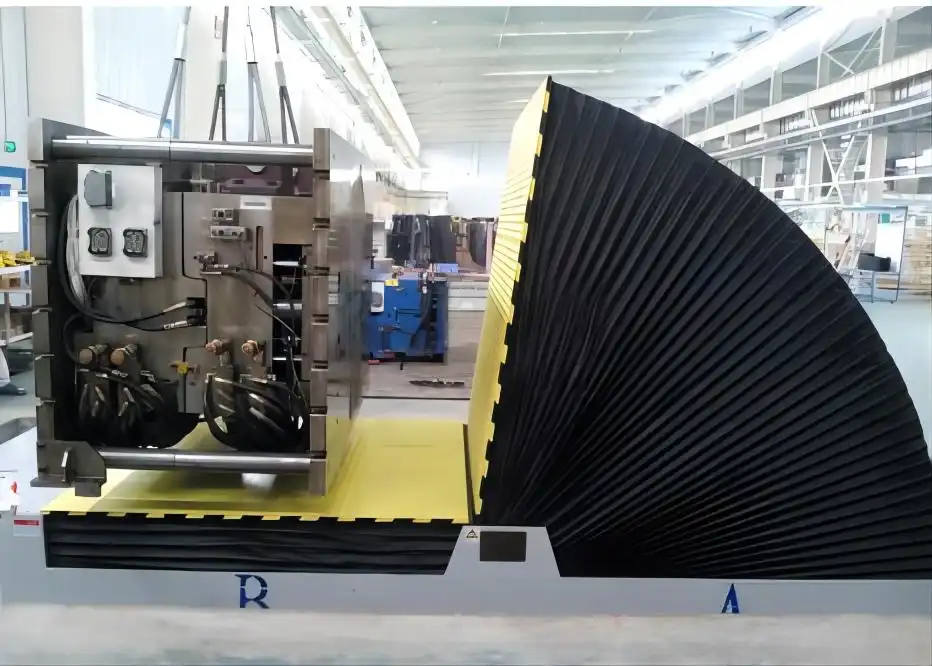
Regular software updates are essential for optimizing the performance and lifespan of your mold upender. These updates address bugs, improve functionality, and enhance compatibility with other systems, ensuring smooth and efficient operation.
Today's mold upenders often include sophisticated software for control and monitoring. It's crucial to keep this software up to date to ensure peak performance and prevent potential issues. Manufacturers regularly release updates to address bugs, improve functionality, and enhance compatibility with other systems. These updates can optimize the upender's operation and extend its lifespan. A proactive approach to software management helps avoid unexpected downtime and ensures your equipment operates at its best.
Conclusion
Maintaining precision in mold handling is paramount for efficient and reliable industrial operations. By following these expert calibration tips, you can ensure your mold upender operates at peak performance, minimizing downtime and maximizing productivity. Remember, consistent calibration translates to superior product quality and a streamlined manufacturing process.