
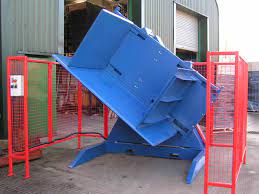
In today’s fast-paced industrial and logistics sectors, pallet inverters have become an essential tool for improving efficiency and ensuring the safe handling of goods. These machines are designed to rotate and reposition palletized loads, providing solutions for replacing damaged pallets, complying with hygiene standards, or simply streamlining storage and shipping operations. However, like any mechanical equipment, pallet inverters require proper care and maintenance to ensure they function optimally over the long term. Neglecting regular maintenance can lead to unexpected breakdowns, operational delays, and costly repairs. On the other hand, a well-maintained pallet inverter can enhance productivity, reduce downtime, and extend the life of the machine. This article will guide you through the essential aspects of pallet inverter maintenance, from understanding its importance to breaking down key maintenance practices. Whether you’re a warehouse manager, a logistics supervisor, or an equipment operator, this comprehensive guide will help you maximize the performance and longevity of your pallet inverters.
To ensure pallet inverter longevity, best practices involve regular inspections, proper lubrication, timely replacement of worn parts, consistent cleaning, strict adherence to manufacturer schedules, and thorough operator training to prevent premature wear, minimize downtime, and maximize reliable performance over the machine's lifespan. This proactive approach is fundamental to deriving maximum value and operational efficiency from your equipment investment.
Why Pallet Inverter Maintenance is Essential
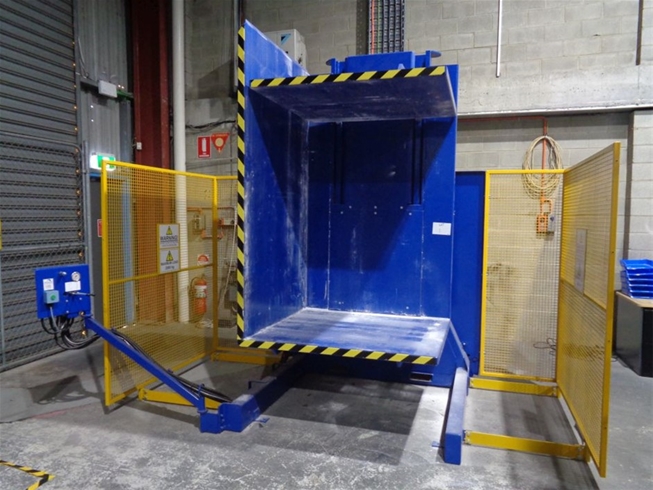
When it comes to industrial equipment, regular maintenance is not just a best practice—it’s a necessity. Pallet inverters operate under demanding conditions, handling heavy loads and performing repetitive tasks that can cause wear and tear over time. Here’s why maintaining your pallet inverter should be a priority:
Ensures Consistent Performance: A poorly maintained pallet inverter may not perform at its full capacity, leading to inefficiencies in your operations. For instance, a machine with loose clamps or a malfunctioning hydraulic system may fail to securely hold or rotate loads, increasing the risk of product damage. Regular maintenance ensures that all components are functioning correctly, allowing the machine to deliver consistent, reliable performance.
Prevents Costly Downtime: Unexpected equipment failures can bring your operations to a standstill, causing delays in product handling and shipping. This downtime not only disrupts productivity but also impacts customer satisfaction. By conducting routine maintenance, you can identify and address potential issues before they escalate into major problems, minimizing the risk of unplanned downtime.
Prolongs Equipment Lifespan: Investing in a pallet inverter is a significant expense, so it’s in your best interest to ensure the machine lasts as long as possible. Regular maintenance helps prevent premature wear and tear, allowing you to get the most out of your investment. Over time, a well-maintained machine can save you money by reducing the need for repairs or replacements.
Enhances Workplace Safety: A malfunctioning pallet inverter can pose safety risks to operators and other workers. For example, if the hydraulic clamps fail during operation, the load could shift or fall, potentially causing injuries. Routine inspections and maintenance help ensure the machine operates safely, protecting your team and maintaining compliance with workplace safety standards.
Understanding the Pallet Inverter
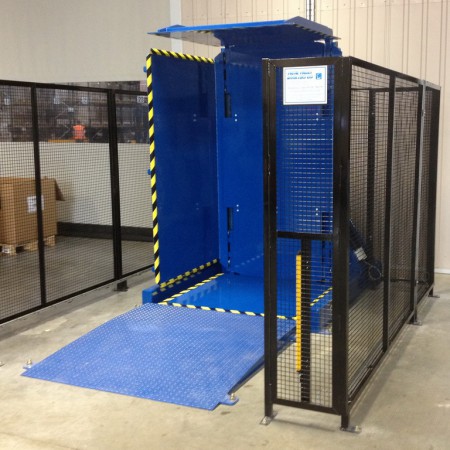
A pallet inverter is a material handling equipment designed to rotate or flip pallet loads while keeping the goods secured. It is commonly used in logistics, warehousing, manufacturing, and distribution centers to facilitate the efficient movement and storage of products. These machines offer significant advantages such as reducing manual labor, minimizing product damage, and optimizing warehouse space utilization.
The core function is achieved through key components:
- Frame: The sturdy structure providing stability.
- Clamping Mechanism: Securely holds the pallet load in place.
- Hydraulic System: Powers the rotation or flipping movement.
Maintaining these components is crucial for the inverter's reliable operation and longevity.
Common Issues That Impact Pallet Inverter Performance
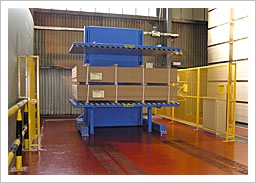
Understanding the most common problems that affect pallet inverters is the first step in preventing breakdowns and inefficiencies. While these machines are built for durability, certain factors can compromise their performance if not addressed promptly.
Hydraulic System Failures: The hydraulic system is the heart of most pallet inverters, powering the clamps and rotation mechanisms. Over time, hydraulic components such as cylinders, seals, and hoses can wear out, leading to:
- Fluid Leaks: Leaking hydraulic fluid can reduce the system’s efficiency and cause the machine to underperform.
- Pressure Drops: Insufficient pressure in the hydraulic system can prevent the clamps from securely holding the load.
- Overheating: Excessive use without proper cooling or lubrication can cause the hydraulic system to overheat, leading to potential damage.
Mechanical Wear and Tear: The repetitive movements involved in pallet inversion can cause components such as bearings, clamps, and pivot points to wear down over time. This wear and tear can lead to:
- Loose Clamps: If the clamps lose their grip, the load may shift or fall during operation.
- Misalignment: Misaligned parts can cause uneven rotation or excessive strain on the machine’s components.
- Noise and Vibrations: Unusual noises or vibrations during operation are often signs of mechanical issues that need attention.
Electrical Malfunctions: Modern pallet inverters often include electrical components such as control panels, sensors, and automated systems. Common issues include:
- Faulty Wiring: Damaged or loose wiring can disrupt the machine’s operation or cause it to stop working altogether.
- Sensor Failures: Malfunctioning sensors may result in inaccurate positioning or improper alignment of the load.
- Control Panel Errors: Faulty control panels can make it difficult to operate the machine efficiently or adjust settings.
Lack of Lubrication: Proper lubrication is crucial for reducing friction and preventing excessive wear on moving parts. A lack of lubrication can cause components to seize up, leading to mechanical failures and increased energy consumption.
Essential Maintenance Practices for Pallet Inverters
To keep your pallet inverter in peak condition, it’s important to follow a comprehensive maintenance routine. Adhering to these practices is key to achieving the longevity the equipment is designed for. Here are the most critical maintenance practices to implement:
Conduct Regular Inspections: Routine inspections are the cornerstone of effective maintenance. These inspections allow you to identify potential issues early and take corrective action before they escalate. Key areas to inspect include:
- Hydraulic System: Check for fluid leaks, pressure levels, and the condition of hoses and seals.
- Mechanical Components: Inspect clamps, bearings, and pivot points for signs of wear or misalignment.
- Electrical Systems: Test sensors, wiring, and control panels for proper functionality.
- Structural Integrity: Examine the machine’s frame and load supports for cracks, rust, or other damage.
Lubricate Moving Parts: Friction is one of the leading causes of wear and tear in mechanical equipment. To minimize friction, apply the appropriate lubricants to moving parts such as bearings, pivot points, and clamps. Be sure to use lubricants recommended by the manufacturer to avoid compatibility issues and ensure effective lubrication. Lubricating regularly reduces strain on components and prevents seizing, contributing significantly to machine lifespan.
Replace Worn Components: Even with proper maintenance, certain components will eventually wear out and need replacement. Items like hydraulic seals, hoses, bearings, or even clamp parts have finite lifespans, especially under heavy use. Keep a stock of essential spare parts to minimize downtime when replacements are required. Replacing components before they fail spectacularly can prevent cascading damage to other parts of the machine.
Keep the Machine Clean: Dust, dirt, and debris can accumulate on the machine over time, potentially interfering with its operation. For example, buildup can impede sensor function, clog hydraulic filters, or increase wear on moving parts. Regularly clean the pallet inverter, paying special attention to areas where dirt may collect, such as the hydraulic system components, clamps, and pivot points. A clean machine is easier to inspect and less prone to issues caused by contamination.
Follow the Manufacturer’s Maintenance Schedule: Every pallet inverter comes with a maintenance schedule provided by the manufacturer. This schedule is based on extensive testing and knowledge of the machine's design and the stresses it undergoes. It outlines recommended maintenance tasks and intervals based on the machine’s design and usage. Adhering to this schedule is crucial for ensuring the machine operates as intended, maintaining warranty validity, and achieving optimal longevity. Do not guess; consult the manual.
Train Operators on Proper Usage: Proper usage is a key factor in preventing unnecessary wear and tear and avoiding preventable damage. Ensure that all operators are trained on the correct way to use the pallet inverter, including:
- Loading and unloading pallets safely and evenly, respecting weight and size limits.
- Operating the control panel and adjusting settings properly for the specific load.
- Recognizing signs of potential issues, such as unusual noises, excessive vibrations, or changes in performance, and knowing when to report them.
Proper training reduces the likelihood of operational errors that can strain components and shorten the machine's life.
Tailoring Maintenance to Your Pallet Inverter Type and Usage
The specific type of pallet inverter (stationary, mobile, automatic, or manual) and its frequency of use can influence the required maintenance intensity and schedule.
- Stationary Pallet Inverters: Generally more robust and designed for high volume in a fixed location. While often requiring less frequent maintenance than mobile units, their components are subjected to consistent heavy loads. Repairs, when needed, might involve larger, more specialized parts.
- Mobile Pallet Inverters: These units offer flexibility but their mobility means components like wheels, casters, and pivot points may experience increased wear, potentially requiring more frequent inspection and lubrication.
- Automatic Pallet Inverters: The inclusion of complex electrical systems, sensors, and automated controls means that maintenance must include checks of these sophisticated components. While potentially reducing mechanical wear through precise movements, the electrical and electronic systems introduce potential points of failure requiring specialized knowledge. Maintenance of automatic systems contributes significantly to overall reliability and longevity.
- Manual Pallet Inverters: With fewer complex parts, manual inverters might have simpler maintenance requirements, primarily focusing on mechanical wear and lubrication. However, if used beyond their intended low-volume capacity, wear rates can accelerate.
Understanding your specific machine's type and how heavily it is used (light duty vs. continuous operation) allows you to tailor the manufacturer's general schedule to your operational reality, further optimizing maintenance for longevity.
The Long-Term Value: Maintenance and Total Cost of Ownership
Considering the Total Cost of Ownership (TCO) for a pallet inverter reveals just how critical proactive maintenance is for longevity and financial prudence. TCO includes the initial purchase price but also ongoing costs like maintenance, energy, and the cost of downtime.
- Reduced Repair Costs: Regular maintenance catches small issues before they become major, expensive failures. This directly lowers repair costs over the machine's life.
- Minimized Downtime Costs: By preventing unexpected breakdowns, consistent maintenance ensures the machine is available when needed, avoiding the significant costs associated with halted operations, delayed shipments, and lost productivity.
- Extended Lifespan: Proactive care delays the need for premature replacement, pushing back the significant capital expenditure of purchasing a new unit. A machine lasting 10 years instead of 7 years represents substantial savings on the initial investment spread over a longer period.
- Maintained Efficiency: Well-maintained hydraulic systems and clean, lubricated components operate efficiently, potentially reducing energy consumption over time compared to neglected machines struggling under friction or faulty pressure.
Viewing maintenance not as an expense but as an investment in the machine's TCO clarifies its importance. Investing in proper maintenance practices today significantly reduces overall costs and maximizes the useful life of the pallet inverter.
Conclusion
Maintaining a pallet inverter is not just about keeping the machine running—it’s about ensuring the efficiency, safety, and longevity of your operations. Pallet inverters are vital assets in material handling, facilitating crucial tasks like switching pallets, handling damaged goods, and optimizing storage.
By prioritizing regular inspections, understanding and addressing common issues proactively, and diligently following best practices for maintenance—including lubrication, cleaning, component replacement, adhering to manufacturer schedules, and operator training—you can significantly enhance the performance of your pallet inverter while minimizing costly downtime and premature wear.
A well-maintained pallet inverter is an investment that pays off in the long run. It contributes to smoother workflows, safer operations, and ultimately, a more efficient and cost-effective business. Whether your goal is to replace damaged pallets efficiently, comply with strict hygiene standards, or simply streamline your logistics, keeping your pallet inverter in top operational shape ensures you are always ready to meet the demands of your business effectively and reliably for years to come.