
Logistics Optimization in Steel Coil Packaging
Are you grappling with the complexities of steel coil packaging, seeking to streamline operations and minimize damage? In the demanding steel industry, efficient logistics is not just an advantage—it's a necessity. Improper handling and packaging of heavy, cumbersome steel coils can lead to significant financial losses, disrupted schedules, and dissatisfied clients. The solution? Logistics optimization in steel coil packaging, a strategic approach that ensures safe transit, reduces operational costs, and enhances customer satisfaction.
Optimizing logistics in steel coil packaging involves employing specialized techniques and technologies to address the unique challenges posed by these heavy and sensitive products. This encompasses customized packaging solutions, automated systems, and best practices in material selection, handling, and training. By implementing these strategies, businesses can significantly reduce damage, improve safety, and achieve substantial cost savings throughout the supply chain. Let's delve into the essential aspects of optimizing steel coil packaging logistics to unlock efficiency and competitive advantage.
Unique Challenges in Steel Coil Packaging
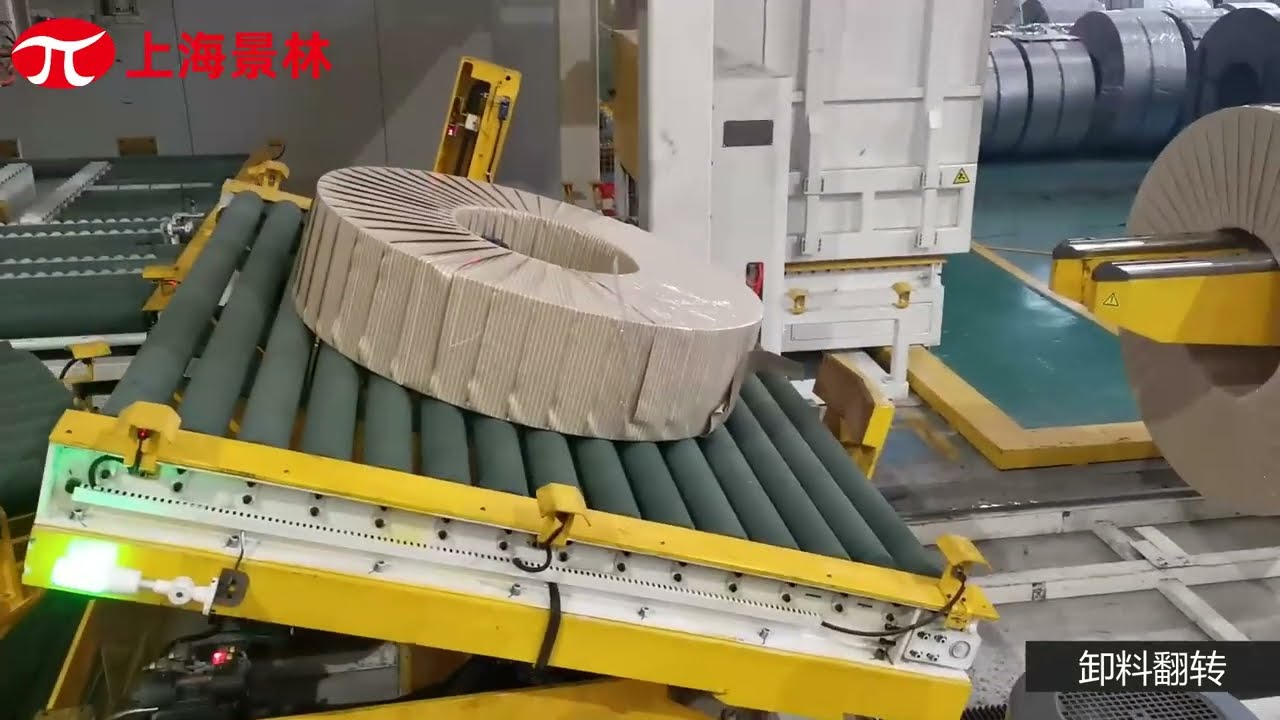
Steel coils present a formidable challenge in logistics due to their inherent properties. Their immense weight, unwieldy shape, and susceptibility to corrosion and physical damage necessitate specialized packaging and handling approaches that go far beyond standard methods. Understanding these unique challenges is the first crucial step towards effective logistics optimization.
Steel coil packaging faces unique challenges primarily due to the material's weight, shape, and vulnerability to environmental factors. The sheer weight of steel coils, often several tons, demands robust packaging capable of withstanding extreme pressure and movement during transit. Their cylindrical shape makes them prone to rolling and instability if not properly secured. Furthermore, steel is susceptible to corrosion from moisture and air exposure, necessitating protective packaging to maintain material integrity and prevent costly damage. Addressing these challenges effectively is paramount for safe and efficient steel coil logistics.
Let's explore the multifaceted nature of these challenges and delve into tailored solutions that pave the way for optimized operations and minimized risks in steel coil logistics.
Addressing the Weight, Corrosion, and Shape Trilemma

The optimization of steel coil packaging logistics hinges on effectively tackling a trilemma: weight, corrosion risk, and shape instability. Each factor independently presents significant hurdles, but their convergence demands a holistic and specialized approach.
Weight: The Heavy Burden
The extreme weight of steel coils is arguably the most defining challenge. Traditional packaging and handling methods are simply inadequate for loads that can easily exceed several tons.
| Challenge | Impact | Solution |
|---|---|---|
| Excessive Weight | Difficult and dangerous manual handling | Automated handling systems, robust pallets |
| High risk of injury during handling | Specialized lifting equipment, coil upenders | |
| Increased wear and tear on equipment | Heavy-duty machinery, regular maintenance | |
| Higher transportation costs due to weight | Optimized packaging to minimize weight |
The impact of weight cascades throughout the logistics chain. Manual handling becomes not only inefficient but also dangerously prone to accidents. The physical strain on workers increases the risk of injury, while the sheer mass necessitates robust machinery capable of withstanding continuous heavy loads. Solutions lie in automation and specialized equipment. Automated guided vehicles (AGVs) and high-capacity forklifts reduce manual intervention. Robust pallets and coil upenders ensure coils are stable and manageable during handling and transport. Moreover, optimizing packaging to minimize unnecessary weight, without compromising protection, can lead to significant reductions in transportation costs over time.
Corrosion Risk: The Unseen Threat
Steel's inherent susceptibility to corrosion poses a subtler but equally critical challenge. Exposure to moisture and air can lead to rust, degrading the quality and value of the steel coil.
| Challenge | Impact | Solution |
|---|---|---|
| Corrosion Risk | Degradation of material integrity | Protective wrapping materials (VCI, films) |
| Reduced product lifespan and value | Controlled storage environments (humidity, temp) | |
| Increased rejection rates from customers | Proper drying and surface treatment before packing | |
| Potential for claims and financial losses | Regular inspection and maintenance of packaging |
Corrosion is a silent enemy that can compromise the integrity of steel coils during storage and transit. The consequences range from reduced material lifespan and diminished value to outright rejection by customers. Preventive measures are paramount. Protective wrapping techniques, including Vapor Corrosion Inhibitor (VCI) papers and films, create a barrier against moisture and corrosive agents. Controlled storage environments, with regulated humidity and temperature, further mitigate corrosion risks. Prior to packaging, ensuring coils are properly dried and surface-treated adds another layer of defense. Regular inspections of packaging integrity throughout the logistics chain are essential to proactively address any breaches in protection.
Shape Instability: The Rolling Hazard
The cylindrical shape of steel coils introduces instability, making them prone to rolling and shifting during handling and transportation.
| Challenge | Impact | Solution |
|---|---|---|
| Shape Instability | Difficulty in stacking and securing coils | Coil upenders for vertical positioning |
| Risk of rolling during transport | Strapping and banding to secure coils | |
| Inefficient space utilization in storage | Customized pallets and cradles for stability | |
| Safety hazards during handling | Specialized handling equipment, training |
The curved shape of steel coils makes them inherently unstable. Without proper packaging and securing, coils can roll during handling, causing damage and posing safety risks. Inefficient stacking due to shape further exacerbates space utilization issues in warehouses and during transportation. Coil upenders are instrumental in addressing this challenge by allowing for vertical positioning, which significantly enhances stability. Robust strapping and banding techniques are crucial to secure coils, preventing movement during transit. Customized pallets and cradles designed to accommodate the coil's shape provide additional stability during storage and handling. Comprehensive training for personnel on safe coil handling practices is equally important to mitigate risks associated with shape instability.
Effectively addressing this trilemma – weight, corrosion, and shape – is not merely about mitigating risks; it's about unlocking significant opportunities for efficiency gains, cost reduction, and enhanced customer satisfaction in steel coil logistics.
Mitigating Damage and Ensuring Coil Integrity
Improper packaging is a critical oversight in steel coil logistics that can trigger a cascade of negative consequences. From material degradation to safety hazards and increased operational costs, the ramifications of inadequate packaging are far-reaching and significantly impact profitability and customer trust. Robust packaging solutions are therefore not just a preventative measure but a strategic investment.
Improper packaging of steel coils can lead to significant coil damage, safety hazards, and increased operational costs. Damage such as rust, dents, and deformation reduces the material's value and leads to customer dissatisfaction. Safety risks arise from unstable loads and improper handling, endangering personnel. Operationally, returns, replacements, and process disruptions drive up costs and erode efficiency. Therefore, proper packaging is crucial to safeguard product integrity, ensure safety, and maintain cost-effective logistics.
Let's examine the tangible consequences of packaging missteps and understand why investing in robust solutions is non-negotiable for safeguarding your operations and reputation.
The High Cost of Cutting Corners on Coil Protection
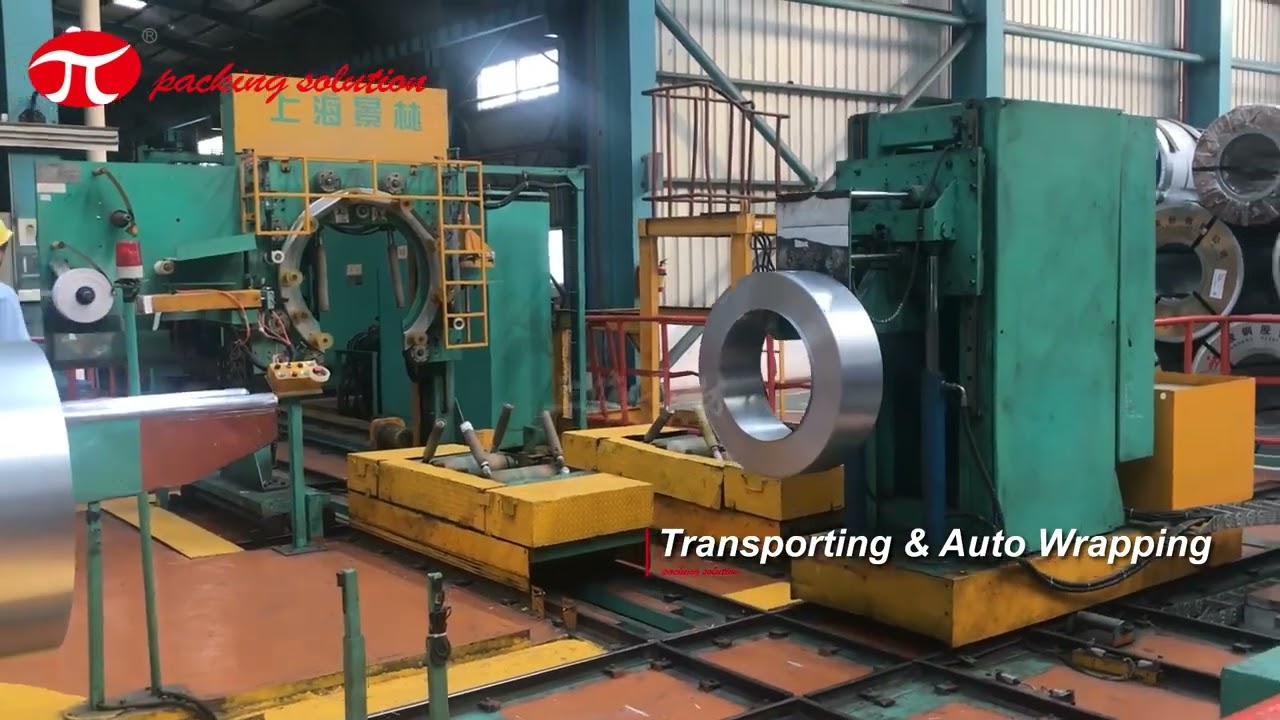
Skimping on steel coil packaging is a false economy. The apparent short-term savings are quickly overshadowed by the substantial long-term costs incurred due to damage, safety incidents, and operational inefficiencies.
Coil Damage and Quality Reduction: A 40% Increased Risk
Inadequate packaging directly exposes steel coils to environmental elements and physical impacts, leading to corrosion and physical damage.
| Issue | Cause | Effect |
|---|---|---|
| Coil Damage | Exposure to weather, mechanical impacts | Corrosion, dents, deformation |
| Insufficient wrapping, inadequate padding | Reduced material quality and value | |
| Poor handling during packaging process | Surface scratches, edge damage | |
| Quality Reduction | Compromised material integrity | Decreased performance in applications |
| Aesthetic degradation | Customer rejection, lower market price |
Studies reveal a stark reality: inadequate packaging elevates the risk of coil damage by a staggering 40%. This translates directly to material degradation, manifested as corrosion, dents, and deformations. Insufficient wrapping materials, inadequate padding, and even poor handling during the packaging process itself contribute to surface scratches and edge damage. The consequence is a tangible reduction in material quality and value. Compromised material integrity impacts the coil's performance in its intended applications, while aesthetic degradation leads to customer rejection and reduced market price. Investing in quality packaging materials and techniques is not an expense but an insurance policy against significant financial losses and reputational damage.
Safety Hazards in Handling and Transportation: 30% of Packaging-Related Incidents
Improperly packaged coils are a ticking time bomb in terms of safety. Unstable loads and inadequate protection create significant hazards during handling and transportation.
| Issue | Cause | Effect |
|---|---|---|
| Safety Hazards | Unstable packaging, loose strapping | Risk of coils falling or shifting |
| Inadequate protection from impacts | Potential for personnel injury during handling | |
| Improper weight distribution | Increased risk of accidents during transportation | |
| Personnel Risk | Manual handling of unstable coils | Strain injuries, crush injuries, fatalities |
| Lack of proper training and procedures | Increased likelihood of handling errors |
Data indicates that approximately 30% of packaging-related incidents stem directly from insufficient packaging and handling practices. Unstable packaging and loose strapping create a real risk of coils falling or shifting, endangering personnel in the immediate vicinity. Inadequate impact protection increases the potential for injuries during handling, while improper weight distribution elevates accident risks during transportation. Manual handling of unstable coils further exacerbates the danger, leading to strain injuries, crush injuries, and, in the most tragic cases, fatalities. Proper training and adherence to stringent packaging checklists are not optional but essential for mitigating these serious safety risks and ensuring a safe working environment.
Increased Operational Costs: Up to 20% Rise Due to Returns
Damaged coils inevitably lead to returns and replacements, triggering costly process disruptions and significantly elevating operational expenses.
| Issue | Cause | Effect |
|---|---|---|
| Increased Costs | Returns due to damage | Reverse logistics costs, restocking fees |
| Replacements of damaged goods | Material replacement costs, production delays | |
| Process disruptions due to returns | Schedule delays, operational inefficiencies | |
| Financial Losses | Elevated operational expenses | Reduced profitability, decreased competitiveness |
| Damage to customer relationships | Loss of future business, reputational harm |
Studies reveal that returns attributed to defects can inflate operational costs by as much as 20%. Damaged coils necessitate reverse logistics, incurring return shipping costs and restocking fees. Replacements of damaged goods add material replacement costs and trigger production delays. Process disruptions caused by returns ripple through the supply chain, leading to schedule delays and overall operational inefficiencies. These compounded costs erode profitability and decrease competitiveness. Beyond the immediate financial impact, damaged coils also damage customer relationships, potentially leading to loss of future business and long-term reputational harm. Investing in improved packaging is therefore a strategic move that directly translates to significant cost savings and enhanced customer loyalty.
Investing in proper steel coil packaging is not simply an expenditure; it's a strategic imperative that safeguards product integrity, ensures personnel safety, and minimizes operational costs. The long-term benefits of robust packaging far outweigh the short-sighted allure of cutting corners on protection.
Best Practices for Steel Coil Packaging Optimization
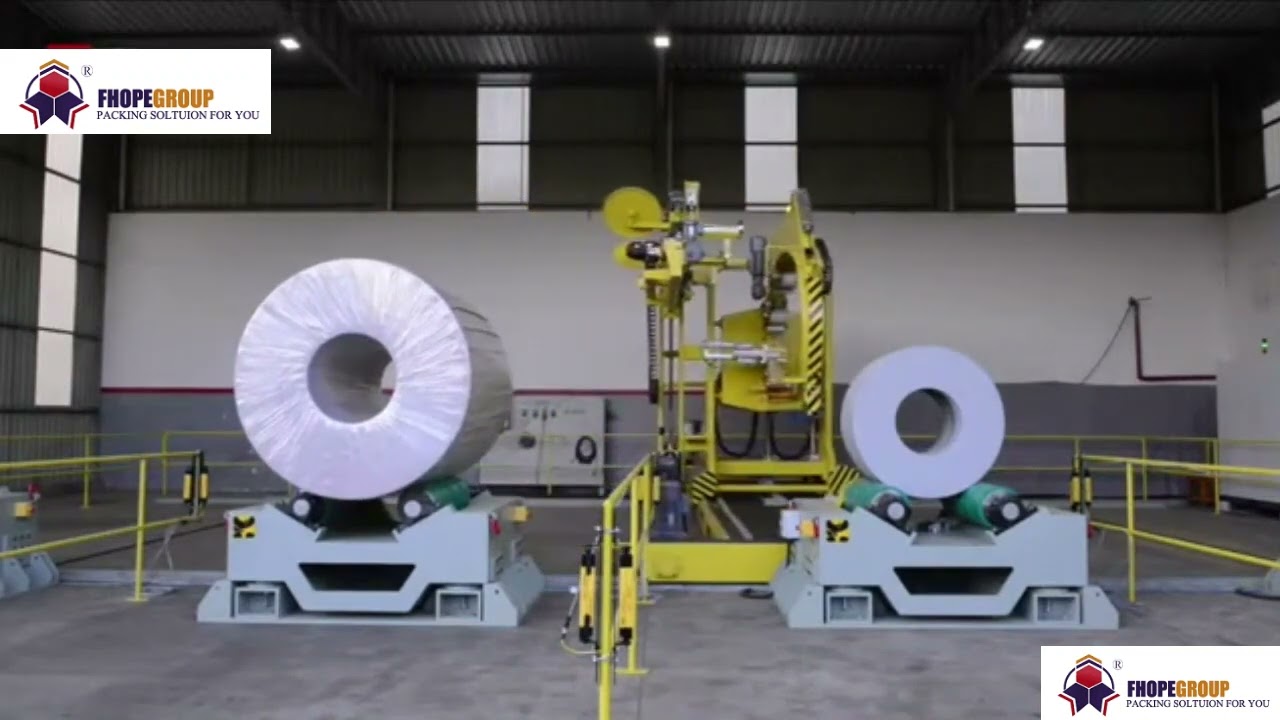
Optimizing steel coil packaging is a multifaceted endeavor that extends beyond simply wrapping coils. It requires a holistic approach encompassing material selection, automation, and continuous staff training. Implementing best practices in these key areas not only ensures superior protection but also streamlines operations, enhances efficiency, and delivers long-term cost savings.
Best practices for steel coil packaging include material selection, automation adoption, and continuous staff training. Selecting high-strength, weather-resistant materials ensures robust protection. Automation streamlines processes, reduces human error, and increases efficiency. Ongoing training equips staff with the knowledge and skills to maintain high packaging standards and adapt to new technologies. These practices collectively ensure coil integrity, enhance safety, and optimize operational workflows.
Let's explore the critical steps involved in implementing these best practices to achieve efficient, safe, and cost-effective steel coil packaging.
Steps to a Superior Steel Coil Packaging Strategy
A comprehensive strategy for optimizing steel coil packaging requires a layered approach, focusing on material excellence, automation integration, and human capital development.
Material Selection and Usage: 30% Fewer Returns with Advanced Materials
Choosing the right packaging materials is the bedrock of effective coil protection. High-strength, weather-resistant films and protective edging are not just desirable—they are essential for preventing abrasion and moisture ingress.
| Practice | Benefits | Result |
|---|---|---|
| Material Selection | Reduces corrosion and physical damage | Lower return rates, reduced damage claims |
| Weather-resistant films, protective edges | Enhanced protection during transit | |
| High-strength materials | Durable packaging, minimized tearing | |
| Material Usage | Proper application techniques | Consistent and effective protection |
| Optimized material thickness and layers | Cost-effective material utilization |
Surveys conducted in manufacturing facilities have demonstrated a compelling correlation: facilities utilizing advanced packaging materials experience 30% fewer returns. The selection of materials directly impacts the level of protection afforded to the steel coils. High-strength films resist tearing and punctures during handling, while weather-resistant films shield against moisture and environmental elements. Protective edges are crucial for preventing abrasion and impact damage to coil edges, a common vulnerability point. Beyond material selection, proper usage is equally vital. Implementing standardized application techniques ensures consistent and effective protection across all coils. Optimizing material thickness and layering based on specific coil characteristics and transit conditions allows for cost-effective material utilization without compromising protection.
Adoption of Automation: 25% Efficiency Increase and Error Reduction
Automation is no longer a futuristic concept but a present-day necessity for achieving efficiency and consistency in steel coil packaging. Automated packaging solutions ensure adherence to guidelines and precision, significantly reducing human error.
| Practice | Benefits | Result |
|---|---|---|
| Automation | Ensures consistency and precision | Reduced human error, consistent quality |
| Streamlines packaging processes | Increased throughput, faster cycle times | |
| Reduces manual labor requirements | Lower labor costs, optimized workforce | |
| Automated Systems | Coil wrapping machines, strapping systems | Efficient and secure packaging |
| Integrated control systems | Real-time monitoring, data-driven optimization |
Companies that have embraced automation in their packaging lines report tangible benefits: a reduction in packaging time and errors, coupled with a reported efficiency increase of 25%. Automated systems, such as coil wrapping machines and automated strapping systems, perform repetitive tasks with speed and precision that manual labor cannot match. This not only accelerates packaging processes but also minimizes variability, ensuring consistent packaging quality for every coil. Automation reduces reliance on manual labor, leading to significant cost savings and allowing for workforce redeployment to more value-added activities. Integrated control systems provide real-time monitoring of packaging processes, generating valuable data for continuous improvement and optimization.
Training and Skill Development: 15% Decrease in Packaging-Related Incidents
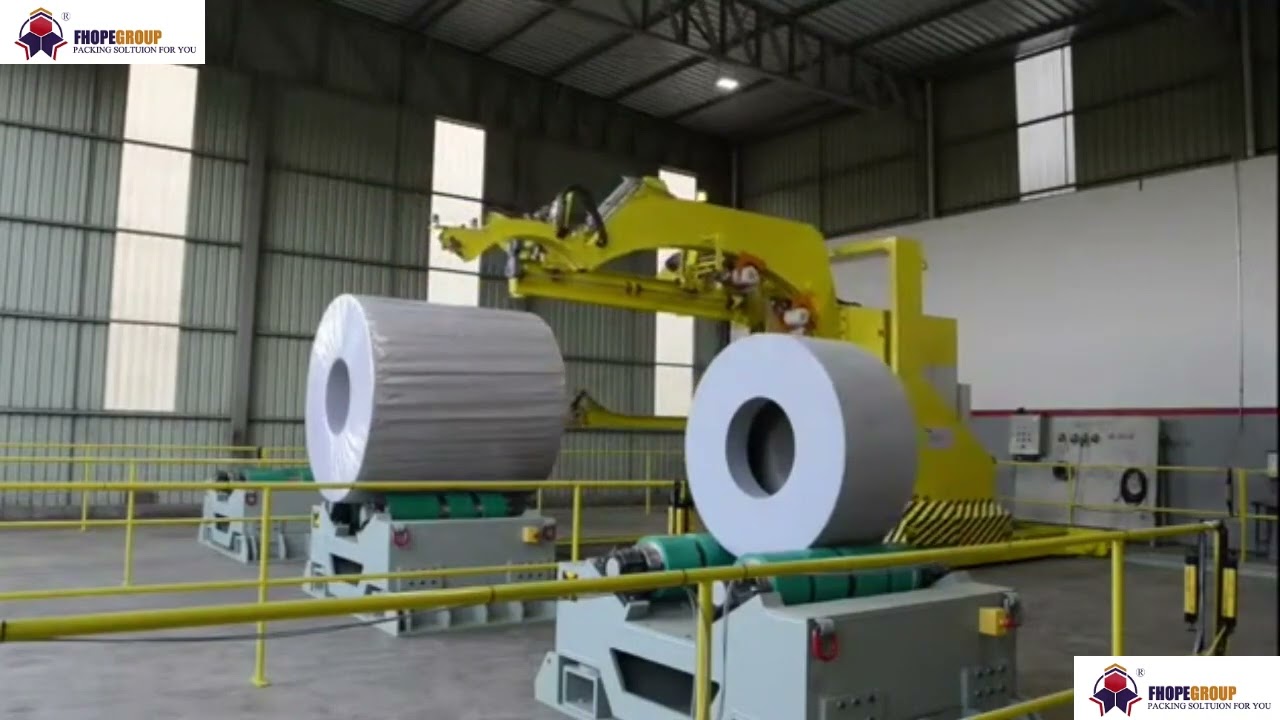
Even with advanced materials and automation, the human element remains crucial. Continuous staff training is essential for ensuring personnel are equipped to handle new materials, technologies, and evolving best practices.
| Practice | Benefits | Result |
|---|---|---|
| Training & Development | Updates staff knowledge and skills | Adaptability to new technologies and materials |
| Improves understanding of best practices | Consistent adherence to packaging standards | |
| Enhances problem-solving capabilities | Effective handling of unexpected issues | |
| Skill Development Programs | Regular training sessions, certifications | Competent and skilled packaging team |
| Knowledge sharing and continuous learning | Proactive approach to process improvement |
Regular training programs, conducted quarterly, have demonstrably decreased packaging-related incidents by 15%. Continuous training ensures that staff remains up-to-date with new packaging materials, equipment, and best practices. It fosters a deeper understanding of proper techniques, leading to consistent adherence to packaging standards and minimizing errors. Training also enhances problem-solving capabilities, equipping personnel to effectively handle unexpected issues that may arise during the packaging process. Implementing structured skill development programs, including regular training sessions and certifications, builds a competent and skilled packaging team. Encouraging knowledge sharing and fostering a culture of continuous learning further promotes a proactive approach to process improvement and ensures sustained excellence in steel coil packaging.
By meticulously implementing these best practices – material selection, automation adoption, and continuous training – businesses can transform their steel coil packaging operations from a potential vulnerability into a source of competitive advantage.
Optimizing Space and Warehouse Efficiency
Effective space utilization and streamlined warehouse management are critical components of logistics optimization in steel coil packaging. In the steel industry, where materials are bulky and storage space is often at a premium, maximizing efficiency in these areas translates directly to cost savings and improved operational flow.
Steel coil packing systems significantly optimize space utilization and warehouse management by enabling compact storage, efficient inventory flow, and real-time tracking. Automated systems reduce the need for manual handling, allowing for denser storage configurations and streamlined movement of coils within the warehouse. Effective inventory tracking and control further enhance warehouse efficiency, minimizing losses and optimizing order fulfillment processes.
Let’s explore how strategic implementation of space-saving designs and efficient warehouse practices can unlock significant gains in productivity and reduce operational overheads.
Space-Saving Design and Inventory Flow
Automated packing lines are engineered to minimize their footprint while maximizing throughput, a crucial factor in space-constrained warehouses.

Steel coil packing systems excel at optimizing space within warehousing facilities through several key design and operational features:
-
Compact Footprint: Automated packing lines are designed with a focus on minimizing spatial requirements. By integrating multiple packaging stages into a streamlined system, they reduce the overall area needed for packaging operations compared to traditional, disjointed manual setups. This compact design is crucial for facilities where space is a premium, allowing for more efficient allocation of the warehouse area for storage or other value-added activities.
-
Vertical Space Utilization: Many automated systems incorporate vertical movement and stacking capabilities, leveraging the vertical dimension of the warehouse. Automated storage and retrieval systems (AS/RS) can store coils at height, significantly increasing storage density per square foot. Coil upenders also play a role by enabling coils to be stored vertically, which is often a more space-efficient orientation for cylindrical objects.
-
Streamlined Material Flow: Automated packing lines are designed to facilitate a continuous and efficient flow of materials. Coils move seamlessly through the packaging process without bottlenecks, reducing the need for temporary storage areas within the packaging zone. This streamlined flow minimizes work-in-progress inventory and ensures that packaged coils are quickly ready for dispatch or further processing, freeing up space and reducing clutter.
-
Reduced Aisles and Handling Space: Automation reduces the need for wide aisles required for manual forklift operation and maneuvering. Automated guided vehicles (AGVs) and conveyor systems can operate in narrower spaces, optimizing layout and increasing usable storage area. The reduction in manual handling also means less space is needed for staging and operator movement, further contributing to space savings.
-
Integrated Inventory Management Systems: Many advanced steel coil packing systems are integrated with warehouse management systems (WMS) that optimize storage locations and retrieval paths. These systems ensure that space is used dynamically and efficiently, directing coils to the most appropriate locations based on factors like size, weight, and order requirements. Real-time inventory tracking prevents overstocking and understocking, ensuring that space is used optimally according to current needs.
By implementing steel coil packing systems with these space-conscious features, facilities can significantly enhance their warehouse efficiency. This optimization not only reduces storage costs but also improves throughput, reduces handling time, and contributes to a more organized and safer working environment. The result is a more productive and cost-effective operation overall, driven by intelligent space utilization and efficient material flow.
Conclusion
Logistics optimization in steel coil packaging is no longer optional—it's a strategic imperative for thriving in today's competitive steel industry. By addressing the unique challenges of weight, corrosion, and shape through tailored solutions, businesses can transform potential vulnerabilities into sources of strength. Investing in best practices, from material selection to automation and staff training, not only mitigates risks but unlocks significant gains in efficiency, safety, and cost savings. Embracing wire packing automation is the key to ensuring coil integrity, enhancing customer satisfaction, and securing a competitive edge in the dynamic global marketplace.