
Struggling with inefficient, energy-hungry mold handling? Traditional heavy steel mold upenders consume significant power and can slow down production cycles. Explore how lightweight materials offer a transformative solution, boosting performance and potentially lowering operational costs, but requiring careful consideration of trade-offs.
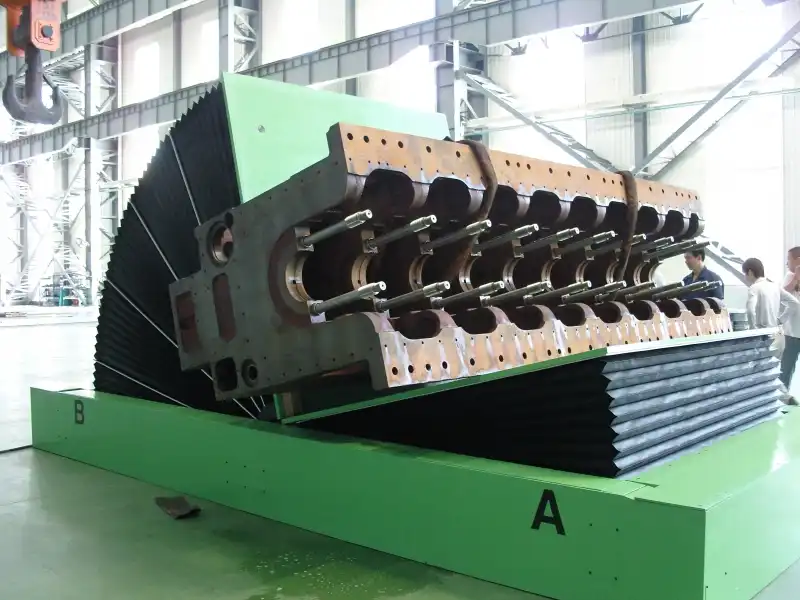
Lightweight materials in mold upenders offer benefits like reduced energy consumption, faster cycle times, and lower inertia, potentially easing installation. However, drawbacks include higher initial material and manufacturing costs, potential durability concerns under heavy industrial loads, and more complex repair processes compared to traditional steel. Applications span industries requiring precision and speed, such as automotive and aerospace manufacturing.
The shift towards advanced materials isn't just a trend; it's a strategic move impacting efficiency, cost, and operational capability in industrial equipment like mold upenders. Understanding the nuances of these materials is crucial for making informed decisions. Let's delve deeper into the specific advantages these innovations bring to the table.
The Upside: Unpacking the Benefits of Lightweight Mold Upenders
Embracing lightweight materials in mold upender design unlocks significant operational advantages. Reducing the sheer mass of these essential machines translates directly into tangible performance enhancements and efficiency gains, moving beyond the limitations imposed by traditional heavy steel constructions and paving the way for smarter, faster operations.
Key benefits of using lightweight materials in mold upenders include substantial energy savings due to lower mass requiring less force to move, leading to reduced operational costs. Faster acceleration and deceleration are achievable, shortening cycle times and boosting productivity. The decreased weight simplifies transportation, installation, and potentially reduces floor loading requirements. Furthermore, it enables more complex and responsive designs, potentially integrating advanced features without overburdening the structure, ultimately improving overall performance improvement.
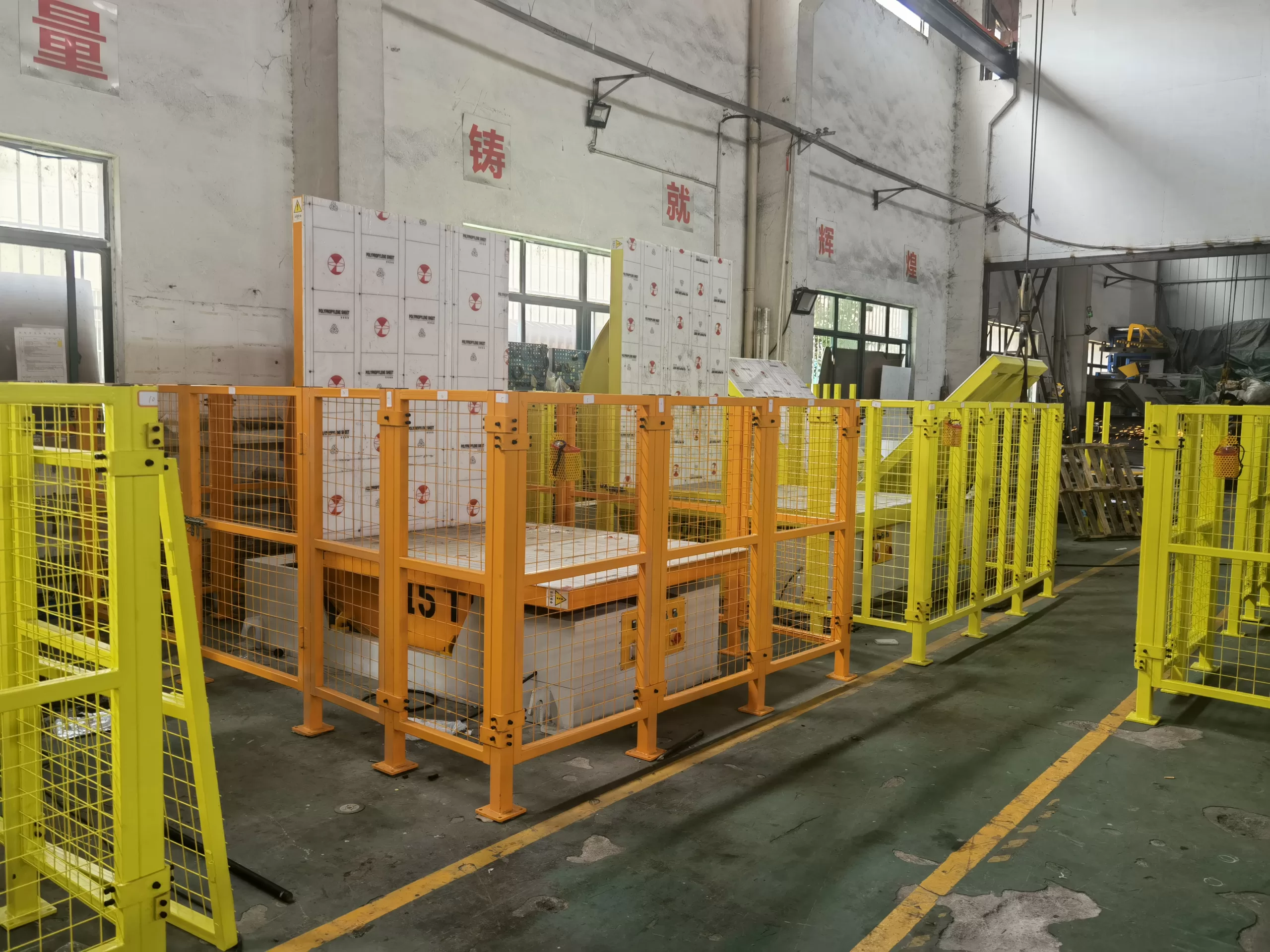
Maximizing Performance and Efficiency Through Material Science
The integration of lightweight materials is more than just shedding pounds; it's about fundamentally enhancing how mold upenders function within a production environment. By strategically replacing conventional materials like standard steel with options such as advanced high-strength steel (AHSS), aluminum alloys, or even composites, manufacturers can achieve a cascade of positive effects.
Enhanced Energy Efficiency
One of the most compelling advantages is the reduction in energy consumption. Newton's second law (F=ma) dictates that less mass requires less force (and thus less energy) to accelerate and decelerate.
- Lower Inertia: Lighter components have lower rotational and linear inertia. This means motors don't have to work as hard to start, stop, or change the direction of the upender's movement.
- Reduced Motor Size: Over time, this translates into significant energy savings. In some cases, it might even allow for the use of smaller, less power-hungry motors and drive systems, reducing both initial capital expenditure and ongoing electricity bills.
- Operational Cost Savings: A 10% reduction in rotating mass might not linearly translate to 10% energy savings due to friction and other factors, but the savings are often substantial over the lifespan of the equipment, particularly in high-cycle operations.
Improved Operational Dynamics
Speed and responsiveness are critical in modern manufacturing. Lightweighting directly contributes to:
- Faster Cycle Times: Lower inertia allows for quicker acceleration and deceleration phases of the tilting process. This shaves valuable seconds off each cycle, leading to increased throughput, especially in high-volume molding operations.
- Smoother Motion: Lighter structures can potentially reduce vibrations and enable smoother, more controlled movements, which is beneficial for handling delicate or large molds.
- Increased Agility: The overall responsiveness of the machine improves, allowing for faster adjustments and potentially integrating more complex motion profiles if required by the application.
Reduced Installation & Infrastructure Costs
The physical weight of heavy machinery impacts logistics and facility requirements.
- Easier Transportation & Rigging: A lighter mold upender is inherently easier and less costly to transport to the facility and move into its final position. Rigging requirements may be less demanding.
- Lower Floor Loading: Heavy machinery requires robust flooring, often necessitating reinforced concrete foundations. A lighter upender exerts less static and dynamic load on the factory floor, potentially reducing the need for costly foundation reinforcements or allowing installation in areas with lower load-bearing capacity.
- Simplified Maintenance Access: While material choice impacts repair (discussed later), the lighter nature of components can sometimes make them easier to handle during maintenance procedures.
Facilitating Advanced Designs
Shedding weight provides engineers with greater design freedom.
- Integration of Features: Weight saved through structural materials can be "spent" on adding advanced features like integrated sensors, automated clamping systems, or enhanced safety mechanisms without making the overall machine prohibitively heavy.
- Complex Geometries: Some lightweight materials, particularly composites, allow for the creation of complex shapes that can optimize strength and stiffness while minimizing mass, leading to more efficient structural designs that might be difficult or impossible with traditional steel fabrication.
Here’s a hypothetical comparison highlighting potential gains:
| Feature | Traditional Steel Upender | Lightweight (e.g., Aluminum Alloy) Upender | Potential Improvement | Notes |
|---|---|---|---|---|
| Approx. Weight | 5000 kg | 3000 kg | -40% | Varies greatly by design & specific material |
| Cycle Time (90° Tilt) | 45 seconds | 35 seconds | -22% | Dependent on motor/drive sizing & control tuning |
| Peak Power Draw | 30 kW | 20 kW | -33% | Highly dependent on acceleration profile |
| Installation Rigging | Heavy-duty crane | Medium-duty crane / Forklift | Easier / Cheaper | Reduced logistical complexity |
| Foundation Needs | Potentially reinforced | Standard industrial floor possible | Reduced Cost | Significant savings in new facility builds |
While these figures are illustrative, they demonstrate the significant potential for performance improvement and cost savings offered by adopting lightweight materials in mold upender design. The key lies in selecting the appropriate material and optimizing the design to leverage its specific advantages.
Weighing the Challenges: Drawbacks and Considerations
While the benefits are compelling, adopting lightweight materials in mold upenders isn't without its hurdles. These advanced materials introduce new complexities and costs that must be carefully evaluated against the potential gains, ensuring a realistic understanding before implementation.
The primary drawbacks often center on the higher initial cost of both the raw materials (like aluminum alloys or carbon composites) and the specialized manufacturing processes required (e.g., specific welding techniques, joining methods). Durability and fatigue life under the demanding, cyclical loads of heavy industrial use can be a concern, alongside challenges in repair and maintenance compared to conventional steel structures.
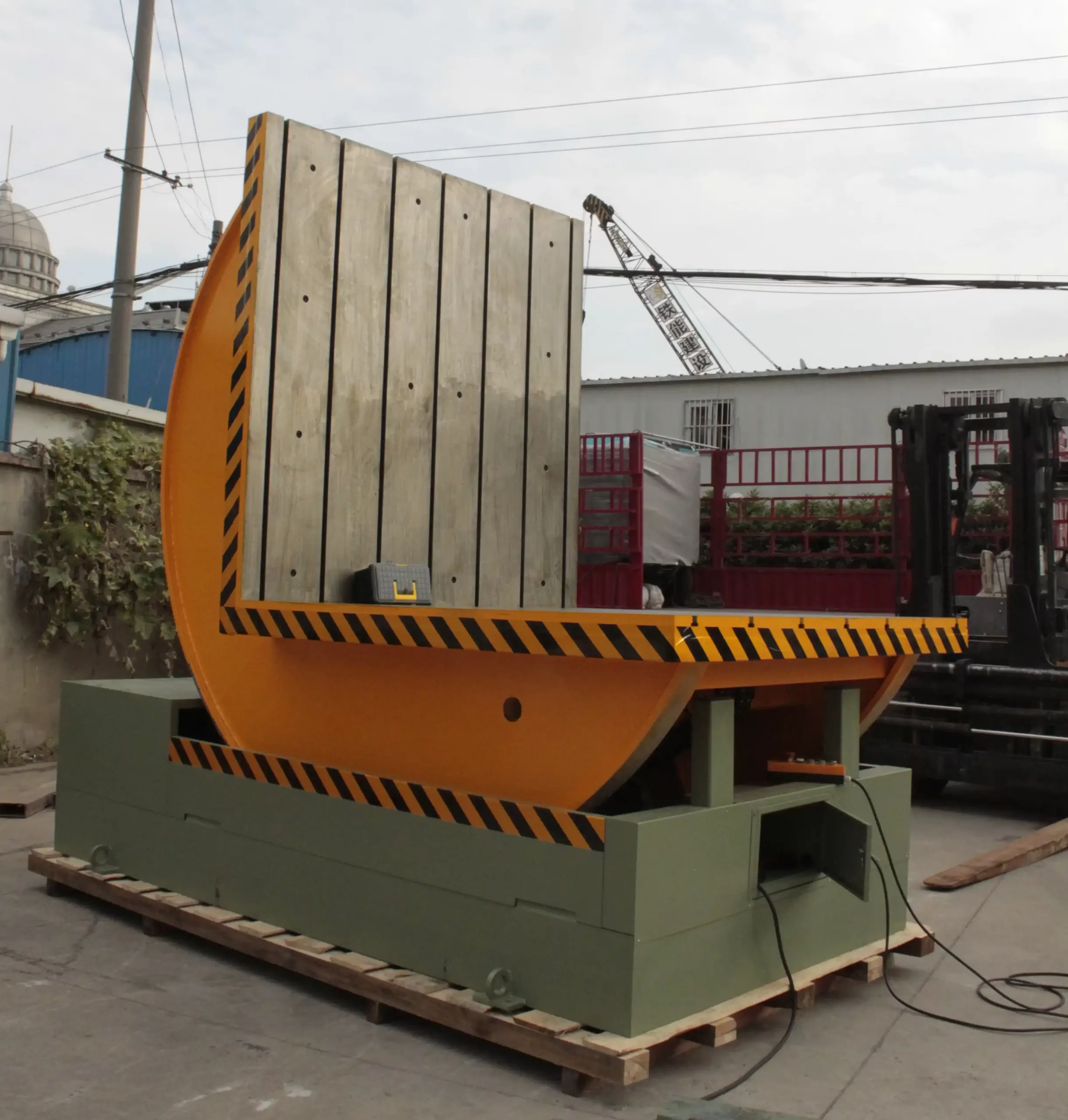
Navigating the Hurdles in Implementation
Transitioning to lightweight materials requires a thorough assessment of the associated challenges, moving beyond the initial allure of reduced weight to understand the practical and economic implications.
The Cost Factor: Initial Investment vs. Long-Term ROI
Undeniably, advanced lightweight materials often carry a higher price tag per kilogram than standard structural steel.
- Material Costs: Aluminum alloys, magnesium alloys, and especially carbon fiber composites are significantly more expensive than steel.
- Manufacturing Complexity: Fabricating structures from these materials often requires specialized equipment and techniques. For example, welding aluminum demands different skills and equipment than welding steel. Laying up composites is a labor-intensive or capital-intensive (automation) process. Machining certain lightweight alloys can also be more challenging.
- Design & Engineering: Optimizing a design to take full advantage of lightweight materials while ensuring structural integrity requires sophisticated engineering analysis (e.g., Finite Element Analysis - FEA), adding to the upfront design costs.
- ROI Calculation: The justification for the higher initial investment hinges on calculating the long-term return on investment. This includes factoring in energy savings, increased productivity from faster cycles, reduced maintenance downtime (if applicable), lower installation costs, and potentially longer equipment lifespan if designed correctly for fatigue resistance. A simple payback calculation might not suffice; a total cost of ownership (TCO) analysis is often necessary.
Material Durability and Longevity in Harsh Environments
Mold handling environments can be demanding, involving heavy loads, potential impacts, and continuous cycling.
- Fatigue Strength: While many lightweight materials boast high strength-to-weight ratios, their fatigue performance under cyclical loading needs careful consideration. Steel is well-understood in this regard; designing with aluminum or composites requires specific attention to fatigue life predictions, especially around joints and stress concentrations.
- Impact Resistance: Some lightweight materials, particularly certain composites, can be more susceptible to damage from impacts than ductile steel. Designing for impact resistance (e.g., localized reinforcement, protective shielding) might be necessary, adding weight and complexity.
- Corrosion: While aluminum forms a protective oxide layer, galvanic corrosion can be a significant issue if joined directly with dissimilar metals (like steel fasteners) in the presence of an electrolyte (even moisture). Proper material selection, isolation techniques (e.g., non-conductive washers, coatings), and environmental considerations are crucial. Magnesium alloys are particularly susceptible to corrosion and require robust protective coatings.
- Temperature Sensitivity: The performance of some polymers and composites can be affected by temperature variations common in industrial settings, impacting stiffness or strength. This needs to be factored into the design based on the operational environment.
Manufacturing and Joining Complexities
Building structures from materials other than steel introduces new manufacturing challenges.
- Joining Techniques: Welding aluminum requires different techniques (MIG, TIG) and shielding gases than steel. Joining composites often involves adhesive bonding or specialized fasteners, requiring clean surfaces and controlled curing processes. Joining dissimilar materials (e.g., aluminum frame to steel base) presents unique challenges related to differential thermal expansion and potential corrosion.
- Formability: Some high-strength lightweight materials have lower ductility than mild steel, making complex forming operations more difficult or requiring different tooling and processes (e.g., hot stamping for some AHSS or aluminum alloys).
- Quality Control: Ensuring the integrity of welds in aluminum or bonds in composites requires rigorous quality control measures, potentially involving non-destructive testing (NDT) methods that differ from those typically used for steel structures.
Maintenance, Repair, and Recyclability Issues
Maintaining and repairing equipment built with advanced materials can differ significantly from steel-based machines.
- Repair Procedures: Repairing damage to an aluminum structure often requires specialized welding skills. Repairing composites can be complex, sometimes requiring patch repairs or section replacement, which may not fully restore original strength without careful engineering. Field repairs can be more challenging than with steel.
- Specialized Expertise: Maintenance staff may require additional training to work with these materials and their associated joining/fastening systems.
- Recyclability: While materials like aluminum are highly recyclable, separating different materials in a multi-material design (e.g., steel fasteners in an aluminum frame, composite panels) can complicate end-of-life recycling efforts. Designing for disassembly can mitigate this but adds upfront complexity.
Addressing these drawbacks requires a holistic approach, integrating material science expertise, advanced engineering and simulation, specialized manufacturing capabilities, and a clear understanding of the life-cycle implications.
Material Deep Dive: Exploring Options for Mold Upenders
Choosing the wrong material can negate potential benefits or lead to premature failure. With options ranging from enhanced steels to advanced composites, understanding the specific pros and cons of each candidate material is critical for optimizing mold upender design and performance.
Key lightweight materials suitable for mold upenders include Advanced High-Strength Steels (AHSS) for incremental weight reduction with good manufacturability, Aluminum Alloys offering significant weight savings and good corrosion resistance, and Carbon Fiber Composites providing the highest strength-to-weight ratio but at a premium cost. Magnesium alloys represent an ultra-light option, though challenges remain.
Material Selection: A Balancing Act of Performance, Cost, and Manufacturability
The ideal material choice for a mold upender depends heavily on the specific application requirements, budget constraints, and manufacturing capabilities. There's no single "best" material; rather, it's about finding the optimal balance.
Advanced High-Strength Steels (AHSS): The Incremental Step
AHSS represents an evolution from traditional mild steels, offering improved strength allowing for thinner sections and thus, moderate weight reduction (potentially 15-25% for certain components) without drastically changing manufacturing processes.
- Pros: Relatively low cost compared to other lightweight options, high stiffness, good fatigue performance, generally compatible with existing steel manufacturing infrastructure (welding, forming, painting). Well-understood properties.
- Cons: Weight savings are less dramatic than aluminum or composites. Higher strength grades can have reduced ductility, potentially complicating forming of complex shapes and increasing tool wear. Welding may require adjusted parameters compared to mild steel.
- Application in Upenders: Suitable for structural frame elements where moderate weight reduction is desired without a complete shift in manufacturing paradigm or significantly increased cost. Could be used for reinforcing specific high-stress areas while using lighter materials elsewhere.
Aluminum Alloys: The Established Lightweight Champion
Widely used in aerospace and automotive, aluminum offers a significant density reduction compared to steel (roughly one-third the weight) while providing good strength and corrosion resistance.
- Pros: Excellent strength-to-weight ratio, good stiffness, naturally corrosion resistant (forms protective oxide layer), highly recyclable. Mature technology with well-understood processing techniques (though different from steel). Can be extruded into complex profiles.
- Cons: Higher material cost than steel. Lower stiffness than steel (requires careful design, potentially thicker sections in some areas to maintain rigidity). Welding requires specialized techniques (MIG/TIG, different shielding gas, attention to heat distortion). Potential for galvanic corrosion when joined with steel. Lower fatigue strength than steel requires careful design consideration.
- Application in Upenders: Ideal for major structural components like the main frame, tilting platform, and support arms where significant weight reduction is a primary goal. Extruded profiles can be used efficiently.
Composites (CFRP - Carbon Fiber Reinforced Polymers): The High-Performance Frontier
Composites, particularly CFRP, offer the highest strength-to-weight and stiffness-to-weight ratios, enabling potentially dramatic weight reductions (up to 50-70% vs. steel for some parts).
- Pros: Exceptional specific strength and stiffness. Excellent fatigue resistance. Ability to tailor material properties directionally. Can be molded into complex aerodynamic or structurally optimized shapes. Corrosion resistant.
- Cons: Very high material and manufacturing costs. Manufacturing processes (layup, curing) can be slow and complex, often requiring specialized tooling (molds). Susceptible to impact damage if not designed appropriately. Repair is complex and requires specialized knowledge. Joining composites to metal structures requires careful design (bonding, specialized fasteners). End-of-life recycling is challenging.
- Application in Upenders: Likely reserved for high-performance or specialized applications where minimal weight and maximum stiffness are paramount, and cost is a secondary concern. Could be used for specific components like long rotating arms where minimizing inertia is critical, or in applications requiring non-magnetic properties.
Magnesium Alloys: The Ultra-Light Option
As the lightest structural metal, magnesium offers potential for significant weight savings (up to 70% vs. steel).
- Pros: Lowest density, high specific stiffness. Good machinability. Amenable to die casting for complex shapes.
- Cons: Highest cost among common structural metals. Highly susceptible to corrosion (requires robust coating systems). Lower absolute strength and fatigue properties compared to aluminum or steel. Can be flammable under certain conditions (machining requires care). Joining can be challenging. Limited ductility.
- Application in Upenders: Niche applications. Potentially for smaller components, covers, or housings where structural demands are lower, and maximum weight savings are needed, provided corrosion protection is meticulously addressed. Less likely for primary load-bearing structures in typical heavy mold upenders.
Here's a comparative overview:
| Material | Relative Density (vs. Steel=1) | Relative Strength (Approx.) | Relative Stiffness (Approx.) | Relative Cost Factor | Manufacturing/Joining Complexity | Corrosion Resistance |
|---|---|---|---|---|---|---|
| Mild Steel | 1.0 | Baseline | Baseline | Low | Low | Poor (requires coating) |
| AHSS | ~1.0 | Higher | Similar | Low-Moderate | Moderate | Poor (requires coating) |
| Aluminum Alloys (6061) | ~0.35 | Moderate-High | Lower | Moderate-High | High | Good |
| CFRP (Typical) | ~0.20 | Very High | High | Very High | Very High | Excellent |
| Magnesium Alloys (AZ91) | ~0.23 | Lower-Moderate | Lower | High | High | Poor (requires coating) |
The choice often involves multi-material design strategies, using the right material for the right component to achieve the best overall balance of performance, weight, cost, and durability tailored to the specific mold upender's operational requirements.
Real-World Applications and Future Trends
Lightweight materials aren't just theoretical concepts; they are actively being explored and implemented in mold upenders designed for specific demanding environments. From high-speed automotive lines to precision aerospace manufacturing, the drive for efficiency and performance pushes the boundaries of material science in industrial machinery.
Lightweight mold upenders find practical applications in industries where cycle time is critical (automotive), mold complexity and weight vary significantly (custom molding), floor loading is restricted, or enhanced precision is required (aerospace, medical). Future trends point towards multi-material optimization, integration of smart sensors for predictive maintenance facilitated by lighter structures, and potentially more modular or portable upender designs.
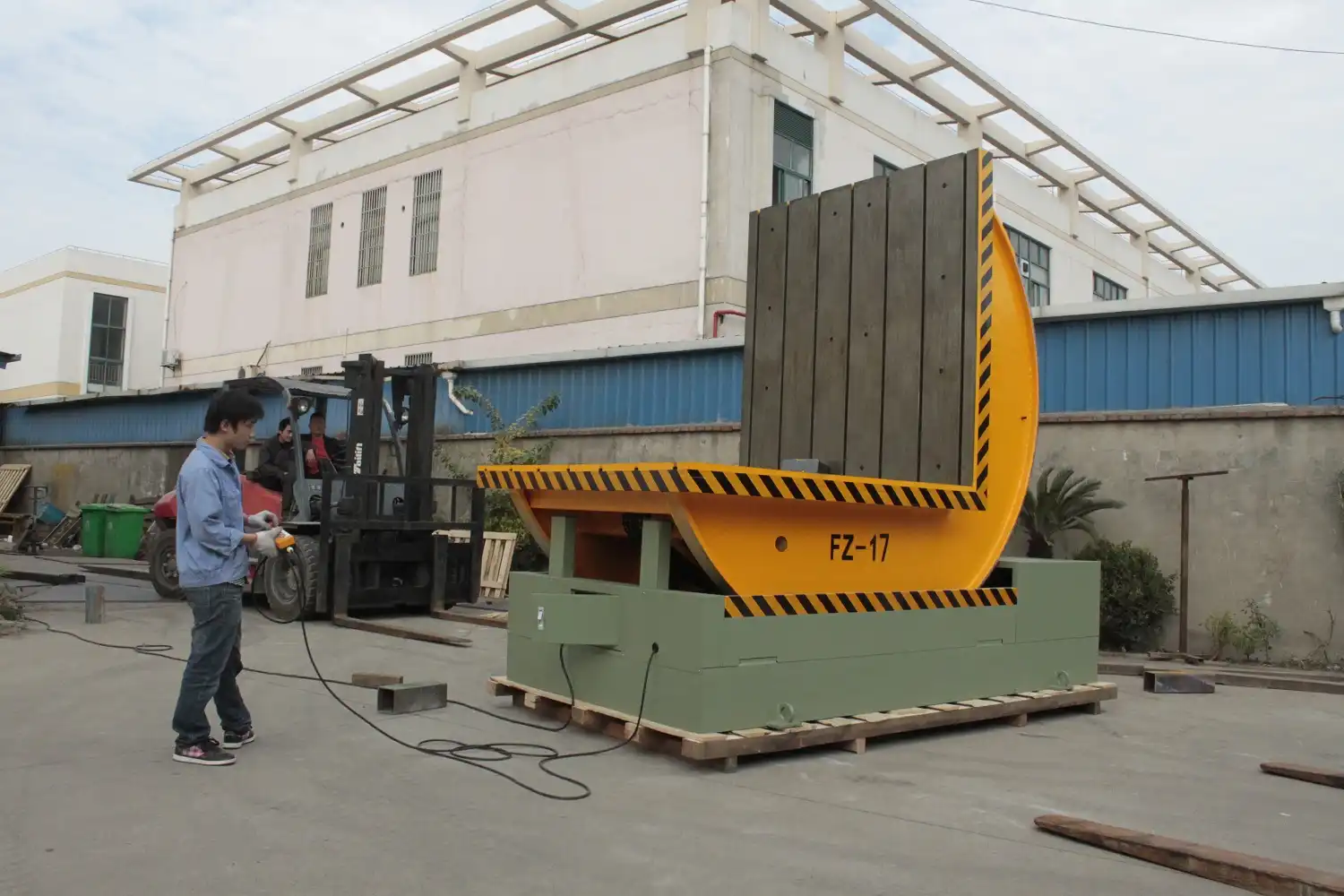
The adoption of lightweight materials is enabling mold upenders to meet increasingly stringent operational demands across various sectors. In automotive manufacturing, where high throughput is essential, the faster cycle times afforded by lighter, quicker-accelerating upenders can directly translate to increased production capacity. Reducing the energy consumption per cycle also contributes to sustainability goals and lower operational expenses on lines running 24/7. The ability to handle potentially larger but weight-optimized molds for components like bumpers or dashboards without requiring excessively large and slow machinery is another driver.
In the aerospace industry, molds can be extremely large and complex, yet require precise handling. Lightweight upenders, potentially utilizing composites for long arms or structures, can offer the necessary stiffness and control while minimizing the inertia that needs to be managed, contributing to positional accuracy. Furthermore, facilities might have specific floor loading constraints, making lighter machinery advantageous.
For custom molding operations or tool and die shops, where molds of vastly different sizes and weights are handled frequently, a lighter, more agile upender can offer greater flexibility. Reduced installation complexity also benefits shops that might need to reconfigure layouts more often than large-scale production lines.
Medical device manufacturing often involves cleanroom environments and requires precise, smooth handling of molds for components like implants or diagnostic equipment parts. Lighter upenders with potentially smoother operation (due to reduced vibration) and the possibility of using materials less prone to particle generation (compared to some traditional mechanisms) can be beneficial.
Future Trends are evolving beyond simply replacing steel:
- Multi-Material Design: The most effective solutions will likely involve optimized designs using a combination of materials – perhaps an AHSS base for cost-effective rigidity, aluminum alloy frames for significant weight reduction, and composite elements only where extreme stiffness-to-weight is critical and cost-justified. Computational design tools and advanced simulation (FEA) are crucial for optimizing these hybrid structures.
- Smart Integration: Lighter structures are often more sensitive to changes in load or developing faults. This makes them ideal candidates for integrating sensors (strain gauges, vibration sensors, temperature sensors) linked to IoT platforms for real-time monitoring and predictive maintenance. Identifying potential issues before failure becomes even more critical with potentially less forgiving materials or more complex repair processes.
- Enhanced Automation: Lightweight upenders integrate more seamlessly into fully automated production cells. Their lower inertia and potentially faster response times are better suited for robotic loading/unloading and coordination with other automated guided vehicles (AGVs) or systems.
- Sustainability Focus: Beyond operational energy savings, the life cycle impact of materials is gaining importance. While aluminum is highly recyclable, advancements in composite recycling and the use of bio-based composites might influence future material choices. Designing for easier disassembly will be key.
- Modular and Portable Designs: Significant weight reduction could open possibilities for more modular upender designs, easier to ship, assemble, and potentially even reconfigure or relocate within a facility, offering greater operational flexibility.
The journey towards lightweight mold upenders mirrors trends in vehicles and aircraft – a continuous effort to do more with less, driven by demands for efficiency, performance, and sustainability, enabled by ongoing advancements in material science and manufacturing technology.
Conclusion
The integration of lightweight materials presents a significant opportunity for innovation in mold upender design. While traditional steel construction offers familiarity and lower initial cost, materials like advanced high-strength steel, aluminum alloys, and composites provide compelling advantages in energy efficiency, operational speed, and potentially reduced infrastructure requirements. However, these benefits must be carefully weighed against drawbacks such as higher material and manufacturing costs, potential durability concerns under industrial stress, and increased complexity in maintenance and repair. The optimal solution often lies in a nuanced, application-specific approach, potentially utilizing multi-material designs guided by robust engineering analysis. As industries continue to demand higher performance and sustainability, the strategic use of [Lightweight materials]() will undoubtedly play a crucial role in the evolution of mold handling technology.