
Are you struggling with heavy molds, risking injury and slowing down production? Imagine effortlessly rotating molds, improving safety, and boosting efficiency. Installing a hydraulic mold upender could be the solution you've been searching for.
Installing a hydraulic mold upender involves careful planning, precise execution, and a thorough understanding of safety protocols. This guide provides a detailed, step-by-step process to ensure a smooth and successful installation, optimizing your workflow and minimizing downtime. Following this guide ensures efficient and safer mold handling, reducing strain and accidents.
Ready to transform your mold handling process? Let's dive into the installation process.
%[alt with keywords]
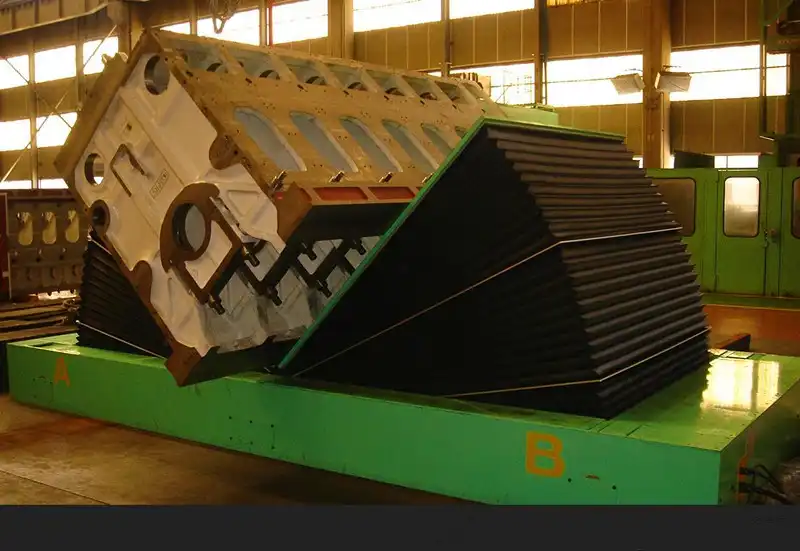
What is a Hydraulic Mold Upender and Why Install One?
A hydraulic mold upender is a crucial piece of equipment designed to safely and efficiently rotate heavy molds used in manufacturing processes. It streamlines operations by allowing easy access to different mold faces for maintenance, repair, or modification, significantly reducing downtime and enhancing overall productivity. By minimizing manual handling, it also enhances worker safety, preventing potential injuries from lifting or maneuvering heavy objects.
Before we delve into the installation steps, let's explore the fundamental components and operational principles that make a hydraulic mold upender so effective.
Understanding Hydraulic Mold Upender Components
Before diving into the installation, a clear understanding of the components is essential. The hydraulic mold upender consists of several key elements.
A hydraulic mold upender comprises a sturdy base, rotating platform, hydraulic cylinders, and a control system to ensure safe and controlled rotation of heavy molds. It significantly enhances productivity and safety by reducing the need for manual handling. Proper understanding of these components is vital for a smooth and efficient installation, which directly impacts its reliable and safe operation.
%[keywords]
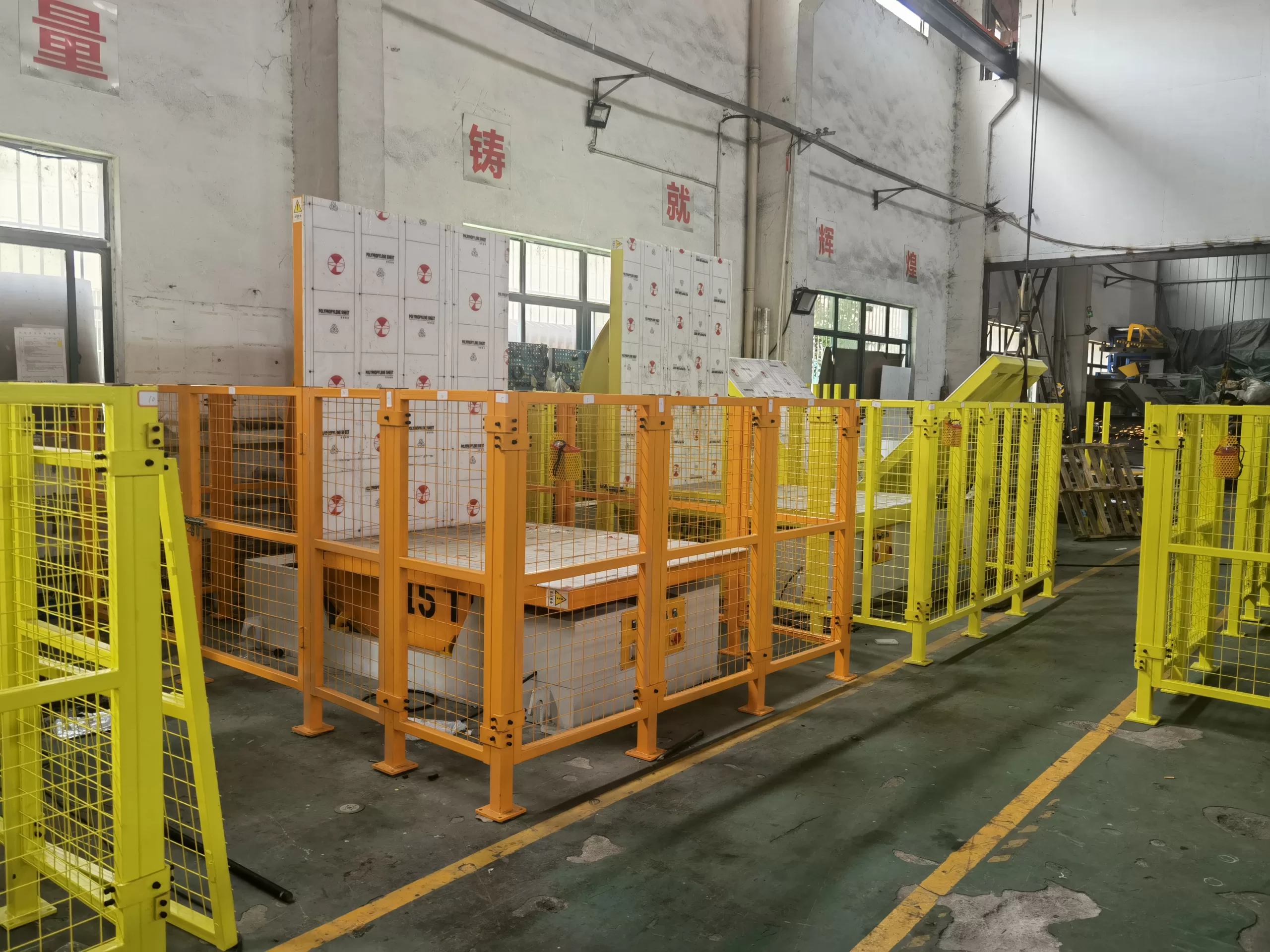
Dive Deeper: Types of Hydraulic Mold Upenders and Their Applications
Hydraulic mold upenders are not one-size-fits-all; they come in various designs tailored to specific applications. Selecting the right type is crucial for optimizing your operations.
Key Considerations for Choosing the Right Upender
Choosing the right hydraulic mold upender can be a complex decision. Here's a structured approach to help you make an informed choice.
Load Capacity
- Problem: Overloading the upender can lead to equipment failure and safety hazards.
- Solution: Calculate the maximum weight of the molds you will be handling. Select an upender with a load capacity that exceeds this weight, providing a safety margin.
Rotation Angle
- Problem: Some molds require full 360-degree rotation, while others only need 90 or 180 degrees.
- Solution: Determine the necessary rotation angle for your molds. Choose an upender that offers the required range of motion.
Platform Size
- Problem: Molds that are too large for the platform can be unstable and dangerous.
- Solution: Measure the dimensions of your largest molds. Select an upender with a platform size that can comfortably accommodate these molds, ensuring stability during rotation.
Space Constraints
- Problem: Limited floor space can restrict the type of upender you can install.
- Solution: Assess the available space in your facility. Consider compact upender designs or models that can be integrated into your existing workflow.
To illustrate, consider the following table comparing different types of hydraulic mold upenders:
| Feature | Standard Upender | Tilting Upender | Rotating Table Upender |
|---|---|---|---|
| Rotation Angle | 90 degrees | 180 degrees | 360 degrees |
| Load Capacity | Up to 10 tons | Up to 5 tons | Up to 3 tons |
| Platform Size | Customizable | Fixed | Smaller |
| Application | General mold handling | Mold maintenance | Precision positioning |
| Space Requirement | Moderate | Low | Low |
It's also essential to consider the hydraulic system itself. Here’s a breakdown of hydraulic system pressure considerations:
- Pressure Requirements: Understand the required hydraulic pressure for safe mold turning.
- Pressure Relief Valve: The pressure relief valve should not be adjusted without authorization from the manufacturer.
- Factory Testing: Upenders are factory tested at their maximum capacity.
Selecting an upender with compatible power requirements ensures seamless integration with your existing infrastructure. In summary, a holistic approach—considering the upender's type, its technical specifications, and the unique demands of your workflow—lays the groundwork for enhanced efficiency, safety, and productivity. Ignoring these considerations can lead to operational bottlenecks, safety hazards, and increased maintenance costs.
Preparing for the Installation
Proper preparation is vital for a smooth installation. This involves gathering the necessary tools, understanding safety protocols, and inspecting the site.
Installing a hydraulic mold upender requires meticulous preparation to ensure a safe and efficient process. Begin by gathering essential tools, reviewing safety guidelines, and preparing the installation site for seamless integration of the equipment. Thorough preparation minimizes potential setbacks and ensures that the upender operates reliably and safely.
%[keywords]
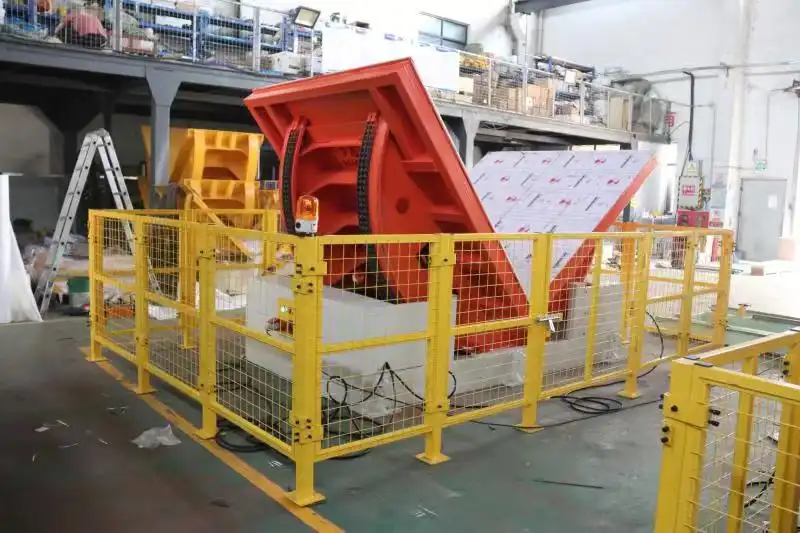
Detailed Preparations for Installation
Before you begin the physical installation, ensure you've covered these key preparatory steps:
- Site Assessment: Evaluate the installation site for structural integrity and sufficient space, considering both the upender's footprint and the range of motion required during operation.
- Tool and Equipment Checklist: Gather essential tools such as wrenches, leveling instruments, hydraulic fittings, and safety gear like gloves, goggles, and steel-toed shoes.
- Safety Protocol Review: Review the upender's safety manual to identify potential hazards and necessary precautions. Highlight emergency shutdown procedures and lockout/tagout protocols.
- Personnel Training: Ensure all personnel involved in the installation are thoroughly trained on the upender's operation, safety features, and emergency procedures.
- Component Inspection: Unpack and inspect all components for any signs of damage during shipping. Verify that all parts listed in the inventory are present.
- Power and Hydraulic Requirements: Confirm that the electrical power supply and hydraulic system meet the upender’s specifications. Plan for necessary connections, grounding, and overcurrent protection.
- Foundation Preparation: Ensure the installation site has a level and solid foundation. Prepare anchor points for securing the upender to prevent movement during operation.
- Ventilation: If the hydraulic power unit is enclosed, ensure adequate ventilation to prevent overheating and maintain optimal operating conditions.
- Emergency Response Plan: Develop an emergency response plan in case of hydraulic leaks, electrical faults, or mechanical failures. Keep spill containment materials and first aid kits readily available.
- Clearance: Verify that there is enough vertical clearance for the largest potential load to rotate freely.
Step-by-Step Installation Process
With preparations complete, follow these steps to install your hydraulic mold upender safely and effectively.
Installing a hydraulic mold upender involves a systematic process to ensure both safety and optimal performance. The installation includes unloading, positioning, leveling, securing, and testing the equipment. Proper execution of these steps guarantees the upender's reliability and enhances overall productivity in mold handling.
%[keywords]
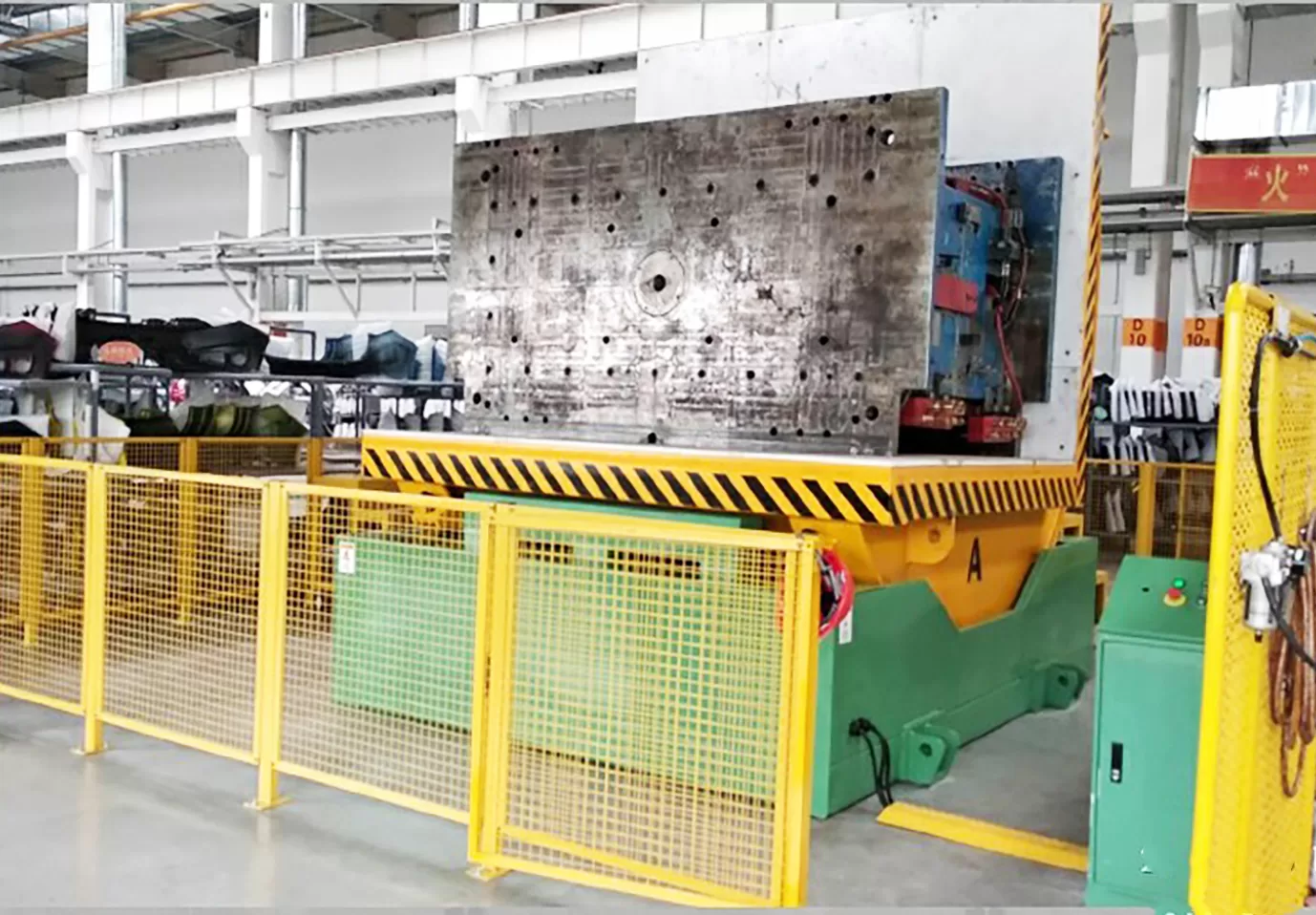
Detailed Steps for Successful Installation
Follow these steps closely for a successful and safe installation:
- Unloading:
- Safety First: Use a forklift or crane with appropriate load capacity to unload the upender.
- Lifting Points: Utilize designated lifting brackets attached to the base frame to prevent damage during lifting.
- Controlled Descent: Lower the upender gently onto the prepared foundation.
- Positioning and Leveling:
- Precise Placement: Position the upender in its designated location, ensuring adequate clearance for mold handling and operation.
- Leveling: Use shims to level the upender. Precise leveling is crucial for smooth operation and to prevent undue stress on the mechanical components.
- Clearance Checks: Double-check vertical and horizontal clearances with the largest potential mold.
- Securing:
- Anchor Bolts: Use anchor bolts to secure the upender to the foundation. Use Grade 8 bolts or equivalent for a secure mount.
- Tightening Sequence: Tighten the anchor bolts following a cross pattern to ensure even distribution of force.
- Torque Specifications: Adhere to the manufacturer's torque specifications for the anchor bolts.
- Hydraulic and Electrical Connections:
- Power Unit Placement: If the power unit is remotely mounted, place it in a well-ventilated area.
- Hydraulic Lines: Connect hydraulic lines to the manifold in the base of the upender.
- Electrical Wiring: Connect the upender’s control circuit to the power unit, following the numbered terminals and electrical schematics.
- Qualified Personnel: Have a qualified electrician connect the power leads to the magnetic motor starter, adhering to local and national electrical codes.
- Testing and Calibration:
- Initial Start-Up: After all connections are made, check the hydraulic circuit to ensure lines are charged with fluid and the reservoir has sufficient fluid.
- Air Purging: Operate the upender using the control pendant, purging all air from the hydraulic system before loading the machine.
- Operational Checks: Ensure smooth rotation without unusual noises or vibrations.
- Limit Switches: Verify the functionality of the limit switches to prevent over-rotation.
- Safety Checks:
- Guards and Safety Devices: Confirm that all safety guards and devices are in place and functioning correctly.
- Emergency Stops: Test the emergency stop buttons to ensure they halt the operation immediately.
- Warning Labels: Verify that all warning labels are visible and legible.
| Step | Task | Key Considerations |
|---|---|---|
| 1. Unloading | Safely remove the upender from the transport | Use appropriate lifting equipment, designated lifting points |
| 2. Positioning | Place the upender at the intended location | Check clearances, ensure stability, easy access |
| 3. Leveling | Adjust until the upender is perfectly level | Use shims, precision leveling tools, prevent undue stress |
| 4. Securing | Anchor the upender to the foundation | Grade 8 bolts, correct torque, even distribution of force |
| 5. Hydraulic/Elec. | Connect all lines and power | Qualified personnel, follow schematics, proper grounding, overcurrent protection |
| 6. Testing/Calibrating | Run system, purge air, check functionality | Smooth operation, no unusual noises, limit switch testing |
| 7. Safety Checks | Verify all safety features are operational | Guards in place, emergency stops working, warning labels visible |
Post-Installation Maintenance and Safety
Regular maintenance and adherence to safety protocols are crucial for the longevity and safe operation of your hydraulic mold upender.
Installing a hydraulic mold upender necessitates a commitment to regular maintenance and unwavering adherence to safety protocols. Routine inspections, lubrication, and prompt repairs are crucial for optimal performance and longevity, and to ensure a safe working environment. Consistent maintenance and safety measures minimize downtime, reduce the risk of accidents, and maximize the return on investment.
%[keywords]
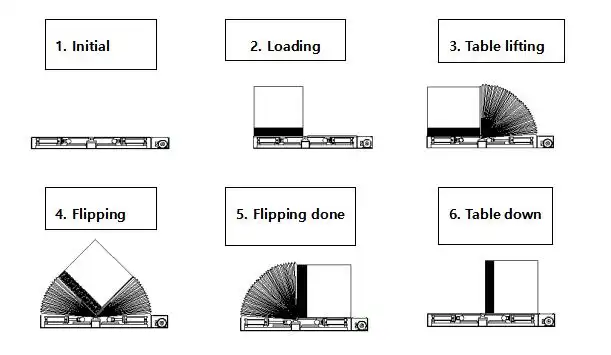
Following these steps will ensure the longevity and safe operation of your hydraulic mold upender.
- Daily Operator Checks: Operators should perform daily visual inspections, checking for any signs of damage or wear.
- Quarterly Maintenance: Qualified personnel should conduct quarterly maintenance, including chain and drive component checks.
- Regular Lubrication: Lubricate all bearings with grease four times a year, and check the oil level in the gearbox.
- Chain Adjustment: Ensure chains are correctly adjusted and not too slack.
- Limit Switch Inspection: Periodically check and adjust the limit switches to ensure accurate stopping positions.
- Hydraulic System Checks: Regularly inspect hydraulic lines for leaks and check the oil level.
To ensure all maintenance tasks are performed systematically, use a checklist:
Hydraulic Mold Upender Maintenance Checklist:
| Task | Frequency | Details |
|---|---|---|
| Visual Inspection | Daily | Check for damage, leaks, loose components |
| Bearing Lubrication | Quarterly | Apply multi-purpose grease to zerk fittings |
| Gearbox Oil Level Check | Quarterly | Ensure oil is at the correct level; consult gearbox manual for oil specifications |
| Chain Tension Check | Quarterly | Adjust chain tension if slack |
| Limit Switch Inspection | Quarterly | Verify accurate stopping positions |
| Hydraulic Line Check | Monthly | Inspect for leaks, wear, and damage |
| Emergency Stop Button Testing | Monthly | Ensure immediate halt of operation |
The installation of a hydraulic mold upender is just the beginning. Ongoing vigilance in maintenance and safety is your commitment to a productive, incident-free workspace. By carefully following these guidelines, you ensure the safety of your personnel and the longevity of your equipment.
Conclusion
Installing a hydraulic mold upender is a strategic investment that enhances both safety and productivity in mold handling. By following this step-by-step guide, manufacturers can ensure a seamless installation process, optimizing their operations and minimizing downtime. Regular maintenance and strict adherence to safety protocols are essential for the longevity and safe operation of the equipment, creating a more efficient and secure working environment. Embrace the benefits of improved workflow and reduced physical strain on workers with a properly installed and maintained [Hydraulic mold upender].