
Impact of Environmental Policies on Steel Coil Packaging
Are you in the steel industry and feeling the pressure to go green? Environmental regulations are no longer whispers; they're shaping the future of steel coil packaging. Ignoring these policies isn't an option – it's a risk to your bottom line and the planet. But what if these policies weren't just mandates, but opportunities to innovate and lead?
Environmental policies are significantly impacting steel coil packaging, pushing the industry towards more sustainable practices. These policies encourage reduced material usage, promote recyclable and biodegradable packaging, and incentivize energy-efficient packaging processes, ultimately aiming to minimize the environmental footprint of steel coil packaging throughout its lifecycle.
This article delves into the multifaceted impact of environmental policies on steel coil packaging, exploring how these regulations are driving innovation, reshaping industry practices, and paving the way for a more sustainable future.
Rethinking Steel Coil Packaging in an Era of Environmental Consciousness
Steel coil packaging, traditionally focused on protection and cost-effectiveness, is now under scrutiny for its environmental footprint. The sheer volume of steel produced and shipped globally means even minor adjustments in packaging can have a significant cumulative impact. Environmental policies are compelling the industry to move beyond conventional methods and embrace greener alternatives.
Environmental policies are revolutionizing steel coil packaging by mandating reductions in packaging waste, promoting the use of recycled and recyclable materials, and encouraging energy-efficient packaging processes. These regulations are not just about compliance; they are driving innovation in packaging design, material selection, and operational efficiency, leading to a more sustainable and environmentally responsible steel industry.
This shift towards sustainability in steel coil packaging is not merely a trend; it’s a fundamental change driven by increasing environmental awareness and stricter regulations worldwide. Let's examine how these policies are reshaping the industry and fostering a new era of eco-conscious practices.
The Regulatory Landscape: A Driver for Change
Environmental policies impacting steel coil packaging are diverse and evolving, reflecting a global commitment to sustainability. These policies range from broad directives aimed at reducing overall waste and emissions to specific regulations targeting packaging materials and processes. Understanding this landscape is crucial for steel manufacturers and packaging providers.
| Policy Category | Examples | Impact on Steel Coil Packaging |
|---|---|---|
| Extended Producer Responsibility (EPR) | EU Packaging and Packaging Waste Directive, State EPR laws in the US (e.g., in Maine, Oregon, Colorado) | Increased responsibility for packaging waste management; incentives for recyclable and reduced packaging. |
| Minimum Recycled Content Mandates | California SB 54, Proposed NY EPR policy | Demand for recycled materials in packaging; potential challenges in steel due to quality concerns as highlighted in source material. |
| Carbon Emission Reduction Targets | Paris Agreement, National and Regional Climate Goals | Pressure to reduce energy consumption in packaging production and material sourcing. |
| Waste Reduction Goals | Zero Waste initiatives, Landfill bans | Focus on minimizing packaging waste and diverting it from landfills. |
| Restrictions on Single-Use Plastics | Bans and levies on certain plastics | Shift away from plastic-heavy packaging towards alternative materials. |
These policies, while varied, share a common goal: to minimize the environmental impact of packaging. For the steel industry, this translates to a need for innovative packaging solutions that are not only protective and cost-effective but also environmentally sound. The challenge lies in balancing these often competing demands.
Embracing Sustainable Materials and Designs
The push for eco-friendly packaging is leading to significant changes in material selection and design within the steel industry. Traditional heavy reliance on plastics and excessive packaging is giving way to lighter, recyclable, and biodegradable alternatives. This transition is not just about swapping materials; it's about rethinking packaging design from the ground up.
Sustainable materials are becoming increasingly crucial in steel coil packaging due to environmental policies that discourage single-use plastics and promote recyclability. The industry is exploring alternatives like recycled steel, cardboard, and biodegradable wraps to reduce waste and minimize environmental impact. Innovations in packaging design focus on optimizing material usage while ensuring product protection.
%[keywords]
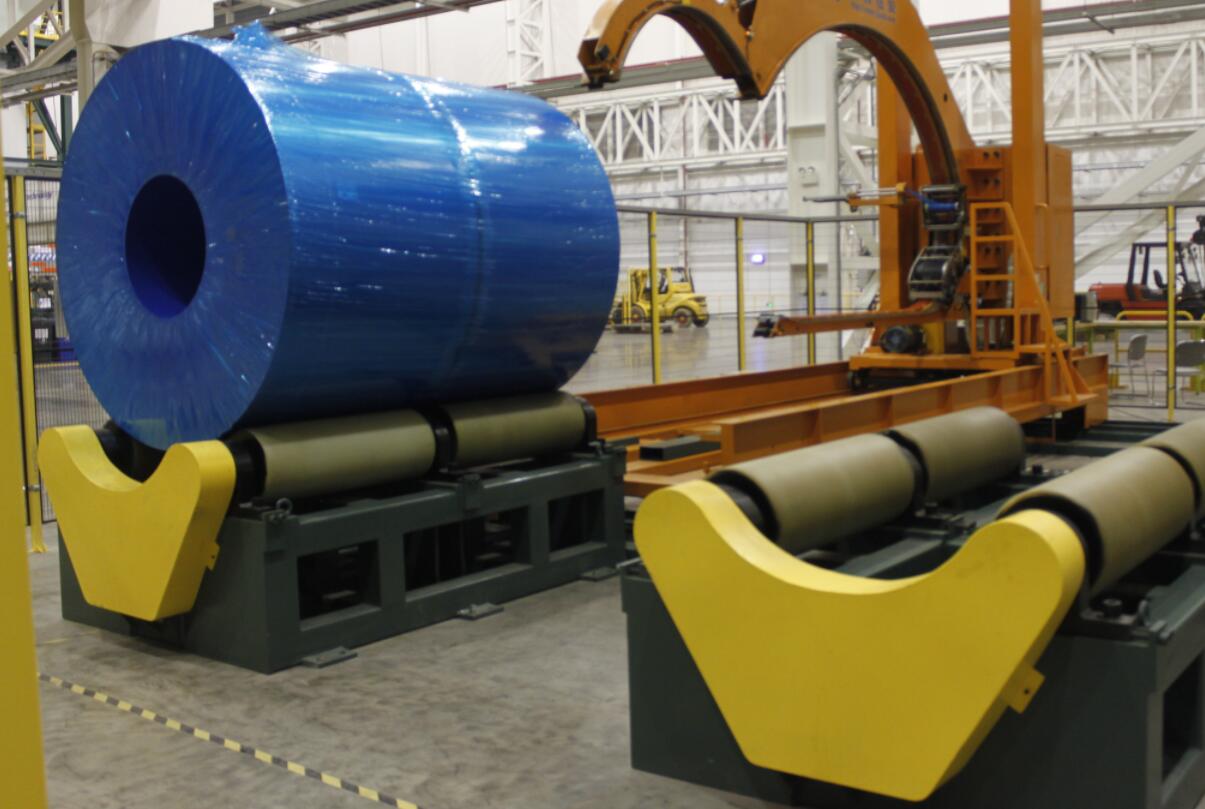
To delve deeper into the material shift, let's consider specific examples and innovations:
Innovations in Sustainable Packaging Materials
The steel industry is actively exploring and adopting a range of sustainable materials to replace or reduce the use of traditional, less eco-friendly options. These innovations are driven by both regulatory pressures and a growing corporate commitment to environmental stewardship.
-
Recycled Steel: Utilizing recycled steel for packaging components, such as strapping or edge protectors, directly reduces the demand for virgin materials and leverages steel's high recyclability. However, as the provided source material points out, quality requirements for steel production, especially for demanding applications like food cans, can limit the amount of recycled content due to residual materials. This necessitates a balanced approach where recycled steel is used optimally without compromising packaging integrity.
-
Cardboard and Paper-based Alternatives: Cardboard and heavy-duty paper wraps are emerging as viable replacements for plastic films and wraps in certain steel coil packaging applications. These materials are recyclable and biodegradable, offering a significant advantage over traditional plastics. Advancements in paper-based packaging technology are enhancing their strength and water resistance, making them suitable for protecting steel coils during transit and storage, especially for less harsh environments or shorter transportation distances.
-
Biodegradable and Compostable Plastics: While traditional plastics are under scrutiny, biodegradable and compostable plastic alternatives are being explored. These materials, derived from renewable resources, break down naturally in composting environments, reducing long-term environmental persistence. However, the industrial compostability requirements and the actual environmental benefits compared to recycling need careful consideration. Furthermore, the performance characteristics of biodegradable plastics, such as strength and durability under varying conditions, must meet the demands of steel coil packaging.
-
Optimized Material Usage: Beyond material substitution, optimizing the design to use less material overall is a key strategy. This involves employing advanced engineering techniques to create packaging that provides the necessary protection with minimal material input. Finite element analysis and simulation tools can help design lighter yet robust packaging configurations. Automation in packaging lines, as highlighted in one of the source articles, plays a crucial role in achieving precision wrapping and strapping, minimizing material waste by applying only the necessary amount for each coil size.
| Material Type | Environmental Benefits | Challenges | Suitability for Steel Coil Packaging |
|---|---|---|---|
| Recycled Steel | Reduced virgin material use, high recyclability | Potential quality limitations due to residual elements, supply constraints of high-quality scrap | Strapping, edge protectors |
| Cardboard/Paper | Recyclable, biodegradable | Lower water resistance, may require coatings, strength limitations for heavy coils | Wraps, interleaving sheets |
| Biodegradable Plastics | Compostable, renewable resource-based | Industrial compostability requirements, performance under load, cost, overall life cycle impact | Films, wraps (specific applications) |
| Optimized Designs | Reduced material consumption, lower overall footprint | Requires advanced engineering, initial investment in design and automation | All packaging components |
These material innovations, combined with intelligent design and automation, are enabling the steel industry to significantly reduce the environmental impact of its coil packaging, aligning with stricter environmental policies and growing market demand for sustainable solutions.
Enhancing Energy Efficiency in Packaging Processes
Environmental policies are not only targeting packaging materials but also the energy consumed in packaging processes. Energy efficiency is becoming a critical focus, driving innovations in automation, process optimization, and the adoption of renewable energy sources within steel coil packaging operations.
Energy efficiency in steel coil packaging is paramount due to policies aimed at reducing carbon emissions and promoting sustainable manufacturing. Automation plays a key role in optimizing energy use by ensuring precise and efficient packaging processes. Furthermore, transitioning to renewable energy sources and improving overall operational efficiency are crucial strategies for minimizing the energy footprint of steel coil packaging.
%[keywords]
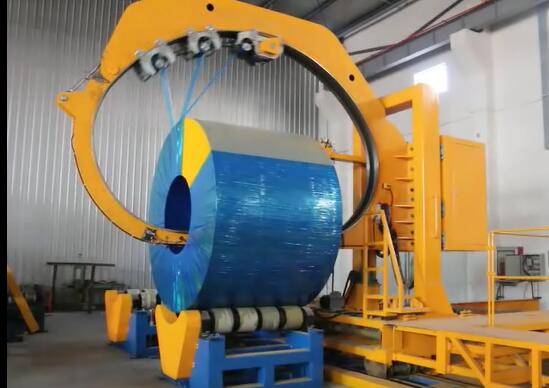
Strategies for Energy-Efficient Steel Coil Packaging
Achieving significant energy reductions in steel coil packaging requires a multi-pronged approach, encompassing technological upgrades, process optimization, and a shift towards cleaner energy sources.
-
Automation for Energy Optimization: As highlighted in the provided article about automated steel coil packing, automation is a game-changer for energy efficiency. Automated systems can precisely control material application, minimize unnecessary movements, and optimize machine operation, leading to substantial energy savings compared to manual or semi-automated processes. Smart sensors and programmable logic controllers (PLCs) in automated lines enable on-demand operation and low-energy standby modes, further reducing energy consumption during idle periods. Moreover, data analytics from automated systems provide valuable insights into energy usage patterns, allowing for continuous process refinement and identification of areas for further optimization.
-
Process Optimization and Waste Heat Recovery: Analyzing and optimizing the entire packaging process flow can reveal opportunities for energy reduction. Streamlining material handling, reducing processing steps, and optimizing machine settings can contribute to significant energy savings. Furthermore, exploring waste heat recovery systems to capture and reuse heat generated by packaging machinery can enhance overall energy efficiency. For instance, heat generated by hydraulic systems or electric motors could be repurposed for preheating materials or for facility heating, reducing reliance on external energy sources.
-
Transition to Renewable Energy: Shifting towards renewable energy sources, such as solar, wind, or hydropower, to power packaging operations is a crucial long-term strategy for decarbonizing steel coil packaging. On-site solar panel installations or power purchase agreements (PPAs) with renewable energy providers can significantly reduce the carbon footprint associated with energy consumption. This transition not only aligns with environmental policies but also enhances the sustainability profile of steel products, appealing to environmentally conscious customers and stakeholders.
-
Energy-Efficient Equipment and Technologies: Investing in modern, energy-efficient packaging equipment is essential. This includes upgrading to motors, drives, and control systems with higher energy performance ratings. Exploring and adopting innovative packaging technologies, such as cold-sealing adhesives or ultrasonic welding for strapping, which consume less energy than traditional heat-sealing or friction-based methods, can further contribute to energy reduction.
| Strategy | Energy Saving Mechanisms | Implementation Considerations | Impact on Sustainability |
|---|---|---|---|
| Automation | Precise material application, optimized machine operation, reduced idle time | Initial investment, system integration, workforce training | High |
| Process Optimization | Streamlined workflows, reduced processing steps, waste heat recovery | Process analysis, system redesign, technology integration | Medium to High |
| Renewable Energy Transition | Decarbonized energy supply, reduced reliance on fossil fuels | Long-term planning, infrastructure investment, regulatory compliance, PPA negotiation | Very High |
| Energy-Efficient Equipment | Reduced energy consumption per unit of packaging, lower operational costs | Equipment upgrades, technology evaluation, lifecycle cost analysis | Medium |
By strategically implementing these energy efficiency measures, the steel industry can significantly reduce its energy footprint in coil packaging, contributing to broader environmental goals and enhancing its competitive edge in a sustainability-focused market.
Policy-Driven Innovation: The Future of Steel Coil Packaging
Environmental policies, while initially perceived as constraints, are proving to be powerful catalysts for innovation in steel coil packaging. The need to comply with regulations and meet growing market demand for sustainable solutions is spurring creativity and technological advancements across the industry.
Environmental policies are fostering a wave of innovation in steel coil packaging, pushing companies to develop and adopt more sustainable practices. This includes advancements in material science, packaging design, automation, and recycling technologies. Policy drivers are not just about compliance; they are creating new market opportunities and fostering a more environmentally responsible and competitive steel industry.
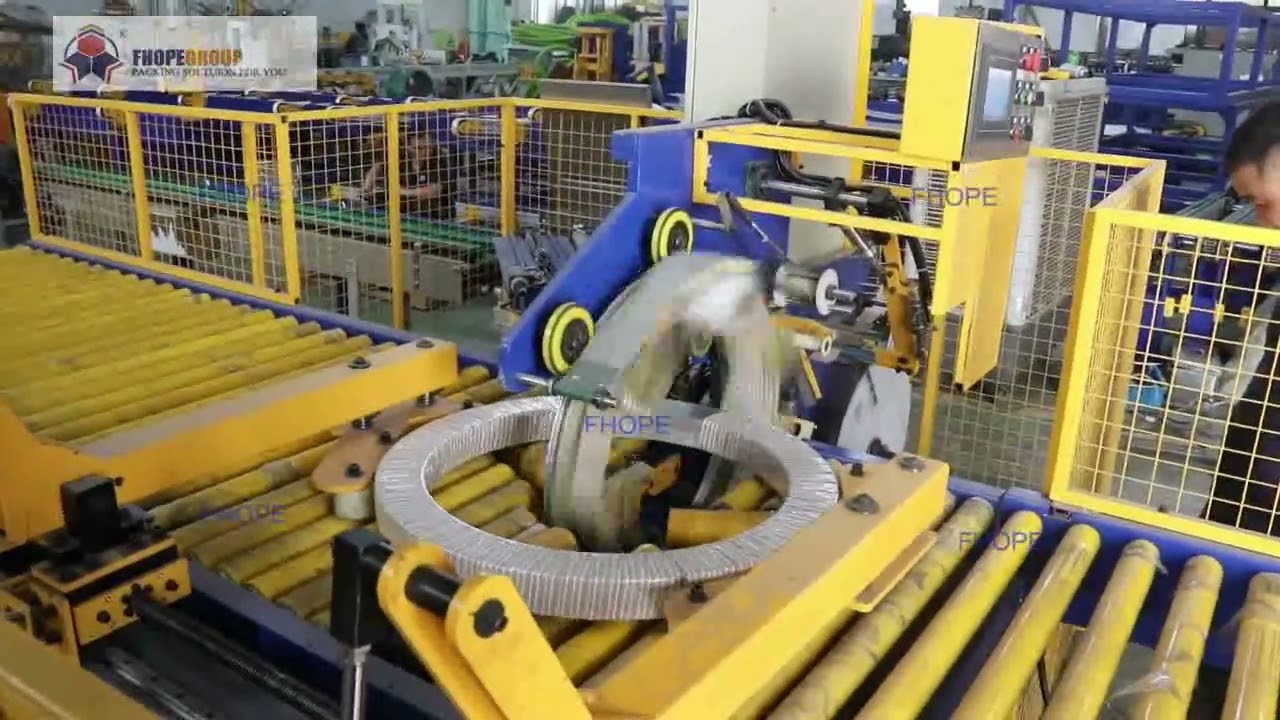
Policy as a Catalyst for Packaging Advancement
The steel coil packaging sector is witnessing a surge of innovation directly driven by environmental policy demands. This innovation spans various aspects of packaging, from materials to machinery and beyond.
-
Design for Recyclability and Circularity: Policies like EPR are compelling packaging designers to prioritize recyclability and circularity. This means designing packaging that is easily disassembled, materials that are readily recyclable in existing infrastructure, and minimizing the use of composite materials that are difficult to separate. "Design for Disassembly" principles are gaining traction, focusing on creating packaging that can be efficiently taken apart at the end of its life, allowing for material recovery and reuse. Furthermore, the concept of "circular packaging" is emerging, aiming to create closed-loop systems where packaging materials are continuously recycled and reused within the steel supply chain.
-
Smart and Active Packaging Technologies: To further reduce material usage and enhance product protection, smart and active packaging technologies are being explored. Smart packaging incorporates sensors and indicators to monitor conditions like humidity, temperature, and shock during transit, allowing for optimized packaging levels based on real-time needs. Active packaging incorporates materials that can interact with the packaged product or the environment to extend shelf life or enhance protection, potentially reducing the need for excessive packaging layers. For steel coils, active packaging could involve corrosion-inhibiting coatings or films that minimize the need for bulky protective wraps.
-
Advanced Automation and Digitalization: The drive for efficiency and sustainability is accelerating the adoption of advanced automation and digitalization in steel coil packaging. Beyond basic automation, Industry 4.0 technologies, such as IoT (Internet of Things), AI (Artificial Intelligence), and machine learning, are being integrated to create intelligent packaging systems. These systems can optimize packaging processes in real-time based on data feedback, predict potential issues, and enable remote monitoring and control. Digital twins of packaging lines can be created to simulate and optimize processes before physical implementation, minimizing waste and maximizing efficiency.
-
Closed-Loop Recycling Systems: To address the increasing demand for recycled content and improve resource efficiency, closed-loop recycling systems are becoming crucial. These systems aim to collect, process, and reuse steel packaging materials within the steel industry itself, minimizing leakage and maximizing material circularity. This requires collaboration across the supply chain, from steel producers to packaging manufacturers and recycling facilities, to establish efficient collection networks and ensure the quality of recycled materials for packaging applications.
| Innovation Area | Policy Drivers | Technological Advancements | Benefits for Steel Coil Packaging |
|---|---|---|---|
| Design for Recyclability | EPR, Waste Reduction Goals | Modular design, material selection guidelines, disassembly techniques | Easier recycling, higher material recovery rates |
| Smart/Active Packaging | Material Reduction Targets, Product Safety | Sensors, indicators, functional coatings, intelligent films | Optimized material use, enhanced product protection, reduced waste |
| Advanced Automation/Digitalization | Energy Efficiency, Waste Reduction | IoT, AI, machine learning, digital twins, real-time optimization | Increased efficiency, reduced waste, predictive maintenance, lower energy use |
| Closed-Loop Recycling | Recycled Content Mandates, Circular Economy Goals | Advanced sorting technologies, improved recycling processes, quality control for recyclates | Increased recycled content, reduced virgin material demand, resource security |
Environmental policies are not simply imposing restrictions but are, in fact, sparking a new era of creativity and technological progress in steel coil packaging. This policy-driven innovation is paving the way for a more sustainable, efficient, and competitive steel industry in the long run.
Navigating the Future: Sustainable Steel Coil Packaging in a Policy-Driven World
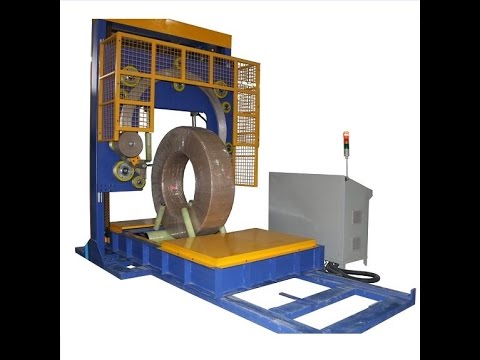
The impact of environmental policies on steel coil packaging is profound and transformative. Moving forward, the steel industry must proactively embrace sustainability not just as a matter of compliance, but as a core business strategy.
Environmental policies are pushing steel coil packaging towards a sustainable future. To navigate this evolving landscape, the industry needs to prioritize innovation in materials, processes, and design. Embracing automation and circular economy principles are crucial steps for steel manufacturers to not only meet regulatory requirements but also to gain a competitive advantage in a greening global market.
The journey towards sustainable steel coil packaging is complex, requiring collaboration, investment, and a fundamental shift in mindset. However, the benefits – environmental responsibility, enhanced brand reputation, and long-term cost savings – are significant and compelling. By embracing [wire packing automation] and other sustainable solutions, the steel industry can turn environmental policies from challenges into opportunities, forging a path towards a more resilient and eco-conscious future.
Conclusion
Environmental policies are reshaping steel coil packaging, driving innovation and pushing the industry towards greater sustainability. Embracing these changes is not just about compliance, but about creating a more efficient, responsible, and competitive future for the steel industry.