
How to Troubleshoot Electrical Issues in Pallet Inverters?

Facing electrical hiccups with your pallet inverter? Don't let downtime disrupt your operations. This guide provides a practical approach to troubleshooting common electrical problems in pallet inverters, empowering you to diagnose issues efficiently and keep your material handling equipment running smoothly. We'll cover essential maintenance techniques and basic repair insights to help you maximize uptime and minimize disruptions.
Understanding the Electrical Heart of Your Pallet Inverter
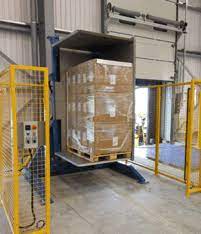
Pallet inverters are indispensable for streamlining warehouse operations, enabling quick and safe pallet exchange and load inversion. At their core, these machines rely on robust electrical systems to power their hydraulic and mechanical components. Just like any sophisticated equipment, electrical issues can arise, potentially leading to operational delays and decreased productivity. Understanding the fundamentals of the electrical system is the first step in effective troubleshooting.
Pallet inverters typically incorporate several key electrical components:
- Motor and Motor Controls: The electric motor is the powerhouse, driving the hydraulic pump. Motor controls manage the motor's start, stop, and speed, often involving contactors, relays, and sometimes variable frequency drives (VFDs).
- Control Panel and оператор Interface: This is the command center, housing pushbuttons, switches, and potentially programmable logic controllers (PLCs) that dictate the inverter's functions. Wiring, terminal blocks, and fuses are crucial elements within the control panel.
- Sensors and Safety Circuits: Safety is paramount. Light curtains, emergency stop buttons, and position sensors are electrically integrated to ensure safe operation and prevent accidents. These circuits often include safety relays or PLCs to monitor and react to safety signals.
- Power Supply and Wiring: The entire system is powered by a main electrical supply. Wiring harnesses, cables, and connectors distribute power to all components. Proper grounding and circuit protection are vital for safety and functionality.
When electrical problems surface, a systematic approach to troubleshooting is essential to pinpoint the root cause and implement effective repairs.
Common Electrical Issues in Pallet Inverters
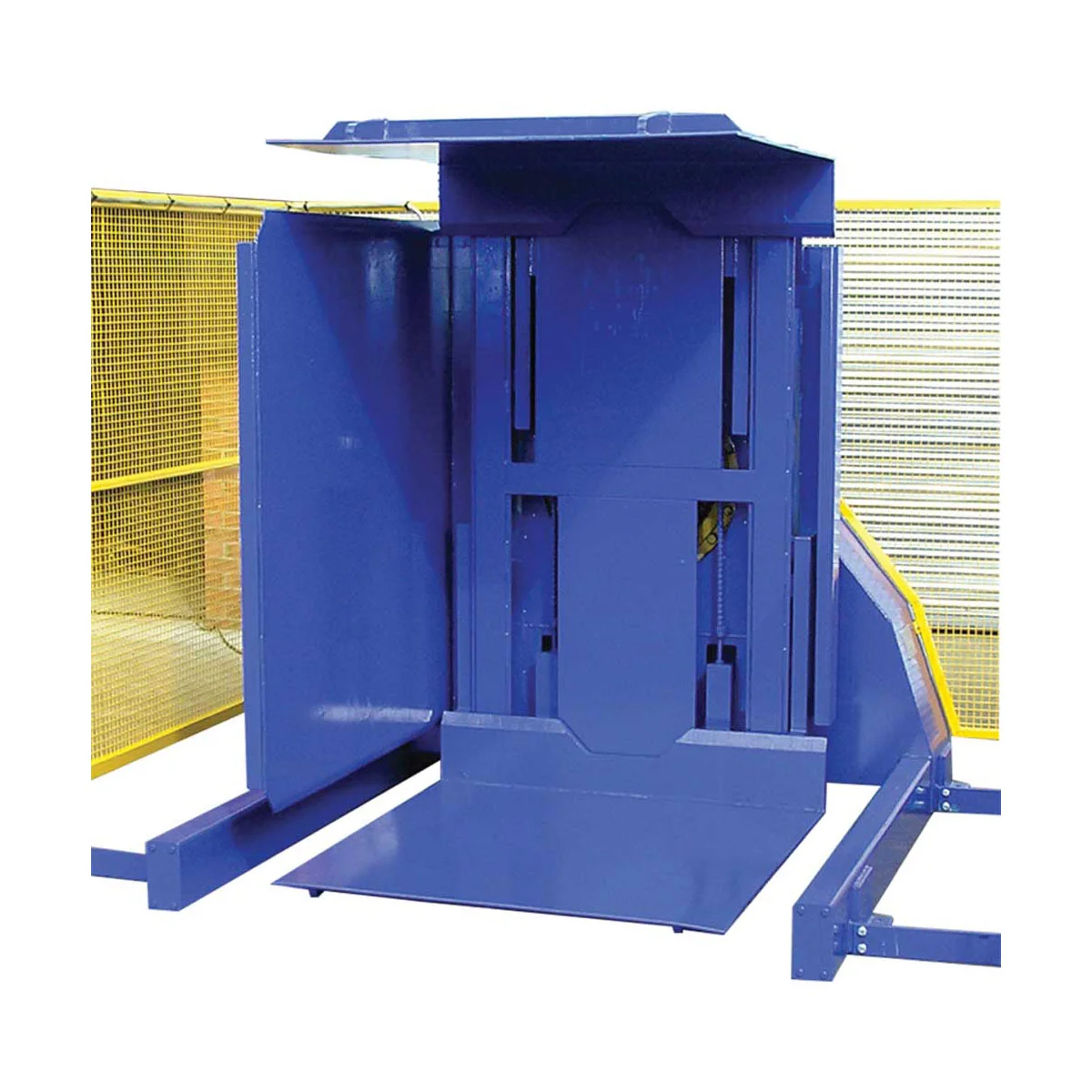
Even with diligent maintenance, electrical gremlins can creep into your pallet inverter system. Being familiar with common issues is half the battle in rapid troubleshooting. Here are typical electrical problems to watch out for:
1. Motor Malfunctions
- Motor Failure: Motors can fail due to various reasons – winding burnout, bearing failure (though less directly electrical, it can overload the motor electrically), or issues with internal electrical connections. A completely dead motor is a clear sign of failure.
- Overheating: Excessive heat can indicate overloading, inadequate ventilation, or internal motor faults. Overheated motors may trip thermal overloads or fail prematurely.
- Starting Problems: If the motor hums but doesn't start, it could be a capacitor issue (in single-phase motors), a problem with the motor starter, or insufficient power supply.
- Intermittent Operation: The motor starts and stops erratically, suggesting loose wiring, faulty contactors, or issues with control signals.
2. Control Circuit Problems
- Control Panel Inoperability: If the control panel is unresponsive, check the main power supply to the panel, fuses, and the emergency stop circuit.
- Button and Switch Failures: Pushbuttons and selector switches can wear out or become contaminated, leading to a lack of signal transmission.
- Relay and Contactor Issues: These electromechanical switches can fail to operate correctly due to coil burnout, contact wear, or mechanical sticking.
- PLC or Control Module Faults: More complex systems with PLCs or electronic control modules can experience programming errors, component failures, or communication issues.
3. Sensor and Safety Circuit Errors
- Light Curtain or Safety Scanner Trips: Frequent or unexplained safety trips can indicate sensor misalignment, contamination, wiring problems, or faults within the safety relay/PLC.
- Emergency Stop Circuit Issues: If the emergency stop circuit is activated unexpectedly or cannot be reset, check all E-stop buttons, wiring, and safety relay logic.
- Position Sensor Failures: Faulty limit switches or proximity sensors can lead to incorrect machine movements or prevent operation altogether.
4. Wiring and Connection Problems
- Loose Connections: Vibration and general wear can loosen terminal connections within control panels, motors, and junction boxes. Loose wires are a prime suspect in intermittent issues.
- Damaged Wiring: Abraded, cut, or crushed wires can cause short circuits, open circuits, or intermittent faults. Inspect wiring runs for physical damage.
- Corrosion: In damp or corrosive environments, terminals and connectors can corrode, increasing resistance and causing malfunctions.
- Grounding Issues: Improper or broken grounding can lead to electrical noise, erratic behavior, and safety hazards.
Step-by-Step Electrical Troubleshooting Guide
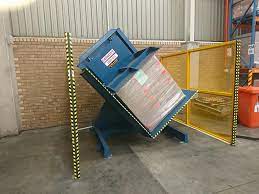
When your pallet inverter throws an electrical curveball, follow these troubleshooting steps to systematically diagnose and address the problem:
Step 1: Safety First – Power Isolation
- Lockout/Tagout (LOTO): Before commencing any electrical work, strictly adhere to your facility's Lockout/Tagout procedures. This is non-negotiable for safety. Disconnect and lock the main electrical disconnect for the pallet inverter.
- Verify Power Off: Use a qualified voltage tester to confirm that the power is indeed off at the control panel and motor terminals before touching any components.
Step 2: Visual Inspection – The First Line of Defense
- Look for Obvious Signs: Visually inspect for burnt components, discolored wires, loose connections, or any physical damage within the control panel, motor junction box, and along wiring runs.
- Check for Debris and Contamination: Dirt, dust, and moisture can cause shorts and insulation breakdown. Clean control panels and enclosures as needed.
- Inspect Fuses and Circuit Breakers: Check for tripped circuit breakers or blown fuses in the control panel. A blown fuse is a symptom, not the root cause – identify why it blew before replacing it.
Step 3: Control Panel Diagnostics
- Power Supply Check: Verify that the control panel is receiving the correct voltage. Use a multimeter to measure voltage at the main terminals of the control panel.
- Fuse and Breaker Testing: If fuses are blown or breakers are tripped, investigate the downstream circuit for shorts or overloads before replacing them. Use a multimeter to test fuse continuity.
- Button and Switch Testing: Use a multimeter to check the continuity of pushbuttons and switches when actuated. Are they making and breaking contact as expected?
- Relay and Contactor Checks:
- Coil Voltage: Verify that the relay or contactor coil is receiving the correct voltage when it should be energized.
- Contact Continuity: Check the continuity of relay/contactor contacts when the coil is energized and de-energized. Are the contacts opening and closing properly? Listen for a distinct "click" sound when relays/contactors operate.
Step 4: Motor Circuit Examination
- Motor Terminal Voltage: With the power safely isolated (LOTO still in place), check for proper voltage at the motor terminals when the motor is commanded to run (and fails to). This verifies power delivery to the motor.
- Motor Winding Resistance Test (Megger Test): This test requires a Megohmmeter (Megger) and should be performed by qualified personnel. It checks the insulation resistance of the motor windings to ground, identifying insulation breakdown.
- Motor Continuity Test: Use a multimeter to check the continuity of each motor winding phase. Open windings will indicate motor failure.
- Check Motor Overloads: Inspect motor overload relays for tripping. Reset them if tripped, but investigate the cause of the overload.
Step 5: Sensor and Safety Circuit Tracing
- Sensor Input Verification: Use a multimeter or PLC diagnostic tools (if applicable) to verify that sensors are sending signals to the control system when they should be activated or deactivated.
- Safety Circuit Continuity Checks: Carefully trace the safety circuit wiring, checking for continuity through all safety devices (light curtains, E-stops, etc.). Identify any breaks in the circuit.
- Safety Relay/PLC Diagnostics: If your system uses a safety relay or PLC, consult the manufacturer's documentation for diagnostic procedures and error code interpretation.
Step 6: Wiring and Connection Verification
- Systematic Wire Tracing: If you suspect wiring issues, systematically trace wires, checking for continuity and shorts to ground using a multimeter.
- Terminal Tightness Check: Methodically tighten all terminal connections in control panels, motor junction boxes, and along wiring runs.
- Connector Inspection: Inspect connectors for proper mating, damaged pins, and corrosion. Clean or replace connectors as necessary.
Step 7: Component Replacement and Testing
- Replace Faulty Components: Once a faulty component is identified (fuse, relay, switch, sensor, motor component), replace it with a component of the correct specification.
- Post-Repair Testing: After any repair, thoroughly test the pallet inverter's functionality and safety systems before returning it to full operation. Verify all movements, safety devices, and control functions.
Proactive Maintenance to Minimize Electrical Downtime
Preventive maintenance is your best defense against unexpected electrical failures. Incorporate these practices into your routine maintenance schedule:
- Regular Visual Inspections: Conduct routine visual checks of control panels, wiring, and motors for signs of wear, damage, or loose connections.
- Scheduled Terminal Tightening: Periodically tighten all electrical terminal connections, especially in high-vibration environments.
- Control Panel Cleaning: Keep control panels clean and free of dust and debris. Use compressed air and appropriate cleaning solutions.
- Insulation Testing (Annual): Consider annual insulation testing of motors and critical wiring circuits with a Megger to detect insulation degradation before failures occur.
- Component Life Cycle Management: Track the lifespan of critical components like relays, contactors, and motors. Replace components proactively based on manufacturer recommendations or observed wear.
- Proper Lubrication (Electro-Mechanical Components): While primarily mechanical, ensure proper lubrication of any electro-mechanical components, such as gearboxes directly coupled to motors, to prevent motor overload due to mechanical resistance.
When to Call in the Experts
While this guide provides a solid foundation for basic electrical troubleshooting, some situations warrant professional expertise:
- Complex PLC or VFD Issues: Troubleshooting advanced control systems like PLCs and VFDs often requires specialized knowledge and programming tools.
- Motor Rewinding or Internal Motor Repairs: Internal motor repairs and rewinding are best left to qualified motor repair shops.
- Unfamiliarity with Electrical Systems: If you are uncomfortable working with electrical systems or lack the necessary test equipment, always seek professional assistance.
- Persistent or Intermittent Problems: If you've tried basic troubleshooting and the problem persists or is intermittent, it may indicate a deeper, more complex issue requiring expert diagnosis.
Toppy Service and Support: As highlighted in the provided material, manufacturers like Toppy offer comprehensive service and support. Leveraging their expertise for complex electrical issues, preventative maintenance programs, and on-site repairs can be a valuable investment to ensure optimal pallet inverter performance and minimize downtime.
By understanding the electrical system of your pallet inverter, implementing systematic troubleshooting techniques, and prioritizing preventative maintenance, you can effectively address common electrical issues and keep your operations running smoothly. Remember, safety is paramount – always follow proper lockout/tagout procedures and seek professional help when needed.