
How to Select the Right Pallet Inverter for Food and Beverage Industries?
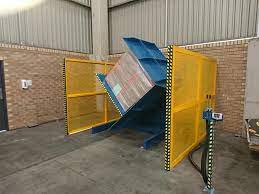
Selecting the right pallet inverter is crucial for food and beverage industries to enhance efficiency, maintain stringent hygiene standards, and minimize product damage. Key factors include load size, product fragility, sanitation requirements (like stainless steel for easy cleaning), and operational volume. Choosing appropriately ensures smooth pallet transfers, reduces manual handling, and upholds food safety regulations.
Streamlining Operations and Ensuring Hygiene: Choosing the Right Pallet Inverter for Food and Beverage
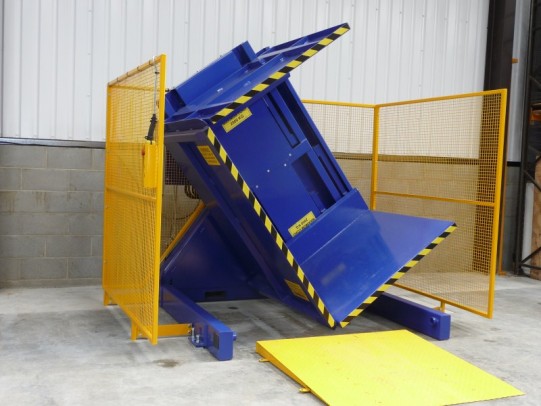
In the fast-paced and highly regulated food and beverage industries, efficiency and hygiene are paramount. Every step in the supply chain, from production to distribution, must adhere to strict standards to ensure product safety and quality. One often-overlooked piece of equipment that can significantly impact both efficiency and hygiene is the pallet inverter. But with a variety of models available, how do you select the right pallet inverter for your specific needs? This guide will walk you through the essential considerations for choosing a pallet inverter that optimizes your operations while upholding the highest standards of food safety.
Understanding the Role of Pallet Inverters in Food and Beverage
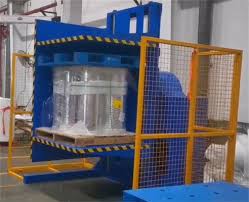
Pallet inverters are specialized machines designed to rotate or invert palletized loads. Their primary function is to eliminate the manual and often cumbersome process of restacking or transferring goods when pallet changes are needed, damaged products need removal, or product orientation requires adjustment. For the food and beverage industry, the applications are particularly relevant:
-
Pallet Transfer for Hygiene: Food products are often shipped on wooden pallets, which, while cost-effective for transport, are not ideal for clean production or storage areas. Wooden pallets can harbor pests, bacteria, and are difficult to sanitize effectively. Pallet inverters facilitate the efficient transfer of goods from wooden shipping pallets to hygienic plastic pallets before entering production zones, clean rooms, or temperature-controlled storage. This swap is crucial for maintaining food safety standards and preventing contamination.
-
Damage Recovery and Waste Reduction: In industries dealing with bulk ingredients like flour, sugar, or packaged goods, damage during shipping and handling is inevitable. Sacks can tear, boxes can crush, and products at the bottom of a pallet load are particularly vulnerable. Pallet inverters allow for a quick and safe way to invert the entire pallet load, enabling easy access to damaged goods at the bottom without the need to manually unstack and restack everything. This minimizes product waste and allows for the swift removal of compromised items, preventing further contamination or spoilage.
-
Product Orientation for Processing: Certain food and beverage processes require products to be inverted or rotated for subsequent steps like labeling, packaging, or further processing. Pallet inverters provide a controlled and efficient method for product orientation, ensuring consistency and reducing manual handling errors.
-
Stock Rotation and Preventing Caking: For dry goods stored in bulk, prolonged storage without movement can lead to settling and caking, especially for ingredients like powders and granules. Regular inversion or rotation can help prevent this. Pallet inverters offer a practical solution to rotate entire pallet loads of these products, ensuring consistent product quality and preventing waste due to caking or spoilage.
Key Considerations When Selecting a Pallet Inverter for Food and Beverage
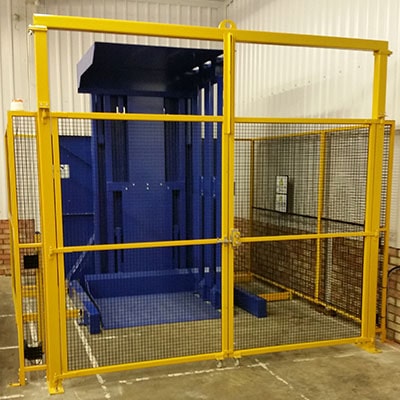
Choosing the right pallet inverter is not a one-size-fits-all decision. Several factors specific to the food and beverage industry must be considered:
1. Load Size and Capacity:
- Pallet Dimensions: Understand the standard pallet sizes used in your operations. Pallet inverters come in various sizes, and you need to ensure the chosen model can accommodate your typical pallet dimensions comfortably.
- Load Weight: Determine the maximum weight of your palletized loads. Pallet inverters have different load capacities, ranging from light-duty models for smaller loads to heavy-duty options for very heavy pallets. Selecting a model with adequate load capacity is crucial for safe and efficient operation.
- Load Height: Consider the height of your pallet loads, especially if you handle varying product sizes. Some pallet inverters, like dual clamp models, offer a wider clamp range to accommodate taller and more diverse loads.
2. Product Type and Fragility:
- Product Stability: Assess the stability of your palletized products. Are they uniformly stacked and stable, or are they prone to shifting? For less stable loads, consider pallet inverters with adjustable clamp pressure to ensure secure handling without causing damage.
- Product Fragility: If you handle fragile items like glass bottles, delicate packaging, or easily damaged produce, choose a pallet inverter with features like adjustable clamp pressure and smooth rotation to minimize the risk of product damage during the inversion process. Dual clamp models are often recommended for fragile goods as they offer a more balanced and smoother transition.
3. Sanitation and Hygiene Requirements:
- Material of Construction: For food and beverage environments, sanitation is paramount. Stainless steel pallet inverters are highly recommended. Stainless steel is non-porous, easy to clean, corrosion-resistant, and doesn't harbor bacteria, making it ideal for hygienic environments. Consider stainless steel for components that come into direct contact with food products or are in areas with strict sanitation protocols.
- Ease of Cleaning: Choose a pallet inverter design that is easy to clean and sanitize. Smooth surfaces, minimal crevices, and accessible components are important for efficient cleaning and preventing the buildup of food debris or contaminants.
- Washdown Capabilities: Depending on your facility's cleaning procedures, you might need a pallet inverter with washdown capabilities, meaning it's designed to withstand regular cleaning with water and cleaning agents without damage or corrosion.
4. Operational Volume and Duty Cycle:
- Daily Throughput: Estimate the number of pallet inversions you need to perform daily. For high-volume operations, invest in heavy-duty pallet inverters designed for continuous use and faster cycle times. Low-duty models might be suitable for smaller operations with less frequent inversion needs.
- Cycle Time: Consider the cycle time of the pallet inverter – how quickly it can complete a 180-degree rotation. Faster cycle times translate to increased productivity, especially in high-throughput environments.
5. Loading and Integration:
- Loading Method: Determine how you will load pallets into the inverter. Options include forklift loading, pallet jack loading (ground level loading inverters), or integration into automated conveyor lines. Choose a model that aligns with your existing material handling equipment and workflow. Ground-level loading inverters are particularly useful in areas where forklifts are restricted or space is limited.
- Space Constraints: Assess the available space in your facility. Pallet inverters come in various footprints. Choose a model that fits comfortably within your allocated space and allows for safe and efficient operation.
- Integration with Production Lines: If you intend to integrate the pallet inverter into an existing production line, consider models that can be easily automated and synchronized with other equipment.
6. Safety Features:
- Safety Interlocks and Guards: Prioritize pallet inverters with robust safety features like safety interlocks, light curtains, and safety fences to protect operators and prevent accidents during operation.
- Emergency Stop Buttons: Ensure the inverter is equipped with easily accessible emergency stop buttons for immediate shutdown in case of any issue.
- Stable and Secure Clamping: A reliable clamping mechanism is crucial for safely securing the load during inversion and preventing product slippage or falls.
Types of Pallet Inverters Suitable for Food and Beverage
Several types of pallet inverters are well-suited for the food and beverage industry, each offering specific advantages:
-
Stainless Steel Pallet Inverters: As mentioned, stainless steel models are ideal for hygiene-sensitive environments. They are easy to clean, corrosion-resistant, and built to withstand rigorous cleaning procedures, making them a top choice for food processing and packaging facilities.
-
Dual Clamp Pallet Inverters: Their balanced center of gravity and smoother transitions make them excellent for handling fragile food products that require gentle handling. The wider clamp range is also beneficial if you handle diverse load heights.
-
Ground Level Loading Inverters: These are advantageous in clean rooms or production areas where forklifts are prohibited or space is restricted. They allow for loading with pallet jacks, maintaining cleanliness and accessibility.
-
Single Clamp Pallet Inverters: For less fragile and more uniform loads, single clamp models can be a cost-effective and efficient solution. They are easy to operate and maintain, suitable for various food and beverage applications where basic pallet inversion is required.
Investing in Efficiency and Food Safety
Selecting the right pallet inverter is a strategic investment for food and beverage companies. It's not just about improving efficiency; it's about upholding stringent hygiene standards, minimizing product waste, reducing manual labor, and creating a safer working environment. By carefully considering the specific needs of your operations – load characteristics, sanitation requirements, operational volume, and integration needs – you can choose a pallet inverter that will become an invaluable asset, streamlining your processes and ensuring the highest levels of food safety and product quality.
Don't hesitate to consult with pallet inverter specialists to discuss your specific requirements and explore customized solutions that perfectly align with your food and beverage operations. A well-chosen pallet inverter will contribute significantly to your bottom line, enhance your operational efficiency, and reinforce your commitment to food safety and excellence.