
How to Reduce Noise Levels in Pallet Inverter Operations?
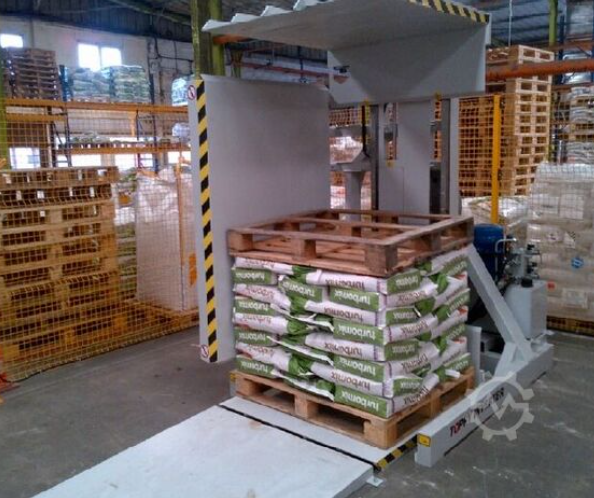
Pallet inverter operations, while essential for modern warehousing and manufacturing efficiency, can be a significant source of industrial noise. Reducing noise levels in these operations is crucial for worker safety, regulatory compliance, and creating a more productive work environment. Implementing engineering controls, adhering to operational guidelines, and prioritizing industrial noise management are key strategies to mitigate unwanted sound and enhance overall pallet inverter performance.
Understanding the Challenge of Noise in Industrial Environments
Industrial noise pollution is a pervasive issue across various sectors, stemming from machinery, equipment, and processes inherent in manufacturing, construction, and logistics. Pallet inverters, while designed to streamline material handling, contribute to this noise landscape. The sound intensity from industrial equipment can reach levels that pose risks to hearing health, workplace comfort, and even community well-being. Understanding the nature of industrial noise and its potential impact is the first step towards effective mitigation.
Industrial noise is characterized by several factors:
- High Sound Intensity: Machinery and heavy equipment often generate loud noises exceeding safe thresholds.
- Broad Frequency Range: Industrial noise can encompass both low and high frequencies, making it complex to address.
- Variable Duration: Noise can be continuous or intermittent depending on operational cycles.
- Negative Health Impacts: Prolonged exposure can lead to hearing loss, stress, sleep disturbances, and reduced productivity.
Regulations and guidelines, such as those from the World Health Organization (WHO), emphasize the importance of controlling industrial noise, with recommendations for permissible noise levels in workplaces. Exceeding 85 decibels (dB) for extended periods is considered hazardous and necessitates noise control measures.
Pinpointing Noise Sources in Pallet Inverter Systems
To effectively reduce noise from pallet inverters, it's crucial to identify the primary sources of sound generation. While specific sources may vary depending on the model and design, common contributors in pallet inverter operations include:
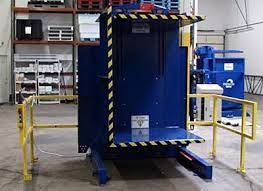
- Hydraulic Power Units: Pallet inverters often rely on hydraulic systems for lifting, clamping, and rotating mechanisms. Hydraulic pumps, motors, and valves are inherent noise generators due to fluid movement, pressure fluctuations, and mechanical vibrations.
- Mechanical Movements and Vibrations: The physical act of inverting pallets involves significant mechanical movement. Motors, gears, chains, and rotating components can generate noise through friction, vibration, and impact.
- Load Handling and Impact: The process of loading and unloading pallets, as well as the inversion itself, can create impact noises as pallets and loads shift and interact with the machine structure.
- Solenoid Valves and Control Systems: While often less dominant than hydraulic units, solenoid valves and pneumatic actuators in control systems can contribute to overall noise levels, particularly through sharp, intermittent sounds.
Understanding these source categories allows for a targeted approach to noise reduction, focusing on the most significant contributors.
Engineering Controls: Tackling Noise at the Source and Path
Engineering controls are the most effective and sustainable methods for noise reduction in industrial settings. They involve physical modifications to equipment or the workplace environment to minimize noise generation or transmission. In the context of pallet inverter operations, several engineering control strategies can be implemented:
Source-Based Controls:
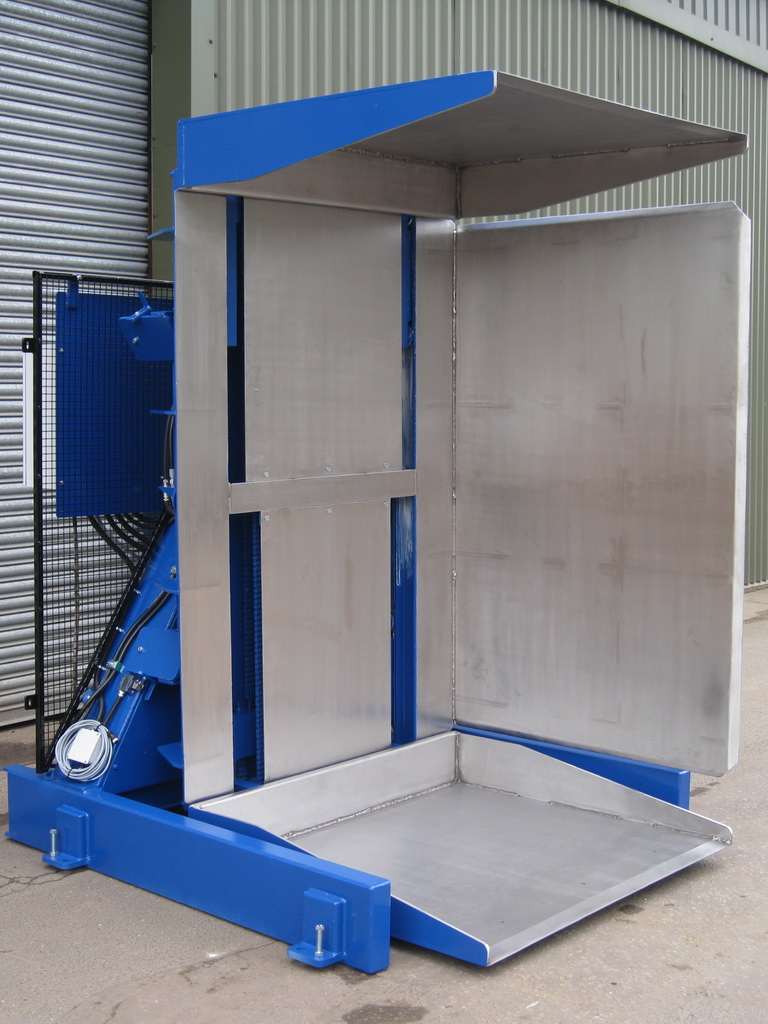
- Quieter Hydraulic Components: Selecting low-noise hydraulic pumps and motors is a fundamental step. Modern hydraulic technology offers options like variable displacement pumps, which reduce noise by adjusting flow output to demand, and encapsulated pump designs that dampen sound. Regular maintenance of hydraulic systems, including checking for leaks and ensuring proper fluid levels (as outlined in maintenance schedules), is also critical to minimizing noise from cavitation and pump inefficiencies.
- Vibration Isolation and Damping: Vibrations from motors and moving parts are a major source of noise. Implementing vibration isolation mounts beneath motors and hydraulic units can significantly reduce the transmission of vibration to the machine frame and surrounding structure. Applying damping materials, such as specialized pads or coatings, to large vibrating surfaces of the inverter can further dissipate vibrational energy and reduce radiated noise.
- Enclosure of Noise-Generating Components: Enclosing the hydraulic power unit within an acoustic enclosure is a highly effective method. The enclosure should be constructed from sound-insulating materials like dense panels and incorporate sound-absorbing materials on interior surfaces to minimize reverberation within the enclosure itself. Ensure adequate ventilation within enclosures to prevent heat buildup, as noted in general noise control best practices.
- Optimized Mechanical Design: Reviewing the mechanical design of the pallet inverter can reveal opportunities for noise reduction. This could involve modifications to gearboxes for smoother, quieter operation, using belt drives instead of chains where feasible to reduce clatter, and ensuring proper lubrication of all moving parts to minimize friction noise. Sharpening blades and tightening bolts, as mentioned in equipment maintenance guidelines, are simple but effective measures.
Path-Based Controls:
- Acoustic Barriers and Screens: Strategically placed noise barriers around the pallet inverter can block the direct path of sound waves to workers. Barriers are most effective when they are tall enough and wide enough to interrupt the line of sight from the noise source to the receiver. For optimal performance, the "source-side" of the barrier should be lined with sound-absorbing material to reduce reflected noise, especially if an operator works close to the machine.
- Sound Absorption Treatment in the Surrounding Area: Introducing sound-absorbing materials into the environment surrounding the pallet inverter can reduce reflected noise and overall ambient noise levels. This can involve installing acoustic panels on walls and ceilings, particularly in areas close to the machine. Sound-absorbing materials act like "noise sponges," converting sound energy into heat and reducing sound wave reflection.
- Increased Distance: While often less practical in existing industrial layouts, increasing the distance between the noise source (pallet inverter) and workers is a fundamental principle of noise control. Even a small increase in distance can result in a noticeable reduction in sound intensity. Consider workstation layouts and process flow to maximize distance where possible.
Operational Guidelines and Best Practices for Noise Reduction
Beyond engineering controls, operational guidelines and work practices play a crucial role in minimizing noise from pallet inverter operations:
- Regular and Proactive Maintenance: Adhering to a strict maintenance schedule, as outlined in equipment manuals, is paramount. Proper lubrication of bearings and moving parts, tightening loose bolts and fasteners, and timely replacement of worn components all contribute to quieter operation. Regular inspection and maintenance of hydraulic systems are particularly important to prevent noisy leaks and pump cavitation. Maintaining equipment properly, as highlighted in noise control guides, is a cost-effective way to significantly reduce noise.
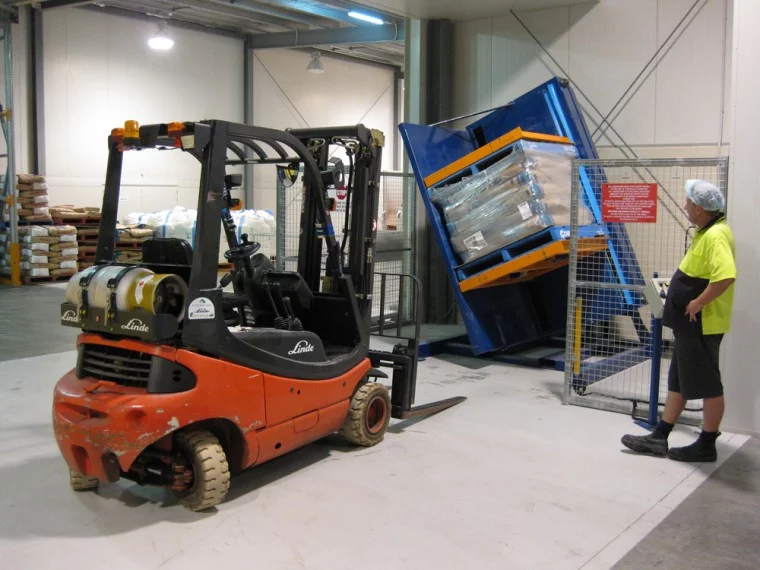
- Operator Training and Awareness: Properly trained operators can contribute to noise reduction through smooth and controlled operation. Training should emphasize minimizing impacts during pallet loading and unloading, avoiding abrupt machine movements, and promptly reporting any unusual noises or equipment malfunctions. Operators should be aware of the machine's noise characteristics and understand the importance of noise control measures.
- Optimized Pallet Handling Procedures: Streamlining pallet handling procedures can reduce unnecessary machine movements and impacts. Ensuring pallets are correctly sized and loaded within the machine's capacity prevents strain and potential noise from overloading. Avoiding damaged pallets, as emphasized in operating manuals, is also important as they can contribute to instability and noise during inversion.
- Administrative Controls (Supplementary Measures): While engineering controls are preferred, administrative controls can supplement noise reduction efforts. Job rotation or limiting exposure time for workers in high-noise areas around pallet inverters can help minimize individual noise dose. Providing designated quiet break areas away from production noise allows workers to recover from noise exposure.
Integrating Noise Reduction into Industrial Noise Management
Reducing noise from pallet inverter operations should be viewed as part of a broader industrial noise management strategy. A comprehensive approach includes:
- Noise Assessments: Conducting regular noise assessments using sound level meters is essential to identify high-noise areas and specific equipment contributing to noise pollution. These assessments provide data to prioritize noise control interventions and measure the effectiveness of implemented solutions.
- Hierarchy of Controls: Following the hierarchy of controls – elimination, substitution, engineering controls, administrative controls, and PPE – ensures that the most effective and sustainable noise reduction methods are prioritized. Engineering controls, as discussed, are typically the most effective for pallet inverter noise.
- Hearing Conservation Programs: In situations where noise levels remain above regulatory limits even after implementing controls, a hearing conservation program is mandatory. This includes regular audiometric testing for workers, provision of appropriate hearing protection (earplugs or earmuffs), and ongoing training on noise hazards and hearing protection.
- Buy-Quiet Initiatives: When purchasing new pallet inverters or replacing existing equipment, prioritize "buy-quiet" options. Many manufacturers now offer quieter versions of industrial machinery. Specifying noise level requirements in procurement processes encourages the adoption of quieter technologies.
Conclusion: Creating Quieter and More Efficient Pallet Inverter Operations
Reducing noise levels in pallet inverter operations is not only an ethical imperative for worker well-being but also a strategic advantage for industrial efficiency and regulatory compliance. By implementing a combination of engineering controls – focusing on quieter components, vibration management, and acoustic enclosures – and adhering to operational best practices, businesses can significantly mitigate unwanted noise. Integrating noise reduction into a comprehensive industrial noise management program ensures a proactive and sustainable approach to creating quieter, healthier, and more productive work environments around pallet inverter systems. Investing in noise control is an investment in a better workplace and a more responsible industrial operation.