
How to Prevent Mechanical Wear and Tear in Pallet Inverters?
[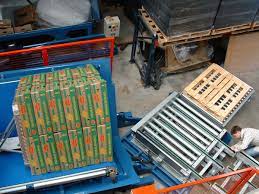
To prevent mechanical wear and tear in pallet inverters, regular maintenance is crucial. This includes consistent lubrication of moving parts, diligent cleaning to remove debris, thorough inspections for wear signs, and timely calibration. Proper maintenance ensures smooth operation, minimizes downtime, and extends the lifespan of your pallet inverter, protecting your investment and maintaining warehouse efficiency.
Understanding the Impact of Mechanical Wear on Pallet Inverter Durability
[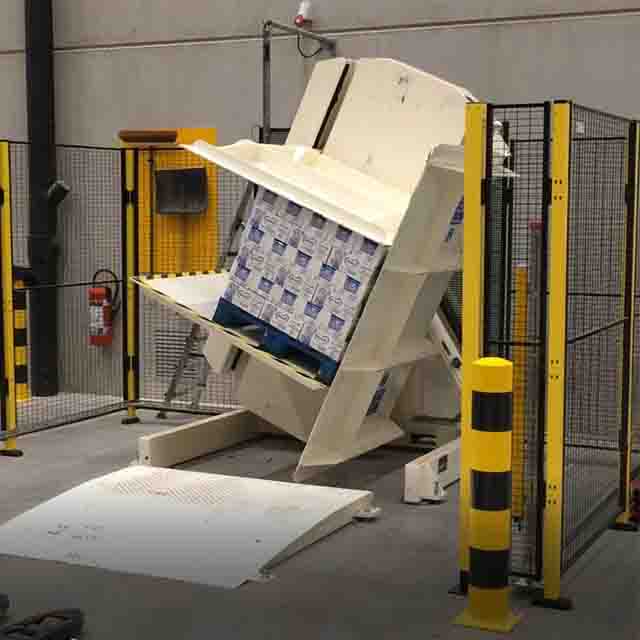
Pallet inverters are indispensable assets in modern warehouses and manufacturing facilities, streamlining material handling and boosting operational efficiency. These robust machines are designed to invert and rotate palletized loads, facilitating tasks such as pallet exchange, load transfer, and damaged goods removal. However, like all mechanical equipment, pallet inverters are susceptible to mechanical wear and tear over time. Understanding the nature of this wear and implementing preventive measures is crucial for ensuring equipment longevity, minimizing downtime, and maintaining a safe working environment.
Mechanical wear in pallet inverters refers to the gradual degradation of machine components due to friction, stress, and repetitive use. This wear and tear can manifest in various forms, affecting different parts of the inverter. Ignoring these issues can lead to decreased performance, costly repairs, and even complete equipment failure, disrupting workflow and impacting productivity. Therefore, a proactive approach to mechanical wear prevention is not merely about maintenance; it's about safeguarding your investment and ensuring the continuous, efficient operation of your material handling processes.
Key Areas of Mechanical Wear in Pallet Inverters
[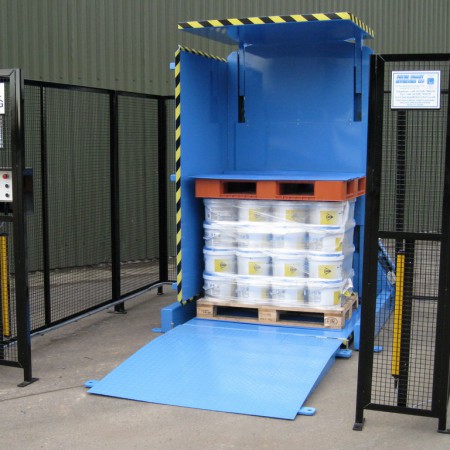
To effectively prevent mechanical wear, it's essential to pinpoint the components most vulnerable to degradation. Pallet inverters, while varying in design, typically share common critical areas susceptible to wear and tear:
Moving Parts and Friction Points
The heart of a pallet inverter's operation lies in its moving parts. These components, constantly in motion, are naturally prone to friction and wear. Key areas include:
- Clamp Slides: These slides facilitate the smooth movement of the clamping mechanism. Without proper lubrication, friction between sliding surfaces can lead to wear, causing jerky movements and reduced clamping efficiency.
- Rack and Pinion Systems: Often used in rotation mechanisms, rack and pinion systems endure significant stress during operation. Lack of lubrication and ingress of debris can accelerate wear on gear teeth, leading to backlash and inaccurate rotations.
- Cylinders and Pistons: Hydraulic or pneumatic cylinders power the lifting and rotating actions. Wear on cylinder walls, piston seals, and rod bearings can result in leaks, reduced power, and inefficient operation.
Hydraulic System Components
Hydraulic systems are the powerhouses of many pallet inverters, and their integrity is paramount for reliable performance. Components susceptible to wear include:
- Hydraulic Hoses and Fittings: Constant flexing and pressure cycles can cause hydraulic hoses to wear internally, leading to leaks and potential system failures. Fittings, if not properly tightened or maintained, can also become leak points.
- Hydraulic Pump: The pump is the central component of the hydraulic system, and wear within the pump – such as in gears or vanes – can reduce pressure output and overall system efficiency.
- Filters: While filters themselves don't experience mechanical wear in the traditional sense, clogged or neglected filters can lead to increased system pressure and strain, indirectly accelerating wear on other hydraulic components.
Electrical System Elements
While not strictly "mechanical," electrical components play a crucial role in controlling and operating the pallet inverter. Wear and tear in the electrical system can manifest as:
- Wiring and Connections: Vibration and movement can loosen wiring connections and abrade wire insulation, leading to intermittent faults, signal loss, and potential electrical hazards.
- Control Components: Relays, switches, and sensors are subject to electrical and mechanical wear over time. Contact degradation and mechanical fatigue can lead to malfunctions and unreliable operation.
Structural Integrity and Fasteners
The structural components of a pallet inverter provide the necessary framework and stability. Wear and tear in these areas can compromise safety and performance:
- Bolts and Fasteners: Vibration and operational stresses can loosen bolts and fasteners over time. Loose fasteners can lead to structural instability, increased wear on joints, and potential component failure.
- Frame and Welds: While robustly constructed, the frame and welds can experience fatigue cracks or stress fractures over prolonged use, especially under heavy loads or in demanding operating conditions.
Implementing a Proactive Maintenance Schedule
[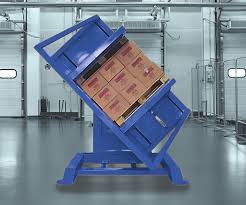
Preventing mechanical wear and tear requires a structured and consistent maintenance approach. A well-defined maintenance schedule, encompassing regular checks and proactive interventions, is the cornerstone of equipment longevity.
Regular Lubrication: Reducing Friction and Wear
Lubrication is arguably the most critical aspect of mechanical wear prevention. Consistent lubrication minimizes friction between moving parts, reducing heat generation and surface wear. Key lubrication practices include:
- Identifying Lubrication Points: Consult the manufacturer's manual to identify all lubrication points, including bearings, slides, gears, and cylinder rods.
- Selecting Appropriate Lubricants: Use lubricants recommended by the manufacturer or industry-standard equivalents. Different components may require specific types of lubricants – for example, grease for slides and oil for bearings.
- Establishing Lubrication Frequency: Determine lubrication frequency based on manufacturer recommendations and operational intensity. High-use inverters may require more frequent lubrication.
- Proper Application Techniques: Apply lubricants using appropriate methods, such as grease guns for grease fittings and oil cans for oil points. Avoid over-lubrication, which can attract dirt and debris.
Diligent Cleaning: Removing Contaminants
Cleanliness is paramount for preventing wear and tear. Dirt, dust, and debris act as abrasives, accelerating wear on moving parts and contaminating lubricants. Regular cleaning practices include:
- Routine Cleaning Schedule: Establish a cleaning schedule, ideally daily or at the end of each shift, to remove accumulated dirt and debris.
- Appropriate Cleaning Methods: Use appropriate cleaning methods, such as compressed air, brushes, and lint-free cloths. Avoid using harsh chemicals that could damage paint or seals.
- Focus on Critical Areas: Pay particular attention to cleaning moving parts, hydraulic components, and electrical enclosures. Remove debris from clamp slides, rack and pinion systems, and around cylinders.
Thorough Inspections: Identifying Early Warning Signs
Regular inspections are essential for detecting early signs of wear and tear, allowing for timely intervention before minor issues escalate into major problems. Inspection protocols should include:
- Daily Visual Inspections: Operators should conduct daily visual inspections before operation, checking for obvious signs of wear, leaks, loose parts, or damage.
- Scheduled Comprehensive Inspections: Implement a schedule for more detailed inspections, ideally weekly or monthly. These inspections should include:
- Checking for Loose Bolts and Fasteners: Systematically check and tighten all bolts and fasteners, paying particular attention to structural joints and moving part attachments.
- Inspecting Hydraulic Hoses and Fittings: Visually inspect hydraulic hoses for signs of wear, abrasions, cracks, or leaks. Check fittings for tightness and leaks.
- Monitoring Fluid Levels and Filter Condition: Regularly check hydraulic fluid levels and inspect the hydraulic filter condition. Replace filters according to the manufacturer's recommendations or when the filter condition indicator shows it's necessary.
- Examining Moving Parts for Wear: Inspect clamp slides, rack and pinion systems, and cylinders for signs of wear, damage, or improper lubrication.
- Verifying Electrical Connections and Wiring: Check for loose or damaged wiring, corroded connections, and ensure electrical enclosures are properly sealed.
Calibration and Adjustments: Ensuring Accurate Operation
Calibration ensures the pallet inverter operates within specified parameters, preventing undue stress and wear on components. Calibration and adjustment procedures include:
- Regular Calibration Checks: Schedule regular calibration checks, as per manufacturer recommendations, to ensure accurate load rotation and clamping pressure.
- Adjusting Clamping Pressure: Verify that the clamping pressure is correctly adjusted for different load types to prevent product damage and excessive stress on the clamping mechanism.
- Sensor Calibration: Calibrate sensors that monitor position, pressure, or load to ensure accurate feedback and control system performance.
Employee Training: Empowering Operators for Prevention
Well-trained operators are the first line of defense against mechanical wear and tear. Comprehensive training programs should cover:
- Safe Operating Procedures: Train operators on proper operating procedures, including load limits, safe handling practices, and emergency stop protocols.
- Basic Maintenance Tasks: Equip operators with the knowledge and skills to perform daily visual inspections, basic cleaning, and lubrication tasks.
- Identifying Potential Issues: Train operators to recognize early warning signs of mechanical wear, such as unusual noises, jerky movements, or leaks, and to report these issues promptly.
Addressing Common Issues to Minimize Wear
Even with diligent preventive maintenance, certain issues may arise. Promptly addressing these common problems can prevent accelerated wear and tear and minimize downtime.
Hydraulic System Failures: Early Detection and Repair
Hydraulic system failures can lead to significant downtime. Early detection and prompt repair are crucial. Common signs of hydraulic issues include:
- Fluid Leaks: Any visible hydraulic fluid leaks should be addressed immediately. Identify the source of the leak and repair or replace the affected component.
- Reduced Power or Slow Operation: A decrease in lifting or rotating power, or sluggish operation, can indicate hydraulic pump wear or system pressure issues.
- Unusual Noises: Grinding, whining, or hissing noises from the hydraulic system can signal pump problems, air in the system, or restrictions.
Motor Failures: Preventing Overload and Overheating
Motor failures can halt pallet inverter operation. Preventive measures include:
- Avoiding Overloading: Never exceed the pallet inverter's rated load capacity. Overloading puts excessive strain on the motor and drive system.
- Ensuring Proper Ventilation: Ensure the motor is adequately ventilated to prevent overheating. Keep motor cooling vents clear of obstructions.
- Regular Motor Inspections: Periodically inspect the motor for signs of overheating, unusual noises, or vibration.
Electrical Issues: Prompt Troubleshooting and Repair
Electrical issues can range from minor inconveniences to complete system shutdowns. Address electrical problems promptly:
- Troubleshooting Intermittent Faults: Investigate intermittent electrical faults, such as flickering lights or sporadic control malfunctions, to identify and repair loose connections or wiring issues.
- Professional Electrical Inspections: Schedule periodic electrical inspections by qualified technicians to identify potential problems before they lead to failures.
Environmental Factors and Equipment Longevity
The operating environment significantly impacts pallet inverter longevity and wear and tear. Consider environmental factors when implementing preventive measures:
Temperature and Humidity
Extreme temperatures and humidity can accelerate wear.
- Temperature Extremes: Avoid operating pallet inverters in extreme temperatures outside their specified operating range.
- Humidity Control: In humid environments, consider measures to control humidity levels to prevent corrosion and moisture-related damage, especially to electrical components.
Dust and Debris
Dusty and debris-filled environments increase wear and tear.
- Dust Control Measures: Implement dust control measures in the operating area to minimize dust accumulation on the pallet inverter.
- Increased Cleaning Frequency: Increase cleaning frequency in dusty environments to remove abrasive particles and prevent them from entering moving parts.
Corrosive Environments
Corrosive environments, such as those involving chemicals or salt, can accelerate corrosion and component degradation.
- Protective Coatings: Consider applying protective coatings to pallet inverter components to resist corrosion in harsh environments.
- Material Selection: When selecting pallet inverters for corrosive environments, consider models constructed from corrosion-resistant materials.
The Return on Investment of Preventive Maintenance
Investing in preventive maintenance for pallet inverters is not an expense; it's a strategic investment that yields significant returns. The ROI of preventive maintenance manifests in several key areas:
Reduced Repair Costs and Downtime
Proactive maintenance significantly reduces the likelihood of major breakdowns and costly repairs. By addressing minor issues early, you prevent them from escalating into major failures that require extensive repairs and prolonged downtime. Reduced downtime translates directly to increased productivity and operational efficiency.
Extended Equipment Lifespan
Consistent preventive maintenance extends the operational lifespan of your pallet inverter. Well-maintained equipment experiences less wear and tear, delaying the need for replacement and maximizing your initial investment.
Improved Operational Efficiency
Properly maintained pallet inverters operate at peak efficiency. Smoothly functioning moving parts, optimized hydraulic systems, and reliable electrical controls ensure consistent and efficient material handling, boosting overall warehouse productivity.
Enhanced Safety
Preventive maintenance contributes to a safer working environment. Regular inspections and timely repairs identify and address potential safety hazards, reducing the risk of accidents and injuries related to equipment malfunction.
Conclusion: Prioritizing Prevention for Pallet Inverter Longevity
Preventing mechanical wear and tear in pallet inverters is not merely a maintenance task; it's a strategic imperative for ensuring operational efficiency, minimizing costs, and maximizing equipment lifespan. By implementing a comprehensive preventive maintenance program that encompasses regular lubrication, diligent cleaning, thorough inspections, and proactive issue resolution, you can significantly reduce wear and tear, extend the life of your pallet inverters, and safeguard your investment. Prioritizing prevention is the key to unlocking the full potential of your pallet inverter, ensuring its reliable and efficient operation for years to come, and maintaining a productive and safe material handling environment.