
How to Optimize Pallet Inverter Performance for Heavy-Duty Construction Materials?
To optimize pallet inverter performance for heavy-duty construction materials, prioritize regular maintenance, including lubrication and inspections, select a robust industrial-grade inverter with high load capacity, and ensure proper employee training on safe operation and load securing techniques. These steps will enhance efficiency, minimize downtime, and ensure safe handling of heavy materials.
Pallet inverters stand as indispensable assets in modern material handling, particularly within the demanding realm of heavy-duty construction materials. These robust machines are engineered to streamline operations by efficiently and safely rotating or inverting palletized loads. For industries dealing with hefty and often unwieldy construction materials – think bricks, concrete blocks, timber, and steel components – optimizing the performance of pallet inverters is not merely about enhancing productivity; it's about ensuring operational safety, minimizing material damage, and achieving significant cost efficiencies. This article delves into the critical strategies for maximizing the effectiveness of pallet inverters when handling heavy-duty construction materials, drawing upon industry best practices and practical insights.
Understanding the Critical Role of Pallet Inverters in Construction Material Handling
In the construction sector, the efficient movement and management of materials directly impact project timelines and profitability. Heavy-duty construction materials pose unique handling challenges due to their weight, size, and often, their fragility. Traditional manual handling methods are labor-intensive, time-consuming, and pose significant risks of injury and material damage. Pallet inverters offer a mechanized solution to these challenges, providing a safer, faster, and more efficient way to manage palletized loads of construction materials.
Pallet inverters work by clamping and rotating or flipping entire pallet loads. This capability is crucial for several key operations within construction material handling:
- Pallet Exchange: Construction materials are often shipped on pallets that may be damaged or unsuitable for internal warehouse systems. Pallet inverters allow for quick and easy transfer of materials from shipping pallets to in-house pallets without manual restacking.
- Damaged Goods Removal: If materials at the bottom of a pallet are damaged, a pallet inverter enables easy access to these goods for removal or replacement without disturbing the entire load.
- Load Stabilization: Inverting or rotating loads can help restabilize materials that have shifted during transit, reducing the risk of collapse and damage.
- Flipping Loads for Access: Certain construction materials may need to be accessed from the bottom of the pallet. Pallet inverters facilitate this without requiring manual lifting or dismantling of the load.
By automating these processes, pallet inverters significantly reduce manual labor, speed up material handling workflows, and minimize the potential for product damage and workplace injuries, all of which are paramount in the heavy-duty construction materials industry.
Selecting the Right Pallet Inverter for Heavy-Duty Construction Materials
The foundation of optimized pallet inverter performance lies in selecting the appropriate machine for the specific demands of heavy-duty construction materials. Not all pallet inverters are created equal, and choosing a model that is underpowered or ill-suited for the task can lead to inefficiencies, breakdowns, and safety hazards. Here are key considerations for selection:
- Load Capacity: This is paramount. Heavy-duty construction materials are, by definition, heavy. Ensure the pallet inverter's load capacity significantly exceeds the maximum weight of your typical pallet loads. Look for industrial-grade models designed to handle capacities ranging from 4,400 lbs to 25,000 lbs or even higher for specialized applications.
- Jaw Opening and Dimensions: Construction materials come in various sizes and pallet configurations. The pallet inverter's jaw opening must be wide and adjustable enough to accommodate the largest pallets you use. Consider models with maximum jaw openings of 98 inches or more to handle oversized loads comfortably. The loading table dimensions should also be sufficient to support the pallet size securely.
- Durability and Construction: Heavy-duty applications demand robust construction. Opt for pallet inverters built with industrial-grade steel, ideally stainless steel for enhanced longevity and resistance to wear and tear, especially in potentially harsh construction environments. A fixed, stationary design often provides greater stability and durability for heavy, frequent use compared to mobile models.
- Hydraulic System Strength: The hydraulic system is the engine of a pallet inverter. For heavy-duty materials, a powerful and reliable hydraulic system is crucial for smooth and consistent operation, ensuring the inverter can handle repeated cycles of inverting heavy loads without strain or failure.
- Type of Inverter: For heavy-duty construction materials, stationary pallet inverters are generally preferred over portable models due to their increased stability and load capacity. Consider the specific type of rotation or inversion needed:
- 90-degree rotators: Ideal for pallet exchange and general load access.
- 180-degree inverters (full inversion): Necessary for tasks requiring complete inversion of the load.
- Customizable inverters: For highly specialized materials or unique handling requirements, explore custom pallet inverters built to your specifications.
- Cycle Time: While not the primary factor for heavy-duty materials (safety and capacity are), a reasonable cycle time contributes to overall efficiency. Look for models with cycle times around 45 seconds, striking a balance between speed and controlled, safe operation.
By carefully assessing these factors and matching them to your specific material handling needs, you can select a pallet inverter that is inherently optimized for handling heavy-duty construction materials.
Optimizing Performance Through Regular and Proactive Maintenance
Even the most robust pallet inverter will underperform and potentially fail prematurely without consistent and diligent maintenance. For heavy-duty applications, maintenance is not an option; it's a necessity for ensuring optimal performance, safety, and longevity. A comprehensive maintenance program should include:
- Daily Inspections: Before each shift, operators should conduct a visual inspection of the pallet inverter, checking for:
- Loose or Damaged Components: Pay close attention to clamps, hydraulic hoses, cylinders, and the frame for any signs of wear, cracks, or looseness.
- Hydraulic Fluid Leaks: Check for leaks around hoses, fittings, and the hydraulic pump. Leaks can indicate system wear and lead to performance issues and potential hazards.
- Electrical Wiring and Controls: Inspect wiring for fraying or damage and ensure controls are responsive and functioning correctly.
- Safety Devices: Verify that safety guards, emergency stop buttons, and interlocking systems are in place and operational.
- Regular Lubrication: Friction is the enemy of machinery, especially under heavy loads. Establish a schedule for lubricating all moving parts, including hinges, pivots, and rollers, using appropriate industrial-grade lubricants. Regular lubrication reduces wear and tear, ensures smooth operation, and prevents premature component failure.
- Hydraulic System Maintenance: The hydraulic system is critical and requires specific attention:
- Fluid Level Checks: Regularly check and maintain the hydraulic fluid level according to the manufacturer's recommendations.
- Fluid Changes: Hydraulic fluid degrades over time. Adhere to a schedule for changing the hydraulic fluid and filters to maintain system cleanliness and efficiency.
- Pressure Checks: Periodically check hydraulic pressure to ensure it is within the specified operating range. Incorrect pressure can indicate system problems.
- Calibration: Pallet inverters rely on precise mechanisms. Regular calibration ensures accurate rotation and clamping force, which is critical for safe and effective handling of heavy loads. Schedule calibration checks as recommended by the manufacturer, or more frequently if the inverter is used in high-demand, heavy-duty applications.
- Professional Servicing: Supplement in-house maintenance with scheduled professional servicing by qualified technicians. Professionals can conduct in-depth inspections, identify potential issues before they become major problems, and perform complex maintenance tasks like hydraulic system overhauls or component replacements.
- Record Keeping: Maintain detailed records of all maintenance activities, inspections, repairs, and servicing. This documentation helps track maintenance schedules, identify recurring issues, and provides a history for warranty claims and future maintenance planning.
Proactive and consistent maintenance not only optimizes the performance of pallet inverters but also significantly extends their lifespan, reduces costly downtime due to breakdowns, and enhances workplace safety.
Enhancing Operational Efficiency and Workflow Integration
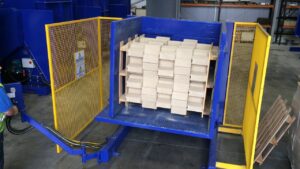
Optimizing pallet inverter performance also involves integrating the machine effectively into your overall material handling workflow and streamlining operational procedures. Consider these aspects:
- Strategic Placement: Position the pallet inverter strategically within your warehouse or construction site layout. Place it in a location that minimizes travel distances for forklifts and material flow, reducing cycle times and congestion. For stationary inverters, dedicate a specific, easily accessible area for pallet inversion operations.
- Forklift Compatibility: Ensure seamless compatibility between your forklifts and the pallet inverter. The inverter should be easily accessible and positioned for safe and efficient forklift loading and unloading. Consider forklift pallet inverter attachments for enhanced maneuverability and control.
- Operator Training and Standardization: Properly trained operators are crucial for efficient and safe operation. Implement comprehensive training programs that cover:
- Safe Operating Procedures: Emphasize safety protocols, load limits, proper clamping techniques, and emergency procedures.
- Routine Maintenance Checks: Train operators to perform daily inspections and basic maintenance tasks.
- Efficient Loading and Unloading Techniques: Optimize forklift operation around the inverter to minimize cycle times and ensure smooth material flow.
- Standardized Procedures: Establish clear and standardized operating procedures for all pallet inversion tasks to ensure consistency and efficiency across shifts and operators.
- Workflow Optimization: Analyze your material handling workflow to identify bottlenecks and areas for improvement around the pallet inverter operation. Consider:
- Pre-staging Areas: Designate areas for staging pallets before and after inversion to minimize forklift waiting times.
- Clear Pathways: Ensure clear and unobstructed pathways for forklifts to and from the pallet inverter.
- Integration with Inventory Systems: If possible, integrate pallet inverter operations with your inventory management system to track material movements and improve overall inventory control.
- Customization for Specific Materials: For specific types of heavy-duty construction materials with unique handling characteristics (e.g., fragile bricks, uneven timber stacks), explore customization options for your pallet inverter. This could include adjustable clamping pressure, specialized clamping plates, or modified rotation speeds to optimize handling and minimize damage.
By focusing on workflow integration and operator training, you can maximize the throughput and efficiency of your pallet inverter, turning it into a seamless and productive component of your heavy-duty material handling system.
Prioritizing Safety in Heavy-Duty Pallet Inverter Operations
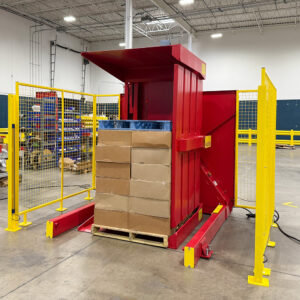
Safety is paramount when dealing with heavy-duty construction materials and powerful machinery like pallet inverters. A robust safety program is essential to protect employees and prevent accidents. Key safety measures include:
- Comprehensive Training: As mentioned earlier, thorough operator training is the cornerstone of safety. Emphasize hazard awareness, safe operating procedures, emergency protocols, and the importance of pre-shift inspections.
- Personal Protective Equipment (PPE): Mandate the use of appropriate PPE for all personnel operating or working near pallet inverters. This includes hard hats, safety glasses, steel-toe boots, and high-visibility vests.
- Safety Guards and Interlocks: Ensure all safety guards and interlock systems on the pallet inverter are in place and functioning correctly. Never bypass or disable safety features.
- Emergency Stop Buttons: Emergency stop buttons must be readily accessible and clearly marked. Operators should be trained on their location and use in emergency situations.
- Load Securing Procedures: Strictly adhere to load capacity limits and implement procedures for properly securing loads before inversion. Unevenly loaded or unsecured pallets pose a significant safety risk.
- Regular Safety Audits: Conduct periodic safety audits of pallet inverter operations to identify potential hazards, assess compliance with safety procedures, and implement corrective actions.
- Clear Signage and Warnings: Post clear safety signage and warning labels around the pallet inverter operating area, highlighting potential hazards and safety procedures.
- Maintenance Lockout/Tagout Procedures: Implement and strictly enforce lockout/tagout procedures during maintenance and repair work to prevent accidental machine start-up and ensure worker safety.
- Safe Distance and Exclusion Zones: Establish clear exclusion zones around the pallet inverter during operation to prevent unauthorized personnel from entering hazardous areas.
By prioritizing safety in all aspects of pallet inverter operation, you can create a safer working environment, reduce the risk of accidents and injuries, and foster a culture of safety consciousness within your organization.
Conclusion: Investing in Optimization for Long-Term Gains
Optimizing pallet inverter performance for heavy-duty construction materials is a multifaceted endeavor that encompasses machine selection, proactive maintenance, workflow integration, and a strong commitment to safety. By investing in these key areas, businesses handling heavy construction materials can unlock significant benefits:
- Increased Efficiency and Productivity: Streamlined material handling workflows and reduced manual labor translate directly to increased efficiency and higher throughput.
- Reduced Labor Costs: Automation of pallet inversion tasks minimizes labor requirements, leading to substantial cost savings over time.
- Minimized Material Damage: Safe and controlled pallet inversion reduces the risk of product damage during handling, preserving material integrity and reducing waste.
- Enhanced Workplace Safety: Properly maintained and operated pallet inverters, coupled with robust safety procedures, create a safer working environment and reduce the risk of workplace injuries.
- Extended Equipment Lifespan: Regular maintenance and proper operation prolong the lifespan of pallet inverters, maximizing return on investment.
In the demanding environment of heavy-duty construction material handling, an optimized pallet inverter is more than just a machine; it's a strategic asset that contributes to operational excellence, cost-effectiveness, and a safer, more productive workplace. By focusing on the optimization strategies outlined in this article, businesses can ensure their pallet inverters operate at peak performance, delivering lasting value and a competitive edge.