How to Optimize Pallet Inverter Performance for Heavy-Duty Construction Materials?
To optimize pallet inverter performance for heavy-duty construction materials, consider investing in industrial-grade models with high load capacities, ensuring compatibility with forklifts, and implementing regular maintenance schedules. Customization options and focusing on safety features will further enhance efficiency and longevity, reducing downtime and boosting productivity in demanding construction environments.
The construction sector, known for its demanding operations and the sheer weight of materials handled, constantly seeks efficiency and safety improvements. Pallet inverters emerge as pivotal equipment in this quest, especially when dealing with heavy-duty construction materials. Optimizing the performance of these inverters is not just about speed; it's about ensuring the seamless flow of operations, minimizing material damage, and upholding stringent safety standards on construction sites and in material handling facilities. This article delves into the essential strategies for maximizing pallet inverter efficiency when working with hefty construction loads.
Understanding Pallet Inverters in Construction Material Handling
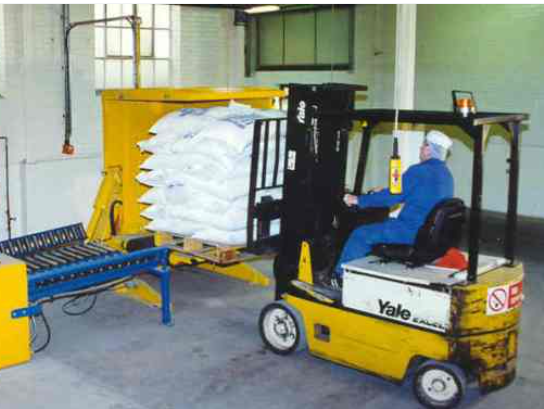
Pallet inverters are robust machines designed to rotate or invert palletized loads, offering a safer and more efficient alternative to manual handling. In construction, where materials range from hefty concrete blocks and stacks of tiles to bags of cement and timber, the benefits of pallet inverters are pronounced. They eliminate the need for laborious manual restacking, reduce the risk of worker injury, and minimize product damage during pallet exchange or damaged goods retrieval.
At their core, pallet inverters utilize hydraulic or mechanical systems to clamp and rotate pallet loads. This functionality is crucial in construction material handling for several reasons:
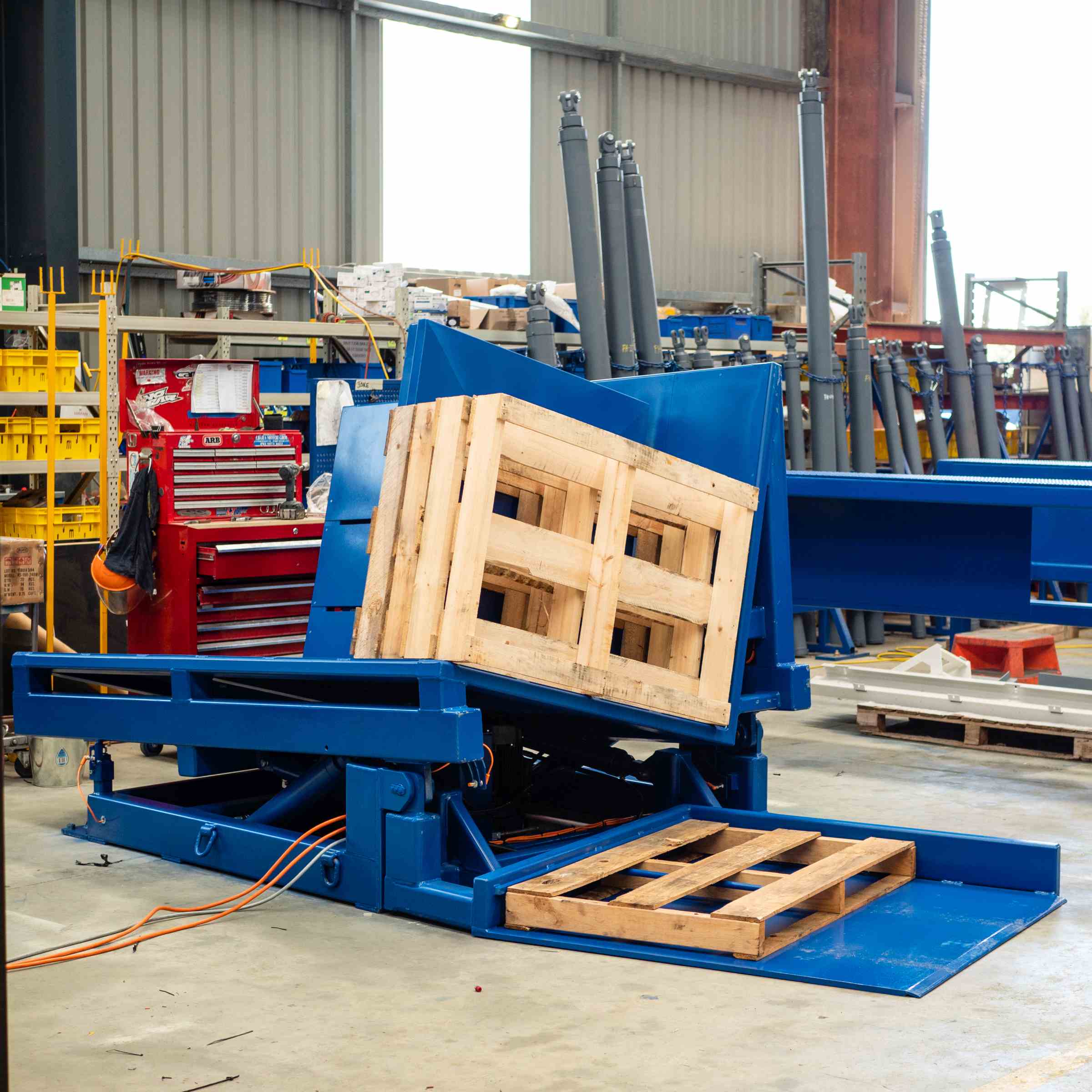
- Pallet Exchange: Construction materials are often delivered on pallets that are not suitable for long-term storage or internal handling. Pallet inverters facilitate quick and easy transfer of materials to different pallet types, such as switching from wooden to more durable or hygienic plastic pallets.
- Damage Mitigation: Heavy construction materials are susceptible to damage during transit. Pallet inverters allow for the easy inversion of loads to access and remove damaged items located at the bottom of a stack without manually unloading the entire pallet.
- Efficient Inventory Management: Inverting pallets allows for quick inspection of goods and facilitates better stock rotation, crucial for materials with expiry dates or those sensitive to storage conditions.
- Space Optimization: By enabling efficient pallet handling and load squaring, inverters contribute to better warehouse space utilization, a valuable asset in any construction material storage facility.
Selecting the Right Pallet Inverter for Heavy-Duty Construction
Choosing the appropriate pallet inverter is the first step towards optimizing performance. For heavy-duty construction materials, certain features and specifications become paramount:
Capacity is Key
Construction materials are often significantly heavier than goods in other industries. Therefore, capacity is the most critical factor. Opt for pallet inverters explicitly designed for heavy loads, with capacities ranging from 4,400 lbs up to 25,000 lbs or even more for specialized applications. Ensure the chosen model comfortably handles the maximum weight of your typical palletized construction materials to prevent strain and ensure safe operation.
Industrial-Grade Construction and Durability
The construction environment is demanding, often involving dust, debris, and rugged use. Pallet inverters for this sector must be built to withstand these conditions. Look for industrial-grade construction, preferably with robust steel frames and components. Stainless steel options are available for enhanced longevity and resistance to corrosion, especially beneficial if dealing with materials that might cause chemical reactions or in outdoor settings.
Compatibility and Integration
Seamless integration with existing material handling equipment is crucial for efficiency. Ensure the pallet inverter is compatible with the forklifts used in your operations. Models designed for forklift loading and unloading will streamline workflows. Consider stationary models for high-throughput areas and portable options for flexibility across different construction sites or warehouse locations.
Types of Pallet Inverters Suited for Construction
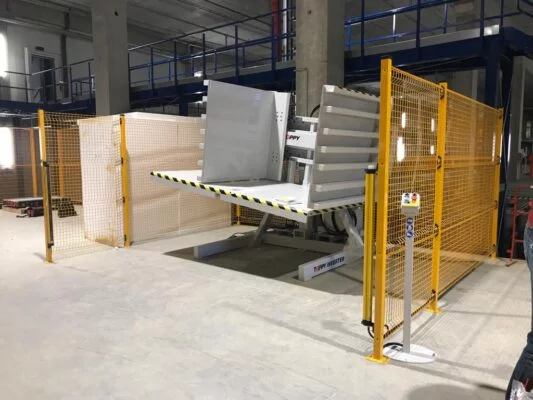
- Stationary Pallet Inverters: These are ideal for fixed locations within warehouses or distribution centers. Their robust design and high load capacity make them well-suited for handling heavy construction materials in centralized processing areas.
- Heavy-Duty Pallet Inverters: Specifically engineered for exceptionally heavy loads, these inverters are a must for businesses dealing with bulk construction materials. Look for models with reinforced frames and enhanced hydraulic systems.
- 90-Degree Rotator Inverters: These are particularly useful when precise load rotation is needed, for example, when replacing damaged pallets or accessing specific layers within a pallet load of construction supplies.
Performance Enhancement Strategies for Construction Materials
Once the right pallet inverter is in place, several strategies can be employed to optimize its performance when handling heavy-duty construction materials:
Cycle Time Optimization
Efficiency in construction material handling directly impacts project timelines. Opt for pallet inverters with a fast cycle time. Many models boast a cycle time of around 45 seconds, which is crucial for maintaining a high pace of operations. Analyze your workflow to identify bottlenecks and choose inverter models that minimize turnaround time without compromising safety.
Customization for Specific Material Needs
Construction materials vary widely in shape, size, and fragility. Explore customization options to tailor the pallet inverter to your specific needs. This could include adjustable clamping mechanisms to accommodate different load dimensions, or specialized surfaces to handle delicate materials like tiles or glass sheets without causing damage.
Regular and Preventative Maintenance
Heavy-duty use in construction environments necessitates rigorous maintenance schedules. Regular inspections, lubrication of moving parts, and hydraulic system checks are vital. Implement a preventative maintenance program to identify and address potential issues before they lead to downtime. Ensure readily available spare parts and consider service contracts with suppliers for prompt support and repairs.
Operator Training and Best Practices
Even the most advanced pallet inverter is only as effective as its operator. Comprehensive training is essential to ensure safe and efficient operation. Training should cover:
- Safe operating procedures and emergency protocols.
- Proper loading and unloading techniques for various types of construction materials.
- Routine checks and basic maintenance tasks operators can perform.
- Understanding the inverter’s capacity and limitations to prevent overloading.
Safety Prioritization in Construction Settings
Safety is paramount, especially in the demanding environment of construction material handling. Integrate safety features and protocols rigorously:
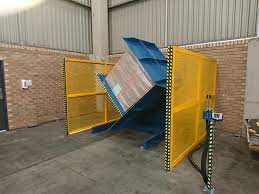
- Safety Guards and Interlocks: Ensure the pallet inverter is equipped with adequate safety guards to protect operators from moving parts. Interlock systems that prevent operation if safety mechanisms are not engaged are also crucial.
- Emergency Stop Buttons: Strategically placed emergency stop buttons should be easily accessible to halt operation immediately in case of any anomaly.
- Clear Operational Zones: Define clear operational zones around the pallet inverter to prevent unauthorized access during operation.
- Personal Protective Equipment (PPE): Mandate the use of appropriate PPE, including safety shoes, gloves, and eyewear, for all personnel operating or working near pallet inverters.
Investment and ROI in Construction Material Handling
Investing in a high-quality pallet inverter represents a significant upfront cost, but the return on investment (ROI) in construction material handling is compelling. The benefits translate to tangible cost savings and operational improvements:
- Reduced Labor Costs: Automating pallet inversion reduces the need for manual labor, decreasing labor costs and freeing up personnel for other tasks.
- Minimized Product Damage: By handling materials more gently and securely, pallet inverters significantly reduce damage to valuable construction materials, cutting down on waste and replacement costs.
- Increased Productivity: Faster cycle times and streamlined workflows lead to increased throughput in material handling operations, accelerating project timelines.
- Improved Workplace Safety: Reducing manual handling minimizes the risk of workplace injuries, lowering potential costs associated with accidents and insurance claims.
- Enhanced Space Utilization: Efficient pallet handling and load management contribute to better warehouse organization and space utilization, which can be particularly valuable in space-constrained construction sites or storage facilities.
Conclusion: Elevating Construction Material Handling with Optimized Pallet Inverters
Optimizing pallet inverter performance for heavy-duty construction materials is a multifaceted endeavor. It begins with selecting the right equipment—robust, high-capacity, and suited to the specific demands of construction materials. It extends to implementing strategic operational practices, rigorous maintenance, and a steadfast commitment to safety.
By prioritizing these aspects, construction companies can transform their material handling processes, achieving enhanced efficiency, reduced costs, and a safer working environment. As the construction industry continues to evolve, embracing advanced material handling solutions like optimized pallet inverters will be crucial for maintaining competitiveness and operational excellence. Investing in and properly utilizing pallet inverters is not just an equipment upgrade—it's a strategic move towards smarter, safer, and more productive construction operations.