
How to Optimize Pallet Inverter Performance for Heavy-Duty Applications?
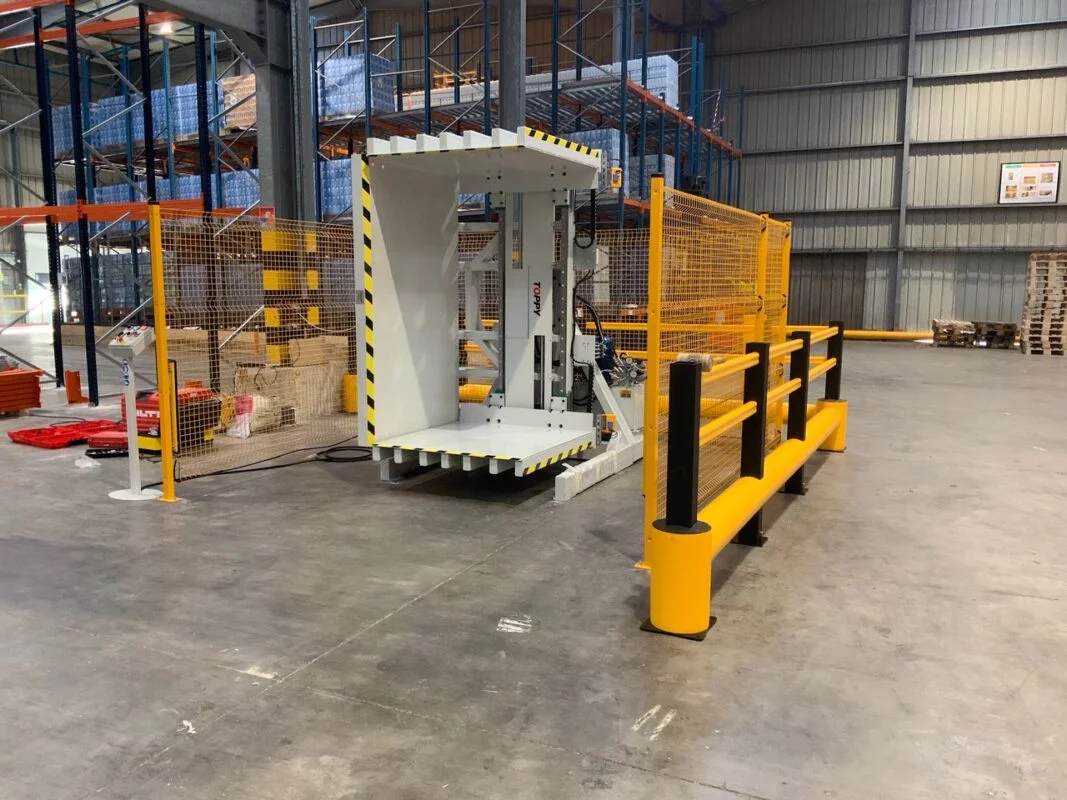
To optimize pallet inverter performance for heavy-duty applications, it's crucial to focus on load capacity, robust construction, and regular maintenance. Ensuring proper employee training and integrating safety protocols are also essential for maximizing efficiency and longevity in demanding industrial operations.
Understanding the Demands of Heavy-Duty Pallet Inversion
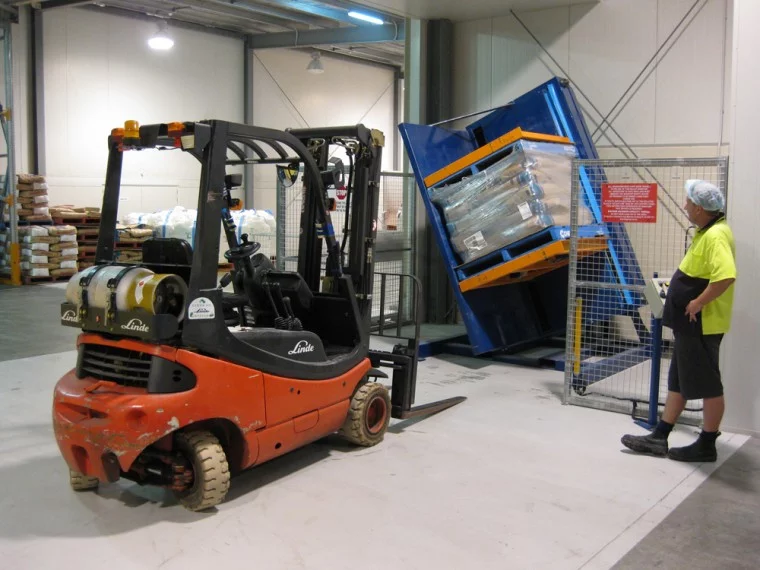
In today's fast-paced industrial landscape, heavy-duty applications demand material handling solutions that are not only robust but also exceptionally efficient. Pallet inverters have emerged as critical equipment in optimizing warehouse and production operations by streamlining pallet load handling. For heavy-duty scenarios, the performance expectations are amplified. These applications often involve extremely heavy loads, continuous operation, and rigorous environmental conditions. Therefore, optimizing the performance of pallet inverters in these demanding settings is paramount for maintaining productivity, ensuring safety, and minimizing operational costs.
Heavy-duty pallet inverters are engineered to handle substantial weight and volume, often found in sectors like manufacturing, heavy industry, and large-scale distribution. Unlike standard models, heavy-duty inverters are built with reinforced frames, more powerful hydraulic systems, and enhanced clamping mechanisms to withstand constant, demanding use. Understanding these inherent differences is the first step in effectively optimizing their performance. We must consider the specific challenges that heavy-duty environments present and tailor our optimization strategies accordingly.
Key Components for Heavy-Duty Optimization
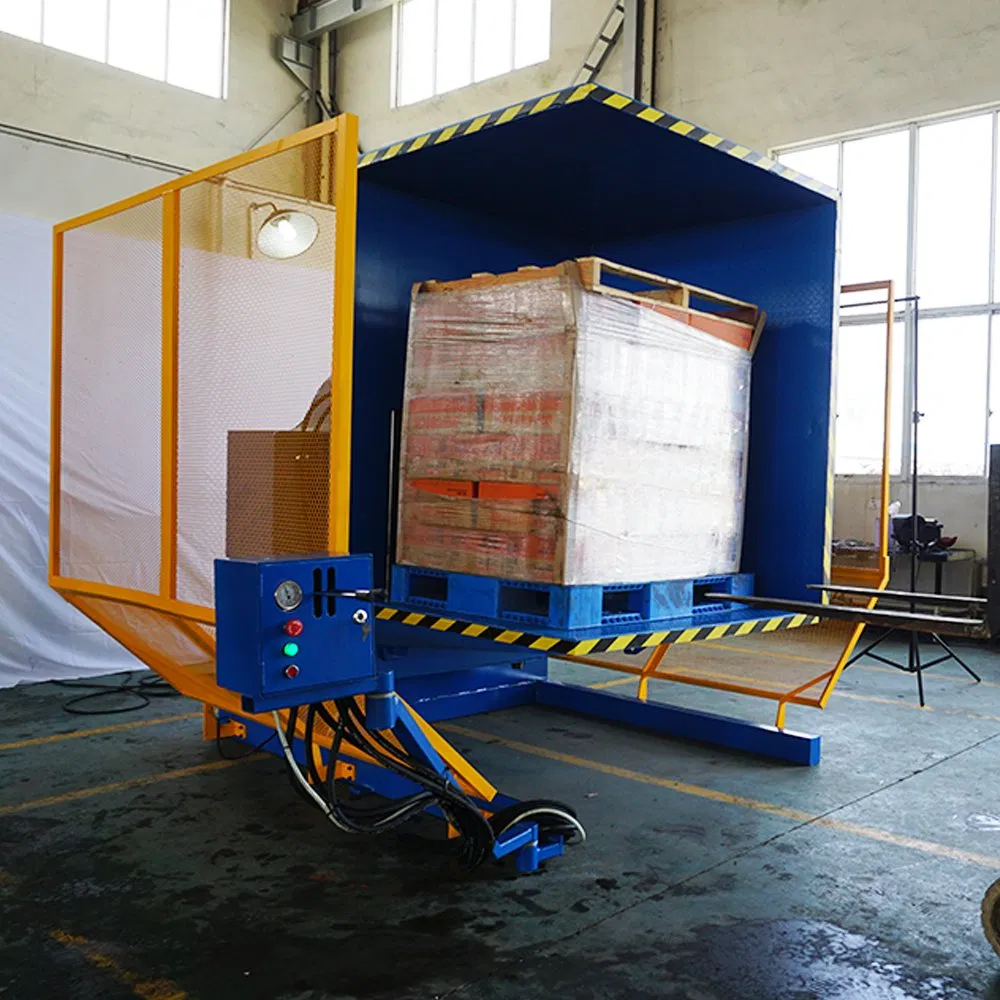
The performance of a heavy-duty pallet inverter is intrinsically linked to its core components. Optimizing these elements is essential for achieving peak efficiency and longevity in demanding applications.
Robust Frame Construction
The frame is the backbone of any pallet inverter, and in heavy-duty models, its robustness is non-negotiable. Constructed from high-grade steel, the frame must withstand immense stress and strain from consistently handling heavy loads. Optimization here focuses on regular inspections for signs of fatigue, wear, or structural compromise. Welds should be checked for cracks, and bolts tightened to ensure structural integrity. Preventative measures such as rust inhibitors and protective coatings can further extend the frame's lifespan in harsh industrial environments.
High-Capacity Hydraulic System
Heavy-duty pallet inverters rely on powerful hydraulic systems to generate the force needed for inverting massive loads. Optimization of this system involves several key aspects:
- Regular Fluid Checks: Hydraulic fluid levels and quality are critical. Contaminated or low fluid can lead to reduced performance and increased wear. Scheduled fluid changes and filtration are essential.
- Pressure Monitoring and Adjustment: Maintaining optimal hydraulic pressure ensures efficient operation without overstressing the system. Regular monitoring and adjustment according to manufacturer specifications are necessary.
- Leak Detection and Repair: Hydraulic leaks not only reduce efficiency but also pose safety hazards. Prompt detection and repair of leaks are crucial for both performance and safety.
- Component Inspection: Hoses, cylinders, and pumps should be regularly inspected for wear, damage, and leaks. Timely replacement of worn components prevents system failures and maintains performance.
Precision Clamping Mechanism
The clamping mechanism is responsible for securely holding the pallet load during inversion. In heavy-duty applications, this mechanism must be exceptionally reliable to prevent load shifting or drops, which could lead to product damage and safety incidents. Optimization strategies include:
- Clamp Pad Inspection and Maintenance: Clamp pads, which make direct contact with the load, should be inspected for wear and tear. Replacing worn pads ensures a firm grip and protects the load.
- Adjustment and Calibration: The clamping pressure must be adjustable to accommodate different load types and weights. Regular calibration ensures that the clamping force is appropriate and consistent.
- Sensor and Control System Checks: Many heavy-duty inverters use sensors to ensure proper clamping and load security. Regular checks and calibration of these sensors are vital for reliable operation.
Enhancing Operational Efficiency in Heavy-Duty Environments
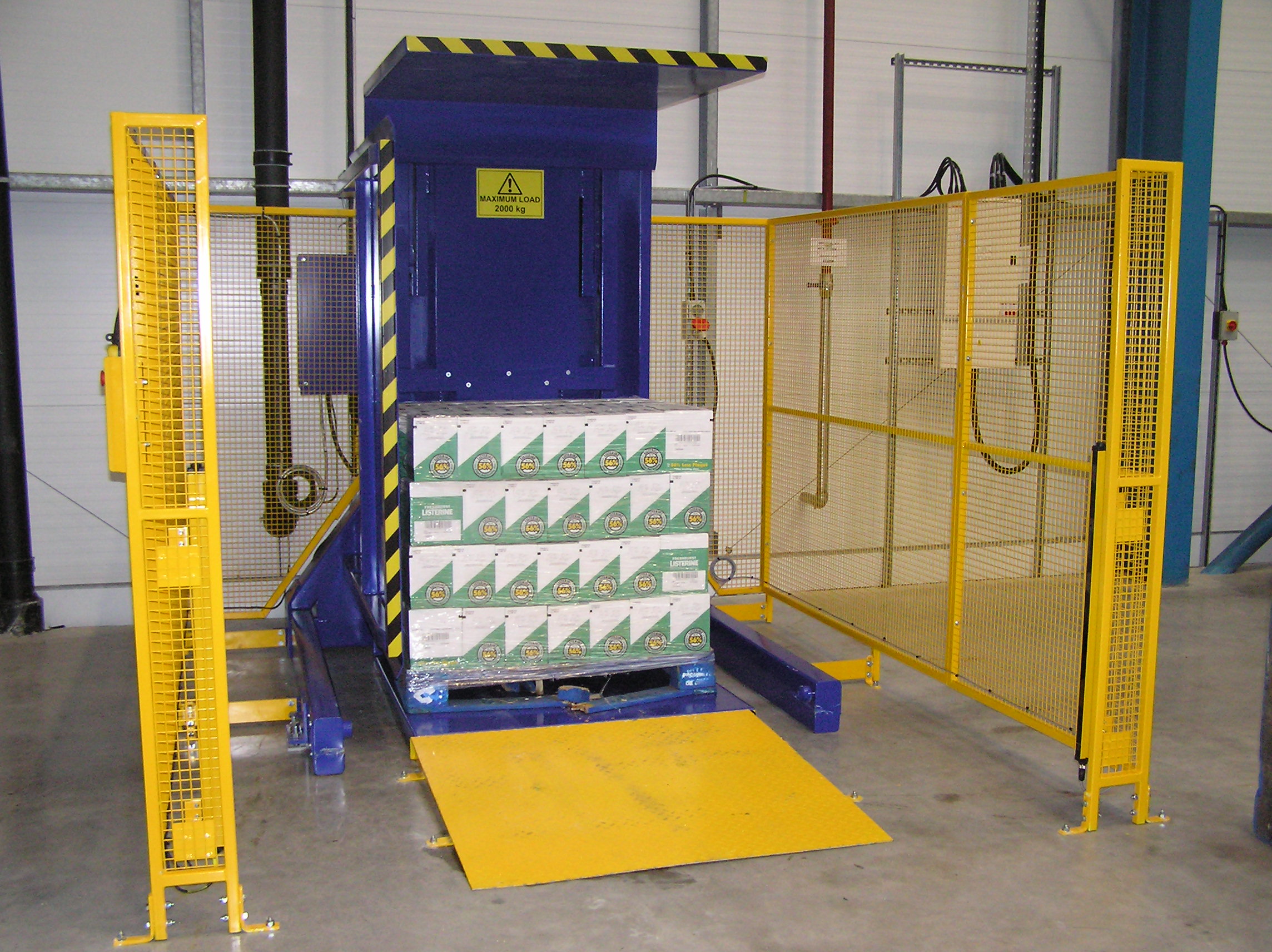
Beyond component optimization, operational strategies play a crucial role in maximizing the performance of heavy-duty pallet inverters.
Strategic Placement and Workflow Integration
The physical location of the pallet inverter within the facility significantly impacts its efficiency. In heavy-duty operations, consider:
- Proximity to High-Volume Areas: Positioning the inverter in close proximity to areas with the highest pallet turnover minimizes travel time and maximizes throughput.
- Integration with Forklift Traffic: Ensure smooth and unobstructed access for forklifts loading and unloading the inverter. Optimizing traffic flow around the inverter reduces bottlenecks and enhances overall efficiency.
- Inline Integration: For continuous, high-volume operations, integrating the pallet inverter into an automated production or conveyor line can significantly streamline workflow and reduce manual handling.
Operator Training and Best Practices
Even the most advanced heavy-duty pallet inverter relies on skilled operators. Comprehensive training is paramount for safe and efficient operation. Key training areas include:
- Safe Operating Procedures: Thorough training on safe loading, unloading, and inversion procedures is crucial for preventing accidents and product damage.
- Load Capacity Awareness: Operators must be trained to understand and respect the inverter's load capacity limits to prevent equipment damage and safety hazards.
- Emergency Procedures: Training should include emergency stop procedures and protocols for handling malfunctions or unexpected situations.
- Basic Maintenance Checks: Operators can be trained to perform daily pre-shift checks, such as visual inspections and basic lubrication, to proactively identify potential issues.
Automation and Control System Optimization
Heavy-duty pallet inverters often feature sophisticated control systems and automation capabilities that can be further optimized:
- Programmable Logic Controllers (PLCs): PLCs allow for customization of inversion cycles and automated sequences. Optimizing PLC programming can streamline operations and improve cycle times.
- Sensor-Based Automation: Leveraging sensors for automated load detection, clamping, and inversion can minimize operator intervention and enhance efficiency.
- Data Logging and Performance Monitoring: Advanced control systems can log operational data, providing insights into performance metrics, cycle times, and potential areas for improvement. Analyzing this data can inform further optimization efforts.
Prioritizing Safety in Heavy-Duty Pallet Inversion
Safety is non-negotiable in heavy-duty industrial operations. Optimizing pallet inverter performance must always include a strong focus on safety protocols and features.
Implementing Robust Safety Features
Heavy-duty pallet inverters should be equipped with comprehensive safety features to protect operators and prevent accidents:
- Safety Light Curtains and Barriers: These systems create safety zones around the inverter, preventing access during operation and automatically stopping the machine if the zone is breached.
- Emergency Stop Buttons: Strategically placed emergency stop buttons provide immediate shutdown capability in case of emergencies.
- Interlocking Systems: Interlocks prevent operation if safety guards are not in place or if critical components are not functioning correctly.
- Load Stability Monitoring: Sensors and systems that monitor load stability during inversion can detect potential imbalances and prevent load drops.
Regular Safety Inspections and Audits
Beyond built-in features, regular safety inspections and audits are essential for maintaining a safe operating environment:
- Daily Pre-Shift Checks: Operators should perform daily visual inspections of safety features, controls, and structural components.
- Scheduled Professional Inspections: Regular inspections by qualified technicians should be conducted to thoroughly assess safety systems, identify potential hazards, and ensure compliance with safety regulations.
- Safety Audits: Periodic safety audits can review operating procedures, training programs, and overall safety protocols to identify areas for improvement and ensure a culture of safety.
Maintenance and Longevity in Demanding Applications
Heavy-duty pallet inverters operate under constant stress, making regular maintenance critical for ensuring longevity and sustained performance.
Establishing a Preventative Maintenance Schedule
A well-defined preventative maintenance schedule is crucial for minimizing downtime and extending the lifespan of heavy-duty inverters. This schedule should include:
- Regular Lubrication: Lubricating moving parts reduces friction, wear, and tear, ensuring smooth operation and preventing premature component failure.
- Hydraulic System Servicing: Scheduled fluid changes, filter replacements, and system checks maintain hydraulic system efficiency and prevent costly breakdowns.
- Component Inspections and Replacements: Regular inspections of critical components, such as clamps, cylinders, hoses, and control systems, allow for timely detection and replacement of worn or damaged parts.
- Structural Integrity Checks: Periodic inspections of the frame, welds, and fasteners ensure structural integrity and prevent potential failures.
Utilizing High-Quality Parts and Consumables
In heavy-duty applications, the quality of replacement parts and consumables directly impacts performance and longevity. Opting for high-quality, manufacturer-recommended parts ensures:
- Reliability and Durability: High-quality parts are designed to withstand heavy-duty demands and provide reliable performance over extended periods.
- Compatibility and Performance: Manufacturer-recommended parts are specifically designed for the inverter model, ensuring optimal compatibility and performance.
- Extended Lifespan: Investing in quality parts and consumables, even if they are initially more expensive, can lead to significant long-term cost savings by reducing downtime and extending the overall lifespan of the inverter.
Selecting the Right Heavy-Duty Pallet Inverter for Optimized Performance
Choosing the correct heavy-duty pallet inverter from the outset is a foundational step in achieving optimized performance. Key selection factors include:
- Load Capacity Matching: Accurately assess the maximum load weight and dimensions to ensure the selected inverter has sufficient capacity. Oversizing slightly provides a safety margin and accommodates potential future needs.
- Duty Cycle Considerations: Evaluate the anticipated frequency and intensity of use. Heavy-duty inverters are designed for continuous, high-volume operations, while lower-duty models may be sufficient for less demanding applications.
- Customization Options: Consider customization options that can enhance performance and efficiency for specific needs, such as adjustable clamp pressures for delicate loads or specialized controls for automated integration.
- Supplier Reputation and Support: Choose a reputable supplier with a proven track record in heavy-duty material handling equipment. Reliable after-sales support, maintenance services, and spare parts availability are crucial for long-term performance and uptime.
Conclusion: Sustaining Peak Performance in Heavy-Duty Pallet Inversion
Optimizing pallet inverter performance for heavy-duty applications is a multifaceted endeavor that requires attention to component robustness, operational strategies, safety protocols, and diligent maintenance. By focusing on these critical areas, industrial operations can maximize the efficiency, longevity, and safety of their heavy-duty pallet inverters. Investing in high-quality equipment, comprehensive training, and proactive maintenance not only enhances immediate productivity but also ensures sustained performance and a strong return on investment in the demanding world of heavy-duty material handling. Optimizing your heavy-duty pallet inverter involves a holistic approach encompassing equipment selection, meticulous maintenance, rigorous safety procedures, and skilled operation to ensure peak performance and longevity under intense industrial demands.