
How to Improve Warehouse Space Utilization with Pallet Inverters?
[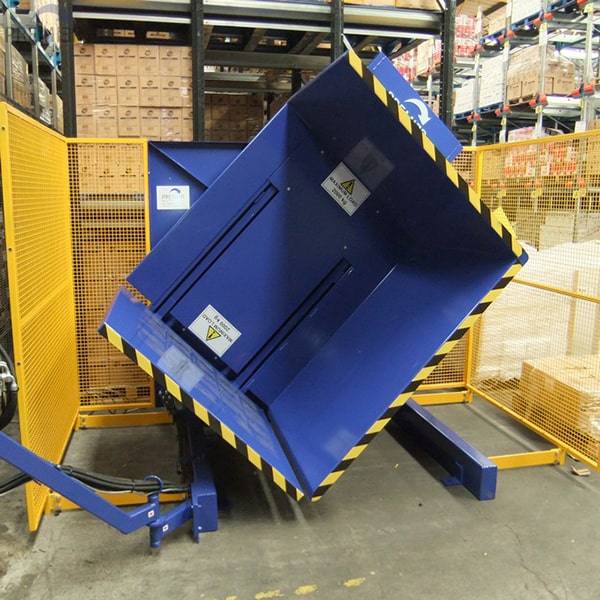
Unlock hidden warehouse space and boost efficiency with pallet inverters. By rotating and transferring loads, these tools enable vertical stacking, reduce aisle space, and optimize pallet management, maximizing storage and streamlining operations for a more organized and efficient warehouse.
The Untapped Potential of Your Warehouse: Space Optimization
[
In today's competitive landscape, warehouse space is a precious commodity. Every square foot counts, and efficient space utilization directly impacts operational costs and profitability. Are you maximizing every inch of your warehouse? Many businesses unknowingly operate below their optimal storage capacity, losing valuable space to inefficient pallet handling and storage methods.
The challenge is clear: how do you enhance warehouse space utilization without costly expansions or compromising operational efficiency? The answer might be simpler and more effective than you think: pallet inverters.
Decoding Pallet Inverters: Your Warehouse Efficiency Ally
[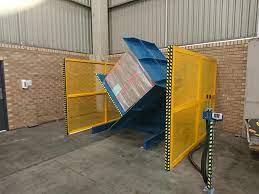
Pallet inverters, sometimes referred to as pallet rotators or pallet flippers, are robust machines designed to revolutionize material handling. But what exactly are they, and how do they work?
Essentially, a pallet inverter is a material handling equipment engineered to securely clamp, rotate, or flip pallet loads. This capability is transformative for various warehouse operations, offering a safer and more efficient alternative to manual pallet handling. Imagine being able to access the underside of a palletized load, replace damaged pallets, or transfer goods to different pallet types without manually restacking items – this is the power of a pallet inverter.
How Pallet Inverters Work: A Streamlined Process
The operation of a pallet inverter is surprisingly straightforward, yet incredibly impactful. Most models share a core mechanism:
- Loading: A loaded pallet is placed into the inverter, typically by a forklift or pallet jack.
- Clamping: A secure clamping mechanism engages, firmly holding the pallet load in place. This is crucial to prevent shifting or damage during rotation.
- Inversion/Rotation: A hydraulic system, controlled by an operator, initiates the rotation or flipping of the pallet. This movement is controlled and smooth, ensuring load stability.
- Unloading/Access: Once inverted, the bottom of the pallet is now accessible. Tasks like removing a bottom pallet, replacing damaged goods, or transferring loads can be performed with ease.
- Return: The pallet is rotated back to its original orientation and can be removed from the inverter.
This controlled process eliminates the need for manual, labor-intensive tasks, significantly reducing handling time and the risk of product damage.
Unlocking Warehouse Space: The Pallet Inverter Advantage
[ ]()
]()
The benefits of pallet inverters extend far beyond simple load rotation. They are powerful tools for optimizing warehouse space utilization in several key ways:
1. Vertical Space Maximization:
Warehouses often underutilize vertical space. Pallet inverters facilitate safer and more efficient vertical stacking. By ensuring loads are stable and pallets are in good condition (easily checked and replaced using an inverter), you can confidently stack pallets higher, maximizing your cubic storage capacity. Think of it as adding another layer of shelving to your existing footprint, without the structural changes.
2. Reduced Aisle Space Requirements:
Efficient space utilization isn't just about stacking higher; it's also about optimizing aisle widths. Pallet inverters contribute to reducing aisle space by enhancing accessibility to palletized goods. With an inverter, you can access any side of a pallet load quickly, potentially allowing for narrower aisles as you don't always need forklift access from multiple angles for load manipulation. In some applications, portable pallet inverters further enhance this flexibility.
3. Streamlined Pallet Management and Organization:
Damaged pallets take up valuable space and pose safety risks. Pallet inverters simplify the process of identifying and replacing damaged pallets within a stack. Instead of unloading entire stacks manually, an inverter allows you to quickly invert a load, remove the damaged bottom pallet, and replace it. This proactive pallet maintenance leads to better organized storage and prevents space wastage due to unusable pallets.
4. Facilitating Efficient Load Consolidation and Restructuring:
Sometimes, incoming shipments are not optimally palletized for your warehouse storage system. Pallet inverters enable you to efficiently transfer goods to different sized pallets or re-orient loads for more compact storage. This adaptability ensures that all inventory is stored in the most space-conscious manner possible.
5. Optimizing Storage Density with Specialized Racking Systems:
Pallet inverters complement high-density storage solutions like drive-in or push-back racking. By ensuring loads are stable and correctly oriented before entering these systems, inverters contribute to the safe and efficient operation of high-density storage, which inherently maximizes space utilization.
Stationary vs. Portable: Choosing the Right Pallet Inverter for Your Space
Pallet inverters are not one-size-fits-all. They come in different configurations to suit various warehouse layouts and operational needs. The two primary types are:
Stationary Pallet Inverters:
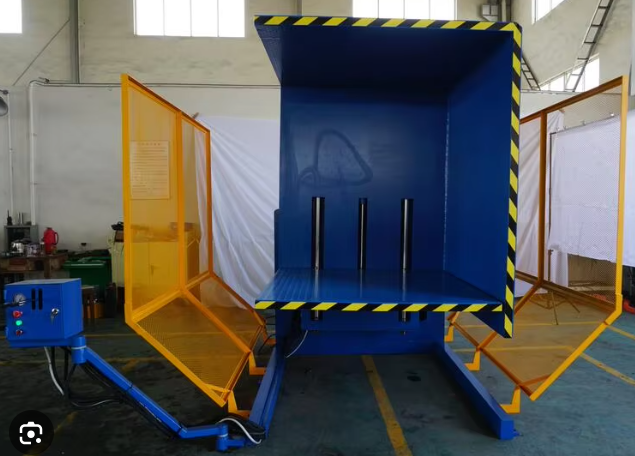
- Fixed Location: Designed for permanent installation in a designated area within the warehouse.
- High Capacity: Typically built for heavy-duty applications and high-volume operations.
- Features: Often offer advanced features, customization options, and robust safety mechanisms.
- Best for: Warehouses with dedicated pallet inversion zones and consistent, high-throughput needs.
Portable Pallet Inverters:
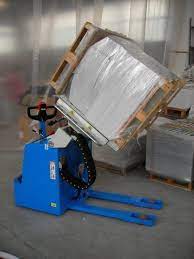
- Mobile and Flexible: Equipped with wheels or casters for easy movement throughout the warehouse.
- Space-Saving: Ideal for facilities where dedicated inversion areas are not feasible or where inversion is required in multiple locations.
- Versatile Applications: Suitable for retail backrooms, SMEs, and logistics companies needing flexible pallet handling.
- Best for: Warehouses with limited space, varied operational layouts, or lower volume inversion requirements.
Choosing between stationary and portable models depends on your warehouse size, layout, throughput volume, and budget. If you have a high-volume, centralized pallet handling process, a stationary inverter might be the best investment. For smaller operations or those needing flexibility, a portable inverter offers significant advantages.
Key Considerations for Pallet Inverter Selection: Maximizing Your Investment
To ensure you select the right pallet inverter for optimal space utilization and overall warehouse efficiency, consider these critical factors:
1. Load Capacity and Size:
- Weight and Dimensions: Match the inverter's load capacity to the maximum weight and dimensions of your typical pallet loads. Overloading can compromise safety and damage the equipment.
- Pallet Types: Consider the variety of pallet types you handle (wooden, plastic, custom sizes) and ensure the inverter is compatible.
2. Operational Requirements and Safety Features:
- Frequency of Use: High-volume operations require robust, heavy-duty inverters. Lower-volume needs might be met by more economical models.
- Specific Industry Needs: Industries like food and pharmaceuticals may require inverters with specific features like gentle handling or stainless steel construction for hygiene.
- Safety Mechanisms: Prioritize inverters with robust safety features like emergency stops, safety fences, and operator protection devices.
3. Integration with Existing Equipment:
- Forklift Compatibility: Ensure seamless integration with your existing forklifts or pallet jacks for efficient loading and unloading.
- Workflow Integration: Consider how the inverter will fit into your overall warehouse workflow and material handling processes.
4. Energy Efficiency and Automation:
- Energy Consumption: Opt for energy-efficient models to reduce operating costs and contribute to sustainability goals.
- Automation Features: Explore features like programmable controls or pre-set cycles for enhanced efficiency and reduced manual operation.
5. Cost Analysis: Purchase vs. Rental:
- Long-Term Needs: For consistent, ongoing pallet inversion needs, purchasing is typically more cost-effective in the long run.
- Short-Term or Sporadic Needs: Renting offers flexibility and avoids upfront capital investment for temporary or infrequent inversion requirements.
Realizing ROI: Pallet Inverters as a Strategic Investment
Investing in a pallet inverter is not just an expense; it's a strategic move that can deliver significant returns. Beyond improved space utilization, pallet inverters contribute to:
- Reduced Labor Costs: Automation of pallet handling reduces the need for manual labor, freeing up workforce for other tasks.
- Minimized Product Damage: Gentle, controlled inversion minimizes the risk of product damage compared to manual handling, reducing waste and losses.
- Enhanced Workplace Safety: Reduced manual lifting and handling minimizes the risk of injuries, leading to a safer work environment and potentially lower insurance premiums.
- Increased Productivity and Throughput: Streamlined pallet handling processes translate to faster turnaround times and increased overall warehouse productivity.
By quantifying these benefits and comparing them to the investment cost, you can clearly demonstrate the ROI of pallet inverters and justify their implementation within your warehouse operations.
Conclusion: Reclaim Your Warehouse Space with Pallet Inverters
In the quest for warehouse efficiency, space utilization is paramount. Pallet inverters are not just machines; they are strategic tools that empower businesses to unlock the hidden potential within their existing warehouse footprint.
By enabling vertical space maximization, reducing aisle requirements, streamlining pallet management, and facilitating efficient load handling, pallet inverters offer a comprehensive solution for optimizing warehouse space. Whether you choose a stationary or portable model, carefully consider your operational needs and selection factors to maximize your investment.
Embrace pallet inverter technology and transform your warehouse from a space-constrained challenge into a highly efficient, space-optimized asset, driving down costs and boosting your bottom line. It's time to work smarter, not harder, and reclaim your warehouse space with the power of pallet inverters.