
How to Improve Pallet Inverter Safety in High-Risk Industrial Environments?
Enhance pallet inverter safety in high-risk industrial environments through comprehensive employee training, regular equipment maintenance, mandatory safety equipment, strict adherence to safety protocols including PPE and clearance zones, product safety measures, continuous performance monitoring, and well-defined emergency procedures. Prioritize a strong safety culture and consistent review of safety protocols to minimize workplace accidents.
Understanding the Critical Need for Enhanced Safety with Pallet Inverters
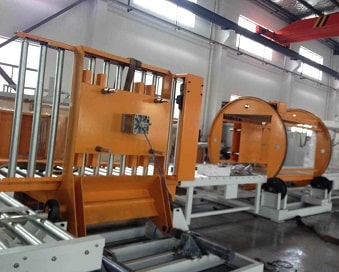
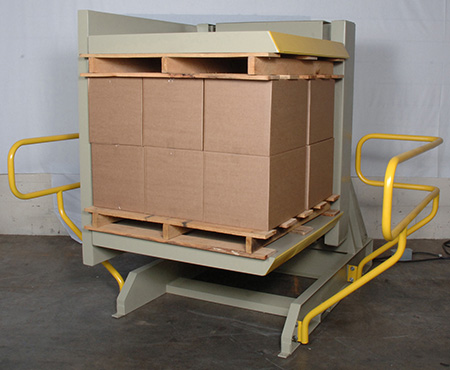
Pallet inverters are indispensable assets in modern warehouses and industrial facilities, streamlining material handling and boosting operational efficiency. These machines simplify tasks like pallet exchange, damaged goods retrieval from the bottom layers of stacks, and product transfers between different pallet types. However, in high-risk industrial environments, the operation of pallet inverters presents significant safety challenges that demand rigorous attention and proactive measures. Given their capacity to handle loads weighing up to 1,500 kg and reaching heights of 2 meters, the potential for severe accidents is undeniable without robust safety protocols in place. Ensuring the safe operation of pallet inverters is not just a regulatory necessity; it's a moral imperative to protect employees and maintain a productive, accident-free workplace.
Comprehensive Employee Training: The Cornerstone of Pallet Inverter Safety
The most fundamental step in bolstering pallet inverter safety is comprehensive and continuous employee training. No operator should be permitted to use this machinery without undergoing thorough instruction, regardless of its apparent simplicity. Training must encompass not only the operational mechanics of the inverter but also a deep understanding of potential hazards, emergency procedures, and safe handling practices. This should include hands-on sessions, detailed demonstrations, and assessments to confirm competency. Certification upon completion of training is crucial, ensuring that only qualified personnel are authorized to operate the equipment. Regular refresher courses are equally important to reinforce safety protocols, update knowledge on best practices, and address any evolving risks in the workplace. By investing in rigorous training programs, companies empower their workforce to become the first line of defense against pallet inverter-related accidents.
Regular and Proactive Maintenance: Preventing Hazards Before They Occur
Regular maintenance is not merely a procedural checklist; it's a proactive safety measure vital for the reliable and safe operation of pallet inverters. A consistent maintenance schedule, encompassing cleaning, meticulous inspections, and timely repairs, is essential. Operators should be trained to conduct daily pre-shift inspections, visually checking for any signs of wear, damage, or malfunction, such as rust, loose bolts, or hydraulic leaks. Scheduled periodic maintenance by qualified technicians should delve deeper, assessing the hydraulic system, clamping mechanisms, and structural integrity of the machine. Promptly addressing any identified issues, no matter how minor they seem, is critical to prevent escalating problems that could lead to equipment failure and accidents. Maintaining a detailed maintenance log helps track service history, identify recurring issues, and ensure accountability in upkeep, ultimately contributing to a safer operational environment.
Implementing Essential Safety Equipment: Engineering a Safer Workspace
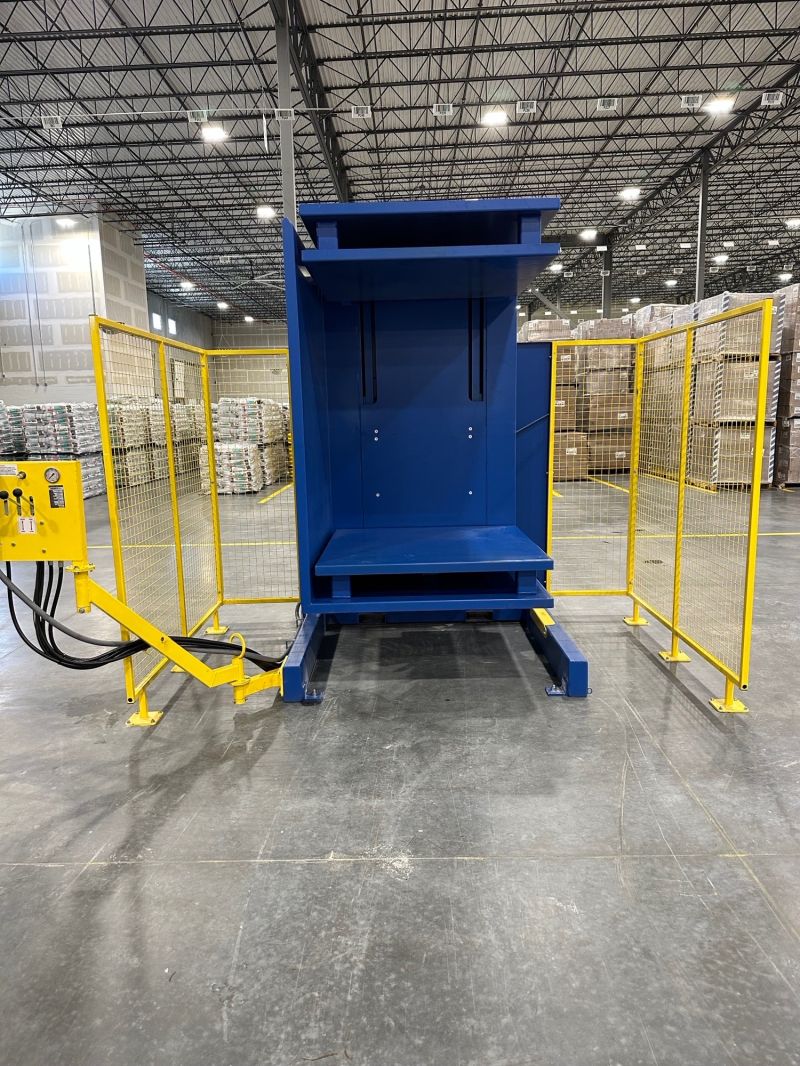
Beyond training and maintenance, deploying the right safety equipment is paramount in mitigating risks associated with pallet inverters. This includes physical safeguards integrated into the machine and the surrounding workspace. Safety guards are essential to prevent accidental contact with moving parts during operation, creating a physical barrier between operators and potential hazards. Emergency shut-off switches must be easily accessible and clearly marked, enabling immediate halting of the machine in critical situations. Consideration should also be given to backup power sources to ensure controlled machine stops in case of power outages. In areas with pedestrian traffic, implementing pedestrian access safety beam systems or interlocked safety gates can further enhance safety, preventing unauthorized access to the inverter's operational zone. Investing in and consistently utilizing appropriate safety equipment demonstrates a commitment to a safe working environment and significantly reduces the likelihood of accidents.
Stringent Employee Safety Protocols: Defining Safe Operating Procedures
Establishing and strictly enforcing employee safety protocols is crucial for minimizing risks during pallet inverter operations. These protocols should encompass a range of measures, starting with mandatory Personal Protective Equipment (PPE). Hard helmets are non-negotiable for all operators and personnel in the vicinity of the inverter, protecting against potential falling objects. Depending on the specific environment and load types, additional PPE such as safety shoes, gloves, and eye protection may also be necessary. Clearance areas around the pallet inverter must be rigorously enforced. Defining and marking a safety perimeter with high-visibility paint or physical barriers prevents accidental entry into the operational zone during machine use. Furthermore, comprehensive Standard Operating Procedures (SOPs) should be developed, detailing step-by-step instructions for safe inverter operation, load handling, and emergency responses. Regular audits and safety checks should be conducted to ensure adherence to these protocols, fostering a culture of safety compliance.
Product Safety Measures: Protecting Goods and Preventing Incidents
Safety is not just about protecting personnel; it also extends to safeguarding the products being handled by pallet inverters. Implementing product safety measures minimizes damage to goods and prevents potential incidents caused by unstable or improperly loaded pallets. Using the correct pallet size for the inverter and the load is crucial to ensure stability and prevent shifting during inversion. Products must be securely stacked and fastened to the pallet to prevent slippage or collapse. Avoiding overloading the inverter beyond its specified weight capacity is paramount to prevent mechanical stress and potential failures. Operators should be trained to recognize and address signs of unstable loads before initiating the inversion process. By prioritizing product safety, companies not only minimize financial losses from damaged goods but also contribute to a safer overall operation by preventing load-related accidents.
Continuous Performance Monitoring: Identifying Areas for Improvement
Monitoring the performance of pallet inverters is not solely about efficiency metrics; it’s also a vital component of safety management. Tracking key performance indicators (KPIs) related to both productivity and safety provides valuable insights into operational effectiveness and potential areas for improvement. This includes monitoring cycle times, throughput rates, and downtime, but equally importantly, tracking safety incidents, near misses, and maintenance records. Analyzing this data can reveal patterns or trends that indicate potential safety weaknesses or areas where procedures can be enhanced. For example, a spike in near-miss incidents might signal a need for additional training or a review of existing safety protocols. Regular performance reviews, incorporating both operational and safety data, enable continuous improvement, leading to a safer and more efficient pallet inverter operation.
Well-Defined Emergency Procedures: Responding Effectively to Unforeseen Events
Despite the best preventative measures, emergencies can still occur. Having well-defined and regularly practiced emergency procedures is crucial for minimizing the impact of unforeseen events. These procedures should cover a range of potential scenarios, including equipment malfunctions, load instability, and workplace accidents. Key elements of emergency procedures include:
- Immediate Stop: Ensuring all operators are trained to use emergency stop buttons to halt the machine instantly in case of any hazard or malfunction.
- Evacuation Protocols: Establishing clear evacuation routes and assembly points in case of fire, chemical spills, or other serious emergencies. Regular evacuation drills are essential for preparedness.
- Situation Assessment: Training designated personnel to assess the situation calmly and identify the root cause of the emergency, whether it’s mechanical failure, load instability, or an injury.
- Load Stabilization: Procedures for safely stabilizing unstable loads using straps or braces to prevent further collapse or accidents.
- First Aid and Medical Response: Ensuring readily available first aid kits and personnel trained in basic first aid to address worker injuries promptly, with clear protocols for contacting emergency medical services for serious injuries.
- Lockout/Tagout (LOTO): Implementing strict LOTO procedures before any maintenance or repair work to ensure the machine is completely de-energized and cannot be accidentally restarted, preventing injury to maintenance personnel.
- Incident Reporting: Establishing a clear and straightforward process for reporting all incidents, near misses, and safety concerns to supervisors and safety officers for documentation and analysis.
- Post-Emergency Inspection and Maintenance: Conducting thorough inspections and maintenance after any emergency to ensure the machine is safe to resume operation, involving qualified technicians as needed.
- Careful Resumption of Operations: Restarting operations cautiously after an emergency, beginning with a trial run to verify proper functionality before full workflow re-engagement.
- Protocol Review and Updates: After any emergency, reviewing the incident, assessing the effectiveness of existing protocols, and updating procedures as necessary to improve future responses and prevent recurrence.
Regular drills and simulations of emergency procedures are critical to ensure that all personnel are familiar with their roles and can respond effectively in a real emergency situation.
Fostering a Strong Safety Culture: Embedding Safety into the Workplace DNA
Ultimately, the most effective way to improve pallet inverter safety in high-risk environments is to cultivate a robust safety culture. This involves more than just implementing rules and procedures; it requires embedding safety as a core value within the organization. Leadership must champion safety, demonstrating a visible and unwavering commitment to employee well-being. Open communication about safety is essential, encouraging employees to report hazards, near misses, and safety concerns without fear of reprisal. Regular safety meetings, toolbox talks, and safety audits should be conducted to keep safety awareness high and provide platforms for feedback and improvement. Recognizing and rewarding safe behaviors and proactively addressing safety suggestions further reinforces a positive safety culture. By fostering a workplace where safety is everyone's responsibility and a shared priority, companies can create an environment where accidents are minimized, and employees are protected.
Conclusion: A Proactive Approach to Pallet Inverter Safety
Improving pallet inverter safety in high-risk industrial environments demands a multifaceted and proactive approach. From comprehensive employee training and rigorous maintenance to essential safety equipment, stringent protocols, and well-defined emergency procedures, every element contributes to a safer operational landscape. However, the most crucial component is fostering a strong safety culture where safety is not just a set of rules, but a deeply ingrained value. By prioritizing these measures, companies can significantly mitigate the risks associated with pallet inverters, protecting their employees, safeguarding their products, and ensuring a productive and sustainable operation. Companies like Top Industries Inc. and Logistic Packaging offer valuable resources and expertise to assist in implementing effective safety measures and creating a safer workplace. Embracing a proactive safety mindset is not just good practice; it’s the foundation of operational excellence in any high-risk industrial environment utilizing pallet inverter technology.