
How to Improve Pallet Inverter Efficiency in Multi-Shift Operations?
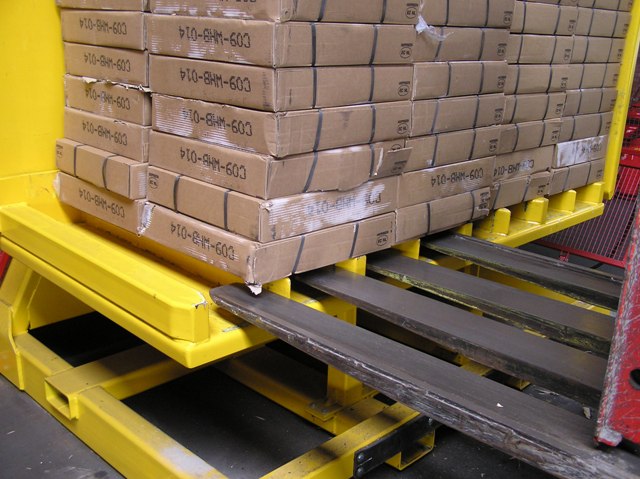
Enhance your multi-shift operations with pallet inverters by focusing on capacity optimization, regular maintenance, comprehensive training, seamless workflow integration, automation, and robust safety protocols. Pallet inverters are crucial for efficient material handling in industries like food, pharmaceuticals, and manufacturing, minimizing manual labor, reducing product damage, and streamlining processes across continuous work cycles.
[
Understanding Pallet Inverters in Multi-Shift Environments
In today's fast-paced industrial landscape, multi-shift operations are becoming increasingly common. To maintain productivity and meet demanding schedules, businesses rely on efficient material handling solutions. Pallet inverters are pivotal pieces of equipment in these environments, designed to streamline the process of transferring loads between pallets, recovering damaged goods from the bottom of stacks, or changing pallet types for hygiene or logistical reasons.
[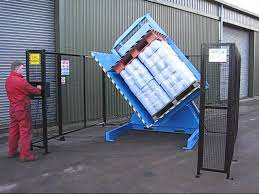
Multi-shift operations, by their nature, place significant demands on equipment. Pallet inverters in such settings are subjected to near-continuous use, which can impact their efficiency and longevity if not properly managed. Optimizing the efficiency of pallet inverters in multi-shift environments is not just about speeding up the inversion process; it's about ensuring consistent performance, minimizing downtime, enhancing safety across all shifts, and ultimately, maximizing throughput.
The benefits of efficient pallet inverter operation in multi-shift scenarios are manifold. They include:
- Increased Throughput: Faster cycle times mean more pallets processed per shift, directly contributing to higher production rates and quicker order fulfillment.
- Reduced Downtime: Optimized efficiency minimizes the risk of breakdowns and operational interruptions, critical in maintaining continuous workflow across multiple shifts.
- Minimized Product Damage: Efficient and controlled inversion reduces the potential for product damage during handling, safeguarding inventory and reducing waste, especially important in industries dealing with fragile goods.
- Lower Labor Costs: By automating and streamlining pallet handling, businesses can reduce reliance on manual labor, cutting down on labor costs and re-allocating workforce to more value-added tasks.
- Improved Safety and Ergonomics: Pallet inverters reduce the need for manual lifting and awkward handling, creating a safer working environment for employees across all shifts and minimizing the risk of workplace injuries.
To achieve these benefits in a multi-shift operation, a strategic approach is required, focusing on several key areas of optimization.
Key Strategies to Enhance Pallet Inverter Efficiency
To maximize the efficiency of pallet inverters in multi-shift operations, businesses need to implement a range of strategies spanning equipment selection, maintenance, operator training, and workflow integration.
Optimizing Pallet Inverter Capacity and Selection for Multi-Shift Use
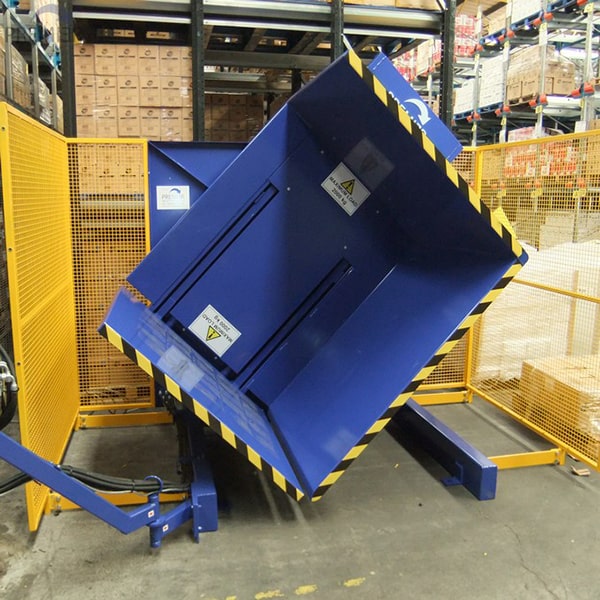
The foundation of efficiency starts with selecting the right type of pallet inverter and ensuring it has adequate capacity for the demands of a multi-shift operation.
[
- Assess Load Requirements: Begin by thoroughly analyzing the typical loads handled in your facility. Consider the weight, dimensions, and stability of the pallets you process most frequently. In multi-shift settings, it's crucial to account for peak volumes and ensure the inverter's capacity comfortably handles the heaviest and largest loads expected, even during the busiest shifts. Overloading an inverter will not only reduce efficiency but also compromise safety and equipment lifespan.
- Choose the Right Inverter Type: Different types of pallet inverters are suited for varying operational needs. For high-throughput, continuous multi-shift operations, stationary pallet inverters are often the most appropriate choice. They are designed for heavy-duty use and can handle significant volumes efficiently. Portable pallet inverters, while versatile, may be better suited for operations where inversion is needed at different locations or for lower volume applications. For operations requiring varying levels of automation, semi-automatic pallet inverters can offer a balance between manual control and automated processes, but for maximum efficiency in multi-shift scenarios, fully automated stationary models often provide the best return.
- Consider Customization Options: Many manufacturers offer customization options for pallet inverters to suit specific needs. For multi-shift operations, consider features that enhance speed and durability. This might include faster hydraulic systems, more robust clamping mechanisms for rapid and secure load handling, and controls optimized for quick cycle times. Customization can also extend to integrating with existing conveyor systems for seamless material flow in and out of the inverter, further boosting efficiency.
Implementing Regular Maintenance Schedules
Preventative maintenance is paramount in multi-shift operations to keep pallet inverters running smoothly and to avoid costly downtime.
[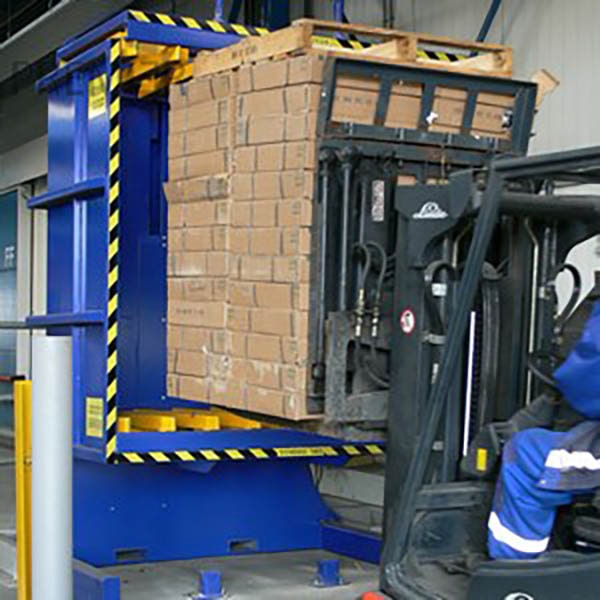
- Establish a Multi-Shift Maintenance Protocol: Develop a detailed maintenance schedule that aligns with the continuous nature of multi-shift operations. This schedule should include daily, weekly, and monthly checks, conducted across different shifts to ensure consistent upkeep. Daily checks might involve visual inspections for any loose parts, leaks, or damage, and ensuring safety features are functioning correctly. Weekly maintenance could include lubrication of moving parts, checking hydraulic fluid levels, and inspecting clamping mechanisms. Monthly checks might involve more in-depth inspections of the hydraulic system, frame integrity, and control panel functionality.
- Train Maintenance Personnel Across Shifts: Ensure that maintenance personnel are available and trained across all shifts to perform routine checks and address minor issues promptly. Cross-training maintenance teams for different shifts ensures that expertise is available regardless of the time of day, reducing reliance on specific individuals and providing continuous maintenance coverage.
- Utilize Predictive Maintenance: For advanced efficiency, explore incorporating predictive maintenance technologies. Some modern pallet inverters can be equipped with sensors that monitor performance metrics like cycle times, hydraulic pressure, and motor temperatures. This data can be analyzed to predict potential failures before they occur, allowing for proactive maintenance interventions, minimizing unexpected downtime, and optimizing maintenance schedules.
Proper Operator Training for Multi-Shift Teams
Efficient operation hinges on well-trained operators across all shifts who understand the equipment and adhere to best practices.
- Comprehensive Training Programs: Implement thorough training programs for all operators, regardless of shift. Training should cover not only the basic operation of the pallet inverter but also safety procedures, troubleshooting common issues, and understanding the importance of consistent operational practices. Standardized training ensures that all operators, across all shifts, operate the equipment to the same high standards of efficiency and safety.
- Shift-Specific Training Modules: Consider developing shift-specific training modules that address the unique challenges and workflows of each shift. This might include adjusting training to reflect different product mixes handled during different shifts or adapting training schedules to fit shift rotations and staffing levels.
- Regular Refresher Courses: Conduct regular refresher courses for all operators to reinforce best practices, introduce any updates in procedures or equipment, and maintain a high level of operational competency across all shifts. Refresher training is especially important in multi-shift environments where practices can sometimes drift over time due to varied staffing and operational rhythms.
Integrating Pallet Inverters into Workflow for Continuous Operation
Efficiency gains are amplified when pallet inverters are seamlessly integrated into the overall material handling workflow, minimizing bottlenecks and maximizing continuous operation across shifts.
- Optimize Infeed and Outfeed Systems: Design the material flow around the pallet inverter to ensure smooth and continuous operation. This includes optimizing the infeed and outfeed systems. Integrate conveyors or automated guided vehicles (AGVs) to automatically deliver pallets to the inverter and remove inverted loads. This automation minimizes manual handling time and ensures a steady flow of pallets, crucial for maximizing throughput in multi-shift environments.
- Minimize Travel Distances: Position the pallet inverter strategically within the facility to minimize travel distances for forklifts or other material transport equipment. Reducing travel time directly translates to faster cycle times and increased overall efficiency, particularly important when operations run continuously across multiple shifts.
- Workflow Analysis and Optimization: Conduct a thorough workflow analysis to identify any bottlenecks or inefficiencies in the pallet inversion process within the multi-shift operation. Use process mapping techniques to visualize the flow of materials, identify wait times, and pinpoint areas for improvement. Optimize the sequence of operations to ensure that the pallet inverter is always utilized effectively and not waiting for materials or causing delays in subsequent processes.
Leveraging Automation and Technology for Enhanced Performance
Advanced automation and technology can significantly boost pallet inverter efficiency, especially in demanding multi-shift scenarios.
- Automated Controls and Sequencing: Utilize pallet inverters with advanced programmable logic controllers (PLCs) that allow for automated cycle sequencing and adjustments. Program the inverter for optimal settings for different types of loads and pallet types, ensuring consistent and efficient operation across all shifts without manual adjustments for every pallet.
- Remote Monitoring and Diagnostics: Implement remote monitoring systems that allow supervisors or maintenance teams to track inverter performance in real-time, across all shifts. Remote diagnostics can identify potential issues early, even outside of normal working hours, enabling prompt intervention and minimizing downtime.
- Data Analytics for Performance Improvement: Leverage data analytics tools to analyze operational data from the pallet inverter, such as cycle times, error rates, and uptime. Identify trends and patterns that can inform process improvements, optimize inverter settings, and proactively address any recurring inefficiencies, leading to continuous performance enhancement across all shifts.
Focusing on Safety and Ergonomics in Multi-Shift Settings
Maintaining safety and ergonomic standards is crucial in multi-shift operations to protect workers and ensure sustained efficiency.
- Standardized Safety Protocols Across Shifts: Implement and enforce standardized safety protocols for pallet inverter operation that are consistently applied across all shifts. Clear safety guidelines, regular safety audits, and readily available safety equipment are essential to prevent accidents and injuries in a continuous operation environment.
- Ergonomic Considerations for Operators: Design the operator interface and surrounding workstation for optimal ergonomics, considering the needs of operators working across different shifts and potentially at different times of the day or night. Ergonomic design minimizes operator fatigue, reduces the risk of strain injuries, and contributes to sustained efficiency and safety over long shifts.
- Regular Safety Audits and Training: Conduct regular safety audits, across all shifts, to identify potential hazards and ensure compliance with safety protocols. Supplement this with ongoing safety training and toolbox talks to keep safety awareness high and reinforce safe operating procedures among all operators, regardless of their shift.
Measuring and Monitoring Efficiency
To ensure continuous improvement, it’s essential to monitor and measure the efficiency of pallet inverters in multi-shift operations. Key Performance Indicators (KPIs) should be tracked regularly.
- Cycle Time Tracking: Monitor the average cycle time for pallet inversion. Reduced cycle times directly translate to higher throughput. Track cycle times across different shifts to identify any variations and understand if efficiency dips during certain periods.
- Uptime and Downtime Analysis: Closely track the uptime and downtime of the pallet inverter. Minimize downtime by addressing maintenance needs proactively and responding quickly to any malfunctions. Analyze downtime data to identify root causes and implement preventative measures.
- Error Rates and Product Damage: Monitor error rates during pallet inversion and track instances of product damage. Lower error rates and minimized product damage are indicators of efficient and controlled operation. Analyze error data to pinpoint operational issues or training gaps that need to be addressed.
- Energy Consumption: If energy efficiency is a concern, monitor the energy consumption of the pallet inverter, particularly in multi-shift operations where equipment runs for extended periods. Identify opportunities to optimize settings or operation to reduce energy usage without compromising performance.
By consistently monitoring these KPIs and analyzing the data, businesses can gain valuable insights into the efficiency of their pallet inverter operations and identify areas for continuous improvement, ensuring optimal performance across all shifts.
Conclusion
Improving pallet inverter efficiency in multi-shift operations requires a holistic approach that encompasses strategic equipment selection, rigorous maintenance, comprehensive operator training, seamless workflow integration, leveraging automation, and a steadfast commitment to safety. By implementing these strategies, businesses can unlock the full potential of pallet inverters, ensuring enhanced throughput, reduced downtime, minimized product damage, lower labor costs, and improved safety across all working shifts. In the demanding environment of multi-shift operations, these improvements are not just beneficial; they are essential for maintaining competitiveness and achieving operational excellence.