
How to Improve Pallet Inverter Efficiency in Low-Cost Operations?
To improve pallet inverter efficiency in low-cost operations, focus on proper equipment selection based on capacity needs, rigorous operator training to minimize errors and maximize speed, and a schedule of preventative maintenance. Streamline workflows by integrating the inverter into existing systems and optimize pallet management practices to reduce unnecessary inversions, ultimately boosting productivity and cutting operational expenses.
In today's competitive industrial landscape, businesses of all sizes are constantly seeking ways to optimize their operations and reduce costs. For low-cost operations, efficiency is not just a goal, it's a necessity for survival and growth. Material handling, particularly pallet management, represents a significant area where improvements can yield substantial benefits. Pallet inverters, specialized machines designed to flip or rotate palletized loads, are increasingly recognized as essential tools for enhancing efficiency. However, maximizing the return on investment from a pallet inverter, especially in a cost-conscious environment, requires a strategic approach. This article will explore practical, actionable strategies to improve pallet inverter efficiency within low-cost industrial operations, focusing on key areas such as equipment selection, operational practices, and maintenance.
Understanding the Efficiency Imperative in Low-Cost Operations
Low-cost operations often operate with tight margins and limited resources. Every minute of downtime, every instance of product damage, and every unnecessary labor hour directly impacts profitability. While the initial investment in a pallet inverter represents a step towards automation and efficiency, simply installing the machine is not enough. Realizing its full potential requires a holistic approach that considers the specific needs and constraints of a low-cost environment. Efficiency in this context translates to:
- Reduced Labor Costs: Minimizing manual handling of pallets frees up valuable labor for other critical tasks.
- Minimized Product Damage: Safe and controlled inversion reduces the risk of goods being damaged during manual transfer or restacking.
- Faster Throughput: Streamlined pallet handling accelerates loading, unloading, and inventory management processes.
- Optimized Space Utilization: Efficient pallet inversion contributes to better warehouse organization and potentially higher storage density.
For low-cost operations, these benefits are not just incremental improvements; they are crucial for maintaining competitiveness and achieving sustainable growth.
Selecting the Right Pallet Inverter for Cost-Effective Efficiency
The journey to improved pallet inverter efficiency begins with selecting the right machine. In a low-cost operation, overspending on unnecessary features or excessive capacity is a common pitfall. The key is to match the inverter's capabilities to the actual operational requirements.
Capacity and Load Considerations
One of the primary factors in selecting a pallet inverter is its load capacity. It's essential to accurately assess the typical weight and dimensions of the palletized goods handled in your operations. Choosing a machine with significantly higher capacity than needed increases the initial investment without providing tangible efficiency gains. Conversely, an undersized inverter will lead to operational bottlenecks, safety risks, and potential equipment damage.
For low-cost operations, a thorough analysis of load profiles is critical. Consider:
- Maximum Load Weight: Determine the heaviest pallet load you will regularly handle.
- Pallet Dimensions: Ensure the inverter can accommodate the range of pallet sizes used in your facility.
- Load Stability: Evaluate the stability of typical loads to select appropriate clamping mechanisms.
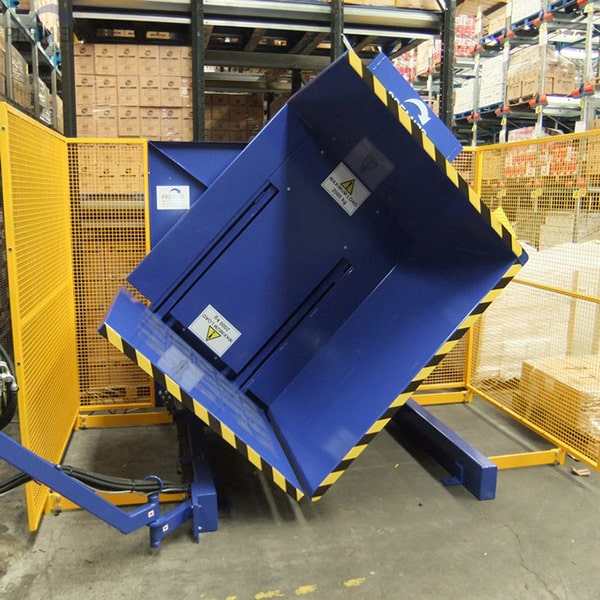
Semi-automatic pallet inverters often present a cost-effective solution for low-cost operations. These machines typically require operator intervention for loading and initiating the inversion cycle, but they offer a balance between automation and affordability. For operations with varying pallet sizes or load types, semi-automatic inverters provide the flexibility needed without the higher price tag of fully automated systems.
Type of Pallet Inverter: Stationary vs. Portable
The choice between stationary and portable pallet inverters also impacts efficiency and cost-effectiveness.
- Stationary Pallet Inverters: These are designed for fixed locations and high-volume operations. While robust and capable of handling heavy loads, they require dedicated space and may not be ideal for facilities with fluctuating layouts or limited floor space.
- Portable Pallet Inverters: Equipped with wheels or casters, portable inverters offer flexibility and can be moved to different locations as needed. This can be particularly advantageous in low-cost operations where space optimization is paramount, and dedicated inversion areas may not be feasible. Portable models can also be a more budget-friendly option for operations with lower inversion frequency.
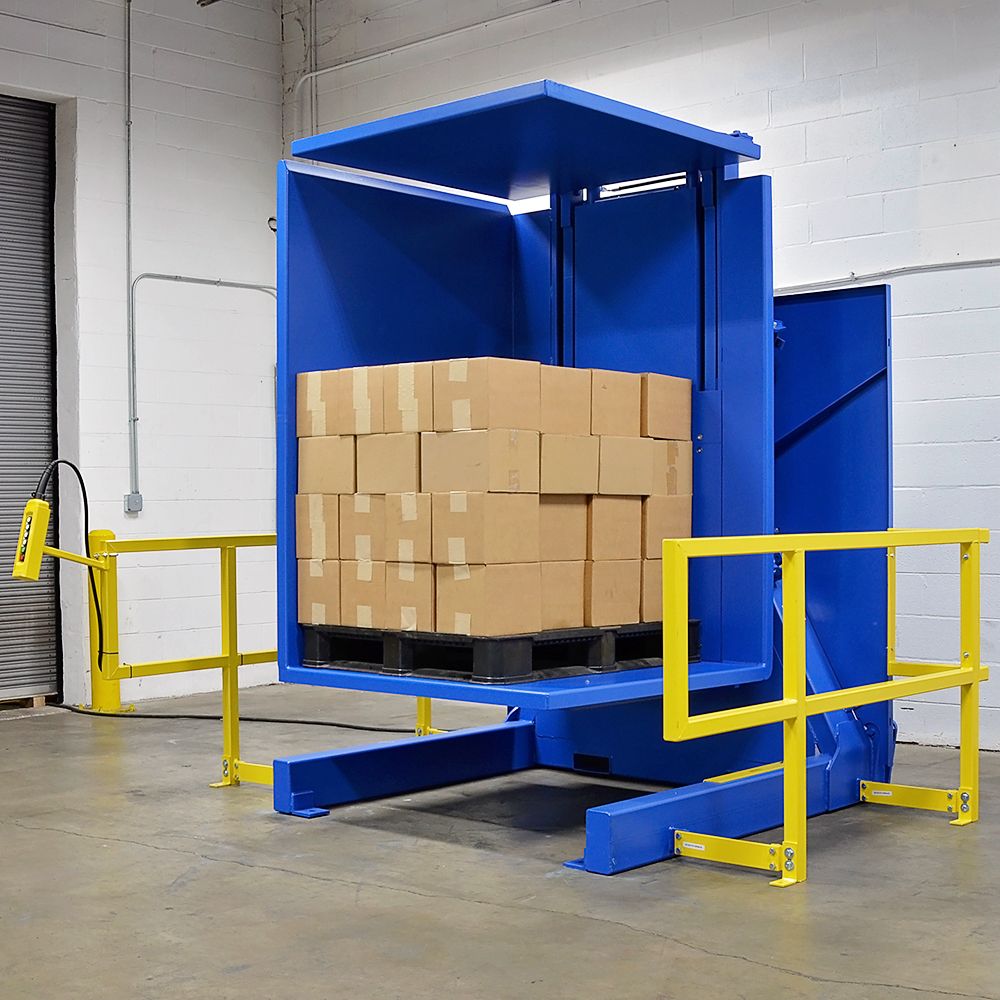
For low-cost operations, a portable pallet inverter can offer a versatile and cost-effective solution, especially if inversion is not a continuous, high-throughput process. The ability to move the inverter to different work areas maximizes equipment utilization and reduces the need for multiple fixed installations.
Optimizing Pallet Inverter Operations for Peak Performance
Even with the most suitable pallet inverter, achieving optimal efficiency requires well-defined operational practices and a focus on minimizing inefficiencies in the workflow.
Comprehensive Operator Training
Operator training is paramount for both safety and efficiency. In low-cost operations where resources for specialized training may be limited, it's crucial to develop clear, concise training programs that cover:
- Safe Operation Procedures: Emphasize safety protocols, emergency stop procedures, and proper loading/unloading techniques.
- Efficient Machine Operation: Train operators on how to operate the inverter smoothly, minimize cycle times, and avoid unnecessary delays.
- Basic Troubleshooting: Equip operators to identify and resolve minor issues, reducing reliance on maintenance personnel for simple problems.
- Pallet and Load Inspection: Train operators to inspect pallets and loads before inversion to identify potential stability issues or damage risks.
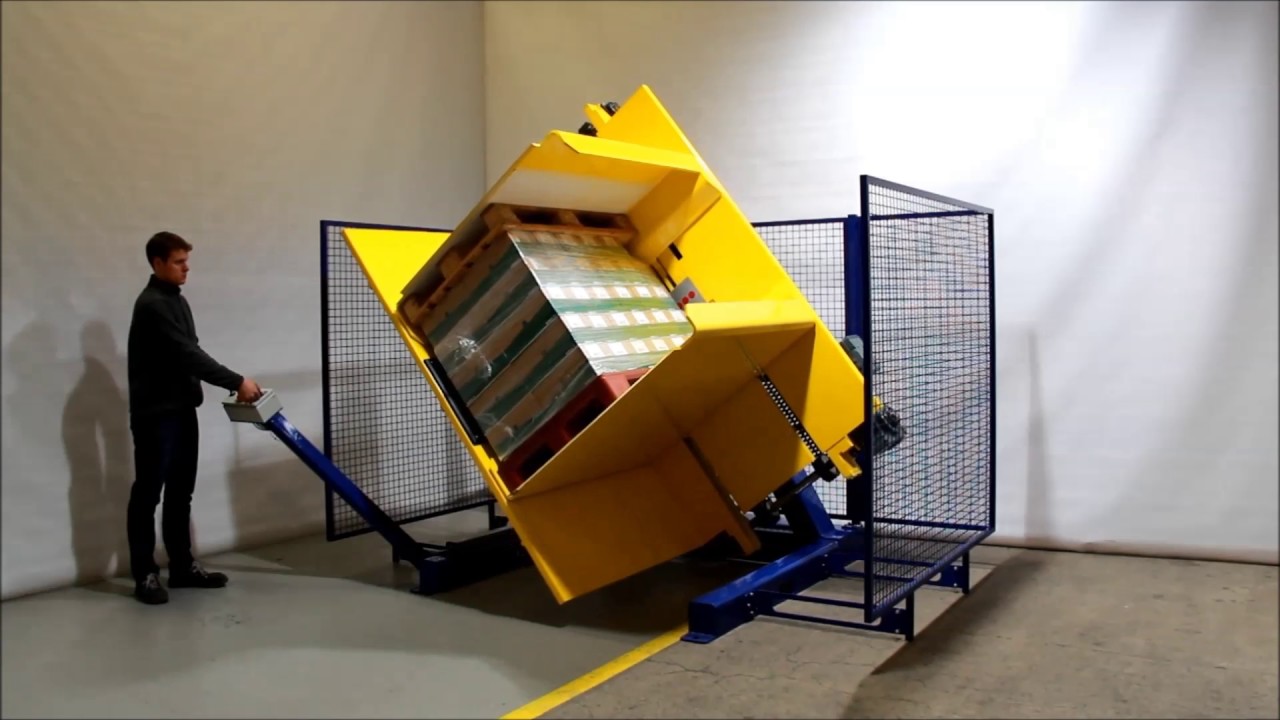
Well-trained operators are less likely to make errors that lead to product damage or equipment downtime. They also contribute to faster cycle times and smoother workflows, directly enhancing the efficiency of the pallet inversion process.
Streamlining the Pallet Inversion Workflow
Efficiency gains can be realized by carefully analyzing and optimizing the entire pallet inversion workflow. Consider these aspects:
- Proximity to Related Processes: Position the pallet inverter strategically within the material flow. Locate it close to receiving docks, storage areas, or production lines to minimize travel distances for forklifts or pallet jacks.
- Clear Pathways and Space: Ensure unobstructed pathways to and from the inverter. Avoid clutter and congestion in the inversion area to facilitate smooth and rapid pallet movement.
- Integration with Existing Systems: Explore opportunities to integrate the pallet inverter into existing conveyor systems or automated guided vehicle (AGV) routes to further automate material flow and reduce manual handling.
- Pre-Inversion and Post-Inversion Procedures: Standardize procedures for preparing pallets for inversion and handling them afterward. This includes tasks like removing wrapping, securing loose items, and staging inverted pallets for subsequent processes.
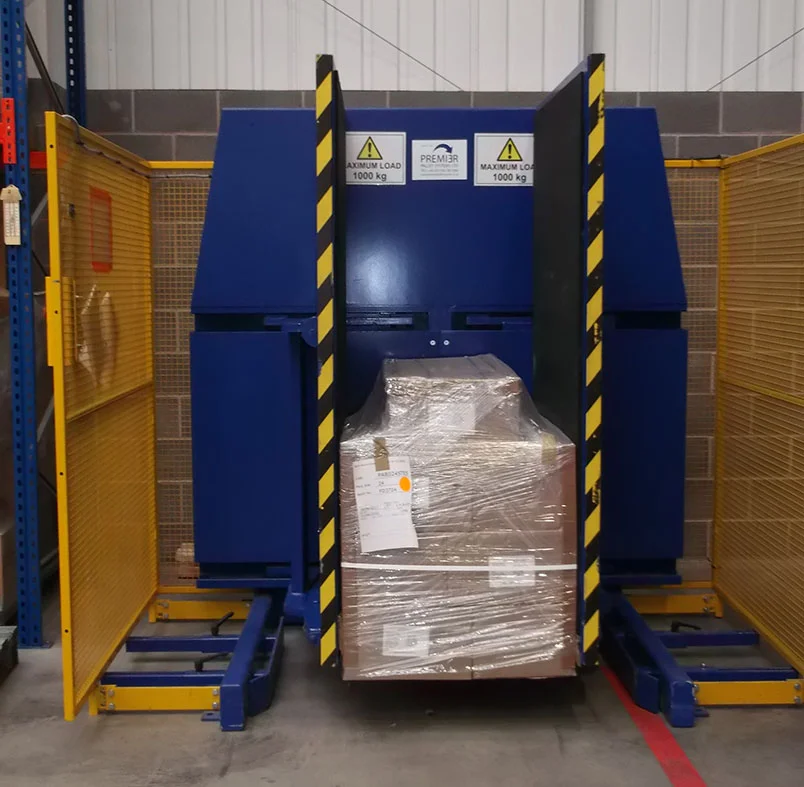
By streamlining the workflow around the pallet inverter, low-cost operations can minimize cycle times, reduce bottlenecks, and maximize the throughput of the inversion process.
Strategic Pallet Management: Reducing Unnecessary Inversions
Pallet inverters are designed to efficiently handle pallet inversion, but true efficiency also involves minimizing the need for inversion in the first place. Strategic pallet management practices can contribute significantly to overall efficiency and cost reduction.
- Pallet Quality Control: Implement procedures to inspect incoming pallets and remove damaged or substandard pallets from circulation. Using consistent, high-quality pallets reduces the likelihood of pallet failure during inversion and minimizes product damage.
- Pallet Standardization: If possible, standardize pallet types and sizes used within the operation. This simplifies inverter setup, reduces the need for adjustments, and ensures compatibility across different processes.
- Optimized Pallet Loading and Stacking: Train personnel on best practices for pallet loading and stacking to enhance load stability and minimize the need for re-palletizing or inversion due to unstable loads.
- Minimize Pallet Changes: Analyze processes to identify opportunities to reduce the frequency of pallet changes. If possible, design workflows to utilize the original pallet throughout the entire process, minimizing the need for inversion solely for pallet exchange.
By focusing on proactive pallet management, low-cost operations can reduce the overall workload on the pallet inverter, extending its lifespan, minimizing wear and tear, and further enhancing operational efficiency.
Maintenance: Ensuring Long-Term Efficiency and Cost Savings
Regular maintenance is not an expense; it's an investment in long-term efficiency and cost savings. For low-cost operations, preventative maintenance is particularly crucial to avoid costly breakdowns and extend the lifespan of equipment.
Establishing a Preventative Maintenance Schedule
Develop a simple, practical preventative maintenance schedule for the pallet inverter. This schedule should include:
- Daily Checks: Operator-led visual inspections to identify any obvious issues like loose parts, leaks, or unusual noises.
- Weekly Maintenance: Basic cleaning, lubrication of moving parts, and checks of hydraulic fluid levels.
- Monthly Inspections: More thorough inspections by trained personnel or maintenance staff, including checks of electrical connections, hydraulic system components, and safety features.
- Annual Servicing: Professional servicing by qualified technicians to conduct in-depth inspections, component replacements as needed, and ensure optimal machine performance.
A consistent preventative maintenance schedule minimizes the risk of unexpected breakdowns, extends the lifespan of the pallet inverter, and ensures it operates at peak efficiency for years to come.
Cost-Effective Maintenance Practices
In low-cost operations, maintenance needs to be both effective and budget-conscious. Consider these practices:
- Operator-Led Maintenance: Train operators to perform daily and weekly maintenance tasks. This reduces reliance on dedicated maintenance staff for routine upkeep.
- In-House Maintenance Capabilities: If feasible, develop in-house maintenance capabilities for basic repairs and component replacements. This can be more cost-effective than relying solely on external service providers for minor issues.
- Genuine vs. Aftermarket Parts: For critical components, prioritize genuine OEM (Original Equipment Manufacturer) parts to ensure quality and compatibility. For less critical parts, carefully consider reputable aftermarket alternatives to potentially reduce costs.
- Maintenance Tracking and Records: Maintain detailed records of all maintenance activities. This helps track maintenance history, identify recurring issues, and optimize the maintenance schedule over time.
By implementing a proactive and cost-conscious maintenance approach, low-cost operations can maximize the uptime and efficiency of their pallet inverter while minimizing maintenance expenses.
Measuring and Monitoring Efficiency Gains
To ensure that efficiency improvement efforts are effective, it's essential to establish metrics and monitor performance. Key performance indicators (KPIs) for pallet inverter efficiency include:
- Inversion Cycle Time: Track the average time taken to complete one inversion cycle. Reductions in cycle time indicate improved efficiency.
- Pallet Throughput: Measure the number of pallets inverted per hour or per shift. Increased throughput reflects higher productivity.
- Downtime: Monitor downtime due to inverter malfunctions or maintenance. Minimizing downtime is crucial for maximizing efficiency.
- Product Damage Rates: Track product damage incidents related to pallet inversion. Reductions in damage rates demonstrate improved safety and operational control.
- Labor Costs per Pallet Inverted: Calculate the labor cost associated with each pallet inversion. Reductions in this metric indicate improved labor efficiency.
Regularly monitoring these KPIs provides valuable insights into the performance of the pallet inverter and the effectiveness of efficiency improvement initiatives. Data-driven analysis allows for continuous refinement of operational practices and maintenance schedules to further optimize efficiency.
Conclusion: Sustainable Efficiency for Low-Cost Success
Improving pallet inverter efficiency in low-cost operations is not about implementing expensive, complex solutions. It's about making smart, strategic choices in equipment selection, optimizing operational workflows, prioritizing operator training, and embracing proactive maintenance. By focusing on these key areas, low-cost operations can unlock the full potential of pallet inverters to reduce labor costs, minimize product damage, accelerate throughput, and enhance overall operational efficiency. The result is not just short-term cost savings, but a foundation for sustainable efficiency and long-term success in a competitive industrial landscape. Continuous monitoring and a commitment to ongoing improvement will ensure that the pallet inverter remains a valuable asset, driving efficiency and profitability for years to come.