
How to Ensure Smooth Operation of Pallet Inverters in Cold Storage?
To ensure smooth operation of pallet inverters in cold storage, prioritize regular maintenance, use cold-resistant lubricants, train operators on cold-specific procedures, conduct pre-operation checks, and monitor performance closely. Address condensation, ensure proper guarding, and maintain clear safety zones to prevent accidents and optimize efficiency in sub-zero environments.
Navigating Cold Chain Logistics with Pallet Inverters: Ensuring Peak Performance in Sub-Zero Environments
Pallet inverters are indispensable assets in modern warehousing and logistics, especially within the demanding realm of cold chain management. These robust machines streamline operations by efficiently rotating and transferring palletized goods, eliminating manual handling, reducing product damage, and enhancing workplace safety. However, when deployed in cold storage facilities, pallet inverters face unique challenges that require specific operational guidelines and proactive maintenance to ensure consistent and reliable performance. This article delves into the essential strategies for maintaining smooth pallet inverter operation in cold storage, optimizing efficiency, and safeguarding the integrity of temperature-sensitive goods.
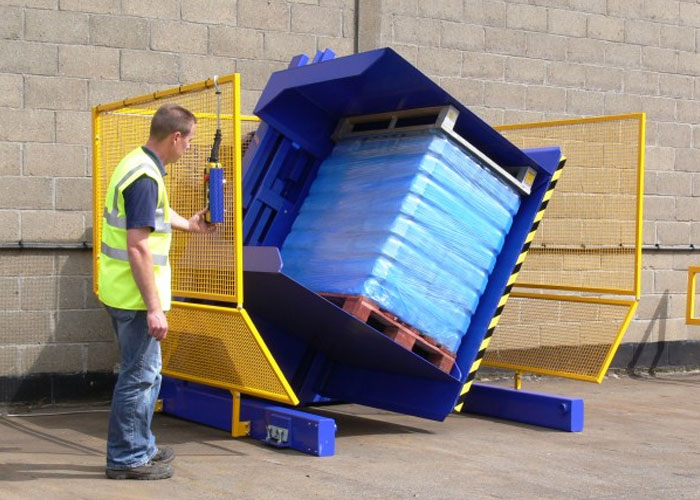
Understanding the Challenges: Cold Storage Impacts on Pallet Inverter Operations
Operating pallet inverters in cold storage environments presents a distinct set of hurdles compared to ambient temperature warehouses. The extreme cold can significantly affect both the machinery and operational protocols. Recognizing these challenges is the first step towards implementing effective solutions:
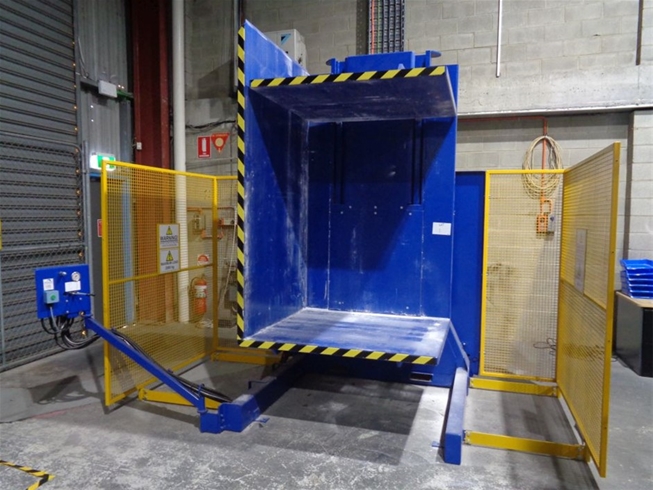
Impact of Low Temperatures on Machinery
- Hydraulic Fluid Viscosity: Low temperatures cause hydraulic fluids to thicken, increasing viscosity. This can lead to sluggish operation, reduced cycle speeds, and increased wear and tear on hydraulic components. In extreme cases, excessively viscous fluid can cause pump cavitation and system failure.
- Material Brittleness: Metals and plastics can become brittle at low temperatures, increasing the risk of fractures and breakages under stress. Components of the pallet inverter, particularly those made of certain polymers or less robust metals, can be susceptible to damage from impacts or repeated stress cycles in cold environments.
- Condensation and Ice Formation: Temperature differentials between the cold storage environment and warmer outside air can lead to condensation forming on the pallet inverter surfaces when the machinery is moved or when doors are opened. This moisture can freeze, causing operational issues, corrosion, and potential electrical malfunctions. Ice buildup can also obstruct moving parts and sensors, hindering performance.
- Lubrication Degradation: Standard lubricants can become less effective at low temperatures, losing their lubricating properties and potentially solidifying. This can lead to increased friction, wear, and premature failure of bearings, gears, and other moving parts.
Operational Challenges in Cold Environments
- Operator Comfort and Safety: Working in cold storage is inherently challenging for personnel. Reduced dexterity due to cold, discomfort, and potential health risks (like hypothermia) can impact operator efficiency and safety. Clear operational guidelines and appropriate personal protective equipment (PPE) are paramount.
- Sensor and Control System Reliability: Electronic sensors and control systems can be affected by low temperatures and condensation. Sensors might become less accurate, and control systems could experience delays or malfunctions, impacting the precision and reliability of the pallet inverter.
- Increased Maintenance Demands: The harsh conditions in cold storage necessitate more frequent and rigorous maintenance schedules. Regular inspections, lubrication, and component checks are crucial to proactively address potential issues before they escalate into costly breakdowns or safety hazards.
Operational Guidelines for Pallet Inverters in Cold Storage: Best Practices for Efficiency and Longevity
To mitigate the challenges posed by cold storage and ensure smooth pallet inverter operation, implement these comprehensive operational guidelines:
Pre-Operation Checks: Preparing for Cold Operations
- Pre-Shift Inspection: Before each shift, operators should conduct a thorough visual inspection of the pallet inverter. This includes checking for any signs of ice buildup, condensation, rust, or damage to hoses, cylinders, clamps, and structural components.
- Warm-Up Procedure: If possible, allow the pallet inverter to acclimatize to the cold storage temperature gradually. Running the machine at reduced speed for a short warm-up period can help the hydraulic fluid reach optimal operating viscosity and reduce stress on components during initial operation.
- Lubrication Check: Verify lubrication points are adequately greased with cold-resistant lubricants. Pay close attention to bearings, pivot points, and sliding surfaces. Re-lubricate as needed, especially after periods of inactivity or significant temperature fluctuations.
- Safety System Verification: Test all safety features, including emergency stop buttons, safety guards, and light curtains, to ensure they are functioning correctly in the cold environment.
During Operation: Maintaining Performance in Sub-Zero Temperatures
- Reduced Cycle Speeds (Initially): Especially at the start of operations, consider slightly reducing the cycle speed of the pallet inverter to allow hydraulic fluid to warm up and components to adjust to the cold. Gradually increase speed as operation continues and the machine warms up.
- Monitor Performance Regularly: Operators should continuously monitor the pallet inverter’s performance during operation. Listen for unusual noises, check for jerky movements, and observe cycle times. Any deviations from normal operation should be promptly investigated.
- Proper Load Handling: Ensure loads are properly secured and within the pallet inverter's specified weight and dimension limits. Avoid overloading, as cold temperatures can reduce material strength and increase the risk of load instability or equipment strain.
- Minimize Door Openings: To maintain consistent cold storage temperatures and reduce condensation, minimize the frequency and duration of door openings. Implement efficient workflows to minimize temperature fluctuations and moisture ingress.
Post-Operation Procedures: Protecting the Inverter After Use
- Cleaning and De-icing: After each shift, or more frequently if necessary, clean the pallet inverter to remove any ice, condensation, or frost buildup. Use appropriate de-icing methods that are safe for the machine's materials and components. Avoid using excessive water that could freeze and cause further problems.
- Condensation Prevention: If condensation is a significant issue, consider strategies to mitigate it. This might include using desiccants in the cold storage area, improving airflow, or implementing procedures to dry the pallet inverter before extended periods of inactivity.
- Proper Storage: When the pallet inverter is not in use for extended periods within cold storage, ensure it is stored in a way that minimizes exposure to extreme cold and potential condensation. Consider covering sensitive components to protect them from moisture and frost.
Pallet Inverter Performance in Cold Conditions: Optimizing for Sub-Zero Efficiency
Maintaining optimal pallet inverter performance in cold storage requires proactive measures to counteract the effects of low temperatures:
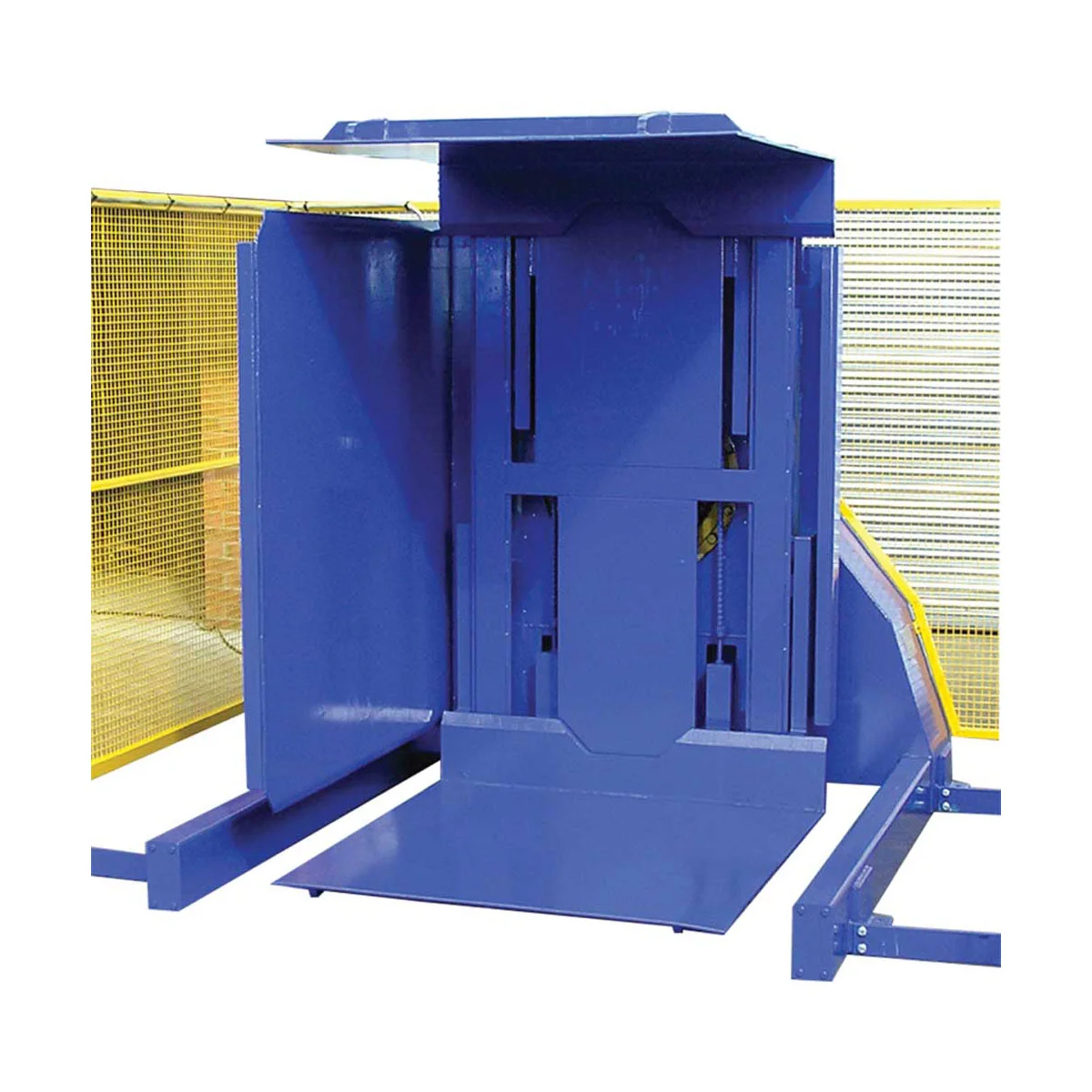
Cold-Resistant Components and Materials
- Hydraulic Fluid Selection: Use hydraulic fluids specifically designed for low-temperature operation. These fluids maintain their viscosity and lubricating properties at sub-zero temperatures, ensuring consistent and efficient hydraulic system performance.
- Cold-Weather Lubricants: Employ cold-resistant greases and lubricants for all moving parts. These lubricants prevent stiffening and ensure smooth operation of bearings, gears, and sliding surfaces in cold environments.
- Temperature-Compensating Sensors: If sensor accuracy is critical, consider using temperature-compensated sensors that are less susceptible to temperature fluctuations. This will ensure reliable and accurate readings for control systems and safety features.
- Material Upgrades (If Necessary): For facilities with extremely low temperatures or high operational demands, consider upgrading critical components to materials that are more resilient in cold conditions. This might include using specialized polymers or cold-resistant steel alloys for certain parts.
Regular Monitoring and Adjustments
- Performance Tracking: Establish key performance indicators (KPIs) for pallet inverter operation, such as cycle times, uptime, and error rates. Regularly track these metrics to identify any performance degradation that might indicate issues related to cold temperatures.
- Hydraulic System Monitoring: Monitor hydraulic system pressure and temperature. Deviations from normal operating parameters can signal problems related to fluid viscosity or component malfunction in cold conditions.
- Operator Feedback: Encourage operators to report any performance issues they observe, such as sluggish operation, unusual noises, or sensor errors. Operator feedback is invaluable for early detection of potential problems.
- Adjust Operating Parameters (If Possible): Depending on the pallet inverter model and control system capabilities, it might be possible to adjust operating parameters, such as clamp pressure or cycle speed, to optimize performance in cold conditions. Consult the manufacturer's guidelines for recommended adjustments.
Maintenance in Cold Storage: A Proactive Approach to Preventative Care
A robust maintenance program is critical for ensuring the long-term reliability and safety of pallet inverters in cold storage. Cold environments accelerate wear and tear, making preventative maintenance even more essential:
Increased Frequency of Inspections
- Daily Inspections: In addition to pre-shift checks, implement brief daily inspections focused on identifying any signs of wear, damage, or malfunction that might have developed during operation.
- Weekly Inspections: Conduct more detailed weekly inspections covering all critical components, including hydraulic systems, electrical systems, mechanical linkages, safety devices, and structural integrity. Pay close attention to areas prone to wear and tear or affected by cold conditions.
- Monthly Inspections: Perform comprehensive monthly inspections, including lubrication, tightening of fasteners, checking for corrosion, and detailed examination of hydraulic hoses and electrical wiring.
Cold-Specific Maintenance Tasks
- Hydraulic Fluid Analysis: Regularly sample and analyze hydraulic fluid to check for contamination, water ingress (due to condensation), and viscosity changes. Replace fluid according to manufacturer recommendations or if analysis indicates degradation.
- Lubrication Regimen: Establish a strict lubrication schedule using cold-resistant lubricants. Lubricate all moving parts more frequently in cold storage than in ambient temperature environments.
- Electrical System Checks: Pay close attention to electrical connections, wiring, and control panels. Cold and condensation can lead to corrosion and electrical malfunctions. Ensure all connections are tight and protected from moisture.
- Sensor Calibration and Testing: Periodically calibrate and test sensors, especially those critical for safety and precision. Cold temperatures can affect sensor accuracy, so regular verification is essential.
- Component Replacement Schedule: Establish a proactive component replacement schedule for parts prone to wear and tear, such as hydraulic hoses, seals, bearings, and electrical contacts. Cold conditions can shorten component lifespan, so preventative replacement is often more cost-effective than reactive repairs.
Employee Training and Safety in Cold Storage Pallet Inverter Operations
Properly trained operators are the cornerstone of safe and efficient pallet inverter operation, particularly in the challenging environment of cold storage:
Cold Storage Specific Training Modules
- Cold Environment Hazards: Train operators on the specific hazards of working in cold storage, including hypothermia, frostbite, and reduced dexterity. Emphasize the importance of wearing appropriate PPE and taking breaks in warmer areas as needed.
- Cold-Specific Operational Procedures: Provide training on operational adjustments for cold conditions, such as reduced cycle speeds, warm-up procedures, and increased vigilance for performance deviations.
- Emergency Procedures in Cold: Train operators on emergency procedures specific to cold storage, including what to do in case of equipment malfunction, accidents, or medical emergencies in sub-zero temperatures.
- PPE Requirements: Thoroughly train operators on the correct use and maintenance of PPE for cold storage, including insulated gloves, clothing, and headwear. Emphasize the importance of wearing PPE consistently and correctly.
General Pallet Inverter Safety Training
- Safe Operating Procedures: Comprehensive training on safe operating procedures for the specific pallet inverter model being used. This includes proper loading and unloading techniques, understanding safety interlocks, and responding to alarms or malfunctions.
- Hazard Awareness: Training on potential hazards associated with pallet inverters, such as pinch points, crush zones, and load instability. Emphasize the importance of maintaining safe distances and following safety guidelines.
- Regular Refresher Training: Conduct regular refresher training sessions to reinforce safety procedures, update operators on any changes in operational guidelines, and address any questions or concerns.
Safety Considerations in Cold Storage: Prioritizing Worker Well-being
Safety is paramount in all warehousing operations, and cold storage environments demand even greater attention to safety protocols:
Personal Protective Equipment (PPE)
- Mandatory PPE: Enforce mandatory use of appropriate PPE for all personnel working in cold storage areas with pallet inverters. This includes insulated gloves, thermal clothing, headwear, and safety footwear suitable for cold and potentially slippery surfaces.
- Regular PPE Checks: Implement procedures for regular PPE checks to ensure it is in good condition and properly worn. Replace damaged or worn-out PPE promptly.
Environmental Safety Measures
- Clear Safety Zones: Clearly mark safety zones around pallet inverters using high-visibility tape or barriers. Ensure these zones are kept clear of personnel during operation.
- Anti-Slip Flooring: Maintain flooring in cold storage areas to minimize slip hazards. Use anti-slip coatings or mats, and promptly address any ice or condensation buildup that could create slippery surfaces.
- Adequate Lighting: Ensure sufficient lighting in cold storage areas to enhance visibility and reduce the risk of accidents. Low temperatures can sometimes affect lighting performance, so regular checks and maintenance are important.
- Emergency Warming Stations: Provide designated warming stations or areas where personnel can take breaks and warm up if needed. This is crucial for preventing cold-related illnesses and maintaining operator well-being.
Benefits of Smooth Pallet Inverter Operation in Cold Storage: Maximizing Efficiency and Protecting the Cold Chain
Investing in proper operational guidelines and maintenance for pallet inverters in cold storage yields significant benefits:
- Enhanced Efficiency and Throughput: Smooth and reliable pallet inverter operation minimizes downtime, optimizes cycle times, and increases overall throughput in cold storage facilities. This translates to faster processing of temperature-sensitive goods and improved efficiency in cold chain logistics.
- Reduced Product Damage: Properly maintained pallet inverters ensure smooth and controlled load handling, minimizing the risk of product damage during pallet inversion and transfer processes. This is critical for protecting the integrity of temperature-sensitive goods and reducing product loss.
- Improved Workplace Safety: Adhering to safety guidelines and ensuring equipment reliability reduces the risk of accidents and injuries in cold storage environments. This creates a safer and healthier working environment for personnel and minimizes potential liability.
- Extended Equipment Lifespan: Proactive maintenance and adherence to operational best practices extend the lifespan of pallet inverters in harsh cold storage conditions. This reduces the need for premature equipment replacement and minimizes long-term costs.
- Cold Chain Integrity: Reliable pallet inverter operation contributes to maintaining the integrity of the cold chain. Efficient and safe handling of temperature-sensitive goods helps ensure that products remain within specified temperature ranges throughout the logistics process, preserving quality and safety.
Conclusion: Prioritizing Cold-Specific Strategies for Pallet Inverter Success
Ensuring smooth operation of pallet inverters in cold storage requires a comprehensive approach that addresses the unique challenges of sub-zero environments. By implementing cold-specific operational guidelines, proactive maintenance programs, and robust safety protocols, businesses can maximize the efficiency and reliability of these essential machines. Prioritizing operator training, utilizing cold-resistant components and lubricants, and consistently monitoring performance are key to navigating the complexities of cold chain logistics and achieving optimal pallet inverter performance in cold storage facilities. This commitment to best practices not only enhances operational efficiency but also safeguards product integrity, protects worker well-being, and contributes to the overall success of cold storage operations.