
How to Ensure Compliance with Industry Standards for Pallet Inverters?
Ensuring compliance with industry standards for pallet inverters involves a multifaceted approach encompassing risk assessment, workplace safety protocols, regular maintenance, and comprehensive employee training. By adhering to these guidelines, businesses can mitigate workplace injuries, protect products, and optimize operational efficiency. Pallet inverters are crucial for warehouse efficiency; however, to ensure safety and regulatory adherence, understanding and implementing industry best practices is paramount.
Understanding the Importance of Pallet Inverter Safety and Compliance
Pallet inverters are indispensable tools in modern warehousing, logistics, and manufacturing, streamlining material handling by efficiently transferring loads between pallets, recovering damaged goods, or changing pallet types. These machines, while boosting productivity, also introduce potential workplace hazards if not properly managed and operated according to industry standards and safety guidelines. Non-compliance can lead to a range of issues, from workplace accidents and product damage to regulatory fines and operational inefficiencies.
The significance of pallet inverter safety extends beyond mere regulatory adherence. It directly impacts employee well-being, operational continuity, and the bottom line. Workplace injuries, often stemming from improper equipment handling or inadequate safety measures, can result in lost workdays, compensation claims, and decreased morale. Damaged products due to insecure inverter operation or lack of maintenance represent financial losses and can disrupt supply chains.
Moreover, a proactive approach to safety and compliance enhances a company's reputation and demonstrates a commitment to employee welfare and operational excellence. This commitment is increasingly valued by stakeholders, including customers, partners, and regulatory bodies.
Key Industry Standards and Compliance Guidelines
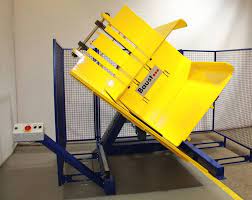
While specific, universally mandated "industry standards for pallet inverters" might be broadly defined under wider machinery safety regulations, the core principles of workplace safety and equipment-specific best practices are paramount. Several overarching frameworks and guidelines are applicable to pallet inverter operation and safety:
[
Workplace Safety Standards
General workplace safety standards form the bedrock of pallet inverter compliance. Organizations like OSHA (Occupational Safety and Health Administration) in the United States and similar bodies globally set guidelines for safe working environments. These regulations emphasize:
- Risk Assessment: Identifying potential hazards associated with pallet inverter operation.
- Hazard Control: Implementing measures to eliminate or mitigate identified risks.
- Safe Operating Procedures: Establishing and enforcing protocols for safe equipment use.
- Personal Protective Equipment (PPE): Mandating appropriate PPE to minimize worker injury.
- Training and Competency: Ensuring operators are properly trained and competent to use pallet inverters safely.
- Regular Inspections and Maintenance: Maintaining equipment in safe working order through scheduled inspections and maintenance.
Pallet Inverter Specific Guidelines and Best Practices
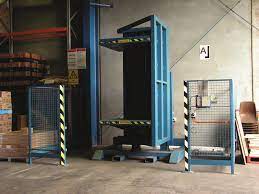
Beyond general workplace safety, specific guidelines and best practices related to pallet inverters are crucial for compliance and safe operation. These are often derived from manufacturer recommendations, industry best practices, and common-sense safety principles:
[
- Manufacturer Instructions: Always adhere to the pallet inverter instructions and manuals provided by the manufacturer. These documents contain critical information on installation, operation, maintenance, and safety procedures specific to the equipment model.
- Pre-Use Inspections: Conduct daily pre-use inspections to identify any visible damage, loose parts, or malfunctions before operating the inverter.
- Regular Maintenance Schedules: Implement and adhere to a regular maintenance schedule, including weekly, monthly, and annual checks as recommended by the manufacturer. This includes lubrication, hydraulic oil level checks, and inspection of critical components.
- Safety Guarding and Interlocks: Ensure all safety guards and interlocks are in place and functioning correctly. These are designed to protect operators from moving parts during operation.
- Emergency Stop Mechanisms: Verify that emergency stop buttons are easily accessible and fully functional to immediately halt operation in case of an emergency.
- Load Capacity Limits: Never exceed the stated load capacity of the pallet inverter. Overloading can lead to equipment failure and dangerous situations.
- Proper Pallet Size and Type: Use pallets that are compatible with the inverter's design and size specifications. Using incorrect pallets can lead to instability and product damage.
- Securing Loads: Ensure loads are properly secured on the pallet before inversion to prevent shifting or falling during the process.
Implementing a Pallet Inverter Risk Management Strategy
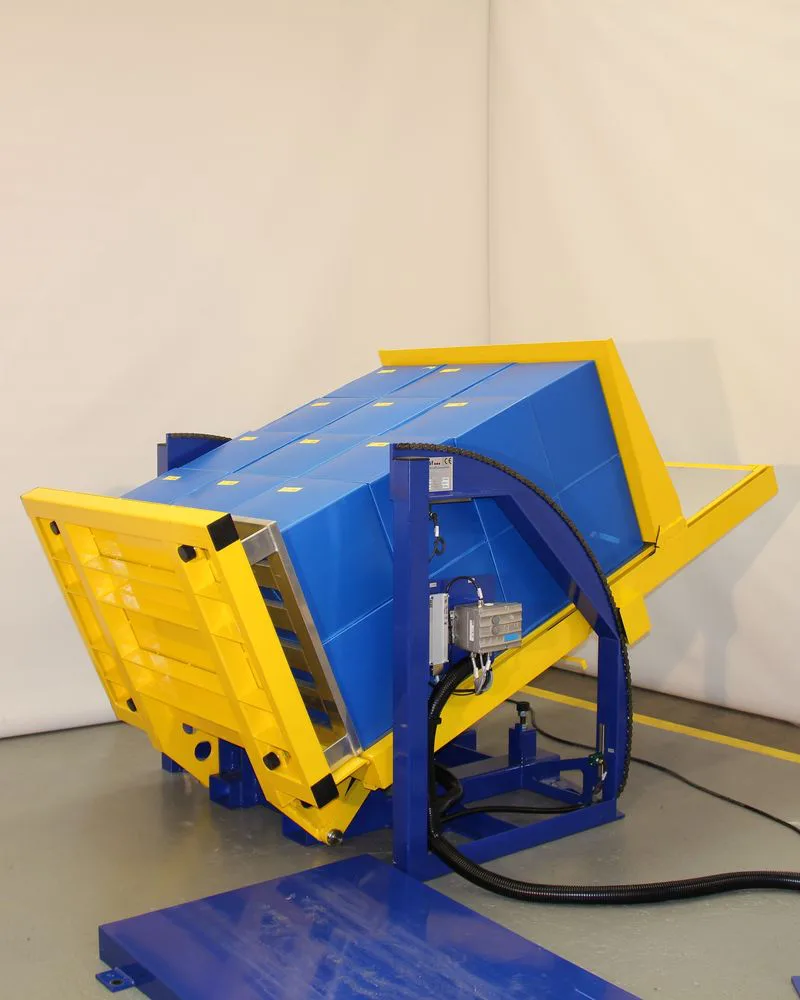
A robust risk management strategy is central to ensuring pallet inverter compliance and workplace safety. This involves a systematic approach to identify, assess, and control risks associated with pallet inverter operation:
[
Hazard Identification
The first step in risk management is to identify potential hazards. For pallet inverters, these can include:
- Moving Parts: Rotating and clamping mechanisms pose crush and entanglement hazards.
- Falling Loads: Improperly secured or overloaded pallets can fall during inversion.
- Hydraulic System Failures: Leaks or malfunctions in the hydraulic system can lead to loss of control or unexpected movements.
- Electrical Hazards: Electrical components and wiring can pose shock risks if not properly maintained.
- Ergonomic Issues: While inverters reduce manual handling, improper operation or setup can still lead to ergonomic strain.
- Lack of Training: Untrained operators are more likely to make mistakes and cause accidents.
- Inadequate Maintenance: Poorly maintained equipment is more prone to failures and hazards.
Risk Assessment
Once hazards are identified, the next step is to assess the associated risks. This involves evaluating the likelihood of an incident occurring and the severity of potential consequences. Factors to consider include:
- Frequency of Operation: How often is the pallet inverter used? More frequent use increases exposure to risk.
- Operator Experience: Are operators well-trained and experienced, or are they new and potentially less proficient?
- Load Characteristics: What types of loads are being handled? Are they heavy, unstable, or hazardous?
- Work Environment: Is the inverter located in a busy area with pedestrian traffic, or is it in a dedicated, controlled space?
Risk Control Measures
After assessing risks, implement control measures to mitigate or eliminate them. These measures should follow a hierarchy of controls, starting with the most effective:
- Elimination: Can the hazard be eliminated entirely? (In most cases, pallet inverters are necessary, so elimination of the equipment itself is not feasible, but certain risky practices could be eliminated).
- Substitution: Can a less hazardous process or equipment be substituted? (Potentially, different types of inverters might offer reduced risks for specific applications).
- Engineering Controls: Implement physical changes to the workplace or equipment to reduce risks. This is crucial for pallet inverters and includes:
- Safety Guards: Install and maintain robust safety guards to prevent access to moving parts.
- Light Curtains/Barriers: Use light curtains or barriers to create a safety zone around the inverter, stopping operation if the zone is breached.
- Emergency Stop Buttons: Ensure easily accessible and functional emergency stop buttons.
- Interlocking Systems: Implement interlocks that prevent operation if guards are not in place or safety mechanisms are bypassed.
- Administrative Controls: Implement procedures and policies to reduce risks. These include:
- Safe Operating Procedures (SOPs): Develop and enforce clear, written SOPs for all aspects of pallet inverter operation, from pre-use checks to emergency procedures.
- Permit-to-Work Systems: For maintenance or non-routine tasks, implement permit-to-work systems to ensure safety procedures are followed.
- Signage and Warnings: Use clear signage and warnings to highlight hazards and safety instructions.
- Designated Pallet Areas: Establish designated areas for pallet inverter operation and pallet staging to minimize traffic and potential collisions.
- Personal Protective Equipment (PPE): Provide and enforce the use of appropriate PPE. For pallet inverter operation, this may include:
- Safety Footwear: Steel-toed boots to protect feet from falling objects or impacts.
- Gloves: Heavy-duty gloves to protect hands from cuts, abrasions, and splinters from pallets.
- Eye Protection: Safety glasses or goggles to protect eyes from dust and debris, especially during maintenance.
- High-Visibility Clothing: In busy warehouse environments, high-visibility clothing can improve operator visibility and reduce the risk of collisions.
Regular Review and Improvement
Risk management is an ongoing process. Regularly review the risk assessment, control measures, and incident records to identify areas for improvement. This should include:
- Periodic Risk Assessment Review: Review the risk assessment at least annually, or whenever there are significant changes in equipment, processes, or the work environment.
- Incident Investigation: Thoroughly investigate all incidents and near misses to identify root causes and implement corrective actions to prevent recurrence.
- Employee Feedback: Solicit feedback from operators and maintenance personnel regarding safety concerns and potential improvements.
- Management Review: Regularly review the overall safety management system with management to ensure its effectiveness and ongoing support.
Workplace Safety Standards in Pallet Inverter Operation
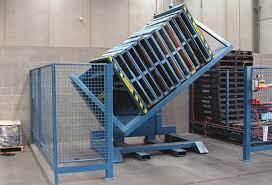
Maintaining high workplace safety standards is crucial for preventing injuries and ensuring compliance when operating pallet inverters. Key aspects of workplace safety include:
[
Employee Training and Competency
Comprehensive training is paramount. Operators must be thoroughly trained on:
- Safe Operation: Proper start-up, operation, and shut-down procedures for the specific pallet inverter model.
- Hazard Awareness: Identification of potential hazards associated with pallet inverter operation.
- Emergency Procedures: Response to malfunctions, emergencies, and the use of emergency stop mechanisms.
- Pre-Use Inspections: How to conduct thorough pre-use inspections and identify potential issues.
- Load Securing: Proper techniques for securing loads on pallets before inversion.
- PPE Requirements: Correct use and maintenance of required PPE.
Training should be practical, hands-on, and regularly refreshed. Competency assessments should be conducted to ensure operators understand and can apply safe operating procedures. Only authorized and trained personnel should be permitted to operate pallet inverters.
Safe Operating Procedures (SOPs)
Develop and implement clear, written SOPs for all pallet inverter operations. SOPs should cover:
- Pre-Operational Checks: Step-by-step instructions for pre-use inspections.
- Start-Up and Shut-Down Procedures: Detailed procedures for safely starting and stopping the inverter.
- Normal Operation: Instructions on how to operate the inverter for routine pallet inversion tasks.
- Load Handling Guidelines: Guidance on load capacity limits, pallet types, and load securing techniques.
- Emergency Procedures: Steps to take in case of malfunctions, equipment failures, or accidents.
- Lockout/Tagout Procedures: Procedures for safely isolating and locking out the inverter for maintenance or repairs.
SOPs should be readily accessible to operators, regularly reviewed, and updated as needed.
Regular Maintenance and Inspections
Scheduled maintenance is essential for ensuring pallet inverters operate safely and reliably. Maintenance schedules should include:
- Weekly Checks: Greasing moving parts, visual inspections for damage or leaks.
- Monthly Checks: Hydraulic oil level checks, inspection of hoses and connections, verification of safety guard functionality.
- Annual Inspections: Comprehensive inspections by qualified technicians, including load testing, detailed component checks, and hydraulic system servicing.
Maintain detailed maintenance records to track inspections, repairs, and servicing. Address any identified issues promptly and take equipment out of service if necessary until repairs are completed.
Safety Equipment and Features
Ensure all safety equipment and features are in place and functioning correctly:
- Safety Guards: Verify that all guards are securely in place and undamaged.
- Light Barriers: Regularly test light barriers to ensure they effectively stop operation when interrupted.
- Emergency Stops: Test emergency stop buttons daily to confirm they halt operation immediately.
- Interlocks: Check interlocks to ensure they prevent operation if guards are removed or safety systems are bypassed.
Product Safety Considerations
Pallet inverter safety extends to protecting the products being handled. Compliance measures should also address product safety:
- Correct Pallet Size: Use pallets of the correct size and type for the inverter and the load to ensure stability and prevent damage.
- Load Securing: Properly secure loads to pallets to prevent shifting, collapsing, or falling during inversion. This may involve strapping, wrapping, or using load containment devices.
- Avoiding Overloading: Never exceed the inverter's load capacity. Overloading can damage the equipment and the products, and create unsafe conditions.
- Gentle Handling: Operate the inverter smoothly and avoid abrupt movements that could damage fragile products.
- Product-Specific Procedures: Develop specific procedures for handling delicate or sensitive products to minimize the risk of damage during inversion.
Monitoring Performance and Continuous Improvement
Compliance is not a static state but an ongoing process. Continuously monitor pallet inverter performance and safety practices to identify areas for improvement. This includes:
- Performance Tracking: Monitor key metrics such as uptime, throughput, and cycle times to identify any performance issues that could indicate maintenance needs or operational inefficiencies.
- Safety Audits: Conduct regular safety audits to assess compliance with SOPs, identify any unsafe practices, and verify the effectiveness of control measures.
- Employee Feedback Mechanisms: Establish channels for employees to report safety concerns, near misses, and suggestions for improvement.
- Management Review of Safety Data: Regularly review safety data, incident reports, and audit findings with management to identify trends, prioritize improvements, and allocate resources effectively.
By diligently implementing and maintaining these compliance measures, businesses can ensure the safe and efficient operation of pallet inverters, protect their workforce and products, and maintain a compliant and productive work environment. Regular review and a commitment to continuous improvement are key to sustaining a culture of safety and operational excellence in pallet handling.