
How to Enhance Pallet Inverter Performance with Energy-Efficient Designs?
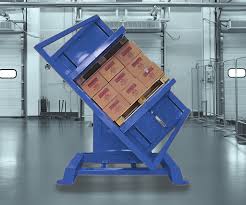
Pallet inverters are crucial for streamlining material handling across industries, and enhancing their performance through energy-efficient designs is paramount. Optimizing hydraulic systems, incorporating smart automation, and choosing lightweight yet durable materials are key strategies. These improvements not only boost operational efficiency and reduce energy consumption but also contribute to a more sustainable and eco-friendly supply chain, aligning with modern business imperatives.
Understanding the Core of Pallet Inverter Efficiency
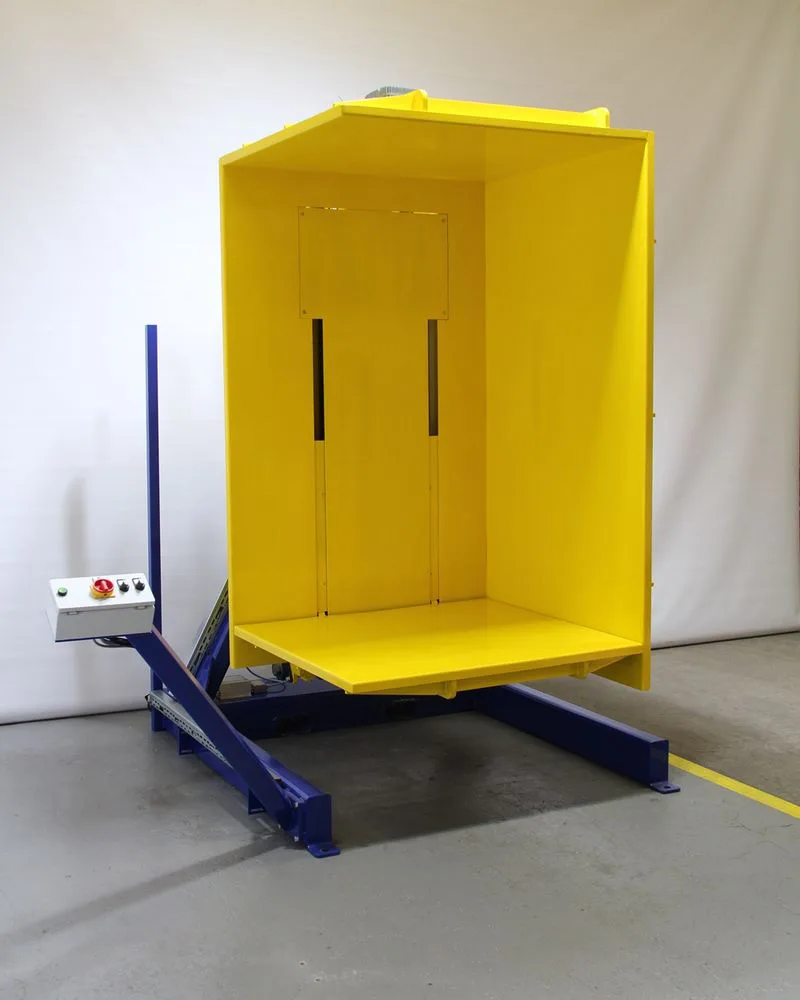
Pallet inverters stand as indispensable equipment in modern warehouses and manufacturing facilities. Their primary function – to efficiently invert entire pallet loads – addresses a myriad of logistical challenges, from replacing damaged pallets to transferring goods between different pallet types or slip sheets. By eliminating manual restacking, these machines significantly reduce labor costs, minimize product damage, and enhance workplace safety. To truly appreciate how energy-efficient designs can amplify their performance, it’s essential to first understand the fundamental workings and key components of a pallet inverter.
At its core, a pallet inverter is a robust piece of machinery designed to rotate or flip palletized goods without compromising load integrity. The process typically begins with a loaded pallet being placed into the inverter. A crucial component, the adjustable clamping mechanism, then secures the load firmly. This mechanism is designed to handle varying load sizes and weights, ensuring that products remain stable during the inversion process. Powering the inversion is a hydraulic system, which smoothly rotates the clamped load, usually by 180 degrees, on an anti-friction turret bearing. This rotation allows for access to the underside of the pallet load or a complete transfer onto a new pallet or slip sheet.
Key components that contribute to the functionality of pallet inverters include:
- Frame: Constructed from heavy-duty steel, the frame provides the structural backbone, ensuring stability and durability under heavy loads and frequent operation.
- Clamping Mechanism: This adjustable system is vital for securing diverse load types and sizes. Its pressure adjustment capability is crucial for handling both delicate and robust goods safely.
- Hydraulic System: The heart of the inverter, this system provides the power for lifting, clamping, and rotating. Its efficiency directly impacts the energy consumption and cycle time of the inverter.
- Control Panel: User-friendly controls allow operators to manage the inversion process with precision, often including safety features and automated sequences.
Understanding these core elements sets the stage for exploring how energy-efficient designs can be integrated to not only boost performance but also contribute to sustainable operations.
Designing for Energy Efficiency: Key Strategies
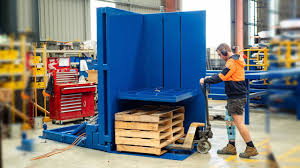
Enhancing pallet inverter performance through energy-efficient designs is not merely about reducing operational costs; it's about embracing sustainability and future-proofing warehouse operations. Several key design strategies can be employed to minimize energy consumption while maximizing throughput and reliability.
Optimized Hydraulic Systems: Hydraulic systems are the primary power source in most pallet inverters, and their efficiency is critical. Modern designs focus on:
- Right-sized Hydraulic Power Units (HPUs): Selecting HPUs that precisely match the operational demands prevents energy wastage from oversized motors and pumps.
- Variable Displacement Pumps: These pumps adjust oil flow based on demand, reducing energy consumption during periods of lower activity compared to fixed displacement pumps that operate at full capacity continuously.
- Regenerative Hydraulics: Systems that capture and reuse hydraulic energy during the lowering or rotation phases can significantly cut down on energy use.
- Low-Friction Components: Utilizing high-quality hydraulic cylinders, hoses, and fittings minimizes energy loss due to friction, improving overall system efficiency.
Smart Automation and Controls: Integrating intelligent control systems can drastically reduce energy consumption and enhance operational efficiency:
- Programmable Logic Controllers (PLCs): PLCs enable precise control over the inversion cycle, optimizing clamp pressure, rotation speed, and cycle times, thereby minimizing unnecessary energy use.
- Sensors and Feedback Loops: Implementing sensors to detect load presence and weight allows the inverter to adjust its operation dynamically, using only the required amount of energy for each cycle.
- Automatic Standby and Shut-off Modes: Programming inverters to automatically enter standby or shut-off modes during idle periods eliminates energy waste from continuous operation when not needed.
- Optimized Cycle Times: Streamlining the inversion process through optimized motion sequences and faster cycle times not only increases throughput but also reduces the total energy consumed per pallet load.
Lightweight Yet Durable Materials: The construction materials of a pallet inverter play a role in its energy efficiency:
- High-Strength, Low-Weight Steel Alloys: Using advanced steel alloys allows for a lighter machine structure without sacrificing strength or durability. A lighter machine requires less energy to operate and move, especially in portable models.
- Optimized Structural Design: Finite Element Analysis (FEA) and other engineering tools can optimize the frame design to reduce material usage while maintaining structural integrity, contributing to weight reduction and energy savings.
By focusing on these energy-efficient design strategies, manufacturers can create pallet inverters that not only perform exceptionally but also contribute to a more sustainable and cost-effective material handling operation.
Performance Optimization: Beyond Energy Efficiency
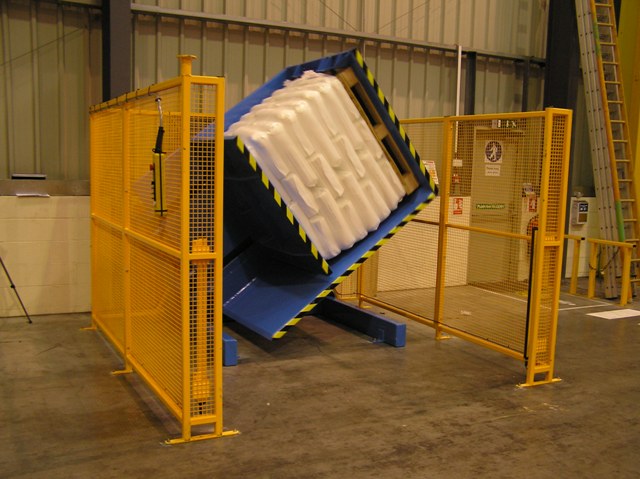
While energy efficiency is a crucial aspect of modern pallet inverter design, performance optimization encompasses a broader spectrum of factors that directly impact operational productivity and effectiveness. Enhancing performance involves maximizing throughput, ensuring reliability, and simplifying operation, all while maintaining energy-conscious practices.
Reducing Cycle Times: Faster cycle times translate directly to increased throughput and reduced operational bottlenecks. Performance optimization strategies in this area include:
- Faster Hydraulic Actuation: Optimizing the hydraulic system for quicker response times in clamping, lifting, and rotating actions minimizes the duration of each inversion cycle.
- Simultaneous Operations: Designing systems that allow for overlapping or simultaneous movements, such as clamping while positioning for rotation, can shave valuable seconds off each cycle.
- Efficient Control Algorithms: Advanced control software can optimize movement sequences, ensuring smooth and rapid transitions between different stages of the inversion process.
Ensuring Load Stability and Safety: Performance isn't just about speed; it's also about the safe and secure handling of goods:
- Advanced Clamping Mechanisms: Employing adaptable clamping systems that adjust pressure dynamically based on load characteristics ensures secure handling of diverse product types, from fragile items to heavy, dense loads.
- Smooth and Controlled Rotation: Implementing dampening and soft-start/soft-stop features in the hydraulic and control systems provides smooth and controlled rotation, minimizing the risk of load shifting or damage during inversion.
- Robust Safety Features: Integrating comprehensive safety systems, including light curtains, emergency stops, and interlocking guards, ensures operator safety and prevents accidents, contributing to uninterrupted and efficient operation.
Ease of Operation and Maintenance: A high-performance pallet inverter is user-friendly and requires minimal downtime:
- Intuitive User Interfaces: Designing control panels with clear, user-friendly interfaces and minimal controls simplifies operation and reduces operator training time.
- Remote Diagnostics and Monitoring: Incorporating remote monitoring capabilities allows for proactive maintenance scheduling and faster troubleshooting, minimizing downtime and ensuring continuous operation.
- Modular Design for Easy Maintenance: Designing inverters with modular components facilitates easier access for maintenance and repairs, reducing downtime and extending the machine's lifespan.
By focusing on these performance optimization aspects, businesses can leverage pallet inverters not only for energy savings but also for significant gains in productivity, safety, and operational efficiency.
Sustainability and Eco-Friendly Operations
The integration of energy-efficient designs in pallet inverters directly contributes to broader sustainability goals and eco-friendly operations within warehouses and manufacturing facilities. Beyond reducing energy consumption, these designs foster a more environmentally responsible and resource-conscious approach to material handling.
Reduced Carbon Footprint: Lower energy consumption directly translates to a smaller carbon footprint. By minimizing electricity usage, energy-efficient pallet inverters help reduce the reliance on fossil fuels and decrease greenhouse gas emissions associated with energy production. This aligns with corporate sustainability initiatives and global efforts to combat climate change.
Lower Operational Costs: Energy savings are not just environmentally beneficial; they are also economically advantageous. Reduced electricity bills directly lower operational costs, contributing to improved profitability. Over the lifespan of a pallet inverter, these accumulated savings can be substantial.
Extended Equipment Lifespan: Energy-efficient designs often incorporate components that operate under less stress and generate less heat. This can lead to reduced wear and tear, extending the lifespan of the pallet inverter and reducing the frequency of replacements, which further contributes to sustainability by conserving resources and minimizing waste.
Reduced Material Waste: By minimizing product damage through features like smooth rotation and adjustable clamping, energy-efficient pallet inverters contribute to reducing material waste. Less damaged product means less waste disposal and more efficient resource utilization throughout the supply chain.
Enhanced Corporate Social Responsibility (CSR): Adopting eco-friendly technologies like energy-efficient pallet inverters demonstrates a commitment to environmental stewardship and corporate social responsibility. This can enhance a company's reputation, attract environmentally conscious customers, and improve stakeholder relations.
By prioritizing sustainability in pallet inverter design and implementation, businesses can achieve a triple bottom line benefit: environmental protection, economic savings, and social responsibility.
Industry Applications and Real-World Benefits
The benefits of energy-efficient pallet inverters are realized across a diverse range of industries, each with unique material handling challenges and sustainability goals.
Food and Beverage Industry: In this sector, hygiene and product integrity are paramount. Energy-efficient inverters facilitate the switch from wooden to hygienic plastic pallets, reducing contamination risks and waste. Reduced energy consumption is particularly valuable in temperature-controlled environments like cold storage warehouses, where minimizing energy use for both equipment operation and refrigeration is critical.
Pharmaceutical and Medical Industry: Similar to the food industry, pharmaceuticals demand stringent hygiene standards. Pallet inverters enable efficient pallet exchange for cleanroom environments. Energy efficiency contributes to maintaining stable and controlled environments, essential for product quality and regulatory compliance.
Manufacturing and Distribution Centers: These high-volume environments benefit significantly from the increased throughput and reduced operational costs offered by energy-efficient inverters. Faster cycle times and lower energy consumption translate to greater efficiency and profitability in large-scale operations. The reduced physical strain on workers due to automation also improves workplace safety and reduces labor costs.
Retail and Supermarket Chains: Portable pallet inverters, with energy-efficient designs, are ideal for optimizing space in retail backrooms and distribution centers. Their mobility and lower energy footprint make them versatile for handling goods in various locations, ensuring product freshness and efficient shelf restocking.
Automotive and Construction Industries: These sectors often handle heavy and bulky materials. Robust, energy-efficient pallet inverters streamline the handling of parts, components, and building materials, improving safety and reducing labor. Energy-efficient hydraulic systems are crucial for managing heavy loads without excessive power consumption.
In each of these applications, the transition to energy-efficient pallet inverters not only enhances operational performance but also aligns with industry-specific sustainability requirements and broader environmental goals.
Conclusion: Investing in Efficiency for a Sustainable Future
Enhancing pallet inverter performance through energy-efficient designs is a strategic imperative for modern businesses. By focusing on optimized hydraulic systems, smart automation, and durable yet lightweight materials, companies can achieve significant improvements in operational efficiency, energy consumption, and overall sustainability.
The benefits extend beyond mere cost savings. Energy-efficient pallet inverters contribute to a reduced carbon footprint, improved workplace safety, minimized product damage, and enhanced corporate social responsibility. For industries ranging from food and pharmaceuticals to manufacturing and retail, the adoption of these advanced technologies is a step towards a more sustainable, efficient, and profitable future. Investing in energy-efficient pallet inverters is not just an operational upgrade; it's an investment in a greener and more resilient supply chain.