
How to Enhance Pallet Inverter Performance with Advanced Sensors?
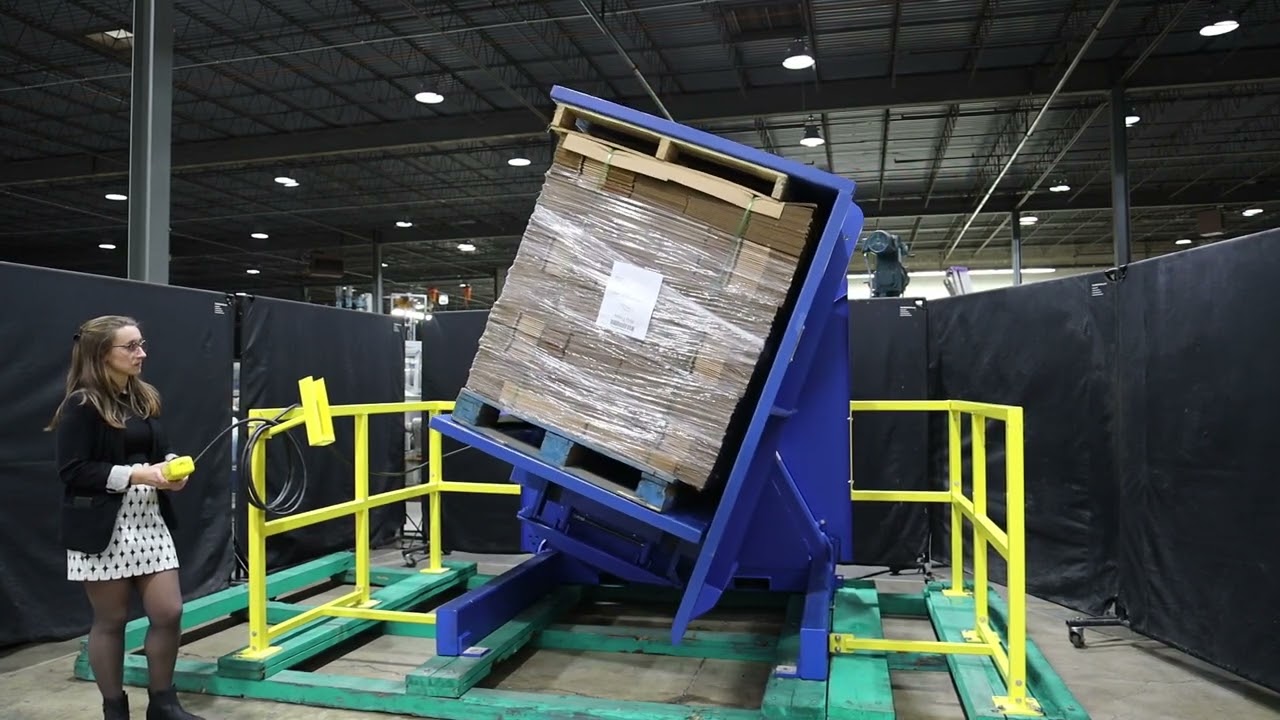
To enhance pallet inverter performance with advanced sensors, focus on automation and precision. Sensors enable real-time load adjustment, improve safety by detecting misalignment and obstacles, and optimize cycle times by providing accurate positional feedback. Integrating sensors leads to streamlined operations, reduced manual intervention, and increased efficiency in pallet handling and load transfer processes.
Revolutionizing Pallet Handling with Smart Technology
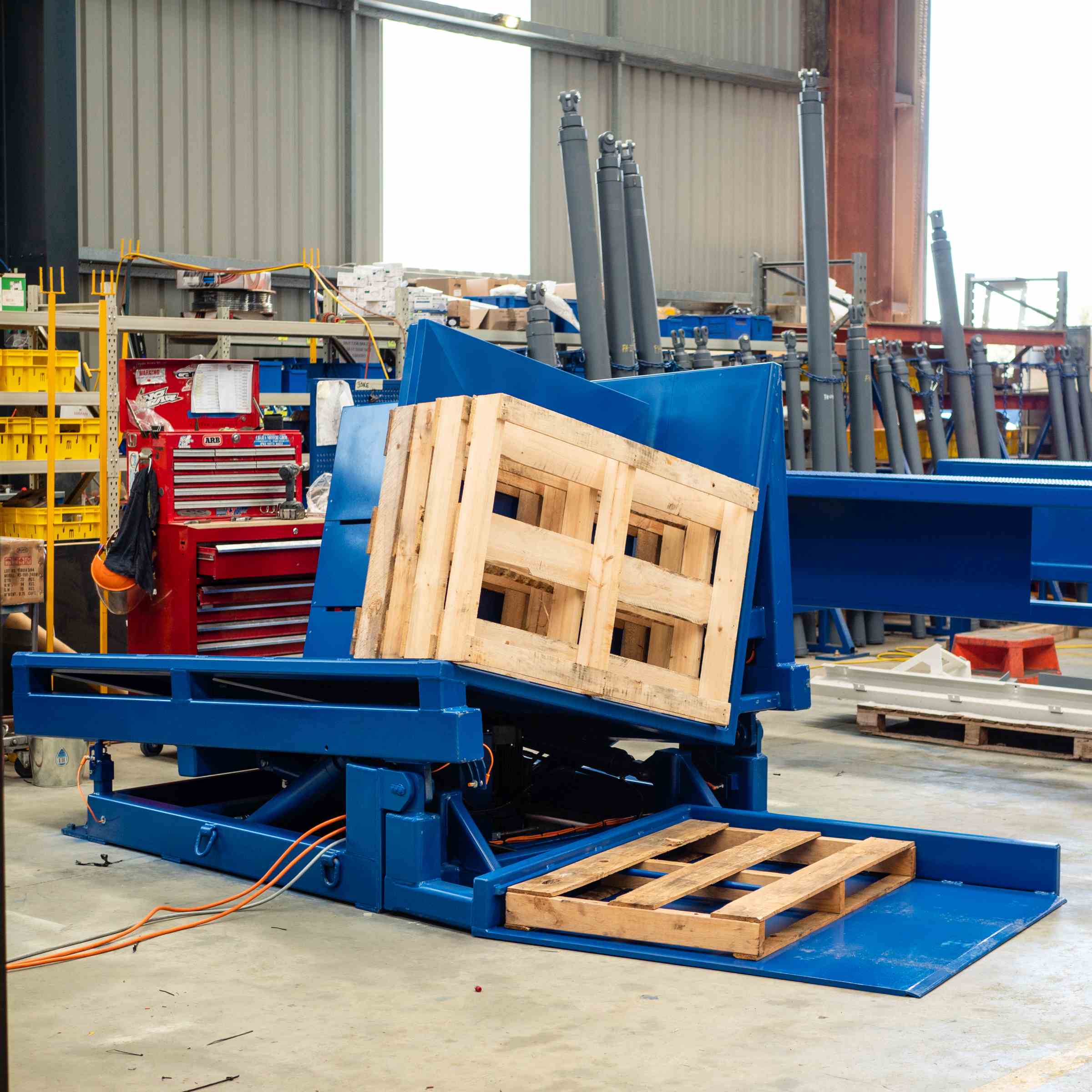
In today’s fast-paced industrial landscape, efficiency and safety are paramount. Pallet inverters, essential tools for material handling, are undergoing a significant transformation thanks to the integration of advanced sensor technology. This evolution is not just about incremental improvements; it's a leap towards creating smarter, more autonomous, and significantly more efficient pallet handling systems. By embedding sophisticated sensors into pallet inverters, we are unlocking new levels of performance optimization, paving the way for streamlined warehouse operations and enhanced industrial productivity.
The Power of Sensors: Precision and Automation Unleashed
The core of enhancing pallet inverter performance lies in the strategic deployment of advanced sensors. These sensors act as the eyes and ears of the machine, providing real-time data and feedback that drive intelligent automation and precision. Traditional pallet inverters, while effective, often operate with limited feedback, relying heavily on pre-programmed cycles and manual adjustments. The introduction of sensors changes this paradigm, enabling dynamic adjustments and responses based on the specific characteristics of each load and operational scenario.
Enhancing Operational Efficiency Through Real-Time Feedback
One of the most significant benefits of sensor integration is the ability to achieve real-time operational adjustments. Imagine a pallet inverter equipped with load sensors that can detect the weight distribution of a pallet as it's being inverted. This data allows the system to automatically adjust clamping pressure, ensuring a secure grip without damaging the goods. Similarly, positional sensors can precisely monitor the rotation angle, guaranteeing accurate inversion and alignment, minimizing cycle times and maximizing throughput. This level of precision was previously unattainable with traditional systems, marking a significant step forward in operational efficiency.
Consider the "Master Inverter Logy" offered by Toppy, which already incorporates an "adaptive centering system utilizing sonar measurement for precise alignment of goods." This is a prime example of how sensor technology is currently being used to enhance precision. Expanding on this concept, integrating a broader suite of sensors can further refine these systems. For instance, adding laser sensors to detect pallet dimensions and load height can automate the setup process, eliminating manual adjustments and reducing the risk of human error.
Elevating Safety Standards with Intelligent Monitoring
Safety is a non-negotiable aspect of any industrial operation. Advanced sensors play a crucial role in elevating safety standards in pallet inverter systems. Proximity sensors, for example, can create safety zones around the inverter, halting operation if personnel or obstacles are detected within a defined range. This proactive safety measure significantly reduces the risk of accidents and injuries in the workplace.
Furthermore, sensors can monitor critical operational parameters like hydraulic pressure and motor temperature. Deviations from pre-set thresholds can trigger alerts, indicating potential maintenance needs or preventing system failures. This predictive maintenance capability not only enhances safety but also minimizes downtime, ensuring continuous operation and maximizing productivity.
Automation: The Next Frontier in Pallet Inverter Technology
The integration of advanced sensors is a key enabler for the next frontier in pallet inverter technology: full automation. By combining sensor data with intelligent control systems, pallet inverters can move beyond simple inversion tasks to become integral components of fully automated warehouse systems.
Imagine an "Inline Pallet Inverter," like the L-Shape Inline APS described in the materials, capable of changing up to 100 pallets per hour. Equipping such a system with advanced sensors would further optimize its performance. Sensors could guide pallets seamlessly through the transfer process, ensuring accurate positioning and minimizing any potential for jams or disruptions. Combined with automatic slip-sheet dispensers and roller conveyors, as seen in the "V-Shape Logy," sensor-driven automation creates a truly hands-off pallet handling solution.
The "Q-Shape Logy," designed as an "incredibly advanced automated pallet warehouse system," perfectly exemplifies this trend. Sensors are the backbone of such systems, enabling them to operate autonomously, adapt to varying load types, and optimize processes in real-time. This level of automation not only reduces labor costs but also minimizes human error, leading to greater accuracy and consistency in warehouse operations.
Diverse Sensor Applications for Enhanced Performance
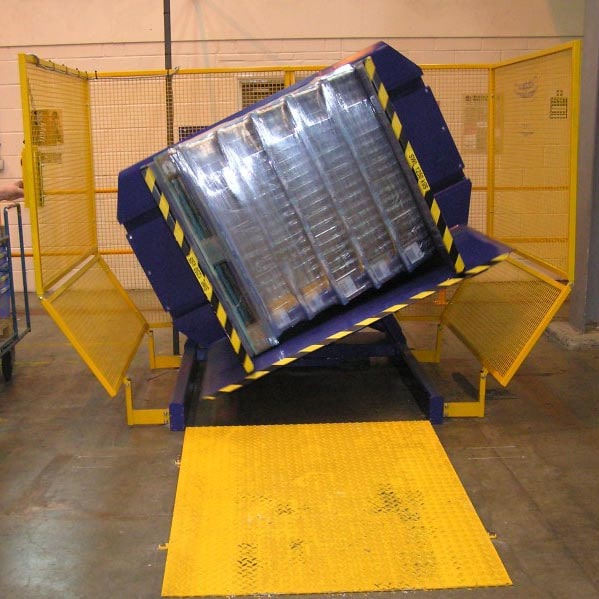
The range of sensors applicable to pallet inverter enhancement is vast, each offering unique capabilities to improve performance in different aspects.
- Load Cells and Weight Sensors: These sensors provide precise weight measurement, crucial for optimizing clamping pressure and ensuring safe load handling. They can also be used to verify load integrity and prevent overloading, extending the lifespan of the equipment.
- Proximity and Distance Sensors (e.g., Laser, Ultrasonic): Essential for safety, these sensors detect the presence of objects or personnel in the vicinity of the inverter. They can also be used for precise pallet positioning and alignment within the inverter.
- Position Encoders and Angle Sensors: These sensors provide accurate feedback on the rotation angle of the inverter, ensuring precise 90-degree or 180-degree rotations as needed. This is critical for applications requiring accurate pallet swapping and inversion.
- Optical Sensors and Vision Systems: Advanced vision systems can identify pallet types, detect damage, and even read barcodes or labels. This data can be used to automate pallet sorting, quality control, and inventory management processes.
- Environmental Sensors (Temperature, Humidity): For specialized applications, particularly in the food and beverage or pharmaceutical industries, environmental sensors can monitor conditions within the inverter, ensuring product integrity and compliance with regulations.
The Future is Smart: Pallet Inverters in the Age of Industry 4.0
The integration of advanced sensors into pallet inverters is not just a technological upgrade; it's a strategic move towards aligning with the principles of Industry 4.0. Smart, sensor-equipped pallet inverters are integral to creating interconnected, data-driven, and autonomous warehouse and manufacturing environments.
By generating a wealth of operational data, these smart inverters contribute to a broader ecosystem of connected devices and systems. This data can be analyzed to identify trends, optimize workflows, and predict maintenance needs, further enhancing overall operational efficiency and reducing costs. Imagine a fleet of sensor-equipped pallet inverters communicating performance data to a central management system, providing real-time insights into throughput, cycle times, and potential bottlenecks. This level of visibility and control is the hallmark of Industry 4.0 and is now becoming a reality in material handling.
Conclusion: Embracing Innovation for Pallet Inverter Excellence
Enhancing pallet inverter performance with advanced sensors is a transformative step towards creating more efficient, safer, and automated material handling operations. From real-time load adjustments to proactive safety measures and the enablement of full automation, the benefits are substantial and far-reaching.
As industries continue to demand higher levels of productivity and safety, the adoption of sensor-driven pallet inverter technology is not just an option, but a necessity. By embracing this innovation, businesses can unlock new levels of efficiency, optimize their warehouse operations, and stay ahead in an increasingly competitive global market. The future of pallet handling is smart, and sensors are the key to unlocking its full potential.